





























































































About Townsend Recovery Detox and Drug Rehab Center in Louisiana
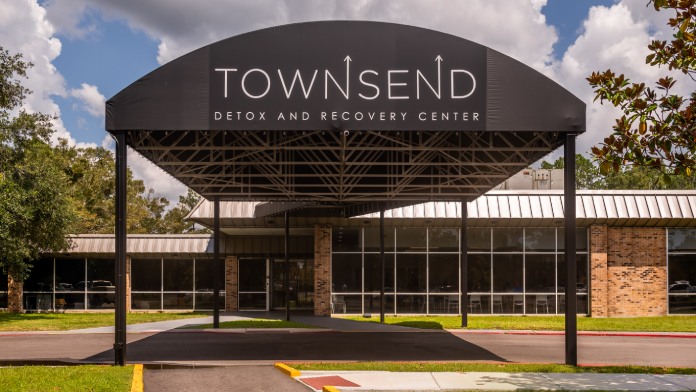
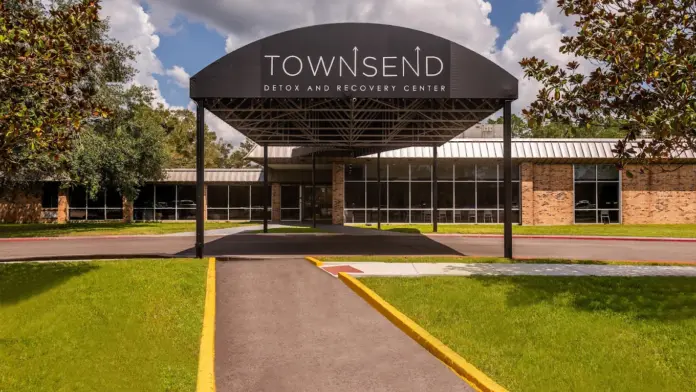
Townsend Recovery Center in Covington, Louisiana is a residential drug and alcohol addiction treatment facility. Clients can expect encouragement and respect as they receive addiction therapy and counseling. The services available are medically monitored detox and medication assisted treatment. Townsend Recovery Center is staffed with nurses, counselors and a full time physician.
Comfortable Amenities To Make You Feel at Home
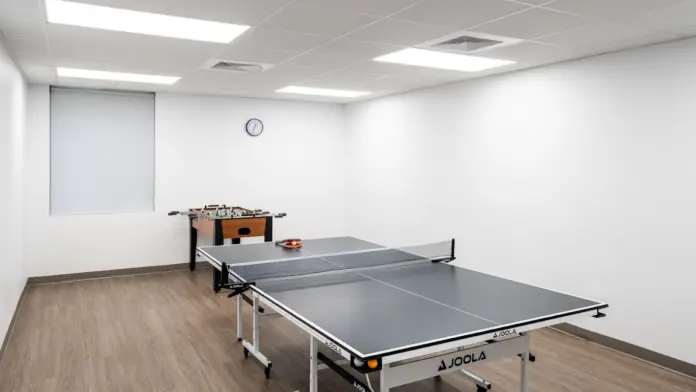
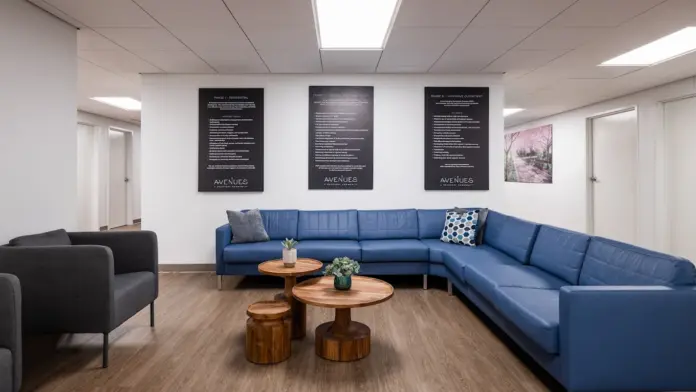
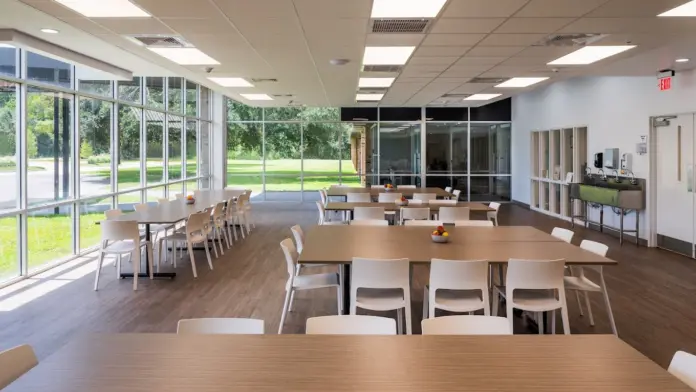
Townsend Recovery Center designed their residence with a youthful decor to create a comfortable atmosphere for their patience. The facility has 36 beds with semi private rooms and clean accomodations. It also has recreational facilities and fitness instruction to help you improve your health, which can support your addiction recovery. Additionally, you’ll receive gourmet catered meals and local transportation to your 12 step meetings.
Extensive Treatment For Full Recovery
Many patients will start with detox services, where the focus will be on craving stabilization and withdrawal management. Medications you may have administered to you include Subutex and Vivitrol. When you’ve completed the withdrawal phase, you can begin receiving residential treatment services. In that program you may participate in family, individual or group counseling sessions.
Treatment approaches that counselors at the facility utilize are cognitive behavioral therapy and dialectical behavioral therapy. These approaches can help you develop coping skills and change negative beliefs that hinder your recovery. I also like that the facility uses alternative treatments, such as yoga and outdoor activities, to assist with the healing process.
Care Services Near New Orleans
Covington is less than an hour away from New Orleans. You can take a day trip to the city and relax at the New Orleans City Park or take a walk down Bourbon Street.
Latest Reviews



Rehab Score
 Our Methodology


Gallery

Accepted Insurance
Other Forms of Payment
Private insurance refers to any kind of healthcare coverage that isn't from the state or federal government. This includes individual and family plans offered by an employer or purchased from the Insurance Marketplace. Every plan will have different requirements and out of pocket costs so be sure to get the full details before you start treatment.
Self-pay involves paying for treatment out of your own pocket. You can use savings or credit, get a personal loan, or receive help from family and friends to fund your treatment. If you don't have insurance or your insurance plan doesn't cover a specific program, self-pay can help ensure you still get the care you need.
Financial aid can take many forms. Centers may have grants or scholarships available to clients who meet eligibility requirements. Programs that receive SAMHSA grants may have financial aid available for those who need treatment as well. Grants and scholarships can help you pai for treatment without having to repay.
Medicaid is a state based program that helps lower-income individuals and families pay for healthcare. Medicaid covers addiction treatment so those enrolled can use their coverage to pay for rehab. When a program accepts Medicaid the client often pays very little or nothing out of their own pocket.
Military members, veterans, and eligible dependents have access to specific insurance programs that help them get the care they need. TRICARE and VA insurance can help you access low cost or no cost addiction and mental health treatment. Programs that accept military insurance often have targeted treatment focused on the unique challenges military members, veterans, and their families face.
Addiction Treatments
Levels of Care
Outpatient Programs (OP) are for those seeking mental rehab or drug rehab, but who also stay at home every night. The main difference between outpatient treatment (OP) and intensive outpatient treatment (IOP) lies in the amount of hours the patient spends at the facility. Most of the time an outpatient program is designed for someone who has completed an inpatient stay and is looking to continue their growth in recovery. Outpatient is not meant to be the starting point, it is commonly referred to as aftercare.
Intensive Outpatient programs are for those who want or need a very structured treatment program but who also wish to live at home and continue with certain responsibilities (such as work or school). IOP substance abuse treatment programs vary in duration and intensity, and certain outpatient rehab centers will offer individualized treatment programs. The Intensive Outpatient Program gives patients the chance to participate in a structured treatment plan part-time while they transition back to home and work or other responsibilities.
Residential treatment programs are those that offer housing and meals in addition to substance abuse treatment. Rehab facilities that offer residential treatment allow patients to focus solely on recovery, in an environment totally separate from their lives. Some rehab centers specialize in short-term residential treatment (a few days to a week or two), while others solely provide treatment on a long-term basis (several weeks to months). Some offer both, and tailor treatment to the patient's individual requirements.
Drug and alcohol addiction often takes a heavy toll on one’s body. Over time, a physical dependence can develop, meaning the body physiologically needs the substance to function. Detox is the process of removing drugs and/or alcohol from the body, a process that can be lethal if mismanaged. Medical detox is done by licensed medical professionals who monitor vital signs and keep you safe, healthy, and as comfortable as possible as you go through detox and withdrawal.
Completing a drug or alcohol rehab program shouldn't spell the end of substance abuse treatment. Aftercare involves making a sustainable plan for recovery, including ongoing support. This can include sober living arrangements like halfway houses, career counseling, and setting a patient up with community programs like Alcoholics Anonymous (AA) or Narcotics Anonymous (NA).
Programs
Adult rehab programs include therapies tailored to each client's specific needs, goals, and recovery progress. They are tailored to the specific challenges adult clients may face, including family and work pressures and commitments. From inpatient and residential treatment to various levels of outpatient services, there are many options available. Some facilities also help adults work through co-occurring conditions, like anxiety, that can accompany addiction.
Young adulthood can be an exciting, yet difficult, time of transition. Individuals in their late teens to mid-20s face unique stressors related to school, jobs, families, and social circles, which can lead to a rise in substance use. Rehab centers with dedicated young adult programs will include activities and amenities that cater to this age group, with an emphasis on specialized counseling, peer socialization, and ongoing aftercare.
Clinical Services
If you undergo cognitive behavioral therapy in Louisiana, you may engage in role playing, face your fears, and learn to calm your mind and body. These techniques are designed to help you recognize unhealthy patterns of thinking and to learn healthy ways of coping with challenges.
When you participate in dialectical behavior therapy, you'll work on recognizing distorted thinking patterns that are guiding your emotions. You'll learn how to change these patterns to eliminate unproductive reactions. This involves developing better coping mechanisms to handle stressful situations.
When choosing a type of nicotine replacement therapy (NRT), consider which would be the best fit for your tobacco use and lifestyle. Do you experience intense cravings? Do you need convenience? Something to keep your hands busy? Use these questions to choose between various NRT options, such as nicotine gum or patches.
Amenities
-
 Residential Setting
Staff & Accreditations
Staff
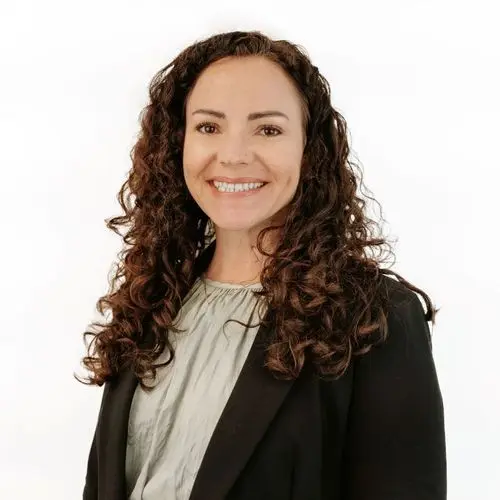
Elizabeth Zeretzke
Administrator
Robert R Fezekas II
Clinical Director

Julie Batt
Clinical Director

Matt Engler
Regional Executive Director

Rachel Alter
Marketing Director
Accreditations

The Commission on Accreditation of Rehabilitation Facilities (CARF) is a non-profit organization that specifically accredits rehab organizations. Founded in 1966, CARF's, mission is to help service providers like rehab facilities maintain high standards of care.
CARF Accreditation: Yes

The Joint Commission, formerly known as JCAHO, is a nonprofit organization that accredits rehab organizations and programs. Founded in 1951, the Joint Commision's mission is to improve the quality of patient care and demonstrating the quality of patient care.
Joint Commission Accreditation: Yes
Rehab.com regularly reviews this listing for accuracy but changes may occur between updates. For the most up-to-date information, please contact Townsend Recovery Detox and Drug Rehab Center in Louisiana.
Contact Information


195 Highland Park Plaza
Suite 200
Covington, LA 70433
Sponsored Helpline


