























































































About Turning Point Alcohol & Drug Education Program Inc.
Turning Point Alcohol and Drug Education Program Inc is a nonprofit community based organization providing outpatient substance use and mental health treatment throughout Los Angeles County.
The program serves adolescents and adults, with specialized focus on formerly incarcerated individuals, people experiencing homelessness, low income residents and those with cooccurring disorders.
Turning Point delivers trauma informed, culturally responsive care that reduces health disparities and supports lasting recovery through integrated education, counseling, housing and reentry services.
Reentry Support for Formerly Incarcerated Individuals
Turning Point offers comprehensive reentry programming designed to help formerly incarcerated men and women rebuild their lives after release.
Services include outpatient substance use treatment, intensive outpatient programs, case management, employment preparation and permanent supportive housing through SAFE Houses for women transitioning from incarceration.
Treatment combines evidence based approaches like Cognitive Behavioral Therapy, Motivational Interviewing, the Matrix Model, Relapse Prevention, and 12-Step Facilitation with practical life skills support. Clients work with experienced counselors and case managers to address underlying trauma, develop coping strategies, and access resources for housing, employment, and ongoing stability. Reviews highlight how compassionate staff help clients feel supported and less alone during recovery.
Anger Management, Parenting Classes and HIV Education
Turning Point provides individual and group mental health counseling alongside substance use education with specific services for survivors of sexual abuse, domestic violence and intimate partner violence.
Programs also include anger management, parenting classes and HIV and hepatitis education, creating a holistic continuum of care for individuals with complex needs.
Latest Reviews

Best,
The Turning Point AOD Team

Wishing you all the best on your journey!
Warm regards,
The Turning Point AOD Team

If you ever need anything or want to get involved further, please reach out. Together, we can continue to make a positive impact!
Best,
The Turning Point AOD Team

Rehab Score
 Our Methodology


Gallery
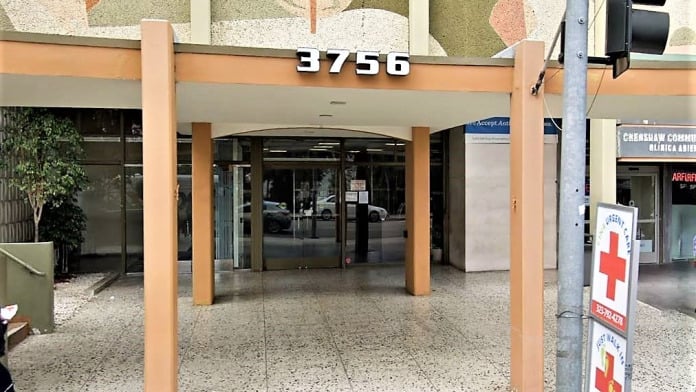
Accepted Insurance

Other Forms of Payment
Private insurance refers to any kind of healthcare coverage that isn't from the state or federal government. This includes individual and family plans offered by an employer or purchased from the Insurance Marketplace. Every plan will have different requirements and out of pocket costs so be sure to get the full details before you start treatment.
Self-pay involves paying for treatment out of your own pocket. You can use savings or credit, get a personal loan, or receive help from family and friends to fund your treatment. If you don't have insurance or your insurance plan doesn't cover a specific program, self-pay can help ensure you still get the care you need.
Medicare is a federal program that provides health insurance for those 65 and older. It also serves people under 65 with chronic and disabling health challenges. To use Medicare for addiction treatment you need to find a program that accepts Medicare and is in network with your plan. Out of pocket costs and preauthorization requirements vary, so always check with your provider.
Addiction Treatments
Levels of Care
Outpatient Programs (OP) are for those seeking mental rehab or drug rehab, but who also stay at home every night. The main difference between outpatient treatment (OP) and intensive outpatient treatment (IOP) lies in the amount of hours the patient spends at the facility. Most of the time an outpatient program is designed for someone who has completed an inpatient stay and is looking to continue their growth in recovery. Outpatient is not meant to be the starting point, it is commonly referred to as aftercare.
Treatments
The goal of treatment for alcoholism is abstinence. Those with poor social support, poor motivation, or psychiatric disorders tend to relapse within a few years of treatment. For these people, success is measured by longer periods of abstinence, reduced use of alcohol, better health, and improved social functioning. Recovery and Maintenance are usually based on 12 step programs and AA meetings.
Drug rehab in California teaches participants constructive ways to stay clean and sober. Treatment revolves around helping individuals stop using the substance they are addicted to and learn healthy habits to avoid relapse.
Opioid rehabs specialize in supporting those recovering from opioid addiction. They treat those suffering from addiction to illegal opioids like heroin, as well as prescription drugs like oxycodone. These centers typically combine both physical as well as mental and emotional support to help stop addiction. Physical support often includes medical detox and subsequent medical support (including medication), and mental support includes in-depth therapy to address the underlying causes of addiction.
Substance rehabs focus on helping individuals recover from substance abuse, including alcohol and drug addiction (both illegal and prescription drugs). They often include the opportunity to engage in both individual as well as group therapy.
Programs
Adult rehab programs include therapies tailored to each client's specific needs, goals, and recovery progress. They are tailored to the specific challenges adult clients may face, including family and work pressures and commitments. From inpatient and residential treatment to various levels of outpatient services, there are many options available. Some facilities also help adults work through co-occurring conditions, like anxiety, that can accompany addiction.
Clinical Services
Group therapy is any therapeutic work that happens in a group (not one-on-one). There are a number of different group therapy modalities, including support groups, experiential therapy, psycho-education, and more. Group therapy involves treatment as well as processing interaction between group members.
Individual therapy for drug addiction includes a customized treatment plan that considers your history and life circumstances. During your therapy sessions, the therapist helps you uncover underlying issues and triggers for addictive behavior that support a holistic approach to recovery.
Family therapy offers a platform for members to have an open dialogue about the challenges that addiction has placed on the family unit. Through guided sessions, therapists can help families develop healthy communication skills and address unresolved issues. By working together toward a common goal, they help to support their loved one's sobriety.
Staff & Accreditations
Staff
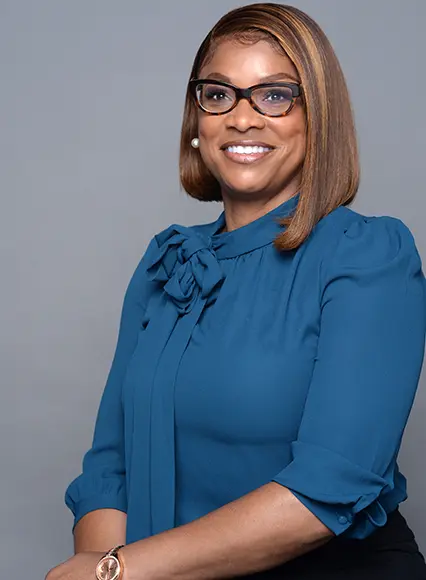
Michelle Perkins
Founder Executive Director
Accreditations

State Licenses are permits issued by government agencies that allow rehab organizations to conduct business legally within a certain geographical area. Typically, the kind of program a rehab facility offers, along with its physical location, determines which licenses are required to operate legally.
State License: California
Contact Information


3756 Santa Rosalia Dr
#617
Los Angeles, CA 90008
Sponsored Helpline


