Indiana Center for Recovery - Bloomington Alcohol & Drug Rehab
1
Top 10 Rehab Centers In Bloomington


















































































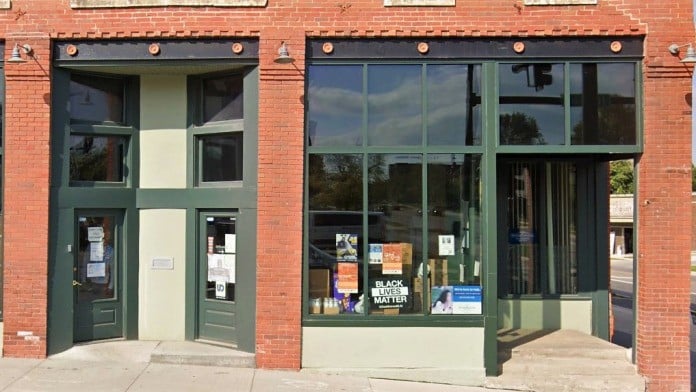
Wellmark Urban Dreams Community Center is an outpatient substance abuse counseling provider in Des Moines, Iowa. They’re operating within a nonprofit community center rather than a clinical facility.
They’ll give you individual and group substance use counseling. You’ll also get trauma informed mental health counseling. They’ll treat depression and anxiety. You’ll also get OWI classes.
You’ll get substance use counseling through a community center. They also run youth development, workforce readiness, mentoring and family support programs. You can access substance use and mental health counseling in the same place.
There’s statewide availability for its OWI classes and outpatient substance abuse services. They’re serving the Des Moines metro area. You’ll get outpatient counseling on a community based model. You should reach out if you’d like to learn more.

 Our Methodology


Private insurance refers to any kind of healthcare coverage that isn't from the state or federal government. This includes individual and family plans offered by an employer or purchased from the Insurance Marketplace. Every plan will have different requirements and out of pocket costs so be sure to get the full details before you start treatment.
Self-pay involves paying for treatment out of your own pocket. You can use savings or credit, get a personal loan, or receive help from family and friends to fund your treatment. If you don't have insurance or your insurance plan doesn't cover a specific program, self-pay can help ensure you still get the care you need.
Medicaid is a state based program that helps lower-income individuals and families pay for healthcare. Medicaid covers addiction treatment so those enrolled can use their coverage to pay for rehab. When a program accepts Medicaid the client often pays very little or nothing out of their own pocket.
Medicare is a federal program that provides health insurance for those 65 and older. It also serves people under 65 with chronic and disabling health challenges. To use Medicare for addiction treatment you need to find a program that accepts Medicare and is in network with your plan. Out of pocket costs and preauthorization requirements vary, so always check with your provider.
Outpatient Programs (OP) are for those seeking mental rehab or drug rehab, but who also stay at home every night. The main difference between outpatient treatment (OP) and intensive outpatient treatment (IOP) lies in the amount of hours the patient spends at the facility. Most of the time an outpatient program is designed for someone who has completed an inpatient stay and is looking to continue their growth in recovery. Outpatient is not meant to be the starting point, it is commonly referred to as aftercare.
Intensive outpatient programs (IOP) offer high-level care for clients in early recovery or who are at an increased risk of relapse. Clients may also enroll in an IOP immediately following detox, enabling them to continue to work and to live at home. Clients attend multiple outpatient treatment sessions for a minimum of nine hours per week. Many intensive outpatient rehabs provide a variety of services, including psychotherapy, recovery education, and medication assisted treatment (MAT).
Rehab aftercare programs support clients' reintegration into their home, workplace, and community following inpatient and residential treatment. They also promote long-term recovery for clients who may no longer be receiving outpatient treatment. Rehab aftercare services encompass a wide range of modalities and often include various medical, mental health, and social service programs. Case managers and care teams develop clients' customized service plans based on the client's evolving needs and recovery goals.
Many rehabs base their treatment models on 12 step programs, which are often considered a gold standard in addiction recovery. 12 step recovery prioritizes participants' spiritual development as a means to heal the emotional and psychological wounds that have contributed to the addiction. Participants engage in regular, peer-led group meetings, which are free, anonymous, and accessible 24 hours per day, 365 days a year in most communities. Though these programs are spiritually-grounded, religious affiliation isn't required.
Intervention services can help family members communicate effectively with each other and with the individual who is struggling with a substance use disorder. A professional interventionist addresses family dynamics that have worsened the situation or prevented the individual from seeking help. This expert can also help the family plan a drug intervention in Iowa. After the intervention, ongoing intervention services can help families in their own recovery, regardless of whether the individual chooses to enter treatment.
When an individual cannot control their alcohol use despite negative health, social, or occupational consequences, this is known as alcohol use disorder (AUD). They may experience physical withdrawal symptoms if they stop drinking. To successfully maintain sobriety, professional help is often necessary. Alcohol rehab in Iowa provides the crucial evidence-based therapies, support groups, and family involvement that make it possible to overcome alcohol addiction.
Drug rehab in Iowa is available in many formats. A variety of inpatient and outpatient options provide programs that are tailored to individual needs, making recovery possible for everyone.
In Iowa, dual-diagnosis addiction treatment focuses on providing comprehensive care for individuals with co-occurring mental health conditions and substance use disorders. Types of dual-diagnosis programs include residential drug and alcohol rehab and intensive outpatient options. You can expect the program to include individual and group counseling, evidence-based therapy (like dialectical behavioral therapy), and skills training to enhance your coping skills. By the end of treatment you will have the resources and supportive recovery community to sustain long-term mental health and sobriety.
In Iowa, dual-diagnosis rehabs specialize in providing comprehensive care for individuals facing both mental health and substance abuse challenges. By integrating mental health and substance abuse treatment with your individual needs, clinicians and medical experts can create personalized and effective treatment plans. These treatments usually incorporate evidence-based therapies, counseling, process groups, skills training, and family therapy. You can typically expect discharge planning and alumni programs which help to support long-term recovery by preventing relapse and providing on-going support post-treatment.
Adult rehab programs include therapies tailored to each client's specific needs, goals, and recovery progress. They are tailored to the specific challenges adult clients may face, including family and work pressures and commitments. From inpatient and residential treatment to various levels of outpatient services, there are many options available. Some facilities also help adults work through co-occurring conditions, like anxiety, that can accompany addiction.
Young adulthood can be an exciting, yet difficult, time of transition. Individuals in their late teens to mid-20s face unique stressors related to school, jobs, families, and social circles, which can lead to a rise in substance use. Rehab centers with dedicated young adult programs will include activities and amenities that cater to this age group, with an emphasis on specialized counseling, peer socialization, and ongoing aftercare.
Recovery is most successful when clients feel accepted and validated by their peers and treatment providers. Facilities that offer LGBTQ-inclusive programming are committed to creating a safe space where everyone can grow and recover without fear of judgment or discrimination. They will have dedicated policies in place to create a safe and supportive environment that fosters free expression.
Recovery is most successful when clients feel accepted and validated by their peers and treatment providers. Facilities that offer LGBTQ-inclusive programming are committed to creating a safe space where everyone can grow and recover without fear of judgment or discrimination. They will have dedicated policies in place to create a safe and supportive environment that fosters free expression.
Individual therapy sessions offer you a personalized approach that involves an in depth exploration of your life experiences and patterns of substance use disorder. This helps your therapist identify harmful behaviors and thoughts and helps you recognize them so you have a deeper understanding of addiction and make positive changes in your life.
During cognitive behavioral therapy in Iowa, you'll gain a better understanding of your thinking and motivations. Your therapist will then help you develop new patterns of thinking and behaving that allow you to cope with life's challenges without abusing substances.
People in substance use disorder treatment in Iowa find group therapy helps them benefit from shared experiences, gain new insights into the triggers of addiction, and learn new coping strategies. Group therapy promotes accountability and helps raise your motivation to seek sobriety and achieve sustainable recovery.
During motivational interviewing in Iowa, the client and therapist collaborate to identify any discrepancies in the client's current situation and future goals. By asking open ended questions and using reflective listening skills, the therapist encourages the client to reach their own conclusions and make a commitment to any needed changes in their life.
Trauma therapy focuses on helping you heal from the psychological impact of witnessing or experiencing a traumatic event. Your therapist offers you support and guidance, which ultimately helps reduce your distress and build resilience.
Couples therapy in Iowa involves mediation, education, and psychotherapy. Participants learn about themselves and each other and how to successfully navigate challenges in the relationship. Sessions can include both joint and individual meetings with the therapist.
During family therapy in Iowa, therapists focus on the collective healing of all members of the family unit who were impacted by addiction. Therapists guide families in understanding the effect addiction has and develop healthy communication practices. By working together, families can help support their loved ones recovery.
Executive Director
BOD
Rehab.com regularly reviews this listing for accuracy but changes may occur between updates. For the most up-to-date information, please contact Wellmark Urban Dreams Community Center.

1615 2nd Ave
Des Moines, IA 50314
Sponsored Helpline

Terrible customer service. Every time I go there I’m greeted with straight rudeness. Today I sat in their lobby for 45 minutes and they only helped 4 people in front of me. When I walked out their pantry was empty but the lobby was full. I will not be returning to this pantry.

I just walked in with my sister. Never been here before. Metal detectors went off so I didnt know what to do. Your lady at the front desk is very rude. As I was opening the door she says, '" well open the door or you can just stand there and look at me then." Uh no, very rude and I walked out. Bad customer service. Why would you want this lady to work here when she needs to be helping people?

We had a party at this event space - the space was perfect. Easily held 40 people, we loved the convenience in location to interstate and access to tables, chairs, etc. It is a little hard to make contact, online emails, forms and phone numbers require persistence- but once you get in touch with their staff you won’t be disappointed!!!

Urban Dreams is an amazing organization who have been helping the community for 40 years.Many programs, an affordable housing project in the works, and super nice and dedicated staff. I mostly go there for the food pantry and they have different food every day, including lots of fancy stuff from whole foods and the like.
 Back
Sharing your insights and experiences can help others learn more about this rehab center.