






























































































This place makes money sending people to receive treatment, so no matter what the reason you are here they will give you treatment because the only thing that matters is the money.
About Alternative Interventions
Alternative Interventions was founded in 2000. They’re based in Des Moines, Iowa. The social services organization is licensed by the Iowa Department of Public Health. They offer professional substance use disorder assessment services.
They accept most insurance plans, as well as self payment with cash, check, American Express, Visa, and Mastercard.
Convenient Location and Timely Substance Use Assessments in Iowa
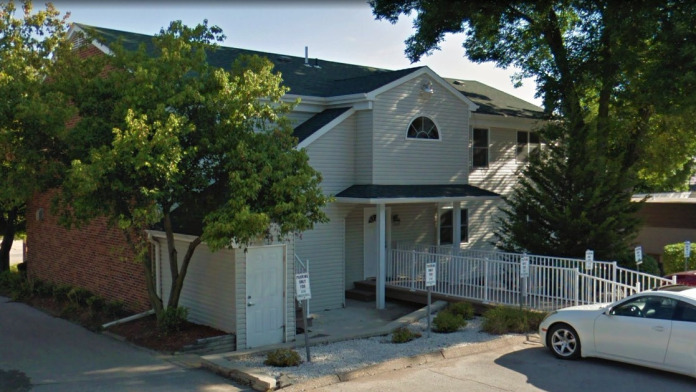
The facility is conveniently located near I-235. The location on Ingersoll Avenue is well known for its cultural venues, restaurants, and vibrant mix of shops. Nearby Gray’s Lake Park and the Racoon River, plus community resources supportive of healing, may be integrated into clients’ recovery programs.
The office is in an orderly and clean environment, and the therapists offer addiction assessments to men and women 18 and over. They offer several types of substance use assessments, including mandatory workplace drug evaluations and Department of Human Services drug assessments.
Substance Abuse Professional On Site for Assessments
There’s a substance abuse professional (SAP) on site who is qualified to do CDL/DOT compliance evaluations. Clients also come for court mandated evaluations, such as Operating While Intoxicated (OWI) and general substance abuse assessments. They can provide expert testimony for clients who need them in court.
Staff emphasize professional conduct, respect for clients, and confidentiality. They strive to provide appointment availability, and they expedite required document filings for the DOT and the court. It’s important to note that while they refer clients for treatment, they have no financial ties to referral sources or treatment providers.
Clients have given the organization mixed reviews, with some positive feedback highlighting the efficient and professional services. They’ve also had some negative reviews that mention concerns about the process and their recommendations.
Latest Reviews

Rehab Score
 Our Methodology
Scoring is assigned by a proprietary system which helps surface key metrics that determine quality. The 10-point scale factors in categories such as operations, customer satisfaction, and trust metrics. Read Full Methodology

5.1 / 10
Gallery
Other Forms of Payment
Self-pay involves paying for treatment out of your own pocket. You can use savings or credit, get a personal loan, or receive help from family and friends to fund your treatment. If you don't have insurance or your insurance plan doesn't cover a specific program, self-pay can help ensure you still get the care you need.
Addiction Treatments
Levels of Care
Intervention services helps family or friends of addicts stage an intervention, which is a meeting in which loved ones share their concerns and attempt to get an addict into treatment. Professional intervention specialists can help loved ones organize, gather, and communicate with an addict. They can guide intervention participants in describing the damage the addict's behavior is causing and that outside help is necessary to address the addiction. The ideal outcome of an intervention is for the addict to go to rehab and get the help they need.
Completing a drug or alcohol rehab program shouldn't spell the end of substance abuse treatment. Aftercare involves making a sustainable plan for recovery, including ongoing support. This can include sober living arrangements like halfway houses, career counseling, and setting a patient up with community programs like Alcoholics Anonymous (AA) or Narcotics Anonymous (NA).
Treatments
The goal of treatment for alcoholism is abstinence. Those with poor social support, poor motivation, or psychiatric disorders tend to relapse within a few years of treatment. For these people, success is measured by longer periods of abstinence, reduced use of alcohol, better health, and improved social functioning. Recovery and Maintenance are usually based on 12 step programs and AA meetings.
Drug rehab in Iowa is available in many formats. A variety of inpatient and outpatient options provide programs that are tailored to individual needs, making recovery possible for everyone.
Opioid rehabs specialize in supporting those recovering from opioid addiction. They treat those suffering from addiction to illegal opioids like heroin, as well as prescription drugs like oxycodone. These centers typically combine both physical as well as mental and emotional support to help stop addiction. Physical support often includes medical detox and subsequent medical support (including medication), and mental support includes in-depth therapy to address the underlying causes of addiction.
Substance rehabs focus on helping individuals recover from substance abuse, including alcohol and drug addiction (both illegal and prescription drugs). They often include the opportunity to engage in both individual as well as group therapy.
Programs
Adult rehab programs include therapies tailored to each client's specific needs, goals, and recovery progress. They are tailored to the specific challenges adult clients may face, including family and work pressures and commitments. From inpatient and residential treatment to various levels of outpatient services, there are many options available. Some facilities also help adults work through co-occurring conditions, like anxiety, that can accompany addiction.
Young adulthood can be an exciting, yet difficult, time of transition. Individuals in their late teens to mid-20s face unique stressors related to school, jobs, families, and social circles, which can lead to a rise in substance use. Rehab centers with dedicated young adult programs will include activities and amenities that cater to this age group, with an emphasis on specialized counseling, peer socialization, and ongoing aftercare.
Clinical Services
Research clearly demonstrates that recovery is far more successful and sustainable when loved ones like family members participate in rehab and substance abuse treatment. Genetic factors may be at play when it comes to drug and alcohol addiction, as well as mental health issues. Family dynamics often play a critical role in addiction triggers, and if properly educated, family members can be a strong source of support when it comes to rehabilitation.
Group therapy is any therapeutic work that happens in a group (not one-on-one). There are a number of different group therapy modalities, including support groups, experiential therapy, psycho-education, and more. Group therapy involves treatment as well as processing interaction between group members.
Rehab.com regularly reviews this listing for accuracy but changes may occur between updates. For the most up-to-date information, please contact Alternative Interventions.
Contact Information

3116 Ingersoll Avenue
Des Moines, IA 50312
Get Help Now - 515-349-1544
Sponsored Helpline
Sponsored Helpline



