























































































Unprofessional. Unqualified staff and lack of respect for privacy and boundaries
About BrainSpark Health
BrainSpark Health is an addiction treatment provider in Plymouth Meeting, Pennsylvania, offering outpatient care for adults affected by chemical dependency. The center provides individual therapy and cognitive behavioral therapy (CBT).
They also provide the signature Nicotinamide Adenine Dinucleotide (NAD) infusion therapy to support recovery from substance use, including opioid addiction. BrainSpark Health takes a brain restoration approach to addiction.
They focus on healing the neurological foundations of dependency rather than treating symptoms alone.
NAD Therapy for Addiction Recovery
BrainSpark Health’s core differentiator is its 10 day NAD infusion therapy, designed to support neuroadaptation and replenish neurotransmitters depleted by long term substance use.
This infusion based protocol is positioned as a foundational step in helping clients restore brain chemistry during early recovery. Clients also participate in individual counseling and evidence based modalities like CBT to address the thoughts and behaviors that fuel addiction.
The combined approach aims to ease cravings, stabilize mood andgive clients a clearer mental starting point for longer term recovery work.
Outpatient and Dual Diagnosis Support
BrainSpark Health also offers outpatient programming with options for dual diagnosis care, addressing co-occurring mental health concerns alongside substance use.
Programming is structured for adults, with LGBTQ friendly and young adult tracks noted in directory listings, helping clients receive care that fits their identity and life stage.
Getting Started with BrainSpark Health
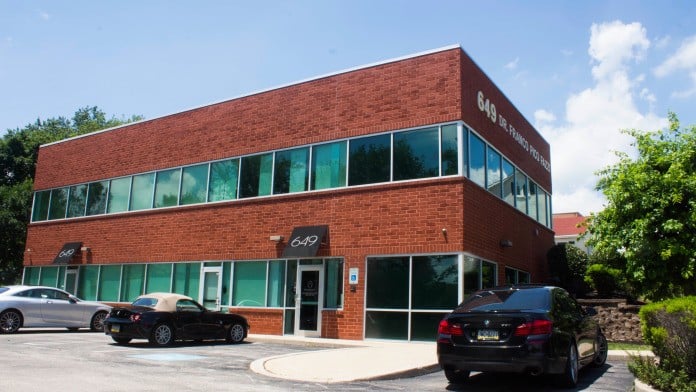
BrainSpark Health serves clients in person from its office at 649 West Germantown Pike in Plymouth Meeting, Pennsylvania, conveniently located in the greater Philadelphia area.
The program accepts self pay and offers sliding scale options to help make care more accessible.
Edited by:
Gayle Morris, BSN, MSN
Latest Reviews
Loving staff and the treatment saved bm life. Withdrawal is uncomfortable and there's nothing to be done about it, but they will do everything they can to help you through it without introducing yet more addictive drugs.
Reviewed on 12/31/2019
Unprofessional. Unqualified staff and lack of respect for privacy and boundaries
Reviewed on 12/31/2019
I do not recommend BrainSpark health. They are extremely unprofessional, they exaggerate their offerings and amenities and they have non health care professional staff in the clinic interrupting treatment. After several inappropriate exchanges with staff and multiple privacy violations, I will not be going back

Rehab Score
 Our Methodology
Scoring is assigned by a proprietary system which helps surface key metrics that determine quality. The 10-point scale factors in categories such as operations, customer satisfaction, and trust metrics. Read Full Methodology

4.5 / 10
Gallery
Other Forms of Payment
Self-pay involves paying for treatment out of your own pocket. You can use savings or credit, get a personal loan, or receive help from family and friends to fund your treatment. If you don't have insurance or your insurance plan doesn't cover a specific program, self-pay can help ensure you still get the care you need.
 Monthly
Sliding scale payments are based on a client's income and family size. The goal is to make treatment affordable to everyone. By taking these factors into account, addiction recovery care providers help ensure that your treatment does not become a financial burden to you or your family, eliminating one barrier to care.
Addiction Treatments
Levels of Care
Outpatient Programs (OP) are for those seeking mental rehab or drug rehab, but who also stay at home every night. The main difference between outpatient treatment (OP) and intensive outpatient treatment (IOP) lies in the amount of hours the patient spends at the facility. Most of the time an outpatient program is designed for someone who has completed an inpatient stay and is looking to continue their growth in recovery. Outpatient is not meant to be the starting point, it is commonly referred to as aftercare.
Residential treatment programs are those that offer housing and meals in addition to substance abuse treatment. Rehab facilities that offer residential treatment allow patients to focus solely on recovery, in an environment totally separate from their lives. Some rehab centers specialize in short-term residential treatment (a few days to a week or two), while others solely provide treatment on a long-term basis (several weeks to months). Some offer both, and tailor treatment to the patient's individual requirements.
Drug and alcohol addiction often takes a heavy toll on one's body. Over time, a physical dependence can develop, meaning the body physiologically needs the substance to function. Detox is the process of removing drugs and/or alcohol from the body, a process that can be lethal if mismanaged. Medical detox is done by licensed medical professionals who monitor vital signs and keep you safe, healthy, and as comfortable as possible as you go through detox and withdrawal.
Completing a drug or alcohol rehab program shouldn't spell the end of substance abuse treatment. Aftercare involves making a sustainable plan for recovery, including ongoing support. This can include sober living arrangements like halfway houses, career counseling, and setting a patient up with community programs like Alcoholics Anonymous (AA) or Narcotics Anonymous (NA).
Intensive Outpatient Programs (IOP) are for those who want or need a very structured treatment program but who also wish to live at home and continue with certain responsibilities (such as work or school). IOP substance abuse treatment programs vary in duration and intensity, and certain outpatient rehab centers will offer individualized treatment programs.
Treatments
The goal of treatment for alcoholism is abstinence. Those with poor social support, poor motivation, or psychiatric disorders tend to relapse within a few years of treatment. For these people, success is measured by longer periods of abstinence, reduced use of alcohol, better health, and improved social functioning. Recovery and Maintenance are usually based on 12 step programs and AA meetings.
Drug rehab in Pennsylvania is devoted to the treatment of addiction. Levels of care, treatment methods, and settings differ, but the aim of each program is to end drug dependency and empower participants to achieve long-term recovery.
A combined mental health and substance abuse rehab has the staff and resources available to handle individuals with both mental health and substance abuse issues. It can be challenging to determine where a specific symptom stems from (a mental health issue or an issue related to substance abuse), so mental health and substance abuse professionals are helpful in detangling symptoms and keeping treatment on track.
Opioid rehabs specialize in supporting those recovering from opioid addiction. They treat those suffering from addiction to illegal opioids like heroin, as well as prescription drugs like oxycodone. These centers typically combine both physical as well as mental and emotional support to help stop addiction. Physical support often includes medical detox and subsequent medical support (including medication), and mental support includes in-depth therapy to address the underlying causes of addiction.
Programs
Recovery is most successful when clients feel accepted and validated by their peers and treatment providers. Facilities that offer LGBTQ-inclusive programming are committed to creating a safe space where everyone can grow and recover without fear of judgment or discrimination. They will have dedicated policies in place to create a safe and supportive environment that fosters free expression.
Young adulthood can be an exciting, yet difficult, time of transition. Individuals in their late teens to mid-20s face unique stressors related to school, jobs, families, and social circles, which can lead to a rise in substance use. Rehab centers with dedicated young adult programs will include activities and amenities that cater to this age group, with an emphasis on specialized counseling, peer socialization, and ongoing aftercare.
Clinical Services
Cognitive Behavioral Therapy (CBT) is a therapy modality that focuses on the relationship between one's thoughts, feelings, and behaviors. It is used to establish and allow for healthy responses to thoughts and feelings (instead of unhealthy responses, like using drugs or alcohol). CBT has been proven effective for recovering addicts of all kinds, and is used to strengthen a patient's own self-awareness and ability to self-regulate. CBT allows individuals to monitor their own emotional state, become more adept at communicating with others, and manage stress without needing to engage in substance abuse.
In individual therapy, a patient meets one-on-one with a trained psychologist or counselor. Therapy is a pivotal part of effective substance abuse treatment, as it often covers root causes of addiction, including challenges faced by the patient in their social, family, and work/school life.
Contact Information

649 West Germantown Pike
Suite 200
Plymouth Meeting, PA 19462
Get Help Now - 267-450-9996
Sponsored Helpline
Sponsored Helpline
