

























































































About Bright Futures Ahead
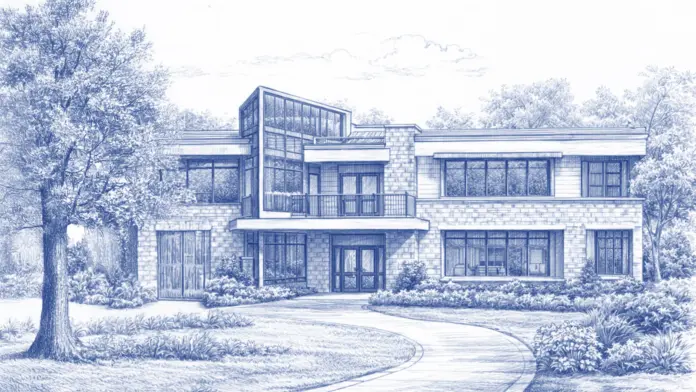
Bright Futures Ahead is an addiction treatment center offering outpatient care for adults facing substance use and co-occurring mental health challenges in Baltimore, Maryland. The team at the Old Frederick Road location provides services that blend therapy, counseling and family support. Clients consistently highlight the warm, compassionate staff and the strong sense of community.
Structure and Flexibility
Bright Futures Ahead provides outpatient treatment and intensive outpatient programming for individuals working through addiction and dual diagnosis concerns. Services include individual therapy, group therapy and family counseling, with relapse prevention integrated into care.
Family counseling can help loved ones create appropriate boundaries and become a supportive network for continued sobriety.
Simultaneous Challenges
The center serves adults dealing with substance use disorders and co-occurring mental health conditions. Their dual diagnosis focus means clients receive integrated support for both challenges at the same time.
This service may help guests address past traumas that led to substance use and work through them for a healthier future. They may also develop coping skills, learn to recognize substance use triggers and avoid relapse after treatment.
Reviewers praise the program as safe, welcoming and full of positive energy. Many mention the clinical staff by name, describing counselors as knowledgeable, compassionate and skilled at creating an environment where clients build lasting friendships and real progress.
Latest Reviews



Rehab Score
 Our Methodology


Location
Accepted Insurance



Other Forms of Payment
Medicare is a federal program that provides health insurance for those 65 and older. It also serves people under 65 with chronic and disabling health challenges. To use Medicare for addiction treatment you need to find a program that accepts Medicare and is in network with your plan. Out of pocket costs and preauthorization requirements vary, so always check with your provider.
Medicaid is a state based program that helps lower-income individuals and families pay for healthcare. Medicaid covers addiction treatment so those enrolled can use their coverage to pay for rehab. When a program accepts Medicaid the client often pays very little or nothing out of their own pocket.
Military members, veterans, and eligible dependents have access to specific insurance programs that help them get the care they need. TRICARE and VA insurance can help you access low cost or no cost addiction and mental health treatment. Programs that accept military insurance often have targeted treatment focused on the unique challenges military members, veterans, and their families face.
Addiction Treatments
Levels of Care
Outpatient Programs (OP) are for those seeking mental rehab or drug rehab, but who also stay at home every night. The main difference between outpatient treatment (OP) and intensive outpatient treatment (IOP) lies in the amount of hours the patient spends at the facility. Most of the time an outpatient program is designed for someone who has completed an inpatient stay and is looking to continue their growth in recovery. Outpatient is not meant to be the starting point, it is commonly referred to as aftercare.
Residential treatment programs are those that offer housing and meals in addition to substance abuse treatment. Rehab facilities that offer residential treatment allow patients to focus solely on recovery, in an environment totally separate from their lives. Some rehab centers specialize in short-term residential treatment (a few days to a week or two), while others solely provide treatment on a long-term basis (several weeks to months). Some offer both, and tailor treatment to the patient's individual requirements.
Treatments
A combined mental health and substance abuse rehab has the staff and resources available to handle individuals with both mental health and substance abuse issues. It can be challenging to determine where a specific symptom stems from (a mental health issue or an issue related to substance abuse), so mental health and substance abuse professionals are helpful in detangling symptoms and keeping treatment on track.
Clinical Services
Research clearly demonstrates that recovery is far more successful and sustainable when loved ones like family members participate in rehab and substance abuse treatment. Genetic factors may be at play when it comes to drug and alcohol addiction, as well as mental health issues. Family dynamics often play a critical role in addiction triggers, and if properly educated, family members can be a strong source of support when it comes to rehabilitation.
Group therapy is any therapeutic work that happens in a group (not one-on-one). There are a number of different group therapy modalities, including support groups, experiential therapy, psycho-education, and more. Group therapy involves treatment as well as processing interaction between group members.
In individual therapy, a patient meets one-on-one with a trained psychologist or counselor. Therapy is a pivotal part of effective substance abuse treatment, as it often covers root causes of addiction, including challenges faced by the patient in their social, family, and work/school life.
Contact Information


5411 Old Frederick Road
Suite 4
Baltimore, MD 21229
Sponsored Helpline

