



























































































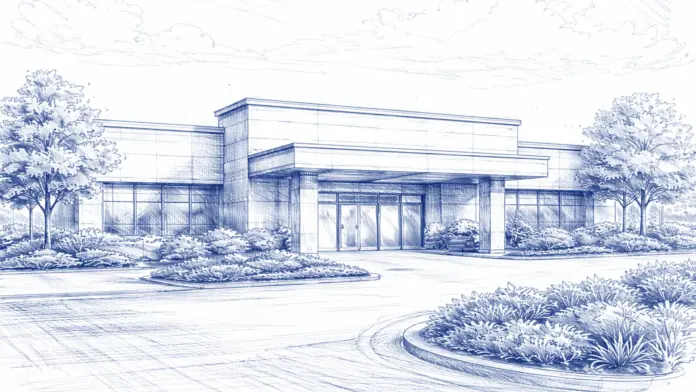
About Creative Counseling and Studio
Creative Counseling and Studio is an outpatient counseling center in Omaha, Nebraska. They provide art therapy and other expert backed approaches to help adults, youth and families overcome addiction, mental health conditions and trauma.
Provides Telehealth Treatment Option
They provide flexible treatment with in person and telehealth options available. They work with most major insurance providers, including Optum, Cigna, Blue Cross Blue Shield, Ambetter and Medicaid. Even if you don’t have insurance, you can still get the support you need. They offer income based sliding scale fees.
Incorporating Expressive Therapies
What stands out most to me is their emphasis on art therapy. This approach can help you express thoughts and emotions that you may find difficult to explain with words. You’ll benefit from exploring new outlets and gaining coping skills to support recovery.
Along with art therapy, you can also participate in proven approaches, including cognitive behavioral therapy, dialectical behavior therapy, SMART Recovery and Gottman’s Method.
Helping Address Trauma
Another great feature I noticed was that they offer trauma informed care. They understand that past traumatic experiences can influence addiction. You can participate in trauma focused cognitive behavioral therapy to process these emotions in a safe space.
Latest Reviews



Rehab Score
 Our Methodology


Location
Accepted Insurance
Other Forms of Payment
Medicaid is a state based program that helps lower-income individuals and families pay for healthcare. Medicaid covers addiction treatment so those enrolled can use their coverage to pay for rehab. When a program accepts Medicaid the client often pays very little or nothing out of their own pocket.
Private insurance refers to any kind of healthcare coverage that isn't from the state or federal government. This includes individual and family plans offered by an employer or purchased from the Insurance Marketplace. Every plan will have different requirements and out of pocket costs so be sure to get the full details before you start treatment.
Sliding scale payments are based on a client's income and family size. The goal is to make treatment affordable to everyone. By taking these factors into account, addiction recovery care providers help ensure that your treatment does not become a financial burden to you or your family, eliminating one barrier to care.
Self-pay involves paying for treatment out of your own pocket. You can use savings or credit, get a personal loan, or receive help from family and friends to fund your treatment. If you don't have insurance or your insurance plan doesn't cover a specific program, self-pay can help ensure you still get the care you need.
Addiction Treatments
Levels of Care
Outpatient rehabs are often ideally suited for clients exiting intensive inpatient care, those who are medically stable, and those not at an elevated relapse risk. They also offer flexibility for clients who may be unable to leave their work or family to receive inpatient care. Many outpatient treatment centers provide a full suite of services, including recovery education, medication assisted treatment (MAT), and individual, group, and family counseling. Ancillary services, including peer coaching and vocational training, are widely available.
Treatments
Alcoholism is typically characterized by an inability to control alcohol consumption, withdrawal symptoms when drinking stops, and impairment in the ability to socialize and work. Recovering from alcohol addiction is a long process that begins with alcohol rehab in Nebraska. It requires applying techniques that are learned through evidence-based counseling, mutual-support groups, and other related therapies.
During drug rehab in Nebraska, you'll participate in therapies that address the many issues that contribute to addiction. Treatment includes physical, mental, emotional, and relational aspects. These methods provide the tools you need to achieve long-term recovery.
 Opioid Addiction
Programs
Adult rehab programs include therapies tailored to each client's specific needs, goals, and recovery progress. They are tailored to the specific challenges adult clients may face, including family and work pressures and commitments. From inpatient and residential treatment to various levels of outpatient services, there are many options available. Some facilities also help adults work through co-occurring conditions, like anxiety, that can accompany addiction.
Teen programs are designed to address the unique pressures teens face, pressures that can drive them to experiment with dangerous, addictive substances. They need programs that meet them exactly where they are and give them tools for long-term recovery. Therapy can help teenagers understand and work through underlying issues so they can reclaim the life ahead of them.
Clinical Services
Cognitive behavioral therapy in Nebraska is often the preferred method of treatment for substance use. In just a few sessions, clients can learn how to identify challenges and start to develop healthy coping methods to manage them.
The premise of dialectical behavior therapy is that many problems are due to a lack of skills to properly handle them. This therapy aims to give you the skills to manage your emotions and challenging situations so you can live a healthier, productive life.
Within trauma therapy, you're able to work through the memories of a traumatic event within a safe and supportive environment. Your therapist will guide you to develop healthy coping mechanisms that reduce the emotional impact of the trauma and improve your overall well being.
Contact Information


1941 S 42nd St Ste 542, Omaha, NE 68105
Sponsored Helpline

