






























































































Roach invested scam. They don’t care about the people they only care about money. The place is in horrible repair. In one of the most drug infested neighborhoods in Vegas. Where does all the grant money go? Half of the staff are complete asses. They run it like a mini pr ...
About Freedom House Sober Living Las Vegas
They balance structure and independence to help you reintegrate into society. You’ll have rules to follow such as making your bed every morning, providing your own necessities, attending daily 12 Step meetings and finding employment. These guidelines help you develop a solid routine to set you up for success in recovery.
One thing I like about this program is that they welcome you no matter where you’re at on your recovery journey. Their home is made up of people transitioning who are from a higher level of care as well as those in the early stages of recovery. This provides a mutually beneficial space where everyone can learn from and support each other.
Another standout feature is their location. They’re conveniently located in central Las Vegas with major highways, public transportation and shopping centers nearby. You’ll benefit from accessibility and ease when searching for employment, getting basic necessities and attending 12 Step meetings. The location also features some nice amenities such as a swimming pool, fitness center, BBQ areas and ample parking.
Latest Reviews
Reliable addiction treatment center providing therapeutic services, recovery programs, and professional guidance designed to help individuals build resilience, maintain sobriety, and achieve positive outcomes for long term personal growth and wellbeing.
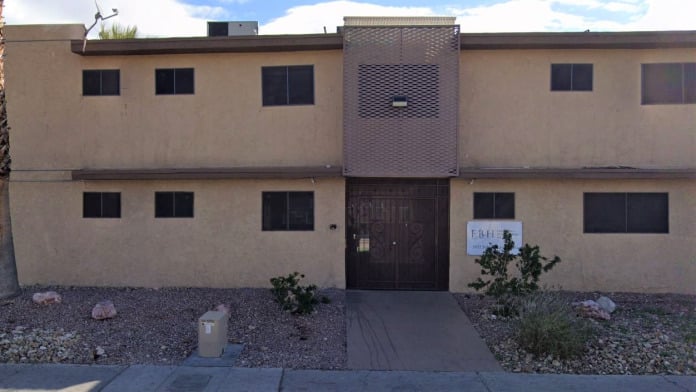
My friend is there, they have two buildings he’s in the one on the left, one is newly remodeled, mostly everyone I have interacted with has been caring. The location: it’s in the hood, it’s not a shiny new building, then they give one star… tips if your unhappy usually it has nothing to do on the outside of you and everything to do on the inside of you probably because you’re unhappy here there and everywhere. Getting Sober is HARD, if you made it there then be thankful you’re not dead, because my friend must have a very qualified guardian angel that’s got him this far.
Went in there to get help. Found out they didn't take my insurance. Took me in anyways on a scholarship! Great people, great staff, great environment! This place literally saved my life. Love and miss you guys!

Rehab Score
 Our Methodology
Scoring is assigned by a proprietary system which helps surface key metrics that determine quality. The 10-point scale factors in categories such as operations, customer satisfaction, and trust metrics. Read Full Methodology

6.7 / 10
Gallery
Other Forms of Payment
Self-pay involves paying for treatment out of your own pocket. You can use savings or credit, get a personal loan, or receive help from family and friends to fund your treatment. If you don't have insurance or your insurance plan doesn't cover a specific program, self-pay can help ensure you still get the care you need.
Private insurance refers to any kind of healthcare coverage that isn't from the state or federal government. This includes individual and family plans offered by an employer or purchased from the Insurance Marketplace. Every plan will have different requirements and out of pocket costs so be sure to get the full details before you start treatment.
Medicaid is a state based program that helps lower-income individuals and families pay for healthcare. Medicaid covers addiction treatment so those enrolled can use their coverage to pay for rehab. When a program accepts Medicaid the client often pays very little or nothing out of their own pocket.
Medicare is a federal program that provides health insurance for those 65 and older. It also serves people under 65 with chronic and disabling health challenges. To use Medicare for addiction treatment you need to find a program that accepts Medicare and is in network with your plan. Out of pocket costs and preauthorization requirements vary, so always check with your provider.
Addiction Treatments
Levels of Care
Intensive Outpatient services are non-residential services for individuals with substance abuse problems or disorders at high intensity on a regularly scheduled basis. Intensive Outpatient services include a minimum of 9 hours of treatment services in a structured environment per week.
Residential inpatient services are designed to provide 24-hour continuous care with moderate intensity, provide a safe and stable living environment and focus on the development of satisfactory and applicable recovery skills in order to prevent relapse and maintain long-term abstinence. In addition, treatment services focus on the effectiveness of rehabilitation using evidence-based practices while addressing educational, social and vocational needs and challenges.
Their Freedom House Sober Living facility is used by addicts recovering from substance abuse, which serves as an interim environment between rehab and a great start to a new clean and sober life. Freedom House's vision grew out of a need to have clean and supportive place for people to live while they were in recovery.
Treatments
The goal of treatment for alcoholism is abstinence. Those with poor social support, poor motivation, or psychiatric disorders tend to relapse within a few years of treatment. For these people, success is measured by longer periods of abstinence, reduced use of alcohol, better health, and improved social functioning. Recovery and Maintenance are usually based on 12 step programs and AA meetings.
When you enter drug rehab in Nevada, you receive professional assistance to remove drugs from your body and cease your body's need for the substance. You learn coping strategies and receive support to prevent relapse and enjoy long-term sobriety.
Many of those suffering from addiction also suffer from mental or emotional illnesses like schizophrenia, bipolar disorder, depression, or anxiety disorders. Rehab and other substance abuse facilities treating those with a dual diagnosis or co-occurring disorder administer psychiatric treatment to address the person's mental health issue in addition to drug and alcohol rehabilitation.
Opioid rehabs specialize in supporting those recovering from opioid addiction. They treat those suffering from addiction to illegal opioids like heroin, as well as prescription drugs like oxycodone. These centers typically combine both physical as well as mental and emotional support to help stop addiction. Physical support often includes medical detox and subsequent medical support (including medication), and mental support includes in-depth therapy to address the underlying causes of addiction.
Substance rehabs focus on helping individuals recover from substance abuse, including alcohol and drug addiction (both illegal and prescription drugs). They often include the opportunity to engage in both individual as well as group therapy.
Programs
Adult rehab programs include therapies tailored to each client's specific needs, goals, and recovery progress. They are tailored to the specific challenges adult clients may face, including family and work pressures and commitments. From inpatient and residential treatment to various levels of outpatient services, there are many options available. Some facilities also help adults work through co-occurring conditions, like anxiety, that can accompany addiction.
Young adulthood can be an exciting, yet difficult, time of transition. Individuals in their late teens to mid-20s face unique stressors related to school, jobs, families, and social circles, which can lead to a rise in substance use. Rehab centers with dedicated young adult programs will include activities and amenities that cater to this age group, with an emphasis on specialized counseling, peer socialization, and ongoing aftercare.
Clinical Services
Research clearly demonstrates that recovery is far more successful and sustainable when loved ones like family members participate in rehab and substance abuse treatment. Genetic factors may be at play when it comes to drug and alcohol addiction, as well as mental health issues. Family dynamics often play a critical role in addiction triggers, and if properly educated, family members can be a strong source of support when it comes to rehabilitation.
Group therapy is any therapeutic work that happens in a group (not one-on-one). There are a number of different group therapy modalities, including support groups, experiential therapy, psycho-education, and more. Group therapy involves treatment as well as processing interaction between group members.
In individual therapy, a patient meets one-on-one with a trained psychologist or counselor. Therapy is a pivotal part of effective substance abuse treatment, as it often covers root causes of addiction, including challenges faced by the patient in their social, family, and work/school life.
Workshop skills needed for today's market with a personality profile. Completing an application online, resume and cover letter and interviewing skills. Researching online for job development and working with employers for job placement and referrals to agencies for vocational training.
Amenities
-
 Residential Setting
 -
 Private Setting
 -
 Wifi
Wifi
Rehab.com regularly reviews this listing for accuracy but changes may occur between updates. For the most up-to-date information, please contact Freedom House Sober Living Las Vegas.
Contact Information

3852 Palos Verde Street
Las Vegas, NV 89119
Get Help Now - 725-291-2755
Sponsored Helpline
Sponsored Helpline


