Get Help Now
Question iconSponsored Helpline
Phone icon 800-641-8351

Healing Transitions – Women’s Campus

3304 Glen Royal Road
Raleigh, NC 27617
Claim Profile
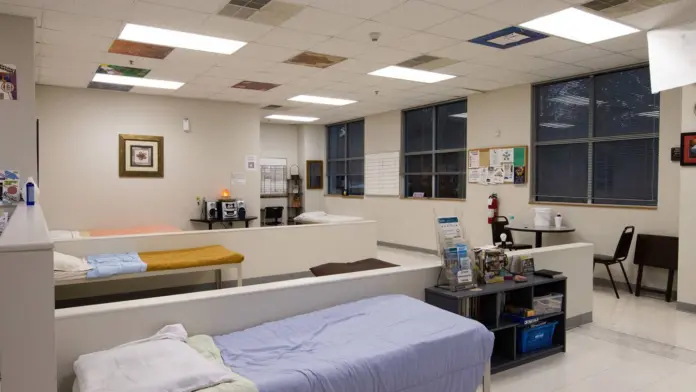
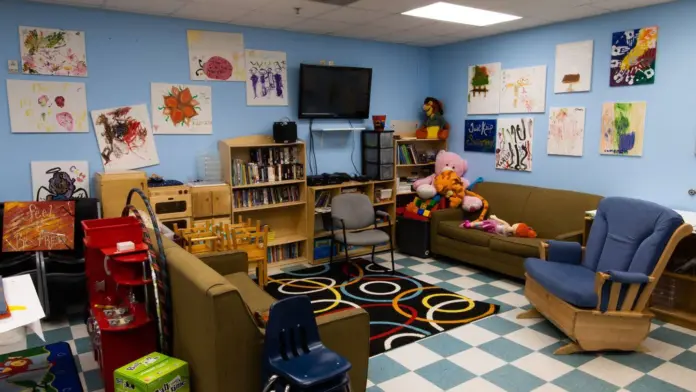
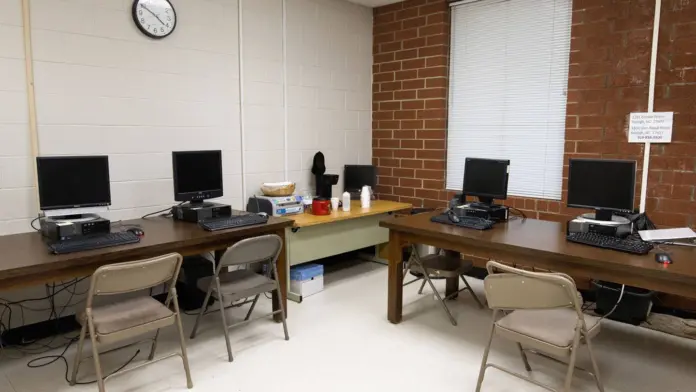
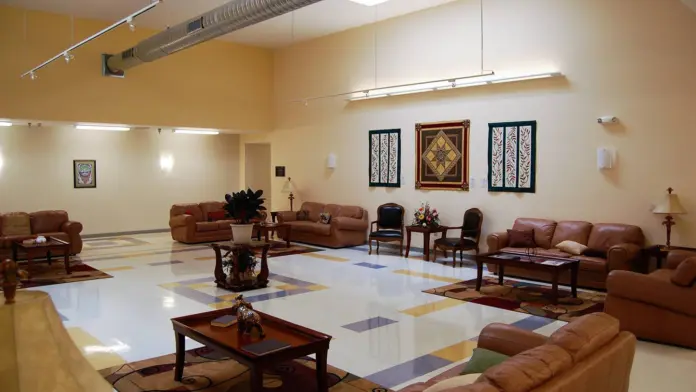
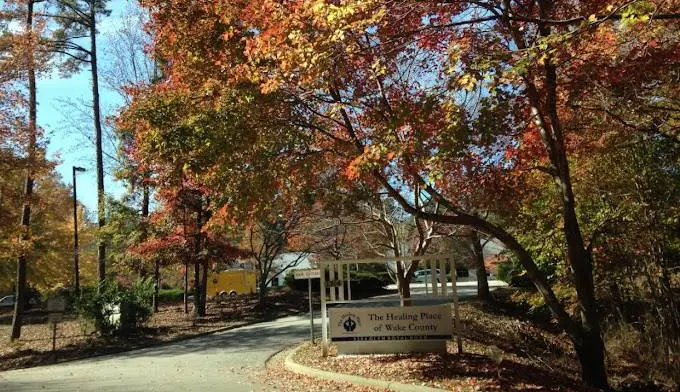
The facilities at Healing Transitions - Women's Campus in Raleigh, NC 5

About Healing Transitions – Women’s Campus

This facility gives you an opportunity to get the help you need in a safe environment with staff and other peers who will help you move forward. Their non medical detox is available 24 hours a day and is an alternative to jail or being out on the street. The team at this facility will conduct an assessment to determine the next best steps for getting you the healing you need.

The housing for women creates a safe, secure and supportive environment for you to focus on your recovery. Depending on your circumstances, such as losing your home or a job, being in an atmosphere of sober living and ongoing recovery can be the best thing for you. While you are a resident, the only requirement is to be active and participate in their long term recovery program. This program helps create exposure to working a 12 step program, handling responsibilities, obtaining employment and service work like assisting in teaching classes and helping others in their recovery.

Fact checked and written by:
Johanna Rafael-Huertas
Edited by:
Kerry Nenn, BSW

Facility Overview

Bed icon 210
Number of Available Beds
Calendar icon 90+'
Avg Length of Stay in Days
Dollar icon $55
Avg Cost per Day

Latest Reviews

You don't need to know Hahah
2 months ago on Google
1
No comment needed
Lilith Morgansan
3 months ago on Google
1
Healing Transitions, drop in shelter At a basic level, it provides a reliable place to sleep and a meal in the evening, which is invaluable for those in immediate need. However, extended exposure to the program reveals structural and cultural issues that deserve thoughtful attention. One recurring concern is the presence of favoritism and inconsistency in how rules are applied. While it is commendable that some staff members are individuals who have successfully completed the program, the implementation of this model appears flawed. Lived experience can be powerful, but it does not automatically translate into the ability to guide others through recovery. In some cases, interactions come across as dismissive or overly generalized phrases like “I went through the same thing” can feel reductive rather than supportive, as recovery is not a one-size-fits-all process. Effective support requires nuanced communication skills and professional training, not just shared experience. There also seems to be a disparity in staff engagement. While some employees demonstrate genuine care and commitment, others appear disengaged or minimally invested. This inconsistency impacts the overall environment and raises questions about hiring practices and staff preparedness for such a sensitive and demanding role. More critically, there are safety concerns that cannot be overlooked. Despite intake procedures such as bag checks, reports of ongoing substance use and even overdoses within the facility are deeply troubling. In a setting designed to support recovery, these incidents suggest gaps in enforcement and oversight. A facility of this nature should be held to a high standard of accountability, particularly when individuals’ lives are at risk. The issue of inconsistent rule enforcement extends further. They rules they enforce are not the ones they should be focused on. There appears to be a stark contrast in how individuals are treated depending on circumstance. For example, those in the drop-in shelter may be asked to leave with little flexibility, while individuals who overdose within the facility may be readmitted without significant consequence. This perceived imbalance can undermine trust in the system and contribute to a sense of inequity among residents. To improve effectiveness, the organization could benefit from a stronger emphasis on professionally trained staff individuals with formal education in addiction counseling, mental health, and trauma-informed care. While peer support has its place, it should complement, not replace, clinical expertise. Additionally, clearer boundaries between different populations within the facility such as separating drop-in shelter residents from those actively engaged in recovery programs could create a more stable and focused environment for both groups. In summary, Healing Transitions fulfills a critical need at a basic level, but its long-term impact is limited by inconsistencies in staff conduct, rule enforcement, and safety protocols. With more structured oversight, professional staffing, and adherence to its own policies, the facility has the potential to become a far more effective and supportive space for recovery. And of course, this wont get a response because every word is true. If the facility cared genuinely or the city raleigh as a whole, things would change. Things should change. I give it a one star, i would give it a negative if it were an option. DO BETTER. BE BETTER.
Bailey
3 months ago on Google
5
I felt like I had family and a lot of support. Learning about addiction and being able to teach it was the best feeling. It's home to me. I miss those women.
Rehab.com icon

Rehab Score

Question iconOur Methodology
Scoring is assigned by a proprietary system which helps surface key metrics that determine quality. The 10-point scale factors in categories such as operations, customer satisfaction, and trust metrics. Read Full MethodologyCaret icon
Gauge icon
6.9 / 10

Other Forms of Payment

Private insurance refers to any kind of healthcare coverage that isn't from the state or federal government. This includes individual and family plans offered by an employer or purchased from the Insurance Marketplace. Every plan will have different requirements and out of pocket costs so be sure to get the full details before you start treatment.

Self-pay involves paying for treatment out of your own pocket. You can use savings or credit, get a personal loan, or receive help from family and friends to fund your treatment. If you don't have insurance or your insurance plan doesn't cover a specific program, self-pay can help ensure you still get the care you need.

free iconFree

Addiction Treatments

Levels of Care

Residential treatment programs are those that offer housing and meals in addition to substance abuse treatment. Rehab facilities that offer residential treatment allow patients to focus solely on recovery, in an environment totally separate from their lives. Some rehab centers specialize in short-term residential treatment (a few days to a week or two), while others solely provide treatment on a long-term basis (several weeks to months). Some offer both, and tailor treatment to the patient's individual requirements.

Drug and alcohol addiction often takes a heavy toll on one's body. Over time, a physical dependence can develop, meaning the body physiologically needs the substance to function. Detox is the process of removing drugs and/or alcohol from the body, a process that can be lethal if mismanaged. Medical detox is done by licensed medical professionals who monitor vital signs and keep you safe, healthy, and as comfortable as possible as you go through detox and withdrawal.

12-step programs are addiction recovery models based on Alcoholics Anonymous (AA). A number of substance abuse programs (including some drug and alcohol rehab centers) use the 12 steps as a basis for treatment. Beginning steps involve admitting powerlessness over the addiction and creating a spiritual basis for recovery. Middle steps including making direct amends to those who've been hurt by the addiction, and the final step is to assist others in addiction recovery in the same way. 12-Step offshoots including Narcotics Anonymous (NA), Cocaine Anonymous (CA), Dual Recovery Anonymous (DRA), Sex and Love Addicts Anonymous (SLAA) and Gamblers Anonymous (GA).

Treatments

The goal of treatment for alcoholism is abstinence. Those with poor social support, poor motivation, or psychiatric disorders tend to relapse within a few years of treatment. For these people, success is measured by longer periods of abstinence, reduced use of alcohol, better health, and improved social functioning. Recovery and Maintenance are usually based on 12 step programs and AA meetings.

There are many types of drug rehab in North Carolina. To receive treatment for addiction, you can choose from many inpatient and outpatient programs. Often, participants start with detox and work through a full continuum of care that continues with ongoing support for long-term recovery.

Opioid rehabs specialize in supporting those recovering from opioid addiction. They treat those suffering from addiction to illegal opioids like heroin, as well as prescription drugs like oxycodone. These centers typically combine both physical as well as mental and emotional support to help stop addiction. Physical support often includes medical detox and subsequent medical support (including medication), and mental support includes in-depth therapy to address the underlying causes of addiction.

Substance rehabs focus on helping individuals recover from substance abuse, including alcohol and drug addiction (both illegal and prescription drugs). They often include the opportunity to engage in both individual as well as group therapy.

Programs

Adult rehab programs include therapies tailored to each client's specific needs, goals, and recovery progress. They are tailored to the specific challenges adult clients may face, including family and work pressures and commitments. From inpatient and residential treatment to various levels of outpatient services, there are many options available. Some facilities also help adults work through co-occurring conditions, like anxiety, that can accompany addiction.

Young adulthood can be an exciting, yet difficult, time of transition. Individuals in their late teens to mid-20s face unique stressors related to school, jobs, families, and social circles, which can lead to a rise in substance use. Rehab centers with dedicated young adult programs will include activities and amenities that cater to this age group, with an emphasis on specialized counseling, peer socialization, and ongoing aftercare.

Rehabs for women provide a safe, nurturing space for female clients to heal. These treatment programs consider the specific obstacles that women can face during recovery and place a special emphasis on mental, social, physical, and reproductive health. They explore how each woman's experience has shaped the trajectory of their substance use, addressing issues such as sexual abuse and past trauma.

Clinical Services

Research clearly demonstrates that recovery is far more successful and sustainable when loved ones like family members participate in rehab and substance abuse treatment. Genetic factors may be at play when it comes to drug and alcohol addiction, as well as mental health issues. Family dynamics often play a critical role in addiction triggers, and if properly educated, family members can be a strong source of support when it comes to rehabilitation.

Group therapy is any therapeutic work that happens in a group (not one-on-one). There are a number of different group therapy modalities, including support groups, experiential therapy, psycho-education, and more. Group therapy involves treatment as well as processing interaction between group members.

In individual therapy, a patient meets one-on-one with a trained psychologist or counselor. Therapy is a pivotal part of effective substance abuse treatment, as it often covers root causes of addiction, including challenges faced by the patient in their social, family, and work/school life.

Life skills trainings involve all the skills a person must have in order to function successfully in the world. These include time management, career guidance, money management, and effective communication. Truly successful addiction recovery is based on the ability to not only live substance-free, but to thrive. Life skills teaches the practical necessities of functioning in society, which sets clients up for success in life, and therefore sobriety.

Amenities

  • private-room iconPrivate Rooms

Staff

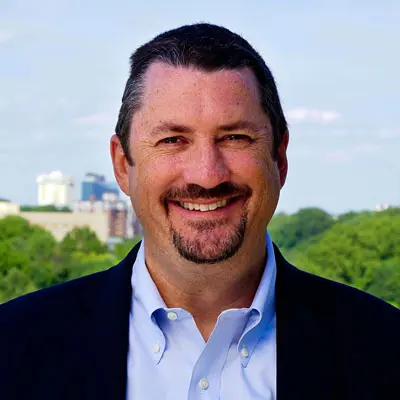
Chris Budnick

Executive Director

Amanda Blue

Director of Programs

Deborah Foshee

Director of Operations
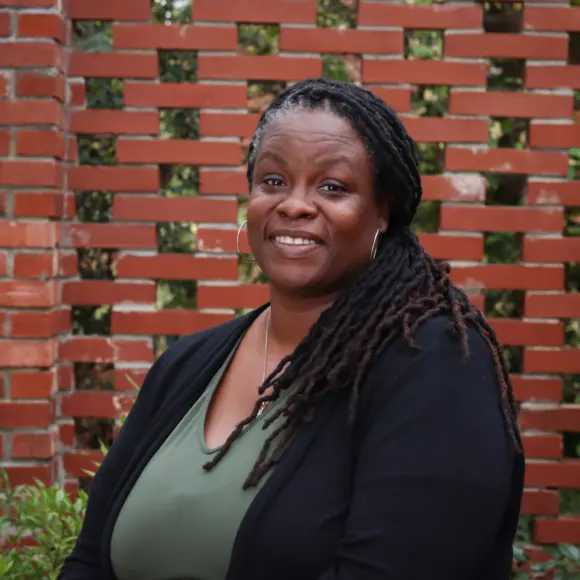
Tracy Freeman-Hines

Women’s Director of Recovery Services
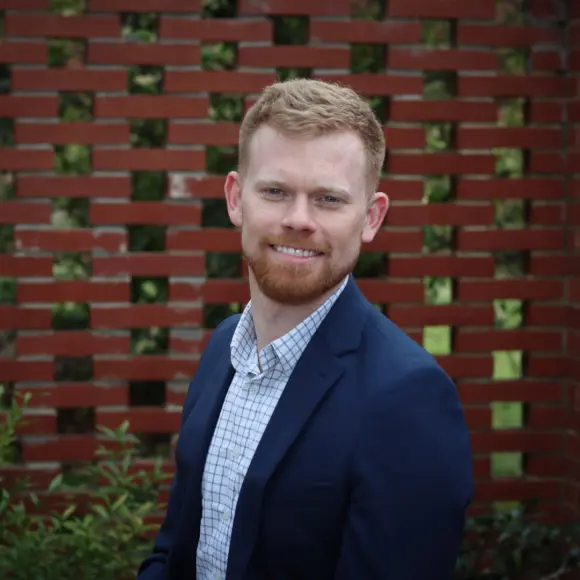
Justin Garrity

Men’s Director of Recovery Services
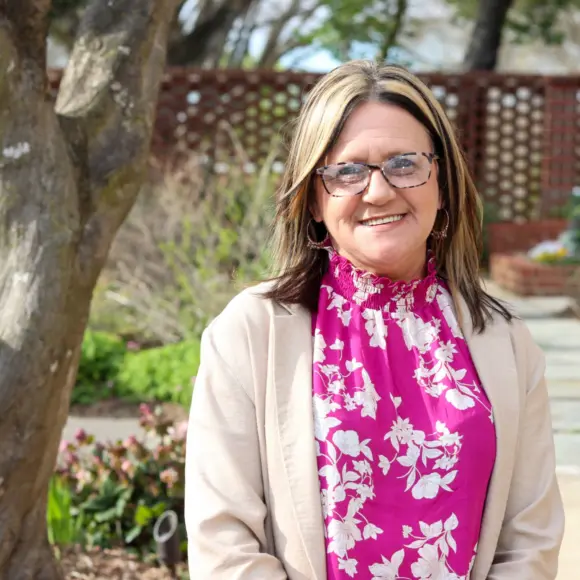
Dana Marseglia, CADC

Director of Detox Services

Rehab.com regularly reviews this listing for accuracy but changes may occur between updates. For the most up-to-date information, please contact Healing Transitions – Women’s Campus.

Contact Information

Building icon

3304 Glen Royal Road
Raleigh, NC 27617

Explore Other Centers Near Raleigh

Reviews of Healing Transitions – Women’s Campus

4.35/5 (143 reviews)
0
Staff
0
Amenities
0
Meals
0
Value
0
Cleanliness
5
108
4
11
3
6
2
6
1
15

Reviews

Overall Experience
Date Submitted
Reviewer

Google Reviews

4.35 (143 reviews)
Betty jo kroon
1 month ago
5

You don't need to know Hahah
2 months ago
1

No comment needed

Courtney Morgan_Monjaras
2 months ago
5

Lilith Morgansan
3 months ago
1

Healing Transitions, drop in shelter At a basic level, it provides a reliable place to sleep and a meal in the evening, which is invaluable for those in immediate need. However, extended exposure to the program reveals structural and cultural issues that deserve thoughtful attention. One recurring concern is the presence of favoritism and inconsistency in how rules are applied. While it is commendable that some staff members are individuals who have successfully completed the program, the implementation of this model appears flawed. Lived experience can be powerful, but it does not automatically translate into the ability to guide others through recovery. In some cases, interactions come across as dismissive or overly generalized phrases like “I went through the same thing” can feel reductive rather than supportive, as recovery is not a one-size-fits-all process. Effective support requires nuanced communication skills and professional training, not just shared experience. There also seems to be a disparity in staff engagement. While some employees demonstrate genuine care and commitment, others appear disengaged or minimally invested. This inconsistency impacts the overall environment and raises questions about hiring practices and staff preparedness for such a sensitive and demanding role. More critically, there are safety concerns that cannot be overlooked. Despite intake procedures such as bag checks, reports of ongoing substance use and even overdoses within the facility are deeply troubling. In a setting designed to support recovery, these incidents suggest gaps in enforcement and oversight. A facility of this nature should be held to a high standard of accountability, particularly when individuals’ lives are at risk. The issue of inconsistent rule enforcement extends further. They rules they enforce are not the ones they should be focused on. There appears to be a stark contrast in how individuals are treated depending on circumstance. For example, those in the drop-in shelter may be asked to leave with little flexibility, while individuals who overdose within the facility may be readmitted without significant consequence. This perceived imbalance can undermine trust in the system and contribute to a sense of inequity among residents. To improve effectiveness, the organization could benefit from a stronger emphasis on professionally trained staff individuals with formal education in addiction counseling, mental health, and trauma-informed care. While peer support has its place, it should complement, not replace, clinical expertise. Additionally, clearer boundaries between different populations within the facility such as separating drop-in shelter residents from those actively engaged in recovery programs could create a more stable and focused environment for both groups. In summary, Healing Transitions fulfills a critical need at a basic level, but its long-term impact is limited by inconsistencies in staff conduct, rule enforcement, and safety protocols. With more structured oversight, professional staffing, and adherence to its own policies, the facility has the potential to become a far more effective and supportive space for recovery. And of course, this wont get a response because every word is true. If the facility cared genuinely or the city raleigh as a whole, things would change. Things should change. I give it a one star, i would give it a negative if it were an option. DO BETTER. BE BETTER.

Overall Experience
Date Submitted
No reviews matching the selected filter!
Get Help Now
Question iconSponsored Helpline
Phone icon 800-641-8351
Left arrow iconBack

Write a review for Healing Transitions – Women’s Campus

Sharing your insights and experiences can help others learn more about this rehab center.

Title of Your Review
This is a required field
Your Review

Reviews comments must comply with our Review Policy Content Standards. Please do not use names (job titles / positions are acceptable) of any individual or identifying features, abusive remarks, or allegations of negligence or criminal activity.

A minimum of 200 characters and max of 2,000 characters required.
This is a required field
How would you rate the facility on the following?*
Overall Experience
Must select a star rating
Accomodations & Amenities
Must select a star rating
Meals & Nutrition
N/A
Must select a star rating
Treatment Effectiveness
Must select a star rating
Admissions Process
Must select a star rating
Staff & Friendliness
Must select a star rating
Cleanliness
Must select a star rating
Value for Cost
Must select a star rating
What is your connection to this facility?
This is a required field
Your Name*
This is a required field
Your Email*
This is a required field
Spinner icon Submitting your review...
Thumbs up icon Your review was successfully submitted.

Nearby Featured Providers

Get Help Today Phone icon 800-847-1418
Question iconSponsored Helpline