





























































































My daughter spent almost 4 months as a resident here and the change in her was amazing. There is no pressure to leave after a certain period of time. When you are ready, you are ready. And they are extremely helpful in getting your life restarted with bridge housing, outpati ...
About Impact Drug and Alcohol Treatment Center
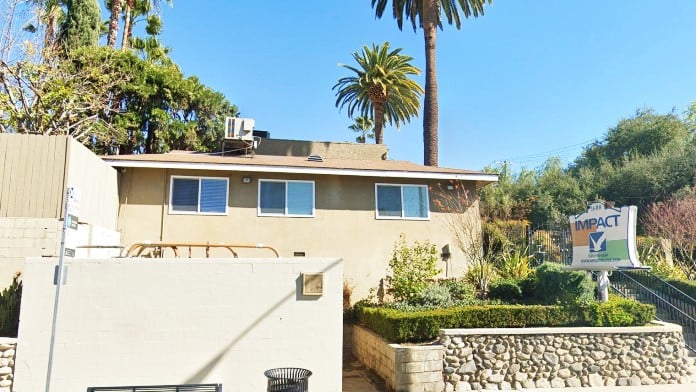
The organization started in 1969 with the idea of peers helping each other heal and recover. Today the facility is accredited by the Joint Commission and has a license from the state of California. They are one of the few providers in Los Angeles County that offers drug court services. Impact Drug and Alcohol Treatment Center strives to provide their clients with up-to-date therapeutic techniques and a diverse range of evidence-based practices.
During detox, staff members will provide around-the-clock care and help to alleviate the symptoms of withdrawal. It should be noted that this facility does not offer a medical detox program but if it is necessary then they can refer clients to organizations they partner with.
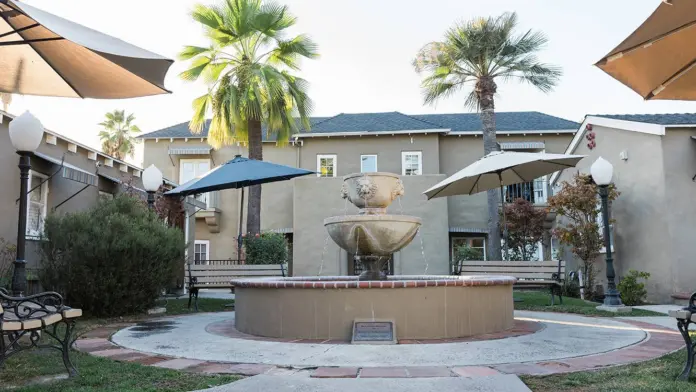
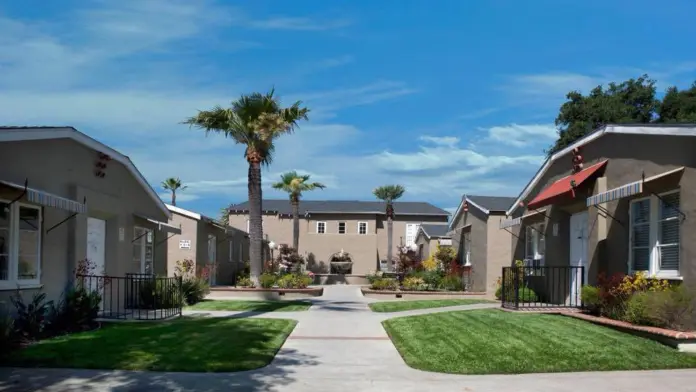
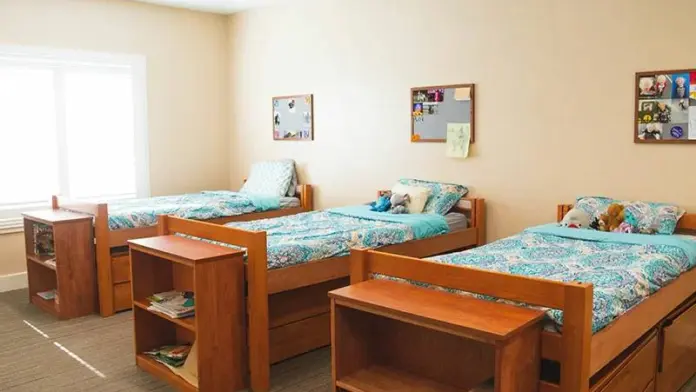
After medical detox, clients can return to the program at Impact for continued treatment. In residential treatment, patients will receive clinical, psychological and therapeutic services. These services include individual and group therapy sessions, dual diagnosis treatment and therapeutic activities such as yoga and sports.
The program at Impact that stands out the most to me is its court services. Incarcerated clients accepted to drug court receive addiction treatment typically as a condition for release. The program lasts about nine to 15 months, with patients generally beginning in residential treatment and eventually transitioning to outpatient treatment. If the client is successful in the program then they may be able to have their sentence reduced or dismissed.
Facility Overview
 130
130 Number of Available Beds
Latest Reviews
My honest experience with Impact. Overall the staff are good people. I can tell they are there because they care for people and their recovery. However, when it comes to holistic, non-Western medicine modalities & healing practices, they are not very accommodating.
It is a place where you have to surrender your ego in order to be cooperative and adhere to their approach to recovery and scheduled activities.
I was in psychosis during detox, their medication helped alleviate symptoms of my withdrawls. However, my psychosis was getting worse. They sent me to a psychiatrist for an evaluation, and synchronistically there was an add on the TV in the waiting room for a new anti-depressant. Following the add for the medication was the side effects, which included thoughts of suicide.
That was already occurring. My intuition told me to refrain from fulfilling a prescription to any medication.
Had I’d had the option for Ayurvedic or any kind of traditional herbal medicine, I believe my symptoms would have gone away, or at least alleviated significantly.
I don’t believe anyone should get special treatment that’s superior to the other. However, I do feel it should be ok for them to have a bit more of an individualistic approach to each persons needs for their recovery. I began to feel much disdain from staff and fellow residents for expressing my needs.
I think it is a result of their program having limited financial resources. Although, it doesn’t appear that way when you see a parking lot full a luxury and brand new vehicles that many of the staff drive.
Although I am happy that the staff can afford a decent living, if it affects the accommodation in any way, it doesn’t appear like a place that is willing to adjust their methods to support individuals in various age groups, treat substances of choice accordingly, or offer alternative medicine. Or at the very least offer brain regenerating supplements upon request to help with brain regeneration and returning one’s body to baseline/homeostasis.
However, please note that if you need rehab, it will save your life to go and have a bed to sleep with wonderful meals made with love. Please don’t let my review prevent you from doing what you have to do to save your life.
I was homeless and needed a detox and I am grateful for the fact that they take Medical and offer their services. They can and will help those in need for sure.
Herbs have helped me tremendously but not having a safe home caused me to resort to destroying myself with drugs. I’ve had many friends die that I’ve met in 12 steps programs so I stopped going many years back. However, it works if you work it.
I had a very positive experience with this treatment center and am truly grateful for the support and care I received. From the beginning, I felt welcomed, respected, and treated like a person rather than just another client. The staff were caring, understanding, and supportive throughout my time there.
This treatment center gave me a safe and encouraging environment where I could focus on myself, learn, grow, and work toward making positive changes in my life. The staff showed compassion and genuinely seemed to care about my progress and well-being.
I would highly recommend this treatment center to anyone who is ready to make a change and is looking for a place where they can feel supported along the way. My experience here meant a lot to me, and I am thankful for everyone who played a part in my journey. Five stars and definitely recommended!
This program was hard but it changed my life

Rehab Score
 Our Methodology
Scoring is assigned by a proprietary system which helps surface key metrics that determine quality. The 10-point scale factors in categories such as operations, customer satisfaction, and trust metrics. Read Full Methodology

7.7 / 10
Gallery
Accepted Insurance

Managed Health Network (MHN)

L.A. Care
Holman Group
Other Forms of Payment
Private insurance refers to any kind of healthcare coverage that isn't from the state or federal government. This includes individual and family plans offered by an employer or purchased from the Insurance Marketplace. Every plan will have different requirements and out of pocket costs so be sure to get the full details before you start treatment.
Self-pay involves paying for treatment out of your own pocket. You can use savings or credit, get a personal loan, or receive help from family and friends to fund your treatment. If you don't have insurance or your insurance plan doesn't cover a specific program, self-pay can help ensure you still get the care you need.
Financial aid can take many forms. Centers may have grants or scholarships available to clients who meet eligibility requirements. Programs that receive SAMHSA grants may have financial aid available for those who need treatment as well. Grants and scholarships can help you pai for treatment without having to repay.
Sliding scale payments are based on a client's income and family size. The goal is to make treatment affordable to everyone. By taking these factors into account, addiction recovery care providers help ensure that your treatment does not become a financial burden to you or your family, eliminating one barrier to care.
Addiction Treatments
Levels of Care
Outpatient Programs (OP) are for those seeking mental rehab or drug rehab, but who also stay at home every night. The main difference between outpatient treatment (OP) and intensive outpatient treatment (IOP) lies in the amount of hours the patient spends at the facility. Most of the time an outpatient program is designed for someone who has completed an inpatient stay and is looking to continue their growth in recovery. Outpatient is not meant to be the starting point, it is commonly referred to as aftercare.
Inpatient rehab provides intensive treatment for clients exiting detox, those in early recovery, and those at an elevated risk of relapse. Unlike outpatient drug rehab, clients receiving inpatient care reside at the facility for the duration of the program. The length of stay may range from two weeks to 18 months or more, depending on the client's needs and the program's design. Inpatient treatment typically involves extensive addiction education and recovery-focused life skills training.
Intensive outpatient programs (IOP) support a client's sustained sobriety as they exit detox or step down from an inpatient program. IOPs are also designed for clients who are at an elevated risk of relapse. Intensive outpatient treatment typically requires clients to engage in a minimum of nine hours of therapy per week, but clients may receive up to 20 therapeutic hours weekly. IOP treatment modalities often combine psychotherapy, recovery-focused life skills training, and medication assisted treatment (MAT).
Rehab aftercare programs offer clients in addiction recovery a robust continuum of care after clients have completed active treatment. These services address recovery as a life-long process and are designed to evolve with clients' changing needs. Clients may partner with their case managers and/or addiction recovery team to identify the rehab aftercare services that are right for them. They may receive career counseling, housing assistance, peer coaching, 12 step program induction, among many other services.
Participants engaged in 12 step programs receive intensive peer coaching (sponsorship) and community support. Spiritual development as a means of achieving psychological and emotional healing and growth is the cornerstone of 12 step recovery, but religious affiliations are not required. Meetings are free, anonymous, and open to the public, though specialized formats are available, including groups for seniors, teens, and family members. Evening, night, and day meetings are conducted year-round in most communities.
Sober Living Houses (SLHs), aka sober homes or halfway houses, are safe, substance-free, supportive living facilities for those recovering from substance abuse. Ideal for those who've just been through inpatient or outpatient treatment, SLHs are supervised environments with rules that support sobriety, such as curfews, shared chores, and therapeutic meetings. Residents are also often trained on life skills and coping skills to make it easier to transition into society. SLHs also provide a strong sense of community that can lead to the kind of deep and lasting connections with other sober individuals that supports a new, healthy lifestyle.
Commonly known as "day treatment," a partial hospitalization program (PHP) is an intensive form of outpatient treatment where clients meet during the day and return home in the evening. PHP treatment doesn't require 24-hour care and often serves as an alternative to inpatient hospitalization or a step-down after a residential program. With PHP treatment, you can receive daily support for 6 to 8 hours which includes evidence-based therapies and medication management. The cost of PHP treatment typically varies but averages 90 days.
Drug and alcohol addiction often takes a heavy toll on one's body. Over time, a physical dependence can develop, meaning the body physiologically needs the substance to function. Detox is the process of removing drugs and/or alcohol from the body, a process that can be lethal if mismanaged. Medical detox is done by licensed medical professionals who monitor vital signs and keep you safe, healthy, and as comfortable as possible as you go through detox and withdrawal.
During the first phase of recovery – detox – it is crucial to have 24-hour clinical care in California. This care provides constant monitoring in order to ensure your safely and comfort as you progress through the withdrawal process for drug or alcohol addiction. Licensed professionals prescribe medications to treat withdrawal symptoms and provide frequent monitoring to ensure your safely as addictive toxins leave your system.
Treatments
The goal of treatment for alcoholism is abstinence. Those with poor social support, poor motivation, or psychiatric disorders tend to relapse within a few years of treatment. For these people, success is measured by longer periods of abstinence, reduced use of alcohol, better health, and improved social functioning. Recovery and Maintenance are usually based on 12 step programs and AA meetings.
Drug rehab in California teaches participants constructive ways to stay clean and sober. Treatment revolves around helping individuals stop using the substance they are addicted to and learn healthy habits to avoid relapse.
Many of those suffering from addiction also suffer from mental or emotional illnesses like schizophrenia, bipolar disorder, depression, or anxiety disorders. Rehab and other substance abuse facilities treating those with a dual diagnosis or co-occurring disorder administer psychiatric treatment to address the person's mental health issue in addition to drug and alcohol rehabilitation.
Opioid rehabs specialize in supporting those recovering from opioid addiction. They treat those suffering from addiction to illegal opioids like heroin, as well as prescription drugs like oxycodone. These centers typically combine both physical as well as mental and emotional support to help stop addiction. Physical support often includes medical detox and subsequent medical support (including medication), and mental support includes in-depth therapy to address the underlying causes of addiction.
Substance rehabs focus on helping individuals recover from substance abuse, including alcohol and drug addiction (both illegal and prescription drugs). They often include the opportunity to engage in both individual as well as group therapy.
Programs
Adult rehab programs include therapies tailored to each client's specific needs, goals, and recovery progress. They are tailored to the specific challenges adult clients may face, including family and work pressures and commitments. From inpatient and residential treatment to various levels of outpatient services, there are many options available. Some facilities also help adults work through co-occurring conditions, like anxiety, that can accompany addiction.
Young adulthood can be an exciting, yet difficult, time of transition. Individuals in their late teens to mid-20s face unique stressors related to school, jobs, families, and social circles, which can lead to a rise in substance use. Rehab centers with dedicated young adult programs will include activities and amenities that cater to this age group, with an emphasis on specialized counseling, peer socialization, and ongoing aftercare.
Clinical Services
Cognitive behavioral therapy in California is a method that therapists often use for the effective treatment of substance use disorders. It is based on the principle that substance abuse stems from unhelpful ways of thinking and patterns of behavior, which can be changed by helping the individual learn better ways of coping.
Group therapy is any therapeutic work that happens in a group (not one-on-one). There are a number of different group therapy modalities, including support groups, experiential therapy, psycho-education, and more. Group therapy involves treatment as well as processing interaction between group members.
Individual therapy for drug addiction includes a customized treatment plan that considers your history and life circumstances. During your therapy sessions, the therapist helps you uncover underlying issues and triggers for addictive behavior that support a holistic approach to recovery.
For clients who are struggling with ambivalence toward change, motivational interviewing in California can help strengthen their commitment to change. Using a conversational method, the therapist helps you explore your motivations and empowers you to make the changes you desire.
The goal of couples therapy in California is to strengthen the couple's relationship. The therapist may take one or more approaches to counseling which may include the Gottman method, emotionally focused therapy, behavioral therapy, and psychodynamic couple's therapy.
Research clearly demonstrates that recovery is far more successful and sustainable when loved ones like family members participate in rehab and substance abuse treatment. Genetic factors may be at play when it comes to drug and alcohol addiction, as well as mental health issues. Family dynamics often play a critical role in addiction triggers, and if properly educated, family members can be a strong source of support when it comes to rehabilitation.
Amenities
-
 Gym
Gym -
 Residential Setting
 -
 Private Rooms
Staff & Accreditations
Staff
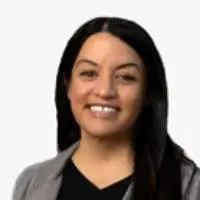
Christina Gonzales
Executive Director

Ryan Jacobs
Chief Operating Officer

Christopher Nova
Chief Program Officer
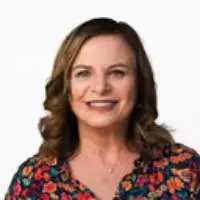
Bernadette Ammann
Director of Human Resources
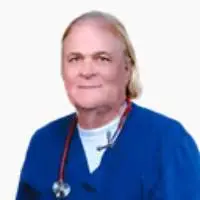
Michael D Stone, DO
Medical Director
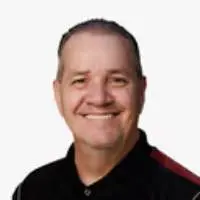
Mark Paquet
Admissions Manager
Accreditations

State Licenses are permits issued by government agencies that allow rehab organizations to conduct business legally within a certain geographical area. Typically, the kind of program a rehab facility offers, along with its physical location, determines which licenses are required to operate legally.
State License: California

The Joint Commission, formerly known as JCAHO, is a nonprofit organization that accredits rehab organizations and programs. Founded in 1951, the Joint Commision's mission is to improve the quality of patient care and demonstrating the quality of patient care.
Joint Commission Accreditation: Yes
Rehab.com regularly reviews this listing for accuracy but changes may occur between updates. For the most up-to-date information, please contact Impact Drug and Alcohol Treatment Center.
Contact Information

1680 North Fair Oaks Avenue
Pasadena, CA 91103
Get Help Now - 213-584-2127
Sponsored Helpline
Sponsored Helpline



