










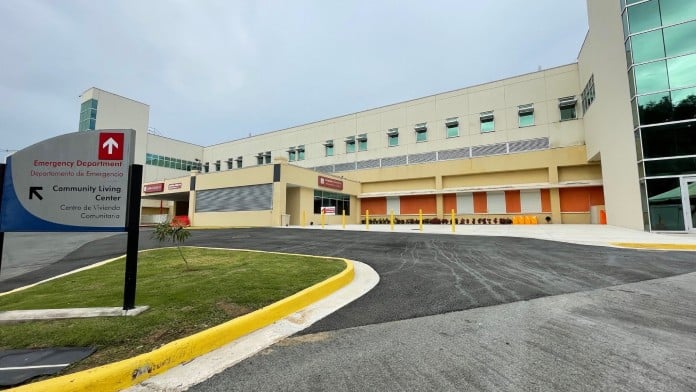
VA Caribbean Healthcare System - Arecibo CBOC
1
Top 10 Rehab Centers In Arecibo






















































































 Our Methodology


Medicaid is a state based program that helps lower-income individuals and families pay for healthcare. Medicaid covers addiction treatment so those enrolled can use their coverage to pay for rehab. When a program accepts Medicaid the client often pays very little or nothing out of their own pocket.
Medicare is a federal program that provides health insurance for those 65 and older. It also serves people under 65 with chronic and disabling health challenges. To use Medicare for addiction treatment you need to find a program that accepts Medicare and is in network with your plan. Out of pocket costs and preauthorization requirements vary, so always check with your provider.
Military members, veterans, and eligible dependents have access to specific insurance programs that help them get the care they need. TRICARE and VA insurance can help you access low cost or no cost addiction and mental health treatment. Programs that accept military insurance often have targeted treatment focused on the unique challenges military members, veterans, and their families face.
Outpatient Programs (OP) are for those seeking mental rehab or drug rehab, but who also stay at home every night. The main difference between outpatient treatment (OP) and intensive outpatient treatment (IOP) lies in the amount of hours the patient spends at the facility. Most of the time an outpatient program is designed for someone who has completed an inpatient stay and is looking to continue their growth in recovery. Outpatient is not meant to be the starting point, it is commonly referred to as aftercare.
12-step programs are addiction recovery models based on Alcoholics Anonymous (AA). A number of substance abuse programs (including some drug and alcohol rehab centers) use the 12 steps as a basis for treatment. Beginning steps involve admitting powerlessness over the addiction and creating a spiritual basis for recovery. Middle steps including making direct amends to those who've been hurt by the addiction, and the final step is to assist others in addiction recovery in the same way. 12-Step offshoots including Narcotics Anonymous (NA), Cocaine Anonymous (CA), Dual Recovery Anonymous (DRA), Sex and Love Addicts Anonymous (SLAA) and Gamblers Anonymous (GA).
Completing a drug or alcohol rehab program shouldn't spell the end of substance abuse treatment. Aftercare involves making a sustainable plan for recovery, including ongoing support. This can include sober living arrangements like halfway houses, career counseling, and setting a patient up with community programs like Alcoholics Anonymous (AA) or Narcotics Anonymous (NA).
Substance rehabs focus on helping individuals recover from substance abuse, including alcohol and drug addiction (both illegal and prescription drugs). They often include the opportunity to engage in both individual as well as group therapy.
Cognitive Behavioral Therapy (CBT) is a therapy modality that focuses on the relationship between one's thoughts, feelings, and behaviors. It is used to establish and allow for healthy responses to thoughts and feelings (instead of unhealthy responses, like using drugs or alcohol). CBT has been proven effective for recovering addicts of all kinds, and is used to strengthen a patient's own self-awareness and ability to self-regulate. CBT allows individuals to monitor their own emotional state, become more adept at communicating with others, and manage stress without needing to engage in substance abuse.
Motivational Interviewing (MI) is a clinical approach to helping people with substance abuse issues and other conditions shift behavior in positive ways. It is more goal-oriented than traditional psychotherapy, as MI counselors directly attempt to get clients to consider making behavioral change (rather than wait for them to come to conclusions themselves). Its primary purpose is to resolve ambivalence and help clients become able to make healthy choices freely.

Founder
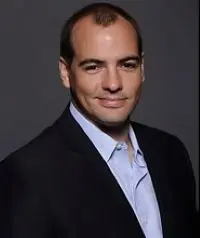
CEO

CFO
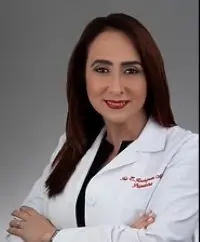
Medical Director

Director of Commercial Operations

Director of Clinical Operations
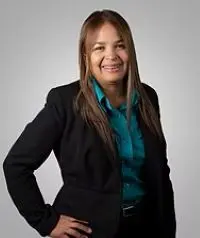
Director of Human Resources
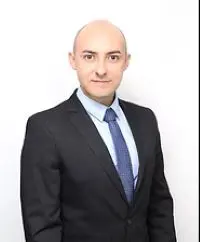
Quality Director
Rehab.com regularly reviews this listing for accuracy but changes may occur between updates. For the most up-to-date information, please contact INSPIRA Caguas.

Consolidated Mall Local B-5
Avenida Jose Gautier Benitez
Cidra, PR 00725
Sponsored Helpline

Absolutamente negligente de parte de las secretarias y psiquiatra Cordova. Para ver a la psiquiatra me han cancelado como tres veces. Cuando por fin le da la gana de verme, es la persona más antipática que he conocido. Las citas duran menos de 5 minutos. Adicionalmente, yo cambie de plan de gobierno a privado. Mi plan no me cubría todo porque necesita pre-autorizacion. He estado en la lucha por ya más de una semana. Se han dejado notas, casi todos los días para que la doctora haga la gestión. La primera vez que llamé para informarles de la pre-autorización me contestó una secretaria con actitud diciendo que la doctora no tenía tiempo para eso. Absolutamente decepcionante. Este es la salud de la comunidad. Puede ser que yo tenga problemas mentales pero ellas han perdido la visión. Los únicos que han sido buenos conmigo han sido el Dr. Perez y la psicóloga Keysha. Gracias a ellos dos.

Si pudiera, les calificaba con 0 estrellas… Llamé en junio 23 2026 para hacer cita con una psiquiatra porque por el plan no me querían despachar un medicamento para mi fibromialgia que mi reumatólogo maneja desde 1983 si no era recetado por una siquiatra. Me dieron cita para evaluación con trabajadora social o sicóloga el 24 de julio de 2026 y en esa cita determinarían que siquiatra me atendería. Ayer 23 de julio 2026 llamé para asegurarme de que me atenderían porque habían dado el día libre pero me aseguraron que estaba confirmada. Llego a mi cita y la secretaria me dice que la Dra. Sharon Figueroa no estaba pero me asignaba otra. Y me mencionó en ese momento que las citas con la siquiatra estaban para noviembre!!!! Qué clase de abuso y falta de ética profesional es ésto??? Menos mal que yo no soy una paciente en crisis o suicida! Me da mucho coraje por la manera en que tratan a las personas en este país. Si tengo una queja o preocupación me dicen que llame a Inspira pero quien fiscaliza y evalúa el funcionamiento de esta organización? Es como el cabro velando las lechugas🤬De veras que tuve que sacar el tiempo para escribir ésto porque me consta y sé que pasa mucho. ¿Cómo pueden mejorar esta situación? Es TOTALMENTE INACEPTABLE Y ES INHUMANO APARTE DE ABUSIVO. Espero este mensaje llegue donde puedan tomar acción y mejorar la situación. Yo seguiré buscando ayuda pero me preocupa aquellos que no tienen los medios ni de transporte, ni dinero, ni accesibilidad a los servicios de salud. ¿QUÉ NOS PASA PUERTO RICO?🇵🇷 Dra. Denise De Vore Borrego

Pésimo servicio discrimen todo el tiempo

Mal servicio! Hice cita por tel. y no me explicaron detalles de visita inicial. Tienen un call center que al parecer no está en sincronía con oficina. Que pérdida de tiempo. Para muestra... un botón. No lo recomiendo
 Back
Back
Sharing your insights and experiences can help others learn more about this rehab center.


