











Elevate Addiction Services
1
Top 10 Rehab Centers In Watsonville



















































































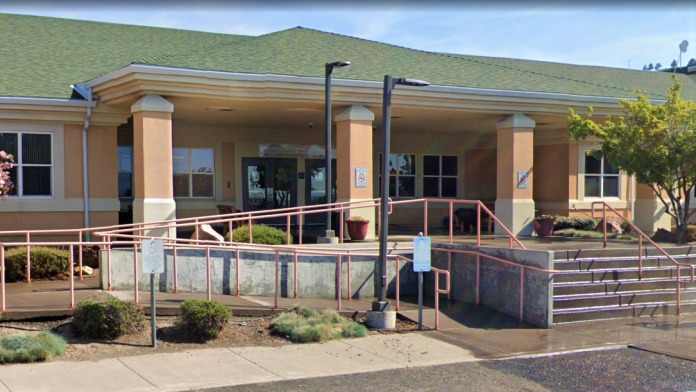
Since 1980, Klamath Basin Behavioral Health (KBBH) has provided mental healthcare, including addiction treatment to individuals and families throughout Southern Oregon. They’re located in Klamath Falls, surrounded by mountains and lakes, the perfect peaceful backdrop for starting recovery.
Cost shouldn’t stand in the way of getting help. Several insurance plans are accepted here and they support Oregon Health Plan members. They also offer sliding scale fees, so that no one is turned away because of finances.
Addiction is a tough challenge. Usually, the whole family needs help and that’s why they focus on personalized care. Their outpatient treatment and family therapy programs are trauma informed, which means they can help everyone heal from the past while working toward a healthier future.
One of the tools they use is Cognitive Behavioral Therapy (CBT), which helps people recognize and change negative thinking patterns that can make recovery harder.
For some people, the idea of sitting around in a group talking about their problems is uncomfortable at best, but group therapy isn’t something to fear. It’s a great place for people to be themselves and connect with people who are facing similar challenges.
They have specific groups for men and women, and topics range from mindfulness and relapse prevention to parenting in recovery. Everyone is in this together, supporting one another!
Their Jail Diversion/Co-Occurring Services program is designed to help individuals in the corrections system. The program focuses on mental health and substance use support. Clients are screened to make sure they get the care they need, and a case manager helps connect them to recovery resources.
Located at Klamath Community Corrections and Klamath County Jail, the program offers a unique opportunity for a fresh start.
KBBH’s comprehensive, person centered approach provides a real opportunity for anyone ready to take the first step toward a healthier, more hopeful future.






 Our Methodology


Medicaid is a state based program that helps lower-income individuals and families pay for healthcare. Medicaid covers addiction treatment so those enrolled can use their coverage to pay for rehab. When a program accepts Medicaid the client often pays very little or nothing out of their own pocket.
Private insurance refers to any kind of healthcare coverage that isn't from the state or federal government. This includes individual and family plans offered by an employer or purchased from the Insurance Marketplace. Every plan will have different requirements and out of pocket costs so be sure to get the full details before you start treatment.
Self-pay involves paying for treatment out of your own pocket. You can use savings or credit, get a personal loan, or receive help from family and friends to fund your treatment. If you don't have insurance or your insurance plan doesn't cover a specific program, self-pay can help ensure you still get the care you need.
Financial aid can take many forms. Centers may have grants or scholarships available to clients who meet eligibility requirements. Programs that receive SAMHSA grants may have financial aid available for those who need treatment as well. Grants and scholarships can help you pai for treatment without having to repay.
Sliding scale payments are based on a client's income and family size. The goal is to make treatment affordable to everyone. By taking these factors into account, addiction recovery care providers help ensure that your treatment does not become a financial burden to you or your family, eliminating one barrier to care.
Medicare is a federal program that provides health insurance for those 65 and older. It also serves people under 65 with chronic and disabling health challenges. To use Medicare for addiction treatment you need to find a program that accepts Medicare and is in network with your plan. Out of pocket costs and preauthorization requirements vary, so always check with your provider.
Military members, veterans, and eligible dependents have access to specific insurance programs that help them get the care they need. TRICARE and VA insurance can help you access low cost or no cost addiction and mental health treatment. Programs that accept military insurance often have targeted treatment focused on the unique challenges military members, veterans, and their families face.
Outpatient Programs (OP) are for those seeking mental rehab or drug rehab, but who also stay at home every night. The main difference between outpatient treatment (OP) and intensive outpatient treatment (IOP) lies in the amount of hours the patient spends at the facility. Most of the time an outpatient program is designed for someone who has completed an inpatient stay and is looking to continue their growth in recovery. Outpatient is not meant to be the starting point, it is commonly referred to as aftercare.
Many of those suffering from addiction also suffer from mental or emotional illnesses like schizophrenia, bipolar disorder, depression, or anxiety disorders. Rehab and other substance abuse facilities treating those with a dual diagnosis or co-occurring disorder administer psychiatric treatment to address the person's mental health issue in addition to drug and alcohol rehabilitation.
Mental health rehabs focus on helping individuals recover from mental illnesses like bipolar disorder, clinical depression, anxiety disorders, schizophrenia, and more. Mental health professionals at these facilities are trained to understand and treat mental health issues, both in individual and group settings.
Adult rehab programs include therapies tailored to each client's specific needs, goals, and recovery progress. They are tailored to the specific challenges adult clients may face, including family and work pressures and commitments. From inpatient and residential treatment to various levels of outpatient services, there are many options available. Some facilities also help adults work through co-occurring conditions, like anxiety, that can accompany addiction.
Recovery is most successful when clients feel accepted and validated by their peers and treatment providers. Facilities that offer LGBTQ-inclusive programming are committed to creating a safe space where everyone can grow and recover without fear of judgment or discrimination. They will have dedicated policies in place to create a safe and supportive environment that fosters free expression.
Young adulthood can be an exciting, yet difficult, time of transition. Individuals in their late teens to mid-20s face unique stressors related to school, jobs, families, and social circles, which can lead to a rise in substance use. Rehab centers with dedicated young adult programs will include activities and amenities that cater to this age group, with an emphasis on specialized counseling, peer socialization, and ongoing aftercare.
Cognitive Behavioral Therapy (CBT) is a therapy modality that focuses on the relationship between one's thoughts, feelings, and behaviors. It is used to establish and allow for healthy responses to thoughts and feelings (instead of unhealthy responses, like using drugs or alcohol). CBT has been proven effective for recovering addicts of all kinds, and is used to strengthen a patient's own self-awareness and ability to self-regulate. CBT allows individuals to monitor their own emotional state, become more adept at communicating with others, and manage stress without needing to engage in substance abuse.
Whether a marriage or other committed relationship, an intimate partnership is one of the most important aspects of a person's life. Drug and alcohol addiction affects both members of a couple in deep and meaningful ways, as does rehab and recovery. Couples therapy and other couples-focused treatment programs are significant parts of exploring triggers of addiction, as well as learning how to build healthy patterns to support ongoing sobriety.
Dialectical Behavior Therapy (DBT) is a modified form of Cognitive Behavioral Therapy (CBT), a treatment designed to help people understand and ultimately affect the relationship between their thoughts, feelings, and behaviors. DBT is often used for individuals who struggle with self-harm behaviors, such as self-mutilation (cutting) and suicidal thoughts, urges, or attempts. It has been proven clinically effective for those who struggle with out-of-control emotions and mental health illnesses like Borderline Personality Disorder.
Experiential therapy is a form of therapy in which clients are encouraged to surface and work through subconscious issues by engaging in real-time experiences. Experiential therapy departs from traditional talk therapy by involving the body, and having clients engage in activities, movements, and physical and emotional expression. This can involve role-play or using props (which can include other people). Experiential therapy can help people process trauma, memories, and emotion quickly, deeply, and in a lasting fashion, leading to substantial and impactful healing.
Research clearly demonstrates that recovery is far more successful and sustainable when loved ones like family members participate in rehab and substance abuse treatment. Genetic factors may be at play when it comes to drug and alcohol addiction, as well as mental health issues. Family dynamics often play a critical role in addiction triggers, and if properly educated, family members can be a strong source of support when it comes to rehabilitation.
Group therapy is any therapeutic work that happens in a group (not one-on-one). There are a number of different group therapy modalities, including support groups, experiential therapy, psycho-education, and more. Group therapy involves treatment as well as processing interaction between group members.
In individual therapy, a patient meets one-on-one with a trained psychologist or counselor. Therapy is a pivotal part of effective substance abuse treatment, as it often covers root causes of addiction, including challenges faced by the patient in their social, family, and work/school life.
Trauma therapy addresses traumatic incidents from a client's past that are likely affecting their present-day experience. Trauma is often one of the primary triggers and potential causes of addiction, and can stem from child sexual abuse, domestic violence, having a parent with a mental illness, losing one or both parents at a young age, teenage or adult sexual assault, or any number of other factors. The purpose of trauma therapy is to allow a patient to process trauma and move through and past it, with the help of trained and compassionate mental health professionals.
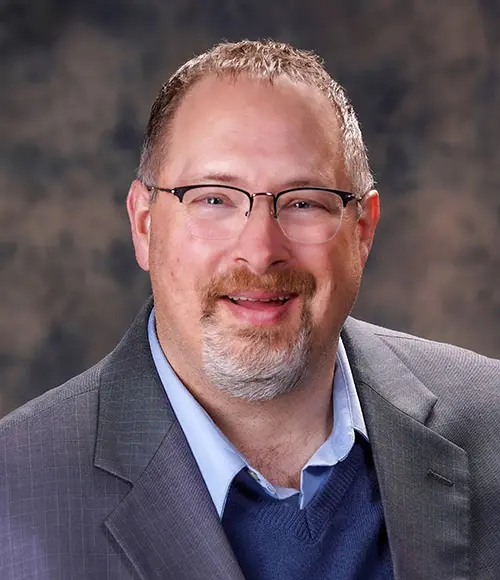
CEO
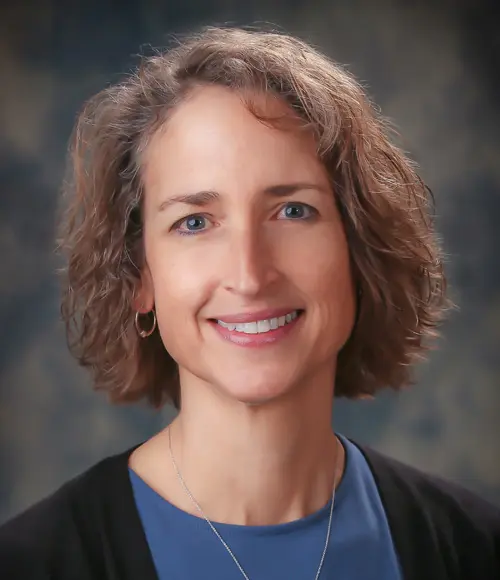
Director of Clinical Services
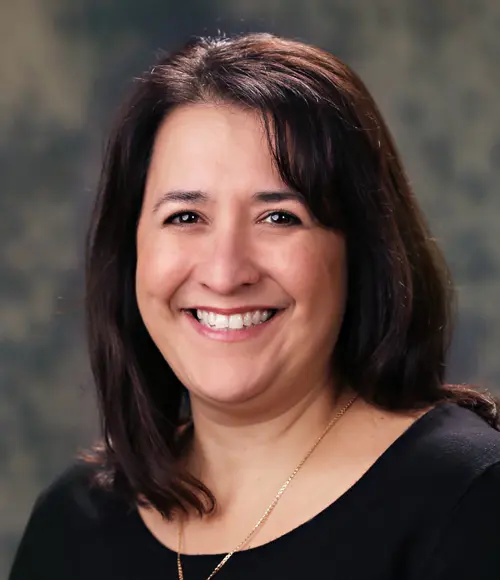
Director of Operations

Child Program Services Director
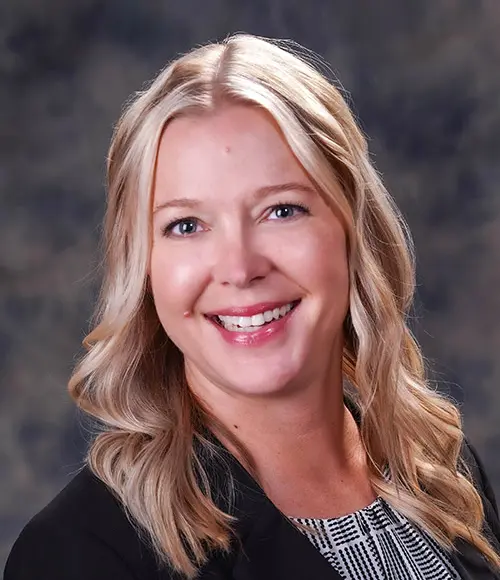
Director of Communications
Rehab.com regularly reviews this listing for accuracy but changes may occur between updates. For the most up-to-date information, please contact Klamath Basin Behavioral Health.

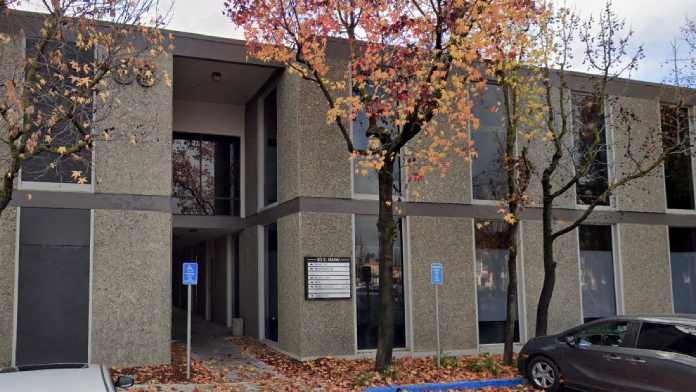
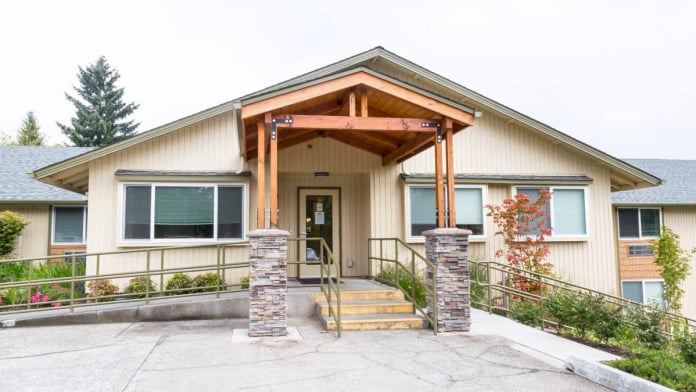
2210 North Eldorado Avenue
Klamath Falls, OR 97601
Sponsored Helpline

rob and Jenny are terrible customer service and should be fired

Within a 6 month period I have seen 4 different therapists, and am already being sent to a 5th. I have not seen the same therapist more than twice. 2 have left the company without much notice at all. Perhaps this is not everyone's experience, but as a mentally ill person, KBBH has been much more harmful than good. I am having a hard time having any kind of hope for the efficacy of therapy after my experience these last 6 months. I am worse off now than I was when I began.

Love the day treatment program for my son. But Everytime I call about his medication the staff who talks to me is always extremely snarky and rude. They are dealing people with mental health and bed side manner should absolutely be a requirement. I shouldn't have to feel upset Everytime I get off the phone with them.

The entire clinic is a joke. They'll do solo sessions with your children and pretend that they can't do anything which is invalid HIPPA withholding. The treat child supposedly for six months for his behavior to get worse and then when it gets so bad that you have to take Oregon paid leave they'll tell you they can't sign the paperwork, even though it pertains to taking leave for that child because he is a danger to his sibling and to us and have video evidence of it, but they'll advise "they're not authorized" and screw your family over any way they can. Go anywhere else. Go to Conscious Connections if you can or sky Lakes I bet you they'll treat you more seriously and actually listen to your concerns. My son has a serious issue and they've done nothing but drop the ball The entire time we were there. I brought up my concerns of conduct disorder to two different behavioral therapists at KBBH (if they can cal themselves that!) that ignored me because he didn't act that way in front hi. TWO other therapists in town have already diagnosed him with said disorder within two visits and he will finally get the help he needs.
 Back
Back
Sharing your insights and experiences can help others learn more about this rehab center.

 Written By: Amy Ramirez-Leal
MA
Written By: Amy Ramirez-Leal
MA


