






























































































I don't have words to express how bad was my experience at Liberty point, the people who work here should be working at a prison because of how rude and mean they were to me. I don't recommend this place to anyone.
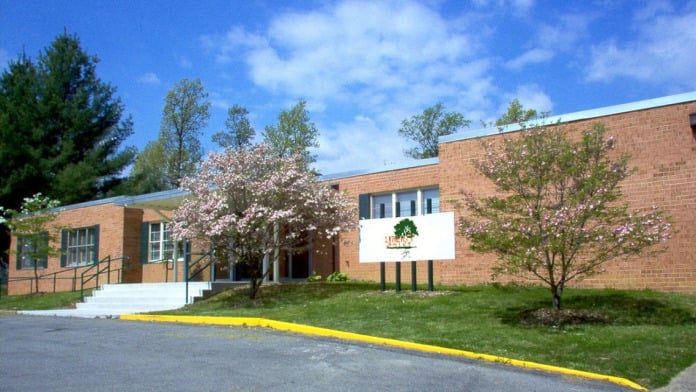
About Liberty Point Behavioral Healthcare
Boys start at the secure residential facility and may progress to the community-based program depending on their milestones met. All of the clients, including those in community-based care, attend the Liberty Point Academy for school.
One thing that stands out is their specialized program for residents with autism. The highly structured environment with a focus on predictability, routines and visual schedules can be individually tailored to a client’s needs with autism. They also measure and document progress such as independence, making choices, self care, friends and family, accomplishments and many more. This helps ensure the boys progress well and provides additional support in any area that is lagging.
Liberty Point also serves military families by providing services for young men experiencing complex emotional and behavioral difficulties who have psychiatric disorders along with intellectual disabilities. If physical distance prevents in person sessions they make arrangements for telehealth. The organization is TRICARE certified.
The educational program is a fully licensed special education school that provides education for 7th through 12 grades. What I love about the curriculum is that it is infused with career exploration and vocational training, which sets the young men up for success after graduation. They focus on empowering the boys to learn independent living skills and transition into work.
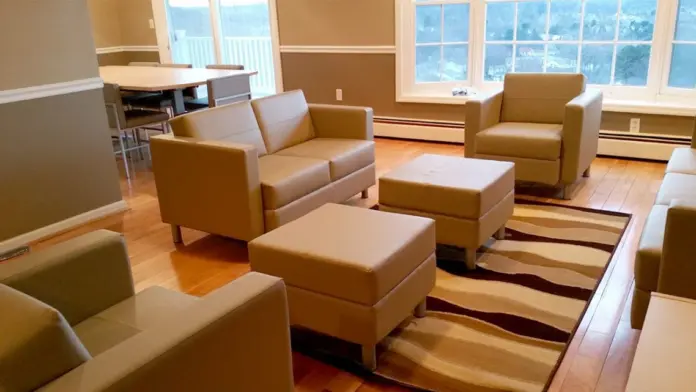
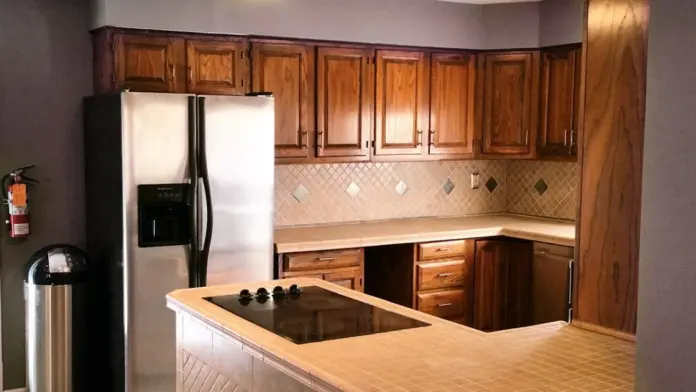
Facility Overview
 42
42 Number of Available Beds
Latest Reviews
The staff at Branches is amazing! They treat the kids with respect and the professionalism is the best I’ve seen, all the way from the counselors all the way to the Directors. They have top notch programs to help your children get through tough times and situations. I would highly recommend them!
Response from the owner3 weeks ago
Thank you for sharing such kind words about our Branches team and programs. We’re glad to know our staff’s professionalism and respect made a positive difference for your family and appreciate your recommendation.
The program at Branches was very helpful for my teen. From the group therapy, to the one on one therapy, and the family therapy, it has all been a HUGE help in guiding my daughter in a better direction. She loved it so much, she was sad to leave and wants to go back. This program is a great resource for the community.
Response from the owner3 weeks ago
Thank you for your kind words! Your recommendation means so much to us and we truly appreciate you taking the time to share your feedback with us. Again, thank you and have a great day!
My son is currently there. I can't thank them enough or even express enough gratitude towards them for all the help they're giving my son. He's been to several other facilities and I promise you don't wanna know the horror he went through. So when I say this place is the truth, it truly is a god given gift. Thankful for any and everyone that has had a hand in helping my boy!
Response from the owner3 weeks ago
Your compliments and supportive comments are great to hear! Thank you for your kind words and we hope you are doing well. Take care! 
Rehab Score
 Our Methodology
Scoring is assigned by a proprietary system which helps surface key metrics that determine quality. The 10-point scale factors in categories such as operations, customer satisfaction, and trust metrics. Read Full Methodology

7.1 / 10
Gallery

Accepted Insurance
Other Forms of Payment
Private insurance refers to any kind of healthcare coverage that isn't from the state or federal government. This includes individual and family plans offered by an employer or purchased from the Insurance Marketplace. Every plan will have different requirements and out of pocket costs so be sure to get the full details before you start treatment.
Self-pay involves paying for treatment out of your own pocket. You can use savings or credit, get a personal loan, or receive help from family and friends to fund your treatment. If you don't have insurance or your insurance plan doesn't cover a specific program, self-pay can help ensure you still get the care you need.
Financial aid can take many forms. Centers may have grants or scholarships available to clients who meet eligibility requirements. Programs that receive SAMHSA grants may have financial aid available for those who need treatment as well. Grants and scholarships can help you pai for treatment without having to repay.
Medicare is a federal program that provides health insurance for those 65 and older. It also serves people under 65 with chronic and disabling health challenges. To use Medicare for addiction treatment you need to find a program that accepts Medicare and is in network with your plan. Out of pocket costs and preauthorization requirements vary, so always check with your provider.
Military members, veterans, and eligible dependents have access to specific insurance programs that help them get the care they need. TRICARE and VA insurance can help you access low cost or no cost addiction and mental health treatment. Programs that accept military insurance often have targeted treatment focused on the unique challenges military members, veterans, and their families face.
Medicaid is a state based program that helps lower-income individuals and families pay for healthcare. Medicaid covers addiction treatment so those enrolled can use their coverage to pay for rehab. When a program accepts Medicaid the client often pays very little or nothing out of their own pocket.
Addiction Treatments
Levels of Care
Outpatient rehabs offer community-based addiction treatment, enabling clients to remain in their homes while in recovery. Their levels of care typically include partial hospitalization (PHP), intensive outpatient (IOP), standard outpatient, and sober living programming. Most outpatient facilities offer addiction counseling and recovery-focused life skills training. Integrative programs include evidence-based holistic therapies, such as meditation, music therapy, and massage. Facilities specializing in alcohol and/or opioid addiction may also provide medication assisted treatment (MAT).
Clients who are in early recovery, leaving detox, or experiencing a crisis often require the intensive treatment of an inpatient rehab facility. Clients in inpatient care receive robust clinical supervision, housing, and meals, allowing them to focus exclusively on their recovery while they stabilize. The primary treatment modalities used in most inpatient centers include extensive addiction counseling and recovery-focused life skills training. Many drug rehabs also offer holistic therapies, such as music, art, fitness, and experiential therapies.
Clients in an intensive outpatient rehab (IOP) benefit from robust support but often do not require the high-level supervision and round-the-clock clinical care provided in an inpatient setting. Clients engage in multiple therapeutic sessions weekly, with most programs requiring between nine and 20 treatment hours per week. Intensive outpatient rehabs provide a wide array of evidence-based services, including addiction counseling, recovery-focused life skills training, holistic therapies, and medication assisted treatment (MAT).
24-hour clinical care in Virginia features a highly trained team of professionals to treat your physical, mental, and emotional needs. Doctors and nurses are available to prescribe and administer medications. Psychologists and counselors provide professional counseling. Other experts such as nutritionists and addiction specialists may also offer support. This 24/7, comprehensive care is designed to give you the support you need to begin a successful recovery.
Known as the first step of the addiction recovery process, medical detox is the removal of addictive drugs and alcohol from your body and helping manage physical withdrawal. Medically assisted detox takes place in an inpatient setting where you will be closely monitored by a team of medical professionals to ensure your maximum health and safety. Medications like Suboxone or Vivitrol may be administered if needed to alleviate any potential withdrawal symptoms. This process is typically at least partially covered by most insurance plans.
Treatments
Many of those suffering from addiction also suffer from mental or emotional illnesses like schizophrenia, bipolar disorder, depression, or anxiety disorders. Rehab and other substance abuse facilities treating those with a dual diagnosis or co-occurring disorder administer psychiatric treatment to address the person's mental health issue in addition to drug and alcohol rehabilitation.
Mental health rehabs focus on helping individuals recover from mental illnesses like bipolar disorder, clinical depression, anxiety disorders, schizophrenia, and more. Mental health professionals at these facilities are trained to understand and treat mental health issues, both in individual and group settings.
Programs
Adult rehab programs include therapies tailored to each client's specific needs, goals, and recovery progress. They are tailored to the specific challenges adult clients may face, including family and work pressures and commitments. From inpatient and residential treatment to various levels of outpatient services, there are many options available. Some facilities also help adults work through co-occurring conditions, like anxiety, that can accompany addiction.
Young adulthood can be an exciting, yet difficult, time of transition. Individuals in their late teens to mid-20s face unique stressors related to school, jobs, families, and social circles, which can lead to a rise in substance use. Rehab centers with dedicated young adult programs will include activities and amenities that cater to this age group, with an emphasis on specialized counseling, peer socialization, and ongoing aftercare.
Serving in the military is both mentally and physically challenging, and can result in trauma that persists even after combat ends. Military programs are tailored to the specific and often complex needs of active duty personnel, veterans, and military families. Clients often access these programs through the U.S. Department of Veterans Affairs (VA).
Clinical Services
Cognitive Behavioral Therapy (CBT) is a therapy modality that focuses on the relationship between one's thoughts, feelings, and behaviors. It is used to establish and allow for healthy responses to thoughts and feelings (instead of unhealthy responses, like using drugs or alcohol). CBT has been proven effective for recovering addicts of all kinds, and is used to strengthen a patient's own self-awareness and ability to self-regulate. CBT allows individuals to monitor their own emotional state, become more adept at communicating with others, and manage stress without needing to engage in substance abuse.
Group therapy is any therapeutic work that happens in a group (not one-on-one). There are a number of different group therapy modalities, including support groups, experiential therapy, psycho-education, and more. Group therapy involves treatment as well as processing interaction between group members.
In individual therapy, a patient meets one-on-one with a trained psychologist or counselor. Therapy is a pivotal part of effective substance abuse treatment, as it often covers root causes of addiction, including challenges faced by the patient in their social, family, and work/school life.
Trauma therapy addresses traumatic incidents from a client's past that are likely affecting their present-day experience. Trauma is often one of the primary triggers and potential causes of addiction, and can stem from child sexual abuse, domestic violence, having a parent with a mental illness, losing one or both parents at a young age, teenage or adult sexual assault, or any number of other factors. The purpose of trauma therapy is to allow a patient to process trauma and move through and past it, with the help of trained and compassionate mental health professionals.
Whether a marriage or other committed relationship, an intimate partnership is one of the most important aspects of a person's life. Drug and alcohol addiction affects both members of a couple in deep and meaningful ways, as does rehab and recovery. Couples therapy and other couples-focused treatment programs are significant parts of exploring triggers of addiction, as well as learning how to build healthy patterns to support ongoing sobriety.
Research clearly demonstrates that recovery is far more successful and sustainable when loved ones like family members participate in rehab and substance abuse treatment. Genetic factors may be at play when it comes to drug and alcohol addiction, as well as mental health issues. Family dynamics often play a critical role in addiction triggers, and if properly educated, family members can be a strong source of support when it comes to rehabilitation.
If you've experienced addiction, you may have lost the skills to self manage and adapt to change. Because these basic life skills are crucial for recovery, drug rehab programs typically include life skills training as an integral part of treatment.
Staff & Accreditations
Staff
Christopher Darden, MBA
CEO
Patti Anthony
Director of Human Resources
Courtnay Davis, LPC, CSAC, BCBA, LBA
Director of Clinical Services
Lisa Neil, RN
Director of Nursing
Courtney Evans, MBA
Director of Business Development
Kathryn Dickerson
Director of Milieu Management
Beth Grubbs
Director of Admissions & Utilization Review
Tim Harrison
Principal
Accreditations

The Joint Commission, formerly known as JCAHO, is a nonprofit organization that accredits rehab organizations and programs. Founded in 1951, the Joint Commision's mission is to improve the quality of patient care and demonstrating the quality of patient care.
Joint Commission Accreditation: Yes
Rehab.com regularly reviews this listing for accuracy but changes may occur between updates. For the most up-to-date information, please contact Liberty Point Behavioral Healthcare.
Contact Information

1110 Montgomery Avenue
Staunton VA, 24401
Get Help Now - 434-922-2373
Sponsored Helpline
Sponsored Helpline


