We got our little girl back! It was a tough road and the staff at Luther Hall helped us stick it out. I can not believe the difference it made in her life and our families. The facility was nice, she said the food was good, they knew what they were doing and set her up fo ...
About Nexus-PATH Luther Hall
Nexus PATH Luther Hall is a psychiatric residential treatment facility (PRTF) in Fargo, North Dakota offering 24/7 structured care for youth facing significant emotional, behavioral and mental health challenges.
The program serves boys and girls who may present with depression, anxiety, PTSD, ADHD, bipolar disorder, conduct disorders and sometimes cooccurring substance use concerns.
With trauma focused therapies, psychiatric oversight and onsite education, Nexus PATH Luther Hall provides a supportive home environment where adolescents can heal and families can reengage.
Residential Mental Health and Substance Use Treatment Programs
Youth begin with comprehensive psychological and psychiatric assessments to create individualized treatment plans in the PRTF setting.
The program includes individual therapy, group therapy and family therapy offered in person or via secure video conferencing to keep families connected throughout treatment.
Residents receive trauma focused interventions such as EMDR and TF CBT, along with experiential therapies including sensory, movement, play, sand and animal assisted approaches.
Psychiatric medication management, psycho education, vocational skill development and referrals for substance abuse treatment or specialized therapies are available as needed to support each teen’s recovery and long term stability.
Key Features of Nexus PATH Luther Hall
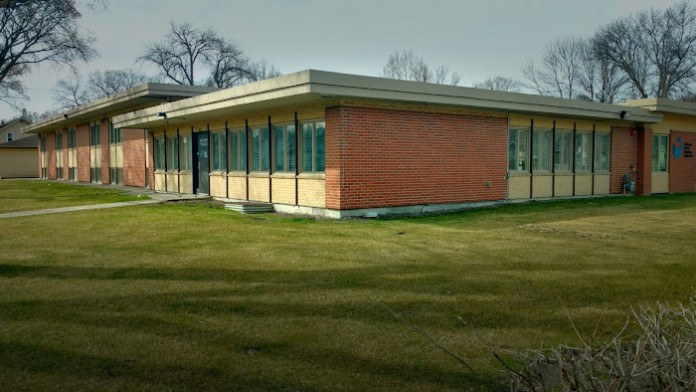
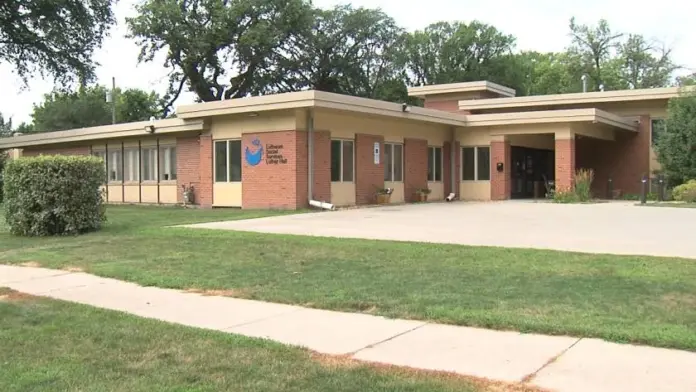
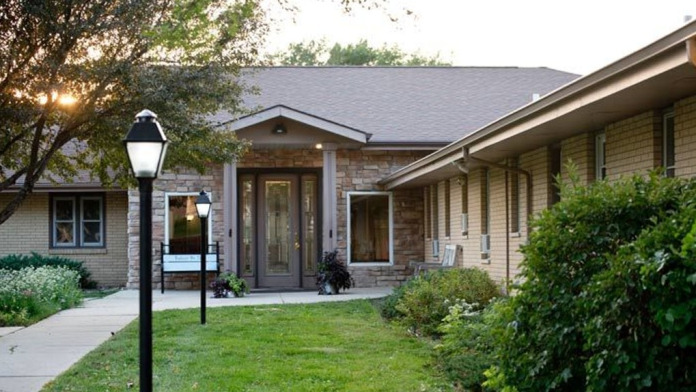
- Location: Fargo in a quiet residential neighborhood with outdoor green space and a small garden
- Level of care: Psychiatric residential treatment facility for 24/7 structured support
- Who they treat: Boys and girls with mental health challenges, trauma histories and possible substance use concerns
- Approach: Trauma informed care using EMDR, TF CBT, experiential therapies and psychiatric medication management
- On-site education: LearnWell Schools integrated into daily programming to maintain academic progress
- Payment options: Accepts Medicaid, Medicare, private insurance (Blue Cross Blue Shield, Aetna, Cigna, Humana, UnitedHealth Group), military insurance and self pay
- Amenities: 14 bedrooms, recreation center, sensory room, therapy and family conferencing spaces and outdoor play areas

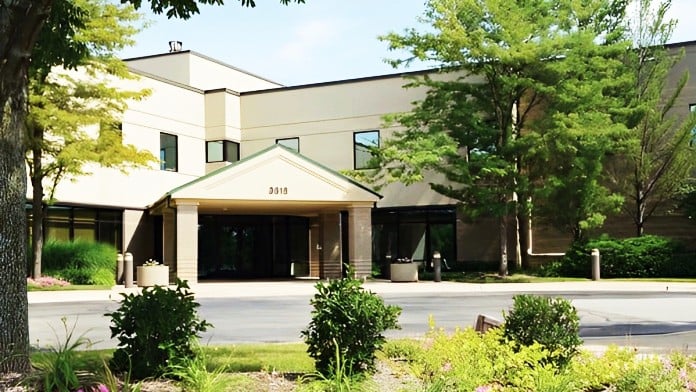
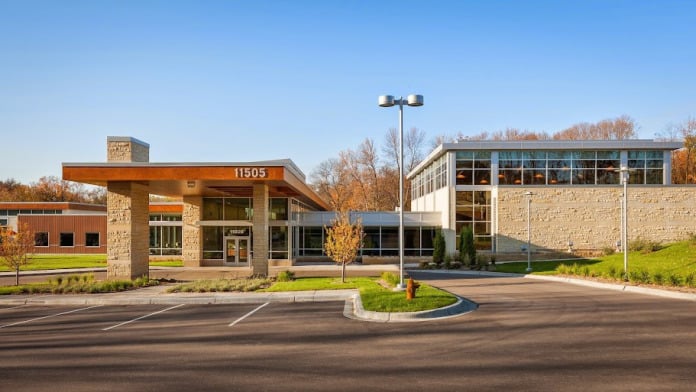
Facility Overview
Latest Reviews
Thank you for taking the time to leave us a review. We are so glad to hear you are doing well and that you have found healthy coping skills and a positive path forward. We will share your kind words with our team.
Thank you for taking the time to leave us a review. We will share your kind words with our team. We're glad to hear you are doing well and that your time with us helped you develop healthy coping skills to find a positive path forward. Have a great day!
Thank you for your sharing your experience. While Nexus was not the operator of this agency at the time of your stay and we cannot speak to your specific experience, we do want you to know that all feedback is reviewed. At Nexus, we are committed to a providing trauma-informed care and our dedicated team works hard to help youth find positive a path forward.
Rehab Score
Gallery
Accepted Insurance
Other Forms of Payment
Private insurance refers to any kind of healthcare coverage that isn't from the state or federal government. This includes individual and family plans offered by an employer or purchased from the Insurance Marketplace. Every plan will have different requirements and out of pocket costs so be sure to get the full details before you start treatment.
Self-pay involves paying for treatment out of your own pocket. You can use savings or credit, get a personal loan, or receive help from family and friends to fund your treatment. If you don't have insurance or your insurance plan doesn't cover a specific program, self-pay can help ensure you still get the care you need.
Medicare is a federal program that provides health insurance for those 65 and older. It also serves people under 65 with chronic and disabling health challenges. To use Medicare for addiction treatment you need to find a program that accepts Medicare and is in network with your plan. Out of pocket costs and preauthorization requirements vary, so always check with your provider.
Medicaid is a state based program that helps lower-income individuals and families pay for healthcare. Medicaid covers addiction treatment so those enrolled can use their coverage to pay for rehab. When a program accepts Medicaid the client often pays very little or nothing out of their own pocket.
Military members, veterans, and eligible dependents have access to specific insurance programs that help them get the care they need. TRICARE and VA insurance can help you access low cost or no cost addiction and mental health treatment. Programs that accept military insurance often have targeted treatment focused on the unique challenges military members, veterans, and their families face.
Addiction Treatments
Levels of Care
Residential treatment programs are those that offer housing and meals in addition to substance abuse treatment. Rehab facilities that offer residential treatment allow patients to focus solely on recovery, in an environment totally separate from their lives. Some rehab centers specialize in short-term residential treatment (a few days to a week or two), while others solely provide treatment on a long-term basis (several weeks to months). Some offer both, and tailor treatment to the patient's individual requirements.
Treatments
Mental health rehabs focus on helping individuals recover from mental illnesses like bipolar disorder, clinical depression, anxiety disorders, schizophrenia, and more. Mental health professionals at these facilities are trained to understand and treat mental health issues, both in individual and group settings.
Programs
Recovery is most successful when clients feel accepted and validated by their peers and treatment providers. Facilities that offer LGBTQ-inclusive programming are committed to creating a safe space where everyone can grow and recover without fear of judgment or discrimination. They will have dedicated policies in place to create a safe and supportive environment that fosters free expression.
Clinical Services
Unlike some therapeutic methods, cognitive behavioral therapy in North Dakota focuses on the present rather than the past. The goal is to move forward with new patterns of thinking and behavior that are healthy and productive.
Dialectical Behavior Therapy (DBT) is a modified form of Cognitive Behavioral Therapy (CBT), a treatment designed to help people understand and ultimately affect the relationship between their thoughts, feelings, and behaviors. DBT is often used for individuals who struggle with self-harm behaviors, such as self-mutilation (cutting) and suicidal thoughts, urges, or attempts. It has been proven clinically effective for those who struggle with out-of-control emotions and mental health illnesses like Borderline Personality Disorder.

Group therapy is any therapeutic work that happens in a group (not one-on-one). There are a number of different group therapy modalities, including support groups, experiential therapy, psycho-education, and more. Group therapy involves treatment as well as processing interaction between group members.
In individual therapy, a patient meets one-on-one with a trained psychologist or counselor. Therapy is a pivotal part of effective substance abuse treatment, as it often covers root causes of addiction, including challenges faced by the patient in their social, family, and work/school life.
Trauma therapy addresses traumatic incidents from a client's past that are likely affecting their present-day experience. Trauma is often one of the primary triggers and potential causes of addiction, and can stem from child sexual abuse, domestic violence, having a parent with a mental illness, losing one or both parents at a young age, teenage or adult sexual assault, or any number of other factors. The purpose of trauma therapy is to allow a patient to process trauma and move through and past it, with the help of trained and compassionate mental health professionals.
Research clearly demonstrates that recovery is far more successful and sustainable when loved ones like family members participate in rehab and substance abuse treatment. Genetic factors may be at play when it comes to drug and alcohol addiction, as well as mental health issues. Family dynamics often play a critical role in addiction triggers, and if properly educated, family members can be a strong source of support when it comes to rehabilitation.
Nutrition therapy includes input from doctors and nutritionists to develop a dietary plan that supports your recovery. You'll get nutritional support, learn to develop meal plans, and set goals for daily nutrition.
Experiential therapy is a form of therapy in which clients are encouraged to surface and work through subconscious issues by engaging in real-time experiences. Experiential therapy departs from traditional talk therapy by involving the body, and having clients engage in activities, movements, and physical and emotional expression. This can involve role-play or using props (which can include other people). Experiential therapy can help people process trauma, memories, and emotion quickly, deeply, and in a lasting fashion, leading to substantial and impactful healing.
Tobacco use leads to nicotine dependence. This means your body has become dependent on the substance, and you'll experience withdrawal if you stop using it. Nicotine replacement therapy gives you nicotine in the form of patches, sprays, gum, or lozenges to relieve withdrawal symptoms and help you quit successfully.


Amenities
-
Residential Setting
-
Private Rooms
Staff
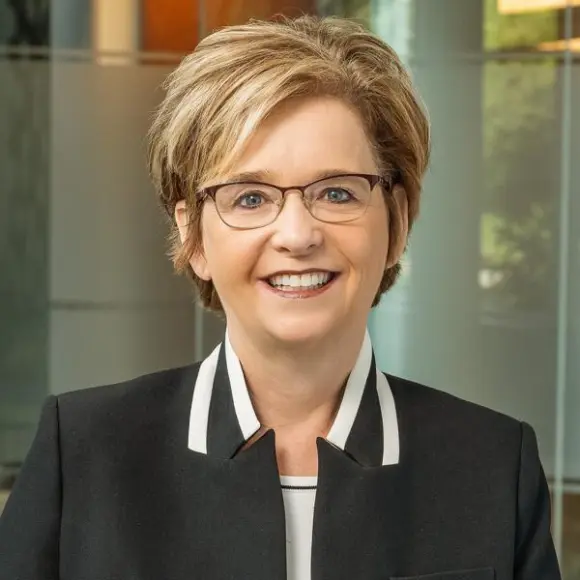
Dr. Michelle K. Murray
CEO & President
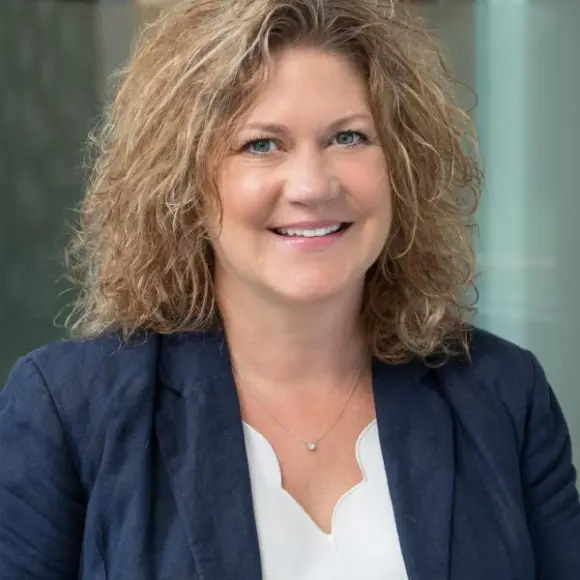
Bobbi Kochevar
COO
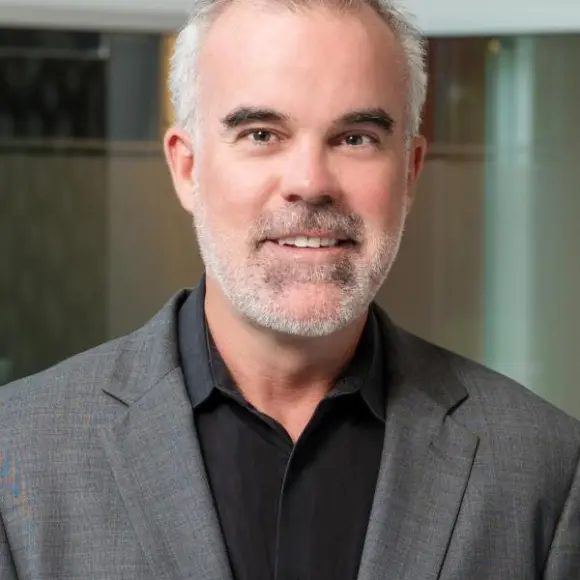
Scott McGuire
CFO
Jennifer McIntosh
Chief Human Resources Officer
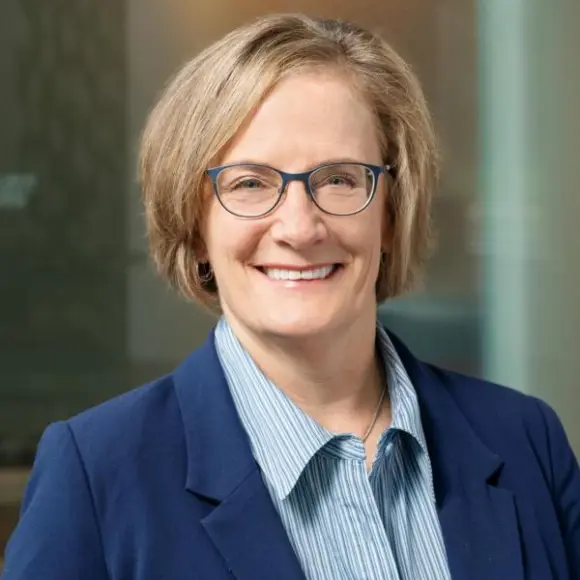
Paula Minske
Chief Clinical Officer
Margaret Vimont
Chief Growth Officer
Contact Information
1505 5th Avenue South
Fargo, ND 58103