





























































































Get Help Now
Question iconSponsored Helpline
Phone icon 800-784-1361

Arizona Women’s Recovery Center

4201 North 16th Street, Suite 140
Phoenix, AZ 85016
Claim Profile
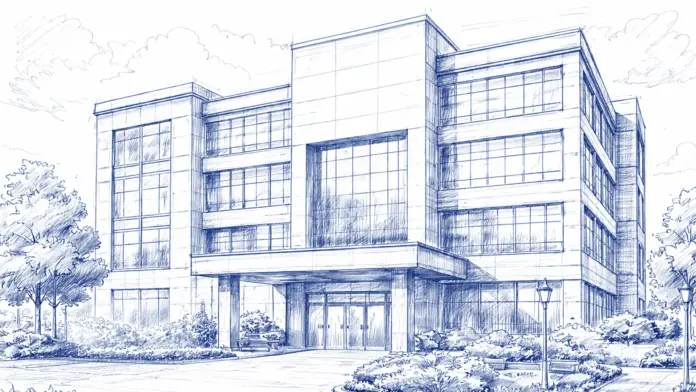
Illustration of a multi-story medical detox center and inpatient drug rehabilitation hospital.

About Arizona Women’s Recovery Center

Their residential housing program accommodates up to 6 pregnant women to care for their newborns. Housing is also available for up to 19 women with young children. Short-term, 3-6-month housing programs are available for other clients. Clients receive 24/7 monitoring and access to the center’s outpatient programs. Recreational activities, transportation, meals, and peer support are provided.

The outpatient program focuses on mental health recovery and rehabilitation, life-skills development, and sober/independent living. Individual or group counseling, 12-Step program facilitation, psychiatric evaluations, and medication and case management are included. Family services, such as counseling, parental training, and support in building healthy relationships, are emphasized. Outpatient clients also receive vocational and educational training in clerical and customer service and are eligible for residential relocation services.

Arizona Women’s Recovery Center accepts all forms of AHCCCS plans and may be able to work with other major insurance providers, such as Aetna, Cigna, BlueCross BlueShield, Humana, and others. Financial assistance, including need-based grants, is available. Please check with your provider for specific details concerning out-of-network coverage.

Similar Rehab Centers

Fact checked and written by:
Peter Lee, PhD
Edited by:
Kerry Nenn, BSW

Latest Reviews

MOMMY & MINES
4 months ago on Google
1
This recovery center failed to address my concerns and instead dismissed them without genuine consideration. When I raised the issue of being disrespected by one of their counselors in front of a class, I was met with gaslighting rather than understanding or accountability. Despite my consistent cooperation, attendance, and communication, the center discharged me without providing a clear or valid reason. I believe this decision was unfair and unprofessional, and it reflected more on the staff’s biases than on my conduct or progress as a client. Not one staff member from the center has reached out to follow up or address my concerns, and there has been a noticeable lack of accountability. The new intern, Lauren, frequently smiles or appears cheerful when clients are deeply upset, which felt dismissive of my struggles. Throughout my time there, I observed that staff support seems to favor other employees over clients. It appears that the level of care may depend on compliance with staff, which could leave clients who question or disagree feeling unsupported. Since my discharge, my mental health has deteriorated. I have struggled to maintain stability and have reverted to unhealthy coping mechanisms. This experience has left me feeling hopeless and discouraged about seeking further treatment. I believe the actions of this facility were unprofessional, unethical, and potentially harmful to clients’ well-being. I’m sharing this experience in hopes that future clients will be treated with the respect, transparency, and compassion that everyone in recovery deserves.
Kayla Speer
5 months ago on Google
1
In 2016, I was a newly single mother. My son was 2 months old at the time. I was get overwhelmed. Another mother offered to take my son. Little did I know the incident that unfolded that day. According to this mothers room mate, the mother was by herself for about 10 minutes unsupervised in her room before my child started crying. The mother ran to the roommate complaining of a bruise on my child's inner thigh. Roommate instructed this mother to get staff. The mother got a staff member and they said they would take care of it. At that point my child was returned back to me. No staff member or this mother ever mention anything to me. It wasn't until a few days later, all 6 girls ended up in a group session jumped me. I was crying hysterically as I didn't know anything. Then cps showed up and started investigating a week or 2 later. It wasn't until a tdm meeting that my baby was taken. I did notice the bruise and found out it was a birth mark. The birth mark took a year and a half to go away. I have pictures of it. In 2017/2018, I reached out to the roommate of this mother. This individual told me the story of what happened. And did know they were aware of bringing it up in the group session and was planned between all the girls to confront and jump me. She also stated she believed that this mother on purpose did pinch my sweet baby as she had an issue with me. She apologized for participating. She also stated shortly after i left, she was kicked out. I ended up leaving because this program was forcing me to talk about my feelings right after they allowed my baby to be taken. To this day, the mother who injuried my baby has been arrested for drug possession and domestic violence. Her own children has been in cps custody multiple times due to putting them in harms way. On the other hand, I did watch girls get kicked out for being on certain medications. This program guaranteed me to find housing if I couldn't stay and teach me life and parenting skills. I never learned any life or parenting skills. And when I left I couldn't come back for my stuff. And was left homeless. When I did get my stuff is was only a quarter of what I brought into that place. I found out later on from a old staff member, they took all the baby stuff my family got him and let the girls pick what they wanted and put the rest into storage. They stole over $500 worth of baby items. My family was pissed. To this day I don't recommend this place to anyone. Those girls I lived with only 3 out of 6-10 of them actually made it and still ha custody of their kids. In 2016, they only had 1 graduate. in 2017, they had 2 graduates. I haven't heard of a graduate since. Mostly it's mom's getting kicked out. Also they had a NP for a doctor which overdid medication turns out I didn't need any medication at all. UPDATE: I requested my file. I found that the only time things were reported during meetings only. These issues were not documented in writing such as daily reports. No incident reports were ever put in my file. They didnt report 6 months worth of issues. Their cps report was 6 months worth of issues. That was not present at the time. They only reported when i wanted to leave the program. They made a second report after i volunteeringly checked myself out of the hospital and refused to talk to them. They made a plan to get rid of me. By taking away my baby then wouldnt let me come back. Stole over $500 worth of baby items my family bought for my son. They couldn't find out what was wrong with me. Then they got a report done and never gave me the documents. They also was getting hospital information from the nurses without an ROI signed. So HIPPA violations. In reality my baby should of never been taken. I also talked to central registry about my background with cps. They saw several red flags. After almost 8 years, they have opened an investigation on both cps cases i had opened and specific individual or individuals to get to the bottom of things. They were even questioning everything.
Lilly Aiken
5 months ago on Google
1
I’m writing to express deep concern about how I’ve been treated by this program. I was told I may be denied supportive housing because my medical condition was misinterpreted as a behavioral issue. During group sessions, I sometimes need to get up briefly to get water. This is not a matter of defiance — it’s a direct result of my prescribed medication, which causes dryness and makes it difficult to speak. Instead of being understood or accommodated, I was treated as if I was being disruptive. Holly had promised me a water bottle to help with this issue, but I never received one. This might seem small, but it mattered a lot — I’m currently homeless and couldn’t afford to buy one myself. It was supposed to be a simple accommodation that could have helped me fully participate. The way this was handled made me feel powerless, misunderstood, and dismissed. It’s painful to know that a program meant to support people could deny someone over something as basic as the need for water. It felt like my basic needs and dignity were overlooked, and that my medical challenges were turned into a reason for exclusion instead of an opportunity for compassion and support. I truly hope this situation is reviewed carefully, and that future participants receive the understanding and reasonable accommodations they deserve.
Rehab.com icon

Rehab Score

Question iconOur Methodology
Scoring is assigned by a proprietary system which helps surface key metrics that determine quality. The 10-point scale factors in categories such as operations, customer satisfaction, and trust metrics. Read Full MethodologyCaret icon
Gauge icon
6.2 / 10

Accepted Insurance

Please contact to verify your specific insurance provider.

Arizona Women’s Recovery Center works with several private insurance providers, please contact to verify your specific insurance provider.

Other Forms of Payment

Medicaid is a state based program that helps lower-income individuals and families pay for healthcare. Medicaid covers addiction treatment so those enrolled can use their coverage to pay for rehab. When a program accepts Medicaid the client often pays very little or nothing out of their own pocket.

Self-pay involves paying for treatment out of your own pocket. You can use savings or credit, get a personal loan, or receive help from family and friends to fund your treatment. If you don't have insurance or your insurance plan doesn't cover a specific program, self-pay can help ensure you still get the care you need.

Sliding scale payments are based on a client's income and family size. The goal is to make treatment affordable to everyone. By taking these factors into account, addiction recovery care providers help ensure that your treatment does not become a financial burden to you or your family, eliminating one barrier to care.

Medicare is a federal program that provides health insurance for those 65 and older. It also serves people under 65 with chronic and disabling health challenges. To use Medicare for addiction treatment you need to find a program that accepts Medicare and is in network with your plan. Out of pocket costs and preauthorization requirements vary, so always check with your provider.

Addiction Treatments

Levels of Care

Outpatient Programs (OP) are for those seeking mental rehab or drug rehab, but who also stay at home every night. The main difference between outpatient treatment (OP) and intensive outpatient treatment (IOP) lies in the amount of hours the patient spends at the facility. Most of the time an outpatient program is designed for someone who has completed an inpatient stay and is looking to continue their growth in recovery. Outpatient is not meant to be the starting point, it is commonly referred to as aftercare.

Intensive Outpatient Programs (IOP) are for those who want or need a very structured treatment program but who also wish to live at home and continue with certain responsibilities (such as work or school). IOP substance abuse treatment programs vary in duration and intensity, and certain outpatient rehab centers will offer individualized treatment programs.

Sober Living Houses (SLHs), aka sober homes or halfway houses, are safe, substance-free, supportive living facilities for those recovering from substance abuse. Ideal for those who've just been through inpatient or outpatient treatment, SLHs are supervised environments with rules that support sobriety, such as curfews, shared chores, and therapeutic meetings. Residents are also often trained on life skills and coping skills to make it easier to transition into society. SLHs also provide a strong sense of community that can lead to the kind of deep and lasting connections with other sober individuals that supports a new, healthy lifestyle.

Intervention services helps family or friends of addicts stage an intervention, which is a meeting in which loved ones share their concerns and attempt to get an addict into treatment. Professional intervention specialists can help loved ones organize, gather, and communicate with an addict. They can guide intervention participants in describing the damage the addict's behavior is causing and that outside help is necessary to address the addiction. The ideal outcome of an intervention is for the addict to go to rehab and get the help they need.

12-step programs are addiction recovery models based on Alcoholics Anonymous (AA). A number of substance abuse programs (including some drug and alcohol rehab centers) use the 12 steps as a basis for treatment. Beginning steps involve admitting powerlessness over the addiction and creating a spiritual basis for recovery. Middle steps including making direct amends to those who've been hurt by the addiction, and the final step is to assist others in addiction recovery in the same way. 12-Step offshoots including Narcotics Anonymous (NA), Cocaine Anonymous (CA), Dual Recovery Anonymous (DRA), Sex and Love Addicts Anonymous (SLAA) and Gamblers Anonymous (GA).

Completing a drug or alcohol rehab program shouldn't spell the end of substance abuse treatment. Aftercare involves making a sustainable plan for recovery, including ongoing support. This can include sober living arrangements like halfway houses, career counseling, and setting a patient up with community programs like Alcoholics Anonymous (AA) or Narcotics Anonymous (NA).

Treatments

The goal of treatment for alcoholism is abstinence. Those with poor social support, poor motivation, or psychiatric disorders tend to relapse within a few years of treatment. For these people, success is measured by longer periods of abstinence, reduced use of alcohol, better health, and improved social functioning. Recovery and Maintenance are usually based on 12 step programs and AA meetings.

Drug rehab in Arizona is the process of treating individuals who are dependent on a particular addictive drug. Because addiction is complex, this treatment typically includes a variety of interventions that address the many physical and emotional issues involved.

Many of those suffering from addiction also suffer from mental or emotional illnesses like schizophrenia, bipolar disorder, depression, or anxiety disorders. Rehab and other substance abuse facilities treating those with a dual diagnosis or co-occurring disorder administer psychiatric treatment to address the person's mental health issue in addition to drug and alcohol rehabilitation.

A combined mental health and substance abuse rehab has the staff and resources available to handle individuals with both mental health and substance abuse issues. It can be challenging to determine where a specific symptom stems from (a mental health issue or an issue related to substance abuse), so mental health and substance abuse professionals are helpful in detangling symptoms and keeping treatment on track.

Opioid rehabs specialize in supporting those recovering from opioid addiction. They treat those suffering from addiction to illegal opioids like heroin, as well as prescription drugs like oxycodone. These centers typically combine both physical as well as mental and emotional support to help stop addiction. Physical support often includes medical detox and subsequent medical support (including medication), and mental support includes in-depth therapy to address the underlying causes of addiction.

Programs

Adult rehab programs include therapies tailored to each client's specific needs, goals, and recovery progress. They are tailored to the specific challenges adult clients may face, including family and work pressures and commitments. From inpatient and residential treatment to various levels of outpatient services, there are many options available. Some facilities also help adults work through co-occurring conditions, like anxiety, that can accompany addiction.

Young adulthood can be an exciting, yet difficult, time of transition. Individuals in their late teens to mid-20s face unique stressors related to school, jobs, families, and social circles, which can lead to a rise in substance use. Rehab centers with dedicated young adult programs will include activities and amenities that cater to this age group, with an emphasis on specialized counseling, peer socialization, and ongoing aftercare.

Clinical Services

Cognitive Behavioral Therapy (CBT) is a therapy modality that focuses on the relationship between one's thoughts, feelings, and behaviors. It is used to establish and allow for healthy responses to thoughts and feelings (instead of unhealthy responses, like using drugs or alcohol). CBT has been proven effective for recovering addicts of all kinds, and is used to strengthen a patient's own self-awareness and ability to self-regulate. CBT allows individuals to monitor their own emotional state, become more adept at communicating with others, and manage stress without needing to engage in substance abuse.

Dialectical Behavior Therapy (DBT) is a modified form of Cognitive Behavioral Therapy (CBT), a treatment designed to help people understand and ultimately affect the relationship between their thoughts, feelings, and behaviors. DBT is often used for individuals who struggle with self-harm behaviors, such as self-mutilation (cutting) and suicidal thoughts, urges, or attempts. It has been proven clinically effective for those who struggle with out-of-control emotions and mental health illnesses like Borderline Personality Disorder.

Research clearly demonstrates that recovery is far more successful and sustainable when loved ones like family members participate in rehab and substance abuse treatment. Genetic factors may be at play when it comes to drug and alcohol addiction, as well as mental health issues. Family dynamics often play a critical role in addiction triggers, and if properly educated, family members can be a strong source of support when it comes to rehabilitation.

Group therapy is any therapeutic work that happens in a group (not one-on-one). There are a number of different group therapy modalities, including support groups, experiential therapy, psycho-education, and more. Group therapy involves treatment as well as processing interaction between group members.

In individual therapy, a patient meets one-on-one with a trained psychologist or counselor. Therapy is a pivotal part of effective substance abuse treatment, as it often covers root causes of addiction, including challenges faced by the patient in their social, family, and work/school life.

Life skills trainings involve all the skills a person must have in order to function successfully in the world. These include time management, career guidance, money management, and effective communication. Truly successful addiction recovery is based on the ability to not only live substance-free, but to thrive. Life skills teaches the practical necessities of functioning in society, which sets clients up for success in life, and therefore sobriety.

Trauma therapy addresses traumatic incidents from a client's past that are likely affecting their present-day experience. Trauma is often one of the primary triggers and potential causes of addiction, and can stem from child sexual abuse, domestic violence, having a parent with a mental illness, losing one or both parents at a young age, teenage or adult sexual assault, or any number of other factors. The purpose of trauma therapy is to allow a patient to process trauma and move through and past it, with the help of trained and compassionate mental health professionals.

Amenities

  • private iconPrivate Setting
  • car iconPrivate Transportation

Staff & Accreditations

Staff
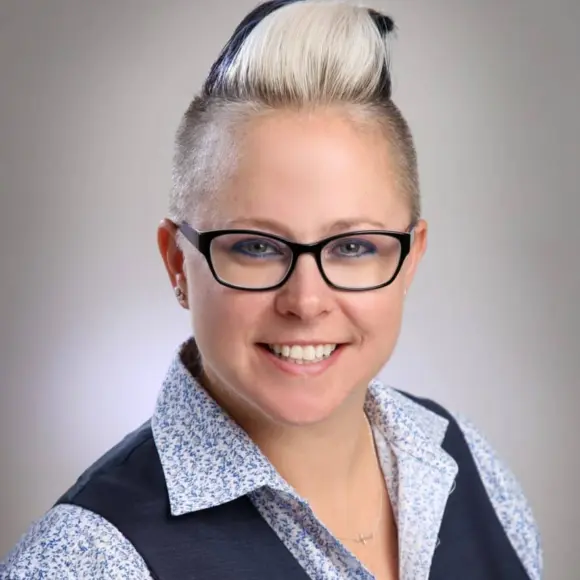
Beverly A. Wohlert

Chief Executive Officer
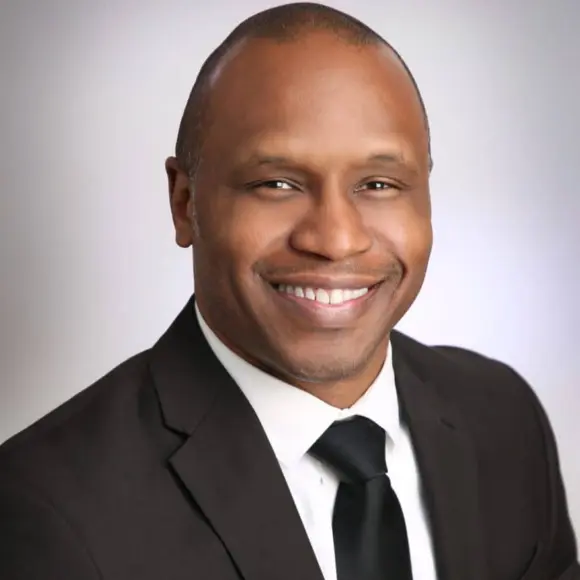
Eric Henderson

Chief Financial Officer
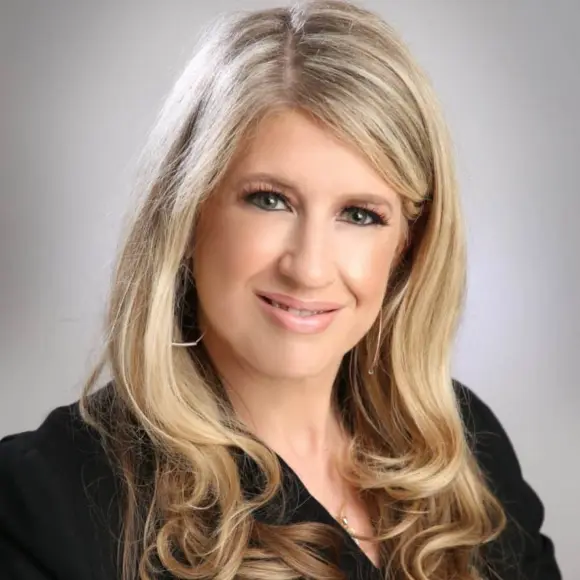
Holly Williamson, MA, LISAC

Clinical Director
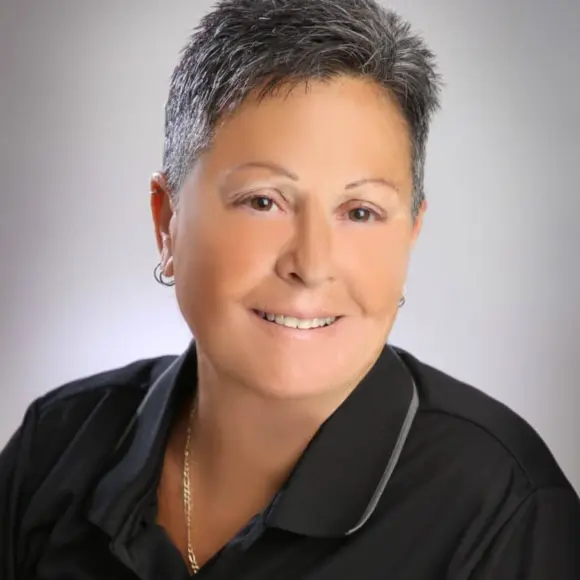
Carol Lagnese

Substance Abuse Counselor and Program Supervisor

Accreditations

The Commission on Accreditation of Rehabilitation Facilities (CARF) is a non-profit organization that specifically accredits rehab organizations. Founded in 1966, CARF's, mission is to help service providers like rehab facilities maintain high standards of care.

CARF Accreditation: Yes

The Joint Commission, formerly known as JCAHO, is a nonprofit organization that accredits rehab organizations and programs. Founded in 1951, the Joint Commision's mission is to improve the quality of patient care and demonstrating the quality of patient care.

Joint Commission Accreditation: Yes

Contact Information

Building icon

4201 North 16th Street
Suite 140
Phoenix, AZ 85016

Reviews of Arizona Women’s Recovery Center

3.7/5 (3 reviews)
0
Staff
0
Amenities
0
Meals
0
Value
0
Cleanliness
5
4
4
0
3
0
2
1
1
3

Reviews

Overall Experience
Date Submitted
Reviewer

Google Reviews

3.7 (3 reviews)
MOMMY & MINES
4 months ago
1

This recovery center failed to address my concerns and instead dismissed them without genuine consideration. When I raised the issue of being disrespected by one of their counselors in front of a class, I was met with gaslighting rather than understanding or accountability. Despite my consistent cooperation, attendance, and communication, the center discharged me without providing a clear or valid reason. I believe this decision was unfair and unprofessional, and it reflected more on the staff’s biases than on my conduct or progress as a client. Not one staff member from the center has reached out to follow up or address my concerns, and there has been a noticeable lack of accountability. The new intern, Lauren, frequently smiles or appears cheerful when clients are deeply upset, which felt dismissive of my struggles. Throughout my time there, I observed that staff support seems to favor other employees over clients. It appears that the level of care may depend on compliance with staff, which could leave clients who question or disagree feeling unsupported. Since my discharge, my mental health has deteriorated. I have struggled to maintain stability and have reverted to unhealthy coping mechanisms. This experience has left me feeling hopeless and discouraged about seeking further treatment. I believe the actions of this facility were unprofessional, unethical, and potentially harmful to clients’ well-being. I’m sharing this experience in hopes that future clients will be treated with the respect, transparency, and compassion that everyone in recovery deserves.

Kayla Speer
5 months ago
1

In 2016, I was a newly single mother. My son was 2 months old at the time. I was get overwhelmed. Another mother offered to take my son. Little did I know the incident that unfolded that day. According to this mothers room mate, the mother was by herself for about 10 minutes unsupervised in her room before my child started crying. The mother ran to the roommate complaining of a bruise on my child's inner thigh. Roommate instructed this mother to get staff. The mother got a staff member and they said they would take care of it. At that point my child was returned back to me. No staff member or this mother ever mention anything to me. It wasn't until a few days later, all 6 girls ended up in a group session jumped me. I was crying hysterically as I didn't know anything. Then cps showed up and started investigating a week or 2 later. It wasn't until a tdm meeting that my baby was taken. I did notice the bruise and found out it was a birth mark. The birth mark took a year and a half to go away. I have pictures of it. In 2017/2018, I reached out to the roommate of this mother. This individual told me the story of what happened. And did know they were aware of bringing it up in the group session and was planned between all the girls to confront and jump me. She also stated she believed that this mother on purpose did pinch my sweet baby as she had an issue with me. She apologized for participating. She also stated shortly after i left, she was kicked out. I ended up leaving because this program was forcing me to talk about my feelings right after they allowed my baby to be taken. To this day, the mother who injuried my baby has been arrested for drug possession and domestic violence. Her own children has been in cps custody multiple times due to putting them in harms way. On the other hand, I did watch girls get kicked out for being on certain medications. This program guaranteed me to find housing if I couldn't stay and teach me life and parenting skills. I never learned any life or parenting skills. And when I left I couldn't come back for my stuff. And was left homeless. When I did get my stuff is was only a quarter of what I brought into that place. I found out later on from a old staff member, they took all the baby stuff my family got him and let the girls pick what they wanted and put the rest into storage. They stole over $500 worth of baby items. My family was pissed. To this day I don't recommend this place to anyone. Those girls I lived with only 3 out of 6-10 of them actually made it and still ha custody of their kids. In 2016, they only had 1 graduate. in 2017, they had 2 graduates. I haven't heard of a graduate since. Mostly it's mom's getting kicked out. Also they had a NP for a doctor which overdid medication turns out I didn't need any medication at all. UPDATE: I requested my file. I found that the only time things were reported during meetings only. These issues were not documented in writing such as daily reports. No incident reports were ever put in my file. They didnt report 6 months worth of issues. Their cps report was 6 months worth of issues. That was not present at the time. They only reported when i wanted to leave the program. They made a second report after i volunteeringly checked myself out of the hospital and refused to talk to them. They made a plan to get rid of me. By taking away my baby then wouldnt let me come back. Stole over $500 worth of baby items my family bought for my son. They couldn't find out what was wrong with me. Then they got a report done and never gave me the documents. They also was getting hospital information from the nurses without an ROI signed. So HIPPA violations. In reality my baby should of never been taken. I also talked to central registry about my background with cps. They saw several red flags. After almost 8 years, they have opened an investigation on both cps cases i had opened and specific individual or individuals to get to the bottom of things. They were even questioning everything.

Lilly Aiken
5 months ago
1

I’m writing to express deep concern about how I’ve been treated by this program. I was told I may be denied supportive housing because my medical condition was misinterpreted as a behavioral issue. During group sessions, I sometimes need to get up briefly to get water. This is not a matter of defiance — it’s a direct result of my prescribed medication, which causes dryness and makes it difficult to speak. Instead of being understood or accommodated, I was treated as if I was being disruptive. Holly had promised me a water bottle to help with this issue, but I never received one. This might seem small, but it mattered a lot — I’m currently homeless and couldn’t afford to buy one myself. It was supposed to be a simple accommodation that could have helped me fully participate. The way this was handled made me feel powerless, misunderstood, and dismissed. It’s painful to know that a program meant to support people could deny someone over something as basic as the need for water. It felt like my basic needs and dignity were overlooked, and that my medical challenges were turned into a reason for exclusion instead of an opportunity for compassion and support. I truly hope this situation is reviewed carefully, and that future participants receive the understanding and reasonable accommodations they deserve.

Lilly Aiken
6 months ago
2

I do want to acknowledge that they provided some helpful resources like bus passes, group therapy, and even some sponsorship support, which I appreciated. But when it came to applying for supportive housing, my experience was very negative. The program paints a picture of providing housing, therapy, and a strong recovery community, but I felt judged instead of supported. In the interview, they didn’t ask meaningful questions about my actual needs—like my PTSD, trauma history, or mental health challenges. Instead, they seemed focused on things that weren’t really fair or relevant. I was honest about my past experiences, including being bullied in sober living, and things that happened to me and I feel like they used that against me. I did nothing wrong, yet I was denied without even being placed on a waiting list. This left me feeling powerless and like I wasn’t given a fair chance. It was incredibly discouraging because I genuinely needed that help. While I appreciate the resources I received earlier on, the housing process felt judgmental and dismissive rather than compassionate or understanding.

Overall Experience
Date Submitted
No reviews matching the selected filter!
Get Help Now
Question iconSponsored Helpline
Phone icon 800-784-1361
Left arrow iconBack

Write a review for Arizona Women’s Recovery Center

Sharing your insights and experiences can help others learn more about this rehab center.

Title of Your Review
This is a required field
Your Review

Reviews comments must comply with our Review Policy Content Standards. Please do not use names (job titles / positions are acceptable) of any individual or identifying features, abusive remarks, or allegations of negligence or criminal activity.

A minimum of 200 characters and max of 2,000 characters required.
This is a required field
How would you rate the facility on the following?*
Overall Experience
Must select a star rating
Accomodations & Amenities
Must select a star rating
Meals & Nutrition
N/A
Must select a star rating
Treatment Effectiveness
Must select a star rating
Admissions Process
Must select a star rating
Staff & Friendliness
Must select a star rating
Cleanliness
Must select a star rating
Value for Cost
Must select a star rating
What is your connection to this facility?
This is a required field
Your Name*
This is a required field
Your Email*
This is a required field
Spinner icon Submitting your review...
Thumbs up icon Your review was successfully submitted.

Nearby Featured Providers

Get Help Today Phone icon 800-823-7153
Question iconSponsored Helpline

