






































































































About Nebraska Medicine Psychiatry Clinic at Poynter Hall
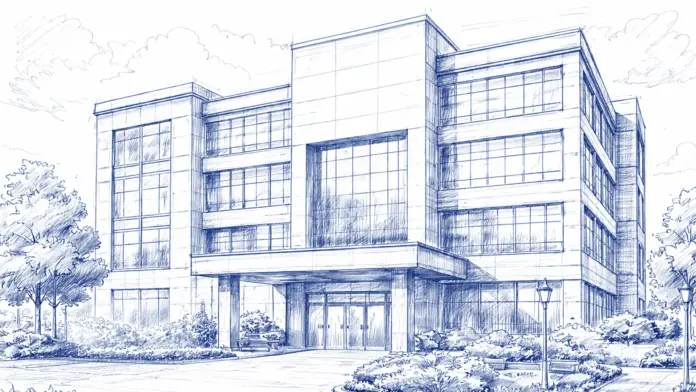
Nebraska Medicine Psychiatry Clinic at Poynter Hall is an outpatient mental health and addiction treatment center in Omaha, Nebraska. Located at the Nebraska Medical Center campus, the clinic provides comprehensive psychiatric care for individuals facing substance use disorders, co-occurring mental health conditions and specialized needs across the lifespan. Treatment is grounded in evidence-based approaches, including medication management and therapy.
Outpatient Addiction and Mental Health Services
The clinic offers outpatient services for adults, adolescents and older adults dealing with addiction and psychiatric conditions. Patients can access individual therapy, medication-assisted treatment and telehealth appointments for added convenience.
Treatment addresses co-occurring conditions such as depression, anxiety and PTSD alongside substance use. Therapies include cognitive behavioral therapy and other evidence-based methods tailored to each patient’s needs.
Key Details About Nebraska Medicine Psychiatry Clinic
- Level of care: Outpatient psychiatric and addiction services, including telehealth options
- Who they treat: Children, adolescents, adults and older adults; specialty programs for reproductive and geriatric mental health
- Approach: Evidence-based care featuring CBT, medication management and MAT for substance use disorders
- Payment options: Accepts major insurance plans, credit cards, checks and offers interest-free payment plans and financial assistance
- Dual diagnosis: Treats addiction alongside depression, anxiety, PTSD and other psychiatric conditions

Rehab Score
 Our Methodology


Location
Other Forms of Payment
Financial aid can take many forms. Centers may have grants or scholarships available to clients who meet eligibility requirements. Programs that receive SAMHSA grants may have financial aid available for those who need treatment as well. Grants and scholarships can help you pai for treatment without having to repay.
Private insurance refers to any kind of healthcare coverage that isn't from the state or federal government. This includes individual and family plans offered by an employer or purchased from the Insurance Marketplace. Every plan will have different requirements and out of pocket costs so be sure to get the full details before you start treatment.
Financing your treatment can make treatment more accessible. You'll work with your care provider to set up payment plans, including interest rates and repayment timelines. Financing options vary widely and not all programs offer them, so be sure to get the full details before enrolling in treatment. If you have insurance or other benefits, financing may help you cover your remaining out of pocket expenses.
Addiction Treatments
Levels of Care
Outpatient rehabs are often ideally suited for clients exiting intensive inpatient care, those who are medically stable, and those not at an elevated relapse risk. They also offer flexibility for clients who may be unable to leave their work or family to receive inpatient care. Many outpatient treatment centers provide a full suite of services, including recovery education, medication assisted treatment (MAT), and individual, group, and family counseling. Ancillary services, including peer coaching and vocational training, are widely available.
Telehealth offers multiple benefits for patients and healthcare providers. It offers convenience, increased access, and cost savings. Telehealth services in Nebraska range from public broadcast messaging to one-on-one sessions with a mental health professional.
Treatments
Alcoholism is typically characterized by an inability to control alcohol consumption, withdrawal symptoms when drinking stops, and impairment in the ability to socialize and work. Recovering from alcohol addiction is a long process that begins with alcohol rehab in Nebraska. It requires applying techniques that are learned through evidence-based counseling, mutual-support groups, and other related therapies.
 Opioid Addiction
During drug rehab in Nebraska, you'll participate in therapies that address the many issues that contribute to addiction. Treatment includes physical, mental, emotional, and relational aspects. These methods provide the tools you need to achieve long-term recovery.
In Nebraska, substance abuse treatment programs are available to individuals struggling with addiction, and those with co-occurring mental health disorders. These programs utilize evidence-based therapies such as cognitive-behavioral therapy (CBT), dialectical behavior therapy (DBT), and mindfulness-based interventions. With various treatment options, including outpatient, inpatient, and residential programs, you'll receive expert and personalized care that can help you overcome addiction and meet your unique needs.
It's common to see people struggling with mental health disorders like depression, anxiety, or post-traumatic stress disorder, and treating each of these is just as important as treating the addiction. But even for those who do not have a dual diagnosis, mental health plays an essential role in the long-term success of recovery because it can affect people's emotional, psychological, and social makeup, influencing their experiences, stress level, and life choices.
Dual-diagnosis addiction treatment programs in Nebraska offer specialized care for individuals with co-occurring substance use disorders and mental health conditions. Outpatient, inpatient, and partial hospitalization levels of care are available. Clinicians offer a robust treatment plan encompassing evidence-based therapies, like cognitive behavioral therapy, or dialectical behavioral therapy, or motivational interviewing, together with family counseling, educational groups, and recovery meetings, to address both disorders and enhance mental health and well-being.
Programs
Teen programs are designed to address the unique pressures teens face, pressures that can drive them to experiment with dangerous, addictive substances. They need programs that meet them exactly where they are and give them tools for long-term recovery. Therapy can help teenagers understand and work through underlying issues so they can reclaim the life ahead of them.
The providers who specialize in the children's rehab space understand the specialized needs that this population faces. School-based and social services such as tutoring and family counseling are often central to treatment. Child programs may also address the needs of youth experiencing substance abuse in the home, including a parent's or sibling's addiction.
Nearly one million adults age 65 and older live with a substance use disorder. Treatment providers who specialize in senior care understand the social, psychological, and physical effects of aging and how they relate to recovery. They can help clients address particular challenges and risks they may face as they get older such as overdosing and medication interactions and dependencies.
Clinical Services
Cognitive behavioral therapy in Nebraska is often the preferred method of treatment for substance use. In just a few sessions, clients can learn how to identify challenges and start to develop healthy coping methods to manage them.
Amenities
-
 Metropolitan Area
Contact Information


510 S 42nd St Sut 500, Omaha, NE 68131
Sponsored Helpline
