











Tree House Recovery PDX
1
Top 10 Rehab Centers In Portland



















































































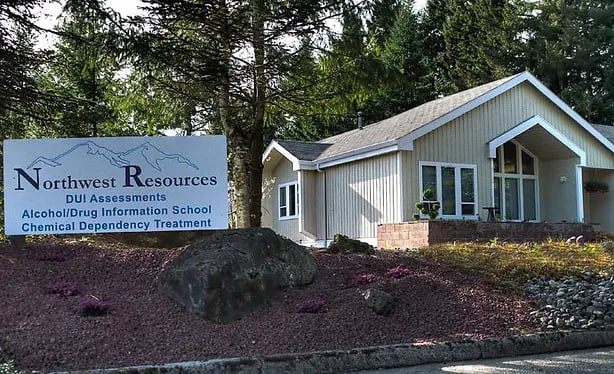
The intensive outpatient program meets for a total of 72 hours over a 12-week period. Individual therapy, group therapy, self-help groups, and educational classes on a wide variety of topics are provided. This program also offers chemical dependency assessments and DUI assessments at the initial stages to ensure it is the right fit for a client. Deferred-prosecution treatment, DUI victims panels, housing case management services, and case management services are also accessible to individuals who are participating in this program.
The outpatient program offers up to nine hours of treatment per week. Clients begin with an assessment to determine the best treatment path for their recovery. They also have access to deferred-prosecution services, housing case management services, case management services, and a DUI victims panel. Clients are connected to community resources if needed. Traditional therapy and educational classes are also available.
Northwest Resources accepts most insurance plans, including Beacon, Magellan, ComPsych, and more. Out of network benefits may vary, so it’s important to verify coverage with your provider prior to starting treatment.
 16
16 
 Our Methodology


Medicaid is a state based program that helps lower-income individuals and families pay for healthcare. Medicaid covers addiction treatment so those enrolled can use their coverage to pay for rehab. When a program accepts Medicaid the client often pays very little or nothing out of their own pocket.
Self-pay involves paying for treatment out of your own pocket. You can use savings or credit, get a personal loan, or receive help from family and friends to fund your treatment. If you don't have insurance or your insurance plan doesn't cover a specific program, self-pay can help ensure you still get the care you need.
Private insurance refers to any kind of healthcare coverage that isn't from the state or federal government. This includes individual and family plans offered by an employer or purchased from the Insurance Marketplace. Every plan will have different requirements and out of pocket costs so be sure to get the full details before you start treatment.
Sliding scale payments are based on a client's income and family size. The goal is to make treatment affordable to everyone. By taking these factors into account, addiction recovery care providers help ensure that your treatment does not become a financial burden to you or your family, eliminating one barrier to care.
Financial aid can take many forms. Centers may have grants or scholarships available to clients who meet eligibility requirements. Programs that receive SAMHSA grants may have financial aid available for those who need treatment as well. Grants and scholarships can help you pai for treatment without having to repay.
Residential treatment programs are those that offer housing and meals in addition to substance abuse treatment. Rehab facilities that offer residential treatment allow patients to focus solely on recovery, in an environment totally separate from their lives. Some rehab centers specialize in short-term residential treatment (a few days to a week or two), while others solely provide treatment on a long-term basis (several weeks to months). Some offer both, and tailor treatment to the patient's individual requirements. Linden Oaks' Residential Stay Program offers additional support for those who may benefit from a structured living environment. A patient's stay may vary from a few days to 30 days ago. The program includes group, family and individual counseling.
Outpatient Programs (OP) are for those seeking mental rehab or drug rehab, but who also stay at home every night. The main difference between outpatient treatment (OP) and intensive outpatient treatment (IOP) lies in the amount of hours the patient spends at the facility. Most of the time an outpatient program is designed for someone who has completed an inpatient stay and is looking to continue their growth in recovery. Outpatient is not meant to be the starting point, it is commonly referred to as aftercare.
Intensive Outpatient programs are for those who want or need a very structured treatment program but who also wish to live at home and continue with certain responsibilities (such as work or school). IOP substance abuse treatment programs vary in duration and intensity, and certain outpatient rehab centers will offer individualized treatment programs. The Intensive Outpatient Program gives patients the chance to participate in a structured treatment plan part-time while they transition back to home and work or other responsibilities. This program provides half-day treatment (Monday, Wednesday and Friday, 9:15 am to 12:30 pm).
Completing a drug or alcohol rehab program shouldn't spell the end of substance abuse treatment. Aftercare involves making a sustainable plan for recovery, including ongoing support. This can include sober living arrangements like halfway houses, career counseling, and setting a patient up with community programs like Alcoholics Anonymous (AA) or Narcotics Anonymous (NA).
12 step programs support participants' psychological, spiritual, and emotional development as integral to sustained recovery. Though 12 step recovery programs are based on the belief in a non-denominational higher power, religious affiliation is not required. Group meetings are paper-led, anonymous, free, and available daily, including on holidays, in most communities. Peer sponsors selected by the participants provide one-on-one coaching and support. Specialized formats are widely available, including programming for youth, seniors, and families.
Adult rehab programs include therapies tailored to each client's specific needs, goals, and recovery progress. They are tailored to the specific challenges adult clients may face, including family and work pressures and commitments. From inpatient and residential treatment to various levels of outpatient services, there are many options available. Some facilities also help adults work through co-occurring conditions, like anxiety, that can accompany addiction.
Young adulthood can be an exciting, yet difficult, time of transition. Individuals in their late teens to mid-20s face unique stressors related to school, jobs, families, and social circles, which can lead to a rise in substance use. Rehab centers with dedicated young adult programs will include activities and amenities that cater to this age group, with an emphasis on specialized counseling, peer socialization, and ongoing aftercare.
One goal of family therapy is to provide a platform where members have a safe place to talk about the challenges that addiction has created in their lives. Using guided sessions, therapists help individual family members develop healthy communication skills and address unresolved issues between themselves to support their loved one's sobriety.
Individual therapy sessions for drug and alcohol addiction treatment emphasize the importance of personalized care. Your therapist works with you to understand your unique life experiences and develop effective coping mechanisms to address your underlying issues. This comprehensive approach to recovery is the foundation of drug rehab.
Group therapy is a safe space that offers you a confidential environment to openly discuss your challenges with addiction and the progress you're making without fear of judgment. Group therapy participants share responsibility for recovery, which fosters a collective commitment to sobriety.
Clinicians who apply motivational interviewing techniques engage with their clients as equal partners. This method avoids warnings and confrontation and instead allows clients to analyze their situation and explore their options. This technique is often used when the client feels unsure about their ability or desire to change.
Often, substance use disorder originates with negative thinking patterns. Cognitive behavioral therapy in Washington is designed to help individuals change these patterns of thought, which leads to changes in behavior and freedom from addiction.
The goal of trauma therapy is to help you heal from the aftereffects of a traumatic experience. Your therapist will provide you with a safe and supportive space to process these trauma memories and develop better coping strategies that enhance your emotional resilience.
Dialectical behavior therapy (DBT) is a highly structured form of therapy that teaches skills to help participants change negative thoughts and behaviors. Applying a philosophy of acceptance and change, you'll learn and practice these skills to break unhealthy patterns and establish healthy ones.
Couples therapy can help a couple navigate their differences. By learning powerful interpersonal skills in therapy, the couple can work together to overcome challenges and change the direction of their relationship.
 Private Transportation
 CEO
Director, Financial
Medical Director
Rehab.com regularly reviews this listing for accuracy but changes may occur between updates. For the most up-to-date information, please contact Northwest Resources Olympia.

2708 Westmoor Ct SW
Olympia, WA 98502
Sponsored Helpline

I had an excellent experience during my substance use assessment by Leah. After being pretty down on self after my infraction, my mindset changed after this assessment, giving me hope for the future of both myself and my family. The victims impact panel class I attended was pretty grim, as you might expect. If you need a wake up call, this is sure to help. I am looking forward to attending the alcohol and drug information school course and eventually putting my wrong behind me. Whatever your past, keep your head up and keep doing the right thing. This is a great place to help get your life back on track. Heads up – if you miss the ADIS class, you’ll have to pay again.


Absolute joke of a program ran by circus holders, they waste your time, take your money, make you re-do things you’ve already done several times, this program is outdated and not worth the time! They are incredibly frustrating people

Super unprofessional. I waited in line for 15 minutes and was never acknowledged by any of the employees who walked by like 5 times and didn’t say anything or ask if I needed help, when I only needed to pick up a check which was literally a 2 second process. When I mentioned this to the receptionist, she didn’t even apologize for the inconvenience or show any customer service empathy. Pathetic!
 Back
Back
Sharing your insights and experiences can help others learn more about this rehab center.

 Written By: Courtney Myers
MS
Written By: Courtney Myers
MS