






























































































Pathways gave me the tools I needed to be able to recover and not only that, also to not fall again. They are very good at what they do and without them I don't know where would I be.
About Compass Health Network
Compass Health Network in Harrisonville, Missouri is a community-based outpatient addiction treatment and behavioral health provider offering integrated care for adolescents and adults.
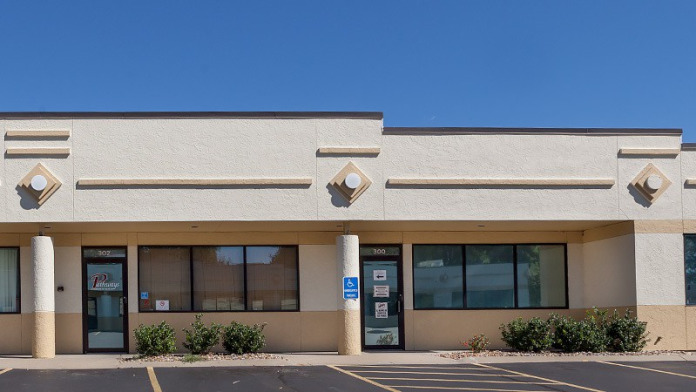
Located off Galaxie Avenue, the clinic combines substance use treatment, counseling, psychiatry and psychological testing under one roof.
As part of a larger Missouri health network, Compass Health emphasizes person centered, whole-person care that addresses both mental health and addiction together.
Substance Awareness Traffic Offender Program Options
The Harrisonville clinic offers outpatient substance use disorder treatment for adolescents and adults, along with the Substance Awareness Traffic Offender Program (SATOP) for individuals with alcohol or drug-related driving offenses.
Clients can expect evidence based therapies including cognitive behavioral therapy, motivational interviewing, relapse prevention and trauma related counseling.
With on-site psychiatry and psychological assessment, the team is well equipped to support co-occurring mental health and substance use concerns, with telehealth available for added flexibility.
Quick Facts About the Harrisonville Clinic
- Location: 300 Galaxie Avenue, Harrisonville, Missouri
- Levels of care: Outpatient substance use treatment, SATOP, counseling and psychiatric services
- Who they treat: Children, adolescents and adults, including those with co-occurring disorders or trauma histories
- Approach: Integrated, whole-person care using CBT, motivational interviewing and relapse prevention
- Payment options: Medicaid, Medicare, private insurance, military insurance, self-pay and a sliding fee program
- Accreditation: CARF-accredited programming tied to the Harrisonville site
Facility Overview
 54
54 Number of Available Beds
Latest Reviews
An Outstanding Therapist Within an Imperfect System: A Nuanced Review
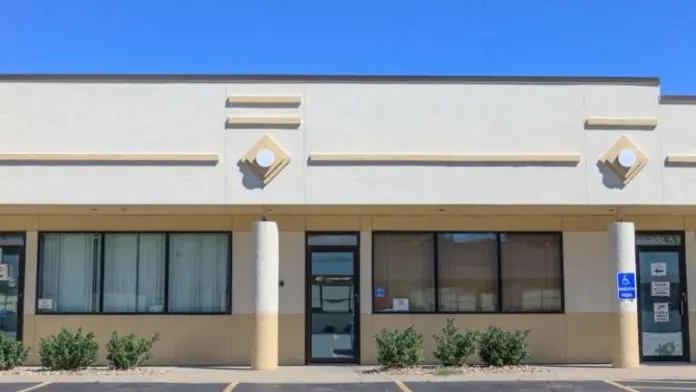
First, the things Compass Health gets clearly right: the building is genuinely impressive. It is clean, well maintained, and welcoming in a way many behavioral health facilities are not. The waiting area is bright and organized, and there is a dedicated children's area with a wide variety of clean toys and interactive activities that would put most parents at ease. The space for children is clearly well thought out, and the whole facility projects a sense that the environment provided to patients genuinely matters. Whoever manages the upkeep here is doing an excellent job.
The most important part of my experience, though, is my therapist. Kaliesha Walker-Thompson is, without exaggeration, one of the finest therapists I have worked with across decades of mental health treatment. I had my first in-person session with her today after many previous telehealth appointments, and I left feeling genuinely lighter and calmer. She is warm, perceptive, and deeply skilled, and she creates a space where difficult topics feel safe to explore. She balances compassionate listening with practical therapeutic direction in a way that is both rare and extremely valuable. I cannot recommend her highly enough. If you are assigned to her, or can request her, I strongly encourage you to do so.
I am giving Compass Health as an organization four stars instead of five because of some system level policies that work against individualized care. One example of one of these policies is a rigid organizational stance against benzodiazepines applied as a blanket rule instead of a true case by case clinical evaluation. For patients who have been stable for nearly two decades with carefully monitored medications under a knowledgeable PCP, a one size fits all policy is not individualized medicine. Individual patient histories deserve individual clinical consideration, not a sweeping institutional rule.
Another concern is the requirement to establish very formal, specifically worded treatment goals at the very first session, before you and your therapist have had more than a session together. You are expected to fill in a template about your problem, the exact treatment method, and a time frame, even though you have barely begun to share your history or build rapport. That process feels driven more by paperwork than by the natural development of a therapeutic relationship, and it puts the administrative cart before the clinical horse.
There are also structural rules such as strict time restrictions, even when they believe something else would serve the patient better. A therapist who believes a patient needs just a little extra time after surfacing a traumatic memory should be empowered to provide that, especially when there is no one scheduled immediately afterward, instead of being constrained by policy strictly limiting session times.
In my experience, the quality of providers here can be very hit or miss. Sometimes you are matched with an excellent therapist, and sometimes you end up with someone who is not a good fit. There does not seem to be a strong process for matching clients with providers based on compatibility, so you may need to advocate for yourself and request a change until you find someone you truly connect with. When you do find the right person, as I have with Kaliesha, the care can be outstanding.
The bottom line: the facility is clean, safe, and welcoming, and therapists like Kaliesha Walker-Thompson are absolutely exceptional. My experience with her today was fantastic, and I felt heard, respected, and genuinely helped. Her EMDR sessions are extremely helpful, and she is well-trained in EMDR. I am giving four stars because of organizational policies and structures, not because of any problem with my therapist or this visit. I would highly recommend Kaliesha to anyone receiving care at Compass Health Network.
Photos of the facility exterior (including crisis line number and hours) are attached.
Response from the owner1 week ago
Thanks for your thoughtful review, Micah! We're thrilled to hear you had such a positive experience with Kaliesha—she truly is a gem! We appreciate your feedback on the organizational policies and will take it into account as we strive to improve. It's great to know that our facility made you feel welcome and safe. Your insights help us grow, so thanks for sharing!
The front desk was very helpful and nice. You have to have the understanding that your first visit can take up to 2 hours. Nice people and comfortable waiting room.
Reviewed on 02/08/2019
Pathways gave me the tools I needed to be able to recover and not only that, also to not fall again. They are very good at what they do and without them I don't know where would I be.

Rehab Score
 Our Methodology
Scoring is assigned by a proprietary system which helps surface key metrics that determine quality. The 10-point scale factors in categories such as operations, customer satisfaction, and trust metrics. Read Full Methodology

4.9 / 10
Gallery
Accepted Insurance
Other Forms of Payment
Sliding scale payments are based on a client's income and family size. The goal is to make treatment affordable to everyone. By taking these factors into account, addiction recovery care providers help ensure that your treatment does not become a financial burden to you or your family, eliminating one barrier to care.
Medicaid is a state based program that helps lower-income individuals and families pay for healthcare. Medicaid covers addiction treatment so those enrolled can use their coverage to pay for rehab. When a program accepts Medicaid the client often pays very little or nothing out of their own pocket.
Medicare is a federal program that provides health insurance for those 65 and older. It also serves people under 65 with chronic and disabling health challenges. To use Medicare for addiction treatment you need to find a program that accepts Medicare and is in network with your plan. Out of pocket costs and preauthorization requirements vary, so always check with your provider.
Military members, veterans, and eligible dependents have access to specific insurance programs that help them get the care they need. TRICARE and VA insurance can help you access low cost or no cost addiction and mental health treatment. Programs that accept military insurance often have targeted treatment focused on the unique challenges military members, veterans, and their families face.
Addiction Treatments
Levels of Care
Outpatient Programs (OP) are for those seeking mental rehab or drug rehab, but who also stay at home every night. The main difference between outpatient treatment (OP) and intensive outpatient treatment (IOP) lies in the amount of hours the patient spends at the facility. Most of the time an outpatient program is designed for someone who has completed an inpatient stay and is looking to continue their growth in recovery. Outpatient is not meant to be the starting point, it is commonly referred to as aftercare.
Treatments
The goal of treatment for alcoholism is abstinence. Those with poor social support, poor motivation, or psychiatric disorders tend to relapse within a few years of treatment. For these people, success is measured by longer periods of abstinence, reduced use of alcohol, better health, and improved social functioning. Recovery and Maintenance are usually based on 12 step programs and AA meetings.
Drug rehab in Missouri usually involves several phases: detox, rehab, and aftercare. The rehab phase may include a combination of inpatient and outpatient treatments, as the individual moves through a continuum of care on their recovery journey.
Many of those suffering from addiction also suffer from mental or emotional illnesses like schizophrenia, bipolar disorder, depression, or anxiety disorders. Rehab and other substance abuse facilities treating those with a dual diagnosis or co-occurring disorder administer psychiatric treatment to address the person's mental health issue in addition to drug and alcohol rehabilitation.
A combined mental health and substance abuse rehab has the staff and resources available to handle individuals with both mental health and substance abuse issues. It can be challenging to determine where a specific symptom stems from (a mental health issue or an issue related to substance abuse), so mental health and substance abuse professionals are helpful in detangling symptoms and keeping treatment on track.
Opioid rehabs specialize in supporting those recovering from opioid addiction. They treat those suffering from addiction to illegal opioids like heroin, as well as prescription drugs like oxycodone. These centers typically combine both physical as well as mental and emotional support to help stop addiction. Physical support often includes medical detox and subsequent medical support (including medication), and mental support includes in-depth therapy to address the underlying causes of addiction.
Programs
Adult rehab programs include therapies tailored to each client's specific needs, goals, and recovery progress. They are tailored to the specific challenges adult clients may face, including family and work pressures and commitments. From inpatient and residential treatment to various levels of outpatient services, there are many options available. Some facilities also help adults work through co-occurring conditions, like anxiety, that can accompany addiction.
Clinical Services
Cognitive Behavioral Therapy (CBT) is a therapy modality that focuses on the relationship between one's thoughts, feelings, and behaviors. It is used to establish and allow for healthy responses to thoughts and feelings (instead of unhealthy responses, like using drugs or alcohol). CBT has been proven effective for recovering addicts of all kinds, and is used to strengthen a patient's own self-awareness and ability to self-regulate. CBT allows individuals to monitor their own emotional state, become more adept at communicating with others, and manage stress without needing to engage in substance abuse.
Whether a marriage or other committed relationship, an intimate partnership is one of the most important aspects of a person's life. Drug and alcohol addiction affects both members of a couple in deep and meaningful ways, as does rehab and recovery. Couples therapy and other couples-focused treatment programs are significant parts of exploring triggers of addiction, as well as learning how to build healthy patterns to support ongoing sobriety.
Dialectical Behavior Therapy (DBT) is a modified form of Cognitive Behavioral Therapy (CBT), a treatment designed to help people understand and ultimately affect the relationship between their thoughts, feelings, and behaviors. DBT is often used for individuals who struggle with self-harm behaviors, such as self-mutilation (cutting) and suicidal thoughts, urges, or attempts. It has been proven clinically effective for those who struggle with out-of-control emotions and mental health illnesses like Borderline Personality Disorder.
Experiential therapy is a form of therapy in which clients are encouraged to surface and work through subconscious issues by engaging in real-time experiences. Experiential therapy departs from traditional talk therapy by involving the body, and having clients engage in activities, movements, and physical and emotional expression. This can involve role-play or using props (which can include other people). Experiential therapy can help people process trauma, memories, and emotion quickly, deeply, and in a lasting fashion, leading to substantial and impactful healing.
Research clearly demonstrates that recovery is far more successful and sustainable when loved ones like family members participate in rehab and substance abuse treatment. Genetic factors may be at play when it comes to drug and alcohol addiction, as well as mental health issues. Family dynamics often play a critical role in addiction triggers, and if properly educated, family members can be a strong source of support when it comes to rehabilitation.
Group therapy is any therapeutic work that happens in a group (not one-on-one). There are a number of different group therapy modalities, including support groups, experiential therapy, psycho-education, and more. Group therapy involves treatment as well as processing interaction between group members.
In individual therapy, a patient meets one-on-one with a trained psychologist or counselor. Therapy is a pivotal part of effective substance abuse treatment, as it often covers root causes of addiction, including challenges faced by the patient in their social, family, and work/school life.
Nicotine Replacement Therapy (NRT) is a way of getting nicotine into the bloodstream without smoking. It uses products that supply low doses of nicotine to help people stop smoking. The goal of therapy is to cut down on cravings for nicotine and ease the symptoms of nicotine withdrawal.
Nutrition therapy, aka medical nutrition therapy (MNT), is a way of treating physical, emotional, and medical conditions through diet. Specific dietary plans are designed by professional nutritionists or registered dietitians, and patients follow them in order to positively affect their physical and mental health.
Trauma therapy addresses traumatic incidents from a client's past that are likely affecting their present-day experience. Trauma is often one of the primary triggers and potential causes of addiction, and can stem from child sexual abuse, domestic violence, having a parent with a mental illness, losing one or both parents at a young age, teenage or adult sexual assault, or any number of other factors. The purpose of trauma therapy is to allow a patient to process trauma and move through and past it, with the help of trained and compassionate mental health professionals.
Amenities
-
 Private Setting
Staff
Tim Swinfard
President & CEO
Al Greimann
Executive VP & President/CEO
Gloria Miller
Executive VP & Chief Behavioral Health Officer
Alan Stevens
Executive VP & COO
Rehab.com regularly reviews this listing for accuracy but changes may occur between updates. For the most up-to-date information, please contact Compass Health Network.
Contact Information

300 Galaxie Avenue
Harrisonville MO, 64701
Get Help Now - 816-892-9904
Sponsored Helpline
Sponsored Helpline


