






























































































Im a current client of purpose in scottsdale,az and id like to say they are amazing the staff are great my housing is outstanding the treatment here is fantastic they truly are the best they really have helped me heal and find purpose they saved my life i love them id recomm ...
About Purpose Healing Center Drug and Alcohol Rehab Scottsdale
In the beginning, the road to recovery can feel overwhelming and create fear because you are going into the next chapter of your life and everything changes. This facility provides inpatient treatment beginning with medical detox. Seeking inpatient care can be beneficial to your recovery because it’s a vulnerable time with a lot of changes and emotions arising.
Their team of licensed clinicians will be there every step of the way to ensure you are safe and provide guidance to help you move forward. Medical detox can be necessary due to the impact you might be experiencing from chemical dependency. They assist with medication management and you will be under medical supervision until it’s safe for you to move forward.
Their residential inpatient program gives you a chance to get acclimated with a routine and helps you get into structure. In this program, individual and group therapy will be part of your treatment.
You’ll work to develop healthy coping skills and incorporate holistic therapy methods you can utilize when unexpected challenges arise. In group therapy, having support from other peers and being able to discuss hurdles you may be facing provides a sense of being able to identify, relate and uplift others. They will help you create a discharge plan before phasing out into outpatient treatment before you go back home.
Latest Reviews
Everybody here is amazing especially house non Brittany. Thankful for everyone at purpose, this one stuck!!
This program saved me and changed me. Out of all the programs I’ve been to and I’ve been to a few I can say they really do care. The houses are beautiful. The program can be relaxing, fun, and healing all at once. I appreciate the staff here very much. A huge shout out to my House manager she made the whole difference, she held me accountable! She’s awesome at her job and so dedicated. Thank you purpose healing.
I'm in the 2nd phase of my addiction treatment with Purpose Healing and it's been nothing but exceptional so far. Professional and compassionate staff help guide you through your recovery journey - Addressing both addiction and trauma. I'd strongly recommend this place to others seeking help.

Rehab Score
 Our Methodology
Scoring is assigned by a proprietary system which helps surface key metrics that determine quality. The 10-point scale factors in categories such as operations, customer satisfaction, and trust metrics. Read Full Methodology

8.3 / 10
Gallery




Accepted Insurance

Banner University Health Plans
Other Forms of Payment
Private insurance refers to any kind of healthcare coverage that isn't from the state or federal government. This includes individual and family plans offered by an employer or purchased from the Insurance Marketplace. Every plan will have different requirements and out of pocket costs so be sure to get the full details before you start treatment.
Military members, veterans, and eligible dependents have access to specific insurance programs that help them get the care they need. TRICARE and VA insurance can help you access low cost or no cost addiction and mental health treatment. Programs that accept military insurance often have targeted treatment focused on the unique challenges military members, veterans, and their families face.
Private insurance refers to any kind of healthcare coverage that isn't from the state or federal government. This includes individual and family plans offered by an employer or purchased from the Insurance Marketplace. Every plan will have different requirements and out of pocket costs so be sure to get the full details before you start treatment.
Medicaid is a state based program that helps lower-income individuals and families pay for healthcare. Medicaid covers addiction treatment so those enrolled can use their coverage to pay for rehab. When a program accepts Medicaid the client often pays very little or nothing out of their own pocket.
Self-pay involves paying for treatment out of your own pocket. You can use savings or credit, get a personal loan, or receive help from family and friends to fund your treatment. If you don't have insurance or your insurance plan doesn't cover a specific program, self-pay can help ensure you still get the care you need.
Addiction Treatments
Levels of Care
Inpatient rehab is designed primarily for persons in early recovery and those who are exiting detox programs. It's ideal for clients in crisis or at an elevated risk of relapse. Inpatient treatment centers provide housing and meals, allowing clients to focus on their recovery away from distractions and addiction triggers. Clients engage in intensive psychotherapy, and many inpatient programs feature recovery-focused life skills training and/or complementary therapies like meditation, creative arts therapy, and other holistic treatments.
Many clients who enroll in an outpatient rehab program are exiting intensive inpatient care and no longer require such high-level clinical supervision. Outpatient programs typically follow a step-down structure, with treatment frequency and intensity decreasing as clients progress in their recovery journey. Partial hospitalization (PHP) and intensive outpatient (IOP) levels of care are the most time-intensive and are designed primarily for clients who have just left inpatient treatment or who are at an elevated risk of relapse.
Intensive inpatient programs (IOP) offer high-level support for clients in early recovery, those exiting detox or inpatient rehabs, and those at an elevated risk of relapse. Intensive outpatient treatment typically includes rigorous individual, group, and family counseling. Evidence-based complementary therapies, such as acupuncture and massage, are widely available. Medication assisted treatment (MAT) may be provided. Clients in IOP receive a minimum of nine hours of treatment per week but may engage in up to 20 treatment hours weekly.
A partial hospitalization program (PHP) is a short-term form of intensive rehab, usually for those with acute symptoms that are hard to manage but don’t require 24-hour care. PHPs have structured programming (i.e. individual and/or group therapy), and usually meet 3-5 days a week for around 6 hours (i.e. 9am-3m). Some PHPs are residential (patients sleep on site) and some are not, so patients sleep at home. PHPs can last from 1-6 months, and some offer transportation and meals.
The safest way to remove addictive substances from your body is done under the care of licensed medical professionals. Known as medically assisted detox, this level of care is typically in an inpatient setting with a team of medical experts that may include doctors, nurses, and mental health clinicians. Medications like Suboxone, methadone, or Vivitrol may be administered to help alleviate withdrawal symptoms.
The initial phase of recovery treatment typically includes 24-hour clinical care in Arizona. This constant supervision ensures a safe detox process, which helps the individual physically stabilize from substance use. Patients will receive medications to curb withdrawal symptoms and cravings, as well as other necessary medical treatment. This period typically lasts up to a week, then the individual will receive medical clearance to begin inpatient or outpatient rehab.
Treatments
The goal of treatment for alcoholism is abstinence. Those with poor social support, poor motivation, or psychiatric disorders tend to relapse within a few years of treatment. For these people, success is measured by longer periods of abstinence, reduced use of alcohol, better health, and improved social functioning. Recovery and Maintenance are usually based on 12 step programs and AA meetings.
Drug rehab in Arizona is the process of treating individuals who are dependent on a particular addictive drug. Because addiction is complex, this treatment typically includes a variety of interventions that address the many physical and emotional issues involved.
Substance rehabs focus on helping individuals recover from substance abuse, including alcohol and drug addiction (both illegal and prescription drugs). They often include the opportunity to engage in both individual as well as group therapy.
Dual-diagnosis addiction treatment in Arizona provides integrated care for individuals with co-occurring substance use disorders and mental health conditions. Services may include medically assisted detox, 12-Step recovery, intensive outpatient programs, and aftercare support. Addiction experts use evidence-based therapies, like cognitive behavioral therapy, or dialectical behavioral therapy, and trauma-focused therapy, to simultaneously address substance use and mental health disorders. This comprehensive approach to treatment helps to ensure sustained recovery.
Programs
Adult rehab programs include therapies tailored to each client's specific needs, goals, and recovery progress. They are tailored to the specific challenges adult clients may face, including family and work pressures and commitments. From inpatient and residential treatment to various levels of outpatient services, there are many options available. Some facilities also help adults work through co-occurring conditions, like anxiety, that can accompany addiction.
Young adulthood can be an exciting, yet difficult, time of transition. Individuals in their late teens to mid-20s face unique stressors related to school, jobs, families, and social circles, which can lead to a rise in substance use. Rehab centers with dedicated young adult programs will include activities and amenities that cater to this age group, with an emphasis on specialized counseling, peer socialization, and ongoing aftercare.
Clinical Services
Also known as CBT, cognitive behavioral therapy in Arizona is one of the most common types of psychotherapy. It offers a structured method of counseling that effectively treats substance use disorder and dual diagnosis disorders.
The goal of motivational interviewing in Arizona is to enhance your confidence in your ability to make changes in your life. It encourages you to commit to change and plan for the process of making those changes that will allow you to reach your goals.
Family therapy involves sessions where members of the family discuss how addiction has affected them individually and collectively. Therapists can guide families in developing coping strategies that help support their loved one's recovery while also focusing on their own emotional health.
Group therapy is any therapeutic work that happens in a group (not one-on-one). There are a number of different group therapy modalities, including support groups, experiential therapy, psycho-education, and more. Group therapy involves treatment as well as processing interaction between group members.
Dialectical behavior therapy in Arizona focuses on acceptance of your reality and behaviors while also attempting to make changes in unhealthy behaviors. It has been shown to be effective for the treatment of anxiety, depression, PTSD, and substance use disorder.
Individual therapy for drug and alcohol addiction includes focused attention on the unique challenges that trigger addictive behavior. During individual therapy sessions, you have a safe space in which to discuss stressors and emotional struggles. Therapy fosters trust and open communication that helps develop personalized strategies to overcome addiction.
Amenities
-
 Yoga Studio
 -
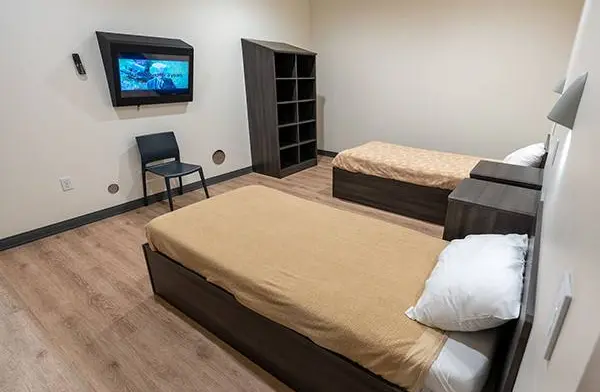
 Private Rooms
 -
 Walking Trails
Staff & Accreditations
Staff
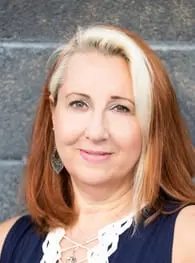
Robin Byrne, Co-Founder
Chief Clinical Officer

JP G, CFO
Co-Founder
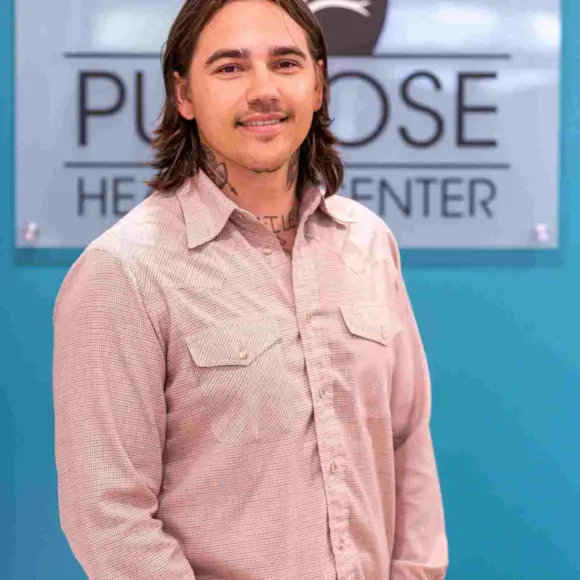
Gabriel T, CEO
Co-Founder
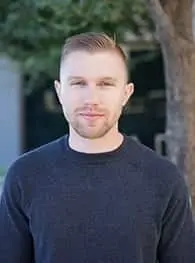
Brent Osnato
Director of Operations
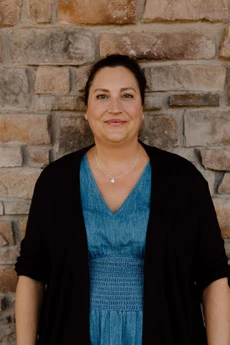
Jenn Govan
Clinical Director
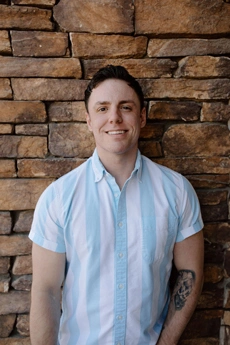
Michael Conrad
BHT supervisor
Accreditations

The Joint Commission, formerly known as JCAHO, is a nonprofit organization that accredits rehab organizations and programs. Founded in 1951, the Joint Commision's mission is to improve the quality of patient care and demonstrating the quality of patient care.
Joint Commission Accreditation: Yes
Rehab.com regularly reviews this listing for accuracy but changes may occur between updates. For the most up-to-date information, please contact Purpose Healing Center Drug and Alcohol Rehab Scottsdale.
Contact Information

8712 E Via De Commercio
Scottsdale, AZ 85258
Get Help Now - 602-613-5536
Sponsored Helpline
Sponsored Helpline

