











Staff was very unhelpful! The place was very disorganized, lack of management skills! They never return your phone calls!
Hazelden Betty Ford Foundation
1
Top 10 Rehab Centers In Plymouth



















































































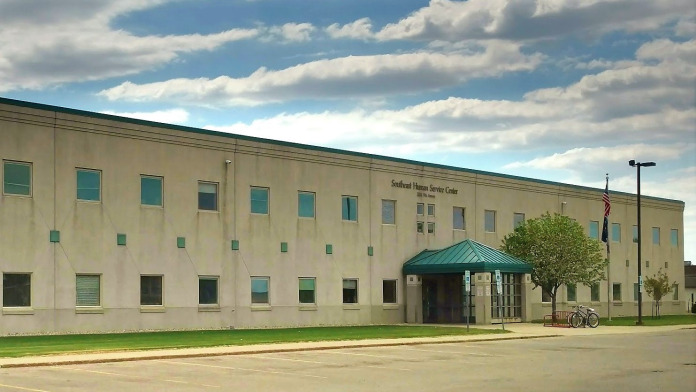
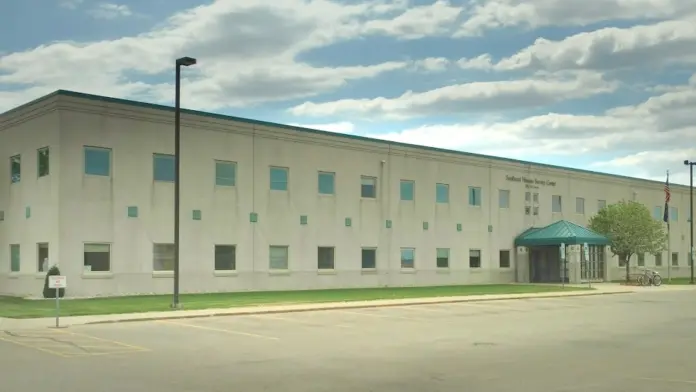
The treatment here is outpatient based, with services like addiction counseling and therapy. They serve such a wide variety of needs and conditions, and they’ll work with you as an individual to get you what you need for your recovery.
I think the most important benefit to this treatment center is that they’re really focused on being there for people with the help they need when they need it. For example, they can do walk in behavioral health assessments when you’re ready to make a change and get help for your addiction. There’s no appointment needed and you can walk in during business hours. They’ll do an assessment and can even start treatment right away if you have severe symptoms, or they’ll set you up to start treatment within a day or two.
Along with walk in assessments, they also have a 24 hour behavioral health crisis line. You can call when you’re in a tough spot and they’ll help you work through the crisis and set you up with resources to help. Plus all the services at this treatment center have sliding scale fees, so you only pay what you can afford. No one is turned away for an inability to pay.
Clients have expressed frustrations with the administrative processes and wait times here. When it comes to quality of care, though, clients are often happy with their treatment and especially with the substance abuse classes.

 Our Methodology


Self-pay involves paying for treatment out of your own pocket. You can use savings or credit, get a personal loan, or receive help from family and friends to fund your treatment. If you don't have insurance or your insurance plan doesn't cover a specific program, self-pay can help ensure you still get the care you need.
Financial aid can take many forms. Centers may have grants or scholarships available to clients who meet eligibility requirements. Programs that receive SAMHSA grants may have financial aid available for those who need treatment as well. Grants and scholarships can help you pai for treatment without having to repay.
Sliding scale payments are based on a client's income and family size. The goal is to make treatment affordable to everyone. By taking these factors into account, addiction recovery care providers help ensure that your treatment does not become a financial burden to you or your family, eliminating one barrier to care.
Medicare is a federal program that provides health insurance for those 65 and older. It also serves people under 65 with chronic and disabling health challenges. To use Medicare for addiction treatment you need to find a program that accepts Medicare and is in network with your plan. Out of pocket costs and preauthorization requirements vary, so always check with your provider.
Medicaid is a state based program that helps lower-income individuals and families pay for healthcare. Medicaid covers addiction treatment so those enrolled can use their coverage to pay for rehab. When a program accepts Medicaid the client often pays very little or nothing out of their own pocket.
Military members, veterans, and eligible dependents have access to specific insurance programs that help them get the care they need. TRICARE and VA insurance can help you access low cost or no cost addiction and mental health treatment. Programs that accept military insurance often have targeted treatment focused on the unique challenges military members, veterans, and their families face.
Private insurance refers to any kind of healthcare coverage that isn't from the state or federal government. This includes individual and family plans offered by an employer or purchased from the Insurance Marketplace. Every plan will have different requirements and out of pocket costs so be sure to get the full details before you start treatment.
Outpatient Programs (OP) are for those seeking mental rehab or drug rehab, but who also stay at home every night. The main difference between outpatient treatment (OP) and intensive outpatient treatment (IOP) lies in the amount of hours the patient spends at the facility. Most of the time an outpatient program is designed for someone who has completed an inpatient stay and is looking to continue their growth in recovery. Outpatient is not meant to be the starting point, it is commonly referred to as aftercare.
Clients receiving treatment in an intensive outpatient program (IOP) often require higher-level support than those in standard outpatient (OP) programs. They are usually in early recovery or are experiencing crisis situations that increase their relapse risk. Intensive outpatient treatment generally involves nine to 20 hours of treatment weekly and may include a combination of addiction counseling, recovery education, medication assisted treatment (MAT), and holistic therapies, such as meditation, acupuncture, and massage.
Recovery models based on 12 step programming combine intensive peer support with an emphasis on personal growth. Participants are expected to select a peer sponsor to mentor them through the recovery journey. 12 step recovery strategies are rooted in spiritual principles to promote self-compassion, acceptance, and accountability. Regular attendance at group meetings, which are free, anonymous, and open to the public, is expected. Specialized formats, including programs for seniors, youth, and families, are available in most communities.
Intervention services offer expert insights into the planning and execution of a drug intervention in North Dakota. Applying expert knowledge, an intervention specialist can develop an intervention plan that is tailored to the needs of the family. This customized, expert approach can help guide the individual to treatment without harming their self-esteem or putting barriers between family members.
In a partial hospitalization program (PHP), you'll experience intensive rehab with the ability to return home each day. PHP treatment is recommended for those with moderate to severe addictions that don't require 24/7 care. A partial hospitalization program serves as an alternative to inpatient hospitalization or as a step-down option. Throughout the week, you'll attend meetings for 4-8 hours each day, up to 3-5 days a week, for an average of 90 days. Medication management, evidence-based therapies, and relapse prevention are typical components of PHP treatment.
Inpatient rehabs primarily serve clients who have just completed detox, those who are in crisis and at an elevated risk of relapse, and those who have a strong history of relapse. They provide a highly structured and supportive environment and intensive supervision. Residents engage in extensive addiction counseling. Many programs also offer recovery-focused life skills training to support clients' sustained sobriety. Holistic therapies, such as yoga and meditation, are available at many facilities.
Medically assisted detox involves weaning your body off alcohol and drugs in a medically supervised environment. This is often the first step in the addiction recovery process. Abruptly stopping intake of alcohol and some drugs (like benzodiazepines and opioids) can cause uncomfortable side effects. In severe cases, withdrawal symptoms can even be dangerous. To minimize risks and discomfort, a team of medical professionals will monitor you 24/7, and may provide medications if necessary to ease potential withdrawal symptoms.
Many of those suffering from addiction also suffer from mental or emotional illnesses like schizophrenia, bipolar disorder, depression, or anxiety disorders. Rehab and other substance abuse facilities treating those with a dual diagnosis or co-occurring disorder administer psychiatric treatment to address the person's mental health issue in addition to drug and alcohol rehabilitation.
Mental health rehabs focus on helping individuals recover from mental illnesses like bipolar disorder, clinical depression, anxiety disorders, schizophrenia, and more. Mental health professionals at these facilities are trained to understand and treat mental health issues, both in individual and group settings.
An alcohol use disorder is a condition in which your ability to control how much you drink is impaired. People with alcoholism typically require some form of alcohol rehab in North Dakota to recover from alcohol addiction. Treatment may involve individual or group counseling, residential rehab, or an outpatient program. Support systems are key during and after treatment, so family involvement and mutual-support groups are crucial.
The goal of drug rehab in North Dakota is to help individuals overcome addiction. These programs provide treatment for both mind and body and teach participants how to live healthy, productive lives without drug abuse.
 Opioid Addiction
Adult rehab programs include therapies tailored to each client's specific needs, goals, and recovery progress. They are tailored to the specific challenges adult clients may face, including family and work pressures and commitments. From inpatient and residential treatment to various levels of outpatient services, there are many options available. Some facilities also help adults work through co-occurring conditions, like anxiety, that can accompany addiction.
Teen programs are designed to address the unique pressures teens face, pressures that can drive them to experiment with dangerous, addictive substances. They need programs that meet them exactly where they are and give them tools for long-term recovery. Therapy can help teenagers understand and work through underlying issues so they can reclaim the life ahead of them.
Cognitive Behavioral Therapy (CBT) is a therapy modality that focuses on the relationship between one's thoughts, feelings, and behaviors. It is used to establish and allow for healthy responses to thoughts and feelings (instead of unhealthy responses, like using drugs or alcohol). CBT has been proven effective for recovering addicts of all kinds, and is used to strengthen a patient's own self-awareness and ability to self-regulate. CBT allows individuals to monitor their own emotional state, become more adept at communicating with others, and manage stress without needing to engage in substance abuse.
Dialectical Behavior Therapy (DBT) is a modified form of Cognitive Behavioral Therapy (CBT), a treatment designed to help people understand and ultimately affect the relationship between their thoughts, feelings, and behaviors. DBT is often used for individuals who struggle with self-harm behaviors, such as self-mutilation (cutting) and suicidal thoughts, urges, or attempts. It has been proven clinically effective for those who struggle with out-of-control emotions and mental health illnesses like Borderline Personality Disorder.
Motivational interviewing helps you find internal motivation to change. If you're feeling insecure about your ability to change or ambivalent about the need for change, this method can help you explore your options and motivations.
Trauma therapy addresses traumatic incidents from a client's past that are likely affecting their present-day experience. Trauma is often one of the primary triggers and potential causes of addiction, and can stem from child sexual abuse, domestic violence, having a parent with a mental illness, losing one or both parents at a young age, teenage or adult sexual assault, or any number of other factors. The purpose of trauma therapy is to allow a patient to process trauma and move through and past it, with the help of trained and compassionate mental health professionals.
Men and women in North Dakota find accountability and motivation within group therapy sessions. Members encourage each other to stay committed to their recovery goals, which fosters a sense of community and shared progress. These friendships often follow you outside the group therapy setting.
People in North Dakota work confidentially with their therapist who uses tailored interventions in the individual therapy sessions. These help you to develop effective coping skills and use emotional regulation techniques that enhance your likelihood of experiencing long term and sustainable sobriety.
 Private Rooms
  Gym
Gym  Recreation Room
  Walking Trails
The Commission on Accreditation of Rehabilitation Facilities (CARF) is a non-profit organization that specifically accredits rehab organizations. Founded in 1966, CARF's, mission is to help service providers like rehab facilities maintain high standards of care.
CARF Accreditation: Yes

The Joint Commission, formerly known as JCAHO, is a nonprofit organization that accredits rehab organizations and programs. Founded in 1951, the Joint Commision's mission is to improve the quality of patient care and demonstrating the quality of patient care.
Joint Commission Accreditation: Yes

The Substance Abuse and Mental Health Services Administration (SAMHSA) is a branch of the U.S. Department of Health and Human Services. Established in 1992 by congress, SAMHSA's mission is to reduce the impact of substance abuse and mental illness on American's communities.
SAMHSA Listed: Yes

State Licenses are permits issued by government agencies that allow rehab organizations to conduct business legally within a certain geographical area. Typically, the kind of program a rehab facility offers, along with its physical location, determines which licenses are required to operate legally.
State License: North Dakota
Rehab.com regularly reviews this listing for accuracy but changes may occur between updates. For the most up-to-date information, please contact Southeast Human Service Center: Region V.

2624 9th Avenue South
Fargo ND, 58103
Sponsored Helpline
Staff was very unhelpful! The place was very disorganized, lack of management skills! They never return your phone calls!

It is as if you have to be a schizophrenic to receive help, all the other "diagnosis" the other mental health issues many deal with be damned.

Wasted four hours of my time to tell me they can’t prescribe me my medication.


"How neoliberal capitalism co-opted wellness culture. Key arguments: Structural oppression is rebranded as personal psychological failure. Corporate accountability is deflected, and profit is generated from individual suffering. Widespread occupational stress is a structural issue of resource deprivation, not individual weakness (Job Demands-Resources model). The legal system reinforces individual blame over systemic toxicity. Corporate wellness programs shift the burden of endurance onto employees. Historical contrast: The radical origin of self-care as a political act of survival and collective resistance (Audre Lorde, Black Panther Party). The commodification process: Political intent was neutralized to align with neoliberal individualism. This created healthism, moralizing wellness and masking privilege. Suffering becomes a private, profitable problem. Individuals self-regulate to fit the system, rather than demanding structural change (Foucault's governmentality). Argues that modern wellness culture has been co-opted by neoliberal capitalism to rebrand structural oppression as personal psychological deficits, thereby deflecting corporate accountability and profiting from individual suffering. It explains that widespread occupational stress, disproportionately affecting women and specific sectors, is primarily a structural issue of resource deprivation, not individual weakness, as shown by the Job Demands-Resources model. The legal system reinforces this individual blame by focusing on employee vulnerability rather than systemic toxicity, and corporate wellness programs serve as superficial risk management tools that shift the burden of endurance onto workers. The video contrasts this with the radical history of self-care, which originated as a political act of survival and collective resistance against systemic oppression, exemplified by Audre Lorde and the Black Panther Party, emphasizing community and structural change. This political intent was neutralized and commodified, aligning with neoliberalism's focus on individual responsibility and leading to healthism, which moralizes wellness practices and masks the privilege of access, further privatizing suffering. This mechanism, described by Foucault's governmentality, encourages individuals to self-regulate and adjust to the system rather than demanding structural transformation."
 Back
Back
Sharing your insights and experiences can help others learn more about this rehab center.


 Written By: Nikki Wisher
BA
Written By: Nikki Wisher
BA