





























































































About The Advocate Program
Their Adult Behavioral Health Services program is licensed by the Department of Children and Families and the Florida Department of Corrections to treat substance abuse and aftercare. They also provide services for the United States Probation and Pretrial Services System.
The Advocate Program has clinical services such as substance abuse evaluations and mental health evaluations. They have regular outpatient counseling services and intensive outpatient services along with outpatient substance abuse treatment. These programs include individual and group counseling along with aftercare and recovery services. The Program also has case management for those who need it.
They offer these services on a sliding scale and have some funds available to cover costs for uninsured or underinsured patients who live in Miami-Dade County.
The Advocate Program also has some other programs like a Domestic Violence and Supervisions Unit and a Bridging Families and Communities (BFC) program that’s centered around supporting children in families with high conflict or domestic violence issues. There’s a program set up to help with Veteran housing here too.
One former patient here said the staff is responsible and helpful. Another said if you go there for help you’re in good hands.
Latest Reviews



Rehab Score
 Our Methodology


Gallery
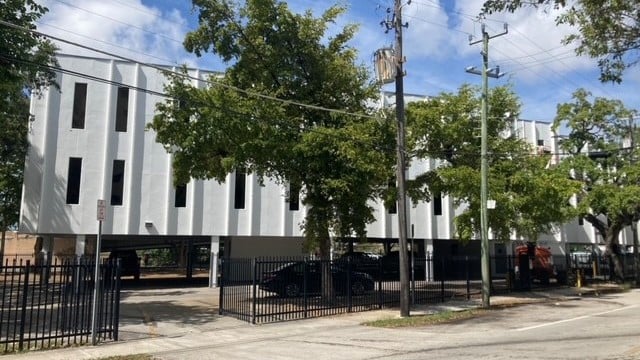
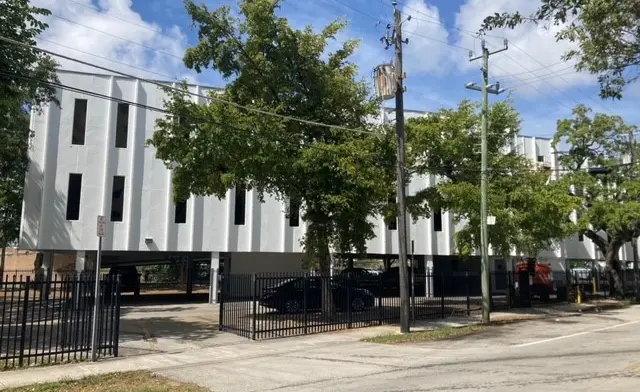
Accepted Insurance
Other Forms of Payment
Private insurance refers to any kind of healthcare coverage that isn't from the state or federal government. This includes individual and family plans offered by an employer or purchased from the Insurance Marketplace. Every plan will have different requirements and out of pocket costs so be sure to get the full details before you start treatment.
Self-pay involves paying for treatment out of your own pocket. You can use savings or credit, get a personal loan, or receive help from family and friends to fund your treatment. If you don't have insurance or your insurance plan doesn't cover a specific program, self-pay can help ensure you still get the care you need.
Sliding scale payments are based on a client's income and family size. The goal is to make treatment affordable to everyone. By taking these factors into account, addiction recovery care providers help ensure that your treatment does not become a financial burden to you or your family, eliminating one barrier to care.
Military members, veterans, and eligible dependents have access to specific insurance programs that help them get the care they need. TRICARE and VA insurance can help you access low cost or no cost addiction and mental health treatment. Programs that accept military insurance often have targeted treatment focused on the unique challenges military members, veterans, and their families face.
Medicaid is a state based program that helps lower-income individuals and families pay for healthcare. Medicaid covers addiction treatment so those enrolled can use their coverage to pay for rehab. When a program accepts Medicaid the client often pays very little or nothing out of their own pocket.
Addiction Treatments
Levels of Care
Outpatient Programs (OP) are for those seeking mental rehab or drug rehab, but who also stay at home every night. The main difference between outpatient treatment (OP) and intensive outpatient treatment (IOP) lies in the amount of hours the patient spends at the facility. Most of the time an outpatient program is designed for someone who has completed an inpatient stay and is looking to continue their growth in recovery. Outpatient is not meant to be the starting point, it is commonly referred to as aftercare.
Intensive outpatient programs (IOP) involve frequent and robust therapeutic sessions for clients requiring high-level care. Clients may engage in a combination of medication assisted treatment (MAT), addiction counseling, recovery skills training, and holistic therapies for a minimum of nine and a maximum of 20 hours per week. Intensive outpatient rehab is designed primarily for persons in early recovery, those exiting detox or inpatient care, and those at an elevated relapse risk.
If a person with a substance use disorder continually denies their problem or refuses to get treatment, a drug intervention in Florida may be necessary. Intervention services can help mediate the intervention by providing an addiction expert. This professional can de-escalate situations and facilitate a healthier discussion between the individual and their loved ones. Specialists can also help families handle issues they don't know how to navigate on their own.
24-hour clinical care in Florida is an essential part of treatment, particularly with medical detox. Withdrawal symptoms can be severe, and supervised detox provides around the clock access to medical professionals who can adminsiter proper medications and treatment to address these symptoms and step in should an emergency occur. This intensive clinical care will help curb the withdrawal effects, minimize substance dependence, and prepare you for the next step of treatment.
Clients typically choose inpatient rehab when they are in early recovery or are experiencing a crisis that puts them at an increased risk of relapse. They reside at the treatment center for the length of their program, which may range from two weeks to more than 18 months, depending on the program design. Intensive psychotherapy is often the primary treatment modality, but clients in inpatient care may also receive holistic treatment and recovery-focused life skills training.
Treatments
The goal of treatment for alcoholism is abstinence. Those with poor social support, poor motivation, or psychiatric disorders tend to relapse within a few years of treatment. For these people, success is measured by longer periods of abstinence, reduced use of alcohol, better health, and improved social functioning. Recovery and Maintenance are usually based on 12 step programs and AA meetings.
Drug rehab in Florida provides quality treatment to help individuals overcome dependency related to a wide range of addictive substances. Programs address both the physical and mental aspects of addiction in order to help you make a full recovery.
A combined mental health and substance abuse rehab has the staff and resources available to handle individuals with both mental health and substance abuse issues. It can be challenging to determine where a specific symptom stems from (a mental health issue or an issue related to substance abuse), so mental health and substance abuse professionals are helpful in detangling symptoms and keeping treatment on track.
Opioid rehabs specialize in supporting those recovering from opioid addiction. They treat those suffering from addiction to illegal opioids like heroin, as well as prescription drugs like oxycodone. These centers typically combine both physical as well as mental and emotional support to help stop addiction. Physical support often includes medical detox and subsequent medical support (including medication), and mental support includes in-depth therapy to address the underlying causes of addiction.
In Florida, substance abuse treatment focuses on treating mental health and substance use disorders concurrently to improve recovery outcomes and overall health. Levels of care include medical detox, outpatient, residential treatment, and intensive outpatient programs. Clinicians utilize evidence-based therapies such as dialectical behavioral therapy (DBT) or medication-assisted treatment, group therapy, and skills training activities. This comprehensive approach to treatment helps to ensure sustained recovery.
When you have a mental health disorder and an addiction, it's known as a co-occurring disorder. Since treating both conditions at the same time is critical, you'll want to seek out a dual diagnosis treatment center. These specialized rehabs offer the care needed to overcome both disorders, which drastically increases your chances of success in long-term recovery. Types of therapies provided tend to include individual and group counseling, relapse prevention education, coping skills training, and cognitive behavioral therapy (CBT).
Programs
Adult rehab programs include therapies tailored to each client's specific needs, goals, and recovery progress. They are tailored to the specific challenges adult clients may face, including family and work pressures and commitments. From inpatient and residential treatment to various levels of outpatient services, there are many options available. Some facilities also help adults work through co-occurring conditions, like anxiety, that can accompany addiction.
Serving in the military is both mentally and physically challenging, and can result in trauma that persists even after combat ends. Military programs are tailored to the specific and often complex needs of active duty personnel, veterans, and military families. Clients often access these programs through the U.S. Department of Veterans Affairs (VA).
Clinical Services
Therapists who apply cognitive behavioral therapy in Florida believe patient thoughts and behaviors are closely linked. They use this treatment method to help clients change their thought patterns so they can also change behaviors and break free from substance abuse.
Group therapy is any therapeutic work that happens in a group (not one-on-one). There are a number of different group therapy modalities, including support groups, experiential therapy, psycho-education, and more. Group therapy involves treatment as well as processing interaction between group members.
In individual therapy, a patient meets one-on-one with a trained psychologist or counselor. Therapy is a pivotal part of effective substance abuse treatment, as it often covers root causes of addiction, including challenges faced by the patient in their social, family, and work/school life.
As a short term therapeutic method, motivational interviewing in Florida requires only a couple of sessions. During these sessions, you'll have the opportunity to talk about your circumstances and any discrepancies between your current situation and future goals. You'll then decide for yourself what changes you want to make.
Trauma therapy helps you work through the psychological impact that traumatic events have had on your life. Your therapist helps you identify the physical, emotional, and mental triggers and develop coping mechanisms. This helps rebuild a sense of safety and trust in yourself and others.
Whether a marriage or other committed relationship, an intimate partnership is one of the most important aspects of a person's life. Drug and alcohol addiction affects both members of a couple in deep and meaningful ways, as does rehab and recovery. Couples therapy and other couples-focused treatment programs are significant parts of exploring triggers of addiction, as well as learning how to build healthy patterns to support ongoing sobriety.
Research clearly demonstrates that recovery is far more successful and sustainable when loved ones like family members participate in rehab and substance abuse treatment. Genetic factors may be at play when it comes to drug and alcohol addiction, as well as mental health issues. Family dynamics often play a critical role in addiction triggers, and if properly educated, family members can be a strong source of support when it comes to rehabilitation.
Life skills are the core skills you need for daily success. They can include self care, stress management, daily routines, and emotion control. Rehab treatment includes the development of these skills so you have the tools you need for long term recovery.
Dialectical behavior therapy in Florida consists of individual therapy and group instruction. This structured program is a form of psychotherapy that incorporates the development of skills for managing emotions and relationships.
Staff & Accreditations
Staff
Isabel Perez-Morina, Ph.D
CEO
HT Smith
General Counsel
Jessica Bormey, CPA,MAcc
Financial strategist
Althea Birch, MPH
Director of Community Programs
Allan Elliot, CPA
Director of Finance
Marcia Hasbani, HRM
Director of Human Resources
Maritza Rosales, MS-AAI
Director of Information Technology
Milton Fonseca
Director of Perfomance, Quality and Improvement
Accreditations

State Licenses are permits issued by government agencies that allow rehab organizations to conduct business legally within a certain geographical area. Typically, the kind of program a rehab facility offers, along with its physical location, determines which licenses are required to operate legally.
State License: Florida
Rehab.com regularly reviews this listing for accuracy but changes may occur between updates. For the most up-to-date information, please contact The Advocate Program.
Contact Information


1399 NW 17th Avenue
2nd Floor
Miami, FL 33125
Sponsored Helpline



