






























































































It has helped me so much, and I have created a bond with them in such a unique way! I am very grateful!
About True North Recovery & Wellness Center
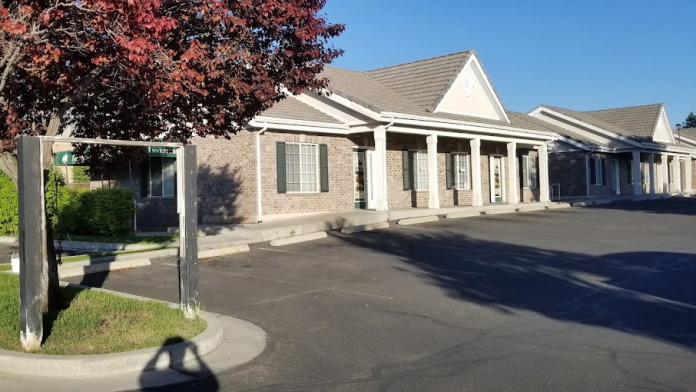
True North Recovery & Wellness Center is an opioid addiction treatment facility in Orem, Utah. They are accredited by the Commission on Accreditation of Rehabilitation Facilities. The services that clients can receive at this location include medication assisted treatment (MAT) and intensive outpatient care.
FDA Approved Medications to Treat Addiction
Clients at Truth North Recovery & Wellness Center can be prescribed FDA approved medications to treat their addiction. The medications that will help reduce your cravings and withdrawal symptoms are methadone, naltrexone and buprenorphine. You’ll be given the appropriate dosage so that there’s no risk of addiction.
Methadone and buprenorphine are taken on a daily basis, while naltrexone is administered through an injection once every 28 days. The staff will determine which medication option to prescribe you based on your specific medical needs.
Behavioral Therapies for Lasting Recovery
The medication you’ll be taking will be combined with behavioral therapies to provide lasting recovery. The therapies that counselors may use in your sessions are dialectical behavior therapy (DBT), cognitive behavioral therapy (CBT) and motivational interviewing.
DBT and CBT can help you develop stress management techniques that can prevent you from relapsing. Motivational interviewing is useful for increasing your desire to change your addictive behavior.
Healing at the Park
Truth North Recovery & Wellness Center is close to multiple parks that can help support your sobriety. One area that you may find very relaxing is the Powell Slough Waterfowl Management Area. It’s a large wetland that offers the opportunity to do some nature viewing and go on a hike.
Latest Reviews
Love the care and understanding provided. Best iop in Utah county I love the staff and cannot say enough good about the place if you want what I got sobriety, family, love, and support come see for yourself!
These guys are actually really great. They have always been very understanding, and actually give a shit about their patients and their well being… unlike other places (down the street). They always have a smile and it’s not like you’re walking into jail to get medicine. They have helped me tremendously… and I’m sure have saved countless of others lives. All the staff are awesome, Sean is a stud, and they actually care about what direction you’re headed, instead of just wanting money.
They aren’t perfect, but I have seen a few meltdowns from patients the staff didn’t deserve. But im pretty thorough with customer service because it’s my career. I wouldn’t recommend anywhere else, if you are trying to get your life back!
I go here for MAT and IOP and I absolutely love it, Ive gone to many treatment centers and this is my favorite and has helped me the most. I highly recommend, if you decide to go because of this review please use me as a reference! ☺️ Thanks in advance and have the best day

Rehab Score
 Our Methodology
Scoring is assigned by a proprietary system which helps surface key metrics that determine quality. The 10-point scale factors in categories such as operations, customer satisfaction, and trust metrics. Read Full Methodology

6.7 / 10
Gallery
Accepted Insurance
Other Forms of Payment
Private insurance refers to any kind of healthcare coverage that isn't from the state or federal government. This includes individual and family plans offered by an employer or purchased from the Insurance Marketplace. Every plan will have different requirements and out of pocket costs so be sure to get the full details before you start treatment.
Self-pay involves paying for treatment out of your own pocket. You can use savings or credit, get a personal loan, or receive help from family and friends to fund your treatment. If you don't have insurance or your insurance plan doesn't cover a specific program, self-pay can help ensure you still get the care you need.
Financial aid can take many forms. Centers may have grants or scholarships available to clients who meet eligibility requirements. Programs that receive SAMHSA grants may have financial aid available for those who need treatment as well. Grants and scholarships can help you pai for treatment without having to repay.
Medicaid is a state based program that helps lower-income individuals and families pay for healthcare. Medicaid covers addiction treatment so those enrolled can use their coverage to pay for rehab. When a program accepts Medicaid the client often pays very little or nothing out of their own pocket.
Medicare is a federal program that provides health insurance for those 65 and older. It also serves people under 65 with chronic and disabling health challenges. To use Medicare for addiction treatment you need to find a program that accepts Medicare and is in network with your plan. Out of pocket costs and preauthorization requirements vary, so always check with your provider.
Addiction Treatments
Levels of Care
Outpatient Programs (OP) are for those seeking mental rehab or drug rehab, but who also stay at home every night. The main difference between outpatient treatment (OP) and intensive outpatient treatment (IOP) lies in the amount of hours the patient spends at the facility. Most of the time an outpatient program is designed for someone who has completed an inpatient stay and is looking to continue their growth in recovery. Outpatient is not meant to be the starting point, it is commonly referred to as aftercare.
Participants in 12 step programs engage in rigorous group counseling, peer coaching, and personal development. Though 12 step recovery is rooted in spiritual principles, religious affiliation is not mandatory. The steps model promotes participants' emotional and psychological healing, which is presumed integral to sustained sobriety. Regular attendance at group meetings is expected. These meetings are free, anonymous, peer-led, and accessible day and night in most communities. Gender and age-specific programs and other specialized formats are common.
If your friend or family member is suffering physically or psychologically from substance use but denies there is a problem, it might be time for a drug intervention in Utah. This process involves meeting with an intervention specialist from a facility's intervention services program. This specialist will interview family members to gain an understanding of the situation, then facilitate the intervention. Their expertise can prove invaluable in navigating this complex confrontation.
Drug and alcohol addiction often takes a heavy toll on one's body. Over time, a physical dependence can develop, meaning the body physiologically needs the substance to function. Detox is the process of removing drugs and/or alcohol from the body, a process that can be lethal if mismanaged. Medical detox is done by licensed medical professionals who monitor vital signs and keep you safe, healthy, and as comfortable as possible as you go through detox and withdrawal.
Treatments
The goal of treatment for alcoholism is abstinence. Those with poor social support, poor motivation, or psychiatric disorders tend to relapse within a few years of treatment. For these people, success is measured by longer periods of abstinence, reduced use of alcohol, better health, and improved social functioning. Recovery and Maintenance are usually based on 12 step programs and AA meetings.
When you enter a drug rehab in Utah, the process usually involves four stages: treatment initiation, early abstinence, maintaining abstinence, and advanced recovery. Treatment methods can rely on medications, counseling, or both, in either an outpatient or inpatient setting.
Many of those suffering from addiction also suffer from mental or emotional illnesses like schizophrenia, bipolar disorder, depression, or anxiety disorders. Rehab and other substance abuse facilities treating those with a dual diagnosis or co-occurring disorder administer psychiatric treatment to address the person's mental health issue in addition to drug and alcohol rehabilitation.
Opioid rehabs specialize in supporting those recovering from opioid addiction. They treat those suffering from addiction to illegal opioids like heroin, as well as prescription drugs like oxycodone. These centers typically combine both physical as well as mental and emotional support to help stop addiction. Physical support often includes medical detox and subsequent medical support (including medication), and mental support includes in-depth therapy to address the underlying causes of addiction.
Substance rehabs focus on helping individuals recover from substance abuse, including alcohol and drug addiction (both illegal and prescription drugs). They often include the opportunity to engage in both individual as well as group therapy.
Programs
Adult rehab programs include therapies tailored to each client's specific needs, goals, and recovery progress. They are tailored to the specific challenges adult clients may face, including family and work pressures and commitments. From inpatient and residential treatment to various levels of outpatient services, there are many options available. Some facilities also help adults work through co-occurring conditions, like anxiety, that can accompany addiction.
Young adulthood can be an exciting, yet difficult, time of transition. Individuals in their late teens to mid-20s face unique stressors related to school, jobs, families, and social circles, which can lead to a rise in substance use. Rehab centers with dedicated young adult programs will include activities and amenities that cater to this age group, with an emphasis on specialized counseling, peer socialization, and ongoing aftercare.
Recovery is most successful when clients feel accepted and validated by their peers and treatment providers. Facilities that offer LGBTQ-inclusive programming are committed to creating a safe space where everyone can grow and recover without fear of judgment or discrimination. They will have dedicated policies in place to create a safe and supportive environment that fosters free expression.
Clinical Services
Therapists may use cognitive behavioral therapy (CBT) in Utah to address substance use and mental health disorders. The main focus is to change thinking patterns, which leads to behavioral change. Subtypes of CBT include exposure therapy, dialectical behavior therapy, and acceptance commitment therapy.
During dialectical behavior therapy in Utah, you'll work on developing four main skills. Interpersonal effectiveness helps you manage your relationships. Mindfulness keeps you present in the current moment rather than worry or regret. Distress tolerance helps you accept emotions. Emotional regulation gives you the tools you need to successfully manage intense emotions.
Group therapy is any therapeutic work that happens in a group (not one-on-one). There are a number of different group therapy modalities, including support groups, experiential therapy, psycho-education, and more. Group therapy involves treatment as well as processing interaction between group members.
During individual therapy, men and women in Utah work with their therapists to build healthier daily habits and create coping strategies to manage stress. These are two components necessary for sustained sobriety and improved overall health.
The foundation of motivational interviewing in Utah rests on four pillars: partnership, evocation, acceptance, and compassion. The therapist collaborates with the client, encouraging them to explore their options and make informed decisions about making changes in their lives.
Trauma therapy addresses traumatic incidents from a client's past that are likely affecting their present-day experience. Trauma is often one of the primary triggers and potential causes of addiction, and can stem from child sexual abuse, domestic violence, having a parent with a mental illness, losing one or both parents at a young age, teenage or adult sexual assault, or any number of other factors. The purpose of trauma therapy is to allow a patient to process trauma and move through and past it, with the help of trained and compassionate mental health professionals.
Family therapists work with all members of the family unit to understand the impact that addiction has had on the family collectively and individually. Together they develop strategies to help their loved one recover. The therapist facilitates open discussions between family members to help build resilience and improve interactions. Ultimately, this supports their loved one's path to sobriety.
Life skills training helps you handle the daily obligations of work, school, and family. It rebuilds your self awareness and self confidence so you can face these challenges with healthy coping strategies rather than succumb to relapse.
Accreditations

The Substance Abuse and Mental Health Services Administration (SAMHSA) is a branch of the U.S. Department of Health and Human Services. Established in 1992 by congress, SAMHSA's mission is to reduce the impact of substance abuse and mental illness on American's communities.
SAMHSA Listed: Yes
Rehab.com regularly reviews this listing for accuracy but changes may occur between updates. For the most up-to-date information, please contact True North Recovery & Wellness Center.
Contact Information

234 North Orem Boulevard
Orem, UT 84057
Get Help Now - 385-390-3465
Sponsored Helpline
Sponsored Helpline


