





























































































About Abraxas Leadership Development Program
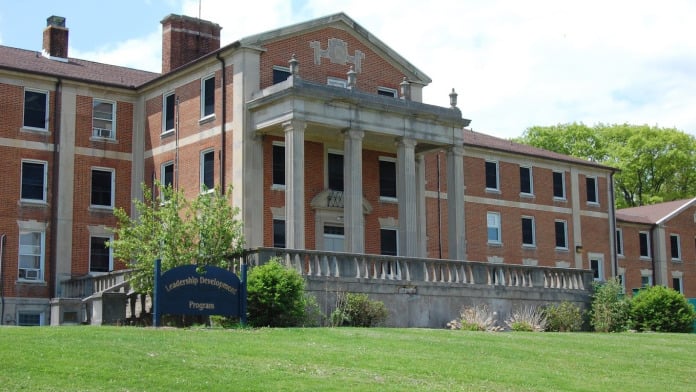
Abraxas Leadership Development Program is a youth residential treatment program in South Mountain, Pennsylvania, serving delinquent and dependent male and female youth ages 13 to 18.
The program combines cognitive behavioral treatment, Aggression Replacement Training and the Sanctuary Model to address behavioral health needs, trauma and substance use risks.
Operating since 1994, Abraxas centers leadership, accountability and restorative justice to help young people build the skills and confidence needed for lasting change.
Residential Youth Treatment with a Leadership Focus
Abraxas offers structured residential care that pairs behavioral treatment with leadership development, giving youth opportunities to earn responsibilities and practice accountability.
Individual and group counseling addresses each resident’s areas of risk and need, including mental health concerns, trauma histories and behavioral challenges.
Substance use support includes a 10-week Specialized Drug and Alcohol Group for youth at higher risk of relapse, plus substance abuse education and prevention programs.
Positive reviews often describe staff as “like family,” reflecting the strong bonds that form through day-to-day mentorship and care.
Adventure-Based Learning and On-Site Academics
Through LEAP, the Leadership Experiential Adventure Program, youth participate in ropes courses, rock climbing, canoeing, hiking and a 600-foot zip line, along with community service, restitution and vocational training.
On-site year-round schooling covers grades 5 through 12, GED prep, credit recovery, special education and ELL supports, so residents continue progressing academically during treatment.
Supportive Family Engagement
Abraxas operates in-person on the secluded grounds of the South Mountain Restoration Center, with family engagement supports including visitation, video conferencing, transportation help and overnight accommodations.
Families are encouraged to contact the program directly to learn about placement, referrals and payment options.
Latest Reviews



Rehab Score
 Our Methodology


Gallery
Other Forms of Payment
Medicaid is a state based program that helps lower-income individuals and families pay for healthcare. Medicaid covers addiction treatment so those enrolled can use their coverage to pay for rehab. When a program accepts Medicaid the client often pays very little or nothing out of their own pocket.
Addiction Treatments
Levels of Care
Residential treatment programs are those that offer housing and meals in addition to substance abuse treatment. Rehab facilities that offer residential treatment allow patients to focus solely on recovery, in an environment totally separate from their lives. Some rehab centers specialize in short-term residential treatment (a few days to a week or two), while others solely provide treatment on a long-term basis (several weeks to months). Some offer both, and tailor treatment to the patient's individual requirements.
Treatments
The goal of treatment for alcoholism is abstinence. Those with poor social support, poor motivation, or psychiatric disorders tend to relapse within a few years of treatment. For these people, success is measured by longer periods of abstinence, reduced use of alcohol, better health, and improved social functioning. Recovery and Maintenance are usually based on 12 step programs and AA meetings.
Drug rehab in Pennsylvania is devoted to the treatment of addiction. Levels of care, treatment methods, and settings differ, but the aim of each program is to end drug dependency and empower participants to achieve long-term recovery.
A combined mental health and substance abuse rehab has the staff and resources available to handle individuals with both mental health and substance abuse issues. It can be challenging to determine where a specific symptom stems from (a mental health issue or an issue related to substance abuse), so mental health and substance abuse professionals are helpful in detangling symptoms and keeping treatment on track.
Clinical Services
Cognitive Behavioral Therapy (CBT) is a therapy modality that focuses on the relationship between one's thoughts, feelings, and behaviors. It is used to establish and allow for healthy responses to thoughts and feelings (instead of unhealthy responses, like using drugs or alcohol). CBT has been proven effective for recovering addicts of all kinds, and is used to strengthen a patient's own self-awareness and ability to self-regulate. CBT allows individuals to monitor their own emotional state, become more adept at communicating with others, and manage stress without needing to engage in substance abuse.
Experiential therapy is a form of therapy in which clients are encouraged to surface and work through subconscious issues by engaging in real-time experiences. Experiential therapy departs from traditional talk therapy by involving the body, and having clients engage in activities, movements, and physical and emotional expression. This can involve role-play or using props (which can include other people). Experiential therapy can help people process trauma, memories, and emotion quickly, deeply, and in a lasting fashion, leading to substantial and impactful healing.
Group therapy is any therapeutic work that happens in a group (not one-on-one). There are a number of different group therapy modalities, including support groups, experiential therapy, psycho-education, and more. Group therapy involves treatment as well as processing interaction between group members.
In individual therapy, a patient meets one-on-one with a trained psychologist or counselor. Therapy is a pivotal part of effective substance abuse treatment, as it often covers root causes of addiction, including challenges faced by the patient in their social, family, and work/school life.
Life skills trainings involve all the skills a person must have in order to function successfully in the world. These include time management, career guidance, money management, and effective communication. Truly successful addiction recovery is based on the ability to not only live substance-free, but to thrive. Life skills teaches the practical necessities of functioning in society, which sets clients up for success in life, and therefore sobriety.
Recreational therapy (aka therapeutic recreation) uses creative and fun activities to help with addiction recovery. Recreational therapists lead patients in entertaining and engaging activities like sports or games; art (drawing, painting, sculpture); drama, music, and dance; and/or community outings (field trips) to improve patients' physical, social, and emotional well-being.
Trauma therapy addresses traumatic incidents from a client's past that are likely affecting their present-day experience. Trauma is often one of the primary triggers and potential causes of addiction, and can stem from child sexual abuse, domestic violence, having a parent with a mental illness, losing one or both parents at a young age, teenage or adult sexual assault, or any number of other factors. The purpose of trauma therapy is to allow a patient to process trauma and move through and past it, with the help of trained and compassionate mental health professionals.
Amenities
-
 Private Setting
 -
 Wifi
Wifi -
 Hiking
Rehab.com regularly reviews this listing for accuracy but changes may occur between updates. For the most up-to-date information, please contact Abraxas Leadership Development Program.
Contact Information

#10058 South Mountain Road
Building # 6, PO Box 354
South Mountain, PA 17261
Sponsored Helpline

