










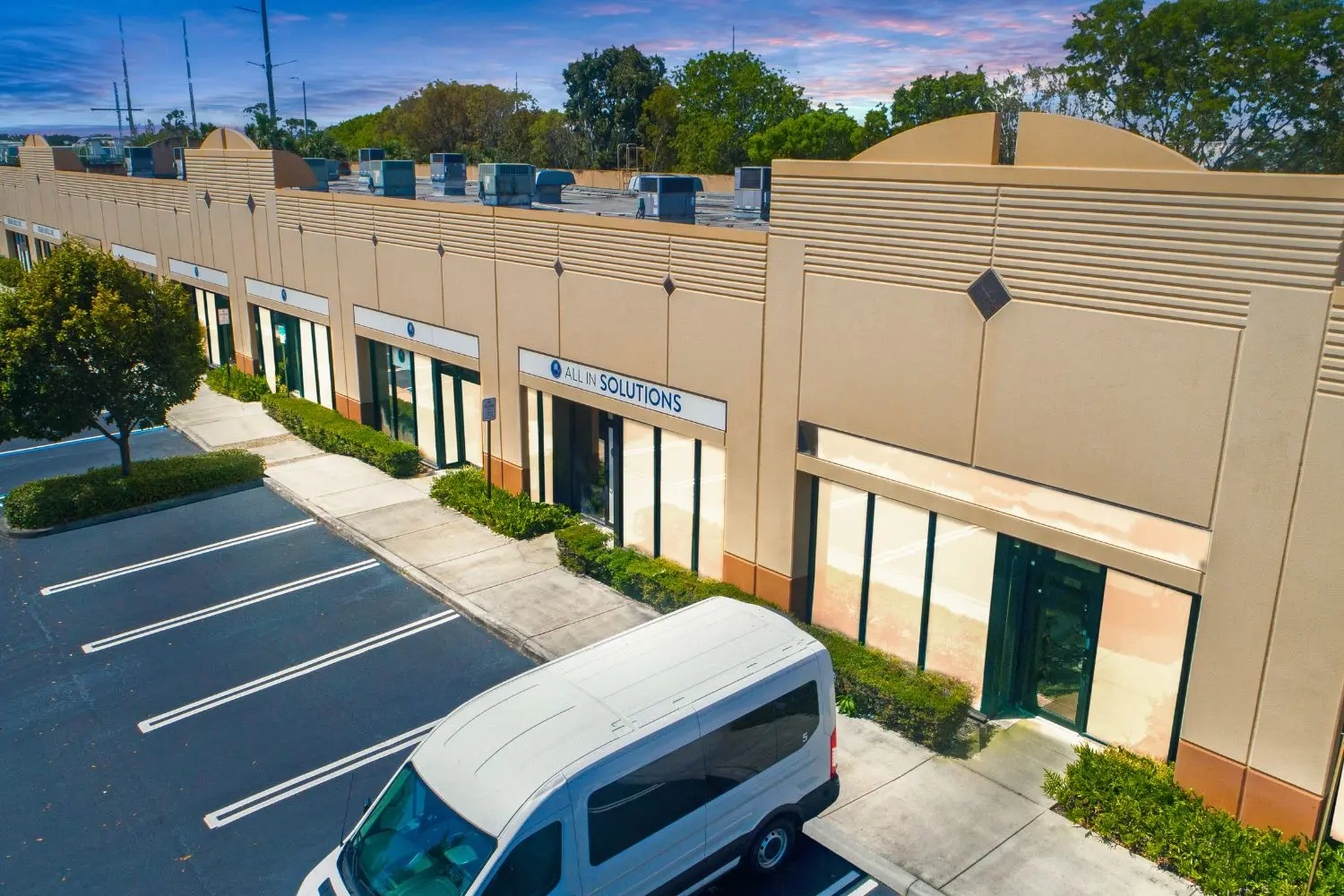
All In Solutions Counseling Center
1
Top 10 Rehab Centers In Boynton Beach



















































































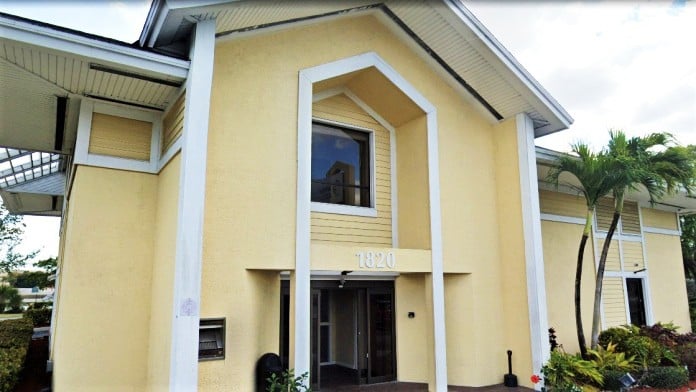
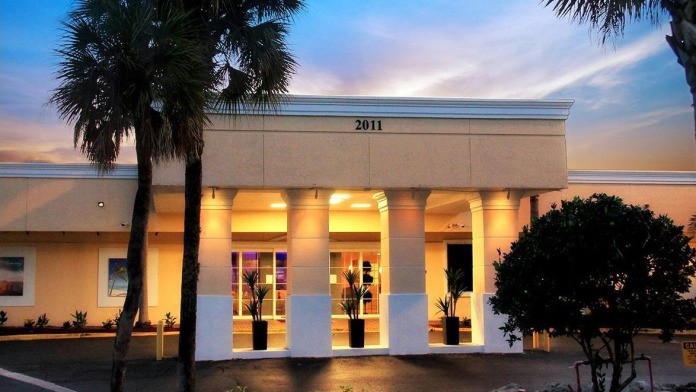
What made me appreciate this location most is its natural highlights. The Gordon River Greenway is just a short distance away. It boasts two miles of trails surrounded by mangroves and native plants. You should definitely check that out if you’re a nature person. Freedom Park is near the facility as well. This one offers boardwalks, wildlife viewing and open spaces suitable for recreational activities.
They offer both inpatient and outpatient substance use treatment. It all depends on your unique symptoms. The inpatient treatment means that you’ll stay at their residential facility for a few weeks. This is suitable if you’ve severe symptoms. The program may begin with detoxing to let the body rid itself of drugs.
This is followed by inpatient therapy to address the root causes of your substance use and build a strong recovery foundation. Medication support is provided if relevant to your lasting recovery. The facility does well in tailoring counseling, group therapy and meds to individual needs. You’ll receive substance use education as well during this program. This can help you better grasp addiction and strategies to prevent relapse.
The outpatient program is suitable for handling moderate to mild substance use. It’s also a great option when stepping down from inpatient care. It involves counseling sessions focused on recovery skill building and relapse prevention. The good thing is that you can maintain your work and family obligations while receiving treatment.
You can benefit from their specialized PTSD treatment if you’ve symptoms of PTSD and traumatic disorders. It doesn’t necessarily have to be due to past combat missions. Natural disasters, car accidents and sexual assaults are some situations that can trigger PTSD.
They’re equipped to handle PTSD with co-occurring substance use as well. Services involve assessment and treatment support including individual and group therapy. Psychiatric and psychological counseling and medication management are provided.
Their complete recovery program includes services that support your lasting recovery efforts. This includes housing support for homeless veterans and unemployment assistance or job placement. These may form part of their social support services that also include financial/food assistance, transportation and legal aid.
The best thing about this facility is their telehealth services. Receiving therapy and getting medical check-ups virtually via a secured video conferencing system can be pretty comforting. It also saves costs. You can fund your treatment using Medicaid and Medicare. They accept private insurance and self pay options as well.
 397
397 
 Our Methodology


Self-pay involves paying for treatment out of your own pocket. You can use savings or credit, get a personal loan, or receive help from family and friends to fund your treatment. If you don't have insurance or your insurance plan doesn't cover a specific program, self-pay can help ensure you still get the care you need.
Financial aid can take many forms. Centers may have grants or scholarships available to clients who meet eligibility requirements. Programs that receive SAMHSA grants may have financial aid available for those who need treatment as well. Grants and scholarships can help you pai for treatment without having to repay.
Military members, veterans, and eligible dependents have access to specific insurance programs that help them get the care they need. TRICARE and VA insurance can help you access low cost or no cost addiction and mental health treatment. Programs that accept military insurance often have targeted treatment focused on the unique challenges military members, veterans, and their families face.
Private insurance refers to any kind of healthcare coverage that isn't from the state or federal government. This includes individual and family plans offered by an employer or purchased from the Insurance Marketplace. Every plan will have different requirements and out of pocket costs so be sure to get the full details before you start treatment.
Outpatient Programs (OP) are for those seeking mental rehab or drug rehab, but who also stay at home every night. The main difference between outpatient treatment (OP) and intensive outpatient treatment (IOP) lies in the amount of hours the patient spends at the facility. Most of the time an outpatient program is designed for someone who has completed an inpatient stay and is looking to continue their growth in recovery. Outpatient is not meant to be the starting point, it is commonly referred to as aftercare.
Completing a drug or alcohol rehab program shouldn't spell the end of substance abuse treatment. Aftercare involves making a sustainable plan for recovery, including ongoing support. This can include sober living arrangements like halfway houses, career counseling, and setting a patient up with community programs like Alcoholics Anonymous (AA) or Narcotics Anonymous (NA).
Mental health rehabs focus on helping individuals recover from mental illnesses like bipolar disorder, clinical depression, anxiety disorders, schizophrenia, and more. Mental health professionals at these facilities are trained to understand and treat mental health issues, both in individual and group settings.
Adult rehab programs include therapies tailored to each client's specific needs, goals, and recovery progress. They are tailored to the specific challenges adult clients may face, including family and work pressures and commitments. From inpatient and residential treatment to various levels of outpatient services, there are many options available. Some facilities also help adults work through co-occurring conditions, like anxiety, that can accompany addiction.
Serving in the military is both mentally and physically challenging, and can result in trauma that persists even after combat ends. Military programs are tailored to the specific and often complex needs of active duty personnel, veterans, and military families. Clients often access these programs through the U.S. Department of Veterans Affairs (VA).
Young adulthood can be an exciting, yet difficult, time of transition. Individuals in their late teens to mid-20s face unique stressors related to school, jobs, families, and social circles, which can lead to a rise in substance use. Rehab centers with dedicated young adult programs will include activities and amenities that cater to this age group, with an emphasis on specialized counseling, peer socialization, and ongoing aftercare.
Cognitive Behavioral Therapy (CBT) is a therapy modality that focuses on the relationship between one's thoughts, feelings, and behaviors. It is used to establish and allow for healthy responses to thoughts and feelings (instead of unhealthy responses, like using drugs or alcohol). CBT has been proven effective for recovering addicts of all kinds, and is used to strengthen a patient's own self-awareness and ability to self-regulate. CBT allows individuals to monitor their own emotional state, become more adept at communicating with others, and manage stress without needing to engage in substance abuse.
Whether a marriage or other committed relationship, an intimate partnership is one of the most important aspects of a person's life. Drug and alcohol addiction affects both members of a couple in deep and meaningful ways, as does rehab and recovery. Couples therapy and other couples-focused treatment programs are significant parts of exploring triggers of addiction, as well as learning how to build healthy patterns to support ongoing sobriety.
Research clearly demonstrates that recovery is far more successful and sustainable when loved ones like family members participate in rehab and substance abuse treatment. Genetic factors may be at play when it comes to drug and alcohol addiction, as well as mental health issues. Family dynamics often play a critical role in addiction triggers, and if properly educated, family members can be a strong source of support when it comes to rehabilitation.
Fitness therapy blends exercise with psychotherapy for a fun, inspiring, and effective way of treating addiction and other issues. By incorporating movement into counseling sessions, clients become more empowered, motivated, and goal-oriented, all while strengthening their bodies and becoming more flexible. Fitness Therapy is usually used to complement a course of treatment (inpatient or outpatient) to make it even more successful. Increasing the connection between a patient’s mind and body helps both with healing as well as in creating new, healthy habits.
Group therapy is any therapeutic work that happens in a group (not one-on-one). There are a number of different group therapy modalities, including support groups, experiential therapy, psycho-education, and more. Group therapy involves treatment as well as processing interaction between group members.
In individual therapy, a patient meets one-on-one with a trained psychologist or counselor. Therapy is a pivotal part of effective substance abuse treatment, as it often covers root causes of addiction, including challenges faced by the patient in their social, family, and work/school life.
Nicotine Replacement Therapy (NRT) is a way of getting nicotine into the bloodstream without smoking. It uses products that supply low doses of nicotine to help people stop smoking. The goal of therapy is to cut down on cravings for nicotine and ease the symptoms of nicotine withdrawal.
Nutrition therapy, aka medical nutrition therapy (MNT), is a way of treating physical, emotional, and medical conditions through diet. Specific dietary plans are designed by professional nutritionists or registered dietitians, and patients follow them in order to positively affect their physical and mental health.
Trauma therapy addresses traumatic incidents from a client's past that are likely affecting their present-day experience. Trauma is often one of the primary triggers and potential causes of addiction, and can stem from child sexual abuse, domestic violence, having a parent with a mental illness, losing one or both parents at a young age, teenage or adult sexual assault, or any number of other factors. The purpose of trauma therapy is to allow a patient to process trauma and move through and past it, with the help of trained and compassionate mental health professionals.
 Residential Setting
  Private Setting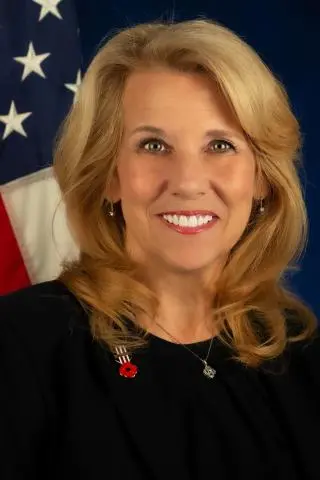
Interim Director, CEO
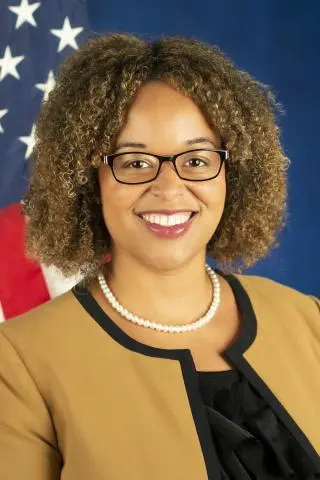
Acting Deputy Director
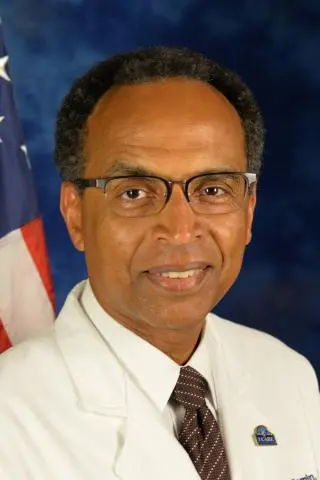
Chief of Staff
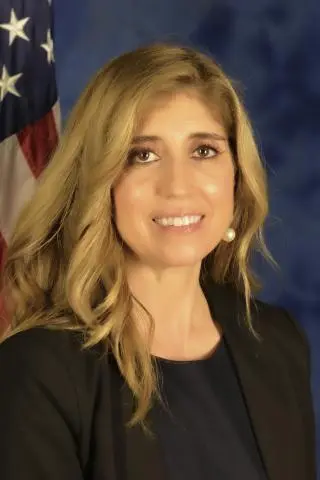
Associate Director for Patient Care Services
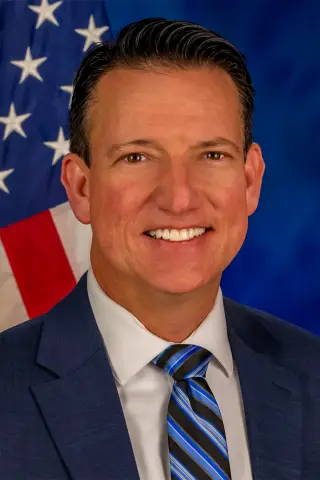
Associate Director

Acting Assistant Director

The Joint Commission, formerly known as JCAHO, is a nonprofit organization that accredits rehab organizations and programs. Founded in 1951, the Joint Commision's mission is to improve the quality of patient care and demonstrating the quality of patient care.
Joint Commission Accreditation: Yes
Accreditation Number: 4536

The Substance Abuse and Mental Health Services Administration (SAMHSA) is a branch of the U.S. Department of Health and Human Services. Established in 1992 by congress, SAMHSA's mission is to reduce the impact of substance abuse and mental illness on American's communities.
SAMHSA Listed: Yes
Rehab.com regularly reviews this listing for accuracy but changes may occur between updates. For the most up-to-date information, please contact Bay Pines VA Healthcare System – Naples Community Based OP Clinic.

800 Goodlette Road North
Suite 120
Naples, FL 34102
Sponsored Helpline

You had a 70 year old psychiatric "DR" here who was extremely incompetent. This was like 7 years ago. Forgot his name, but every psychiatrist I've seen after him has laughed, and been disgusted with what he tried to prescribe me. He was an old, short little south american. He didn't even do an assessment on me. I told him what I thought i had, he believed me, and prescribed me an ancient medicine. Disgusting. I hope he is dead by now, so he doesn't give any future bad advice to veterans.


Ashley was my nurse she was awesome even after a long day and a busy one she still gave me great attention and care thanks

Worst front office - Just try calling to make an appt - they don't answer the phones. Shameful
 Back
Back
Sharing your insights and experiences can help others learn more about this rehab center.
 Written By: Chika Uchendu


