





























































































About Caspar – Emergency Service and FirstStep Program
You’ll find that they offer services outside of addiction treatment. Sober housing is provided to help those who need a safe place to focus on recovery and is offered to those without a home. They support senior citizens who are also homeless. Staff is there to support you as you transition between different housing situations.
They separate residences by gender and you can stay at the sober home for about six to nine months depending on your needs. While you’re living at the house, a case manager will work with you to build your relapse prevention skills.
This center is connected to community based support groups to help you connect with others who are in a similar situation. However, their staff has built a reputation for putting the needs of those who have an alcohol use disorder first over those with a drug addiction.
Facility Overview
 60
60 Latest Reviews



Rehab Score
 Our Methodology


Gallery
Other Forms of Payment
Self-pay involves paying for treatment out of your own pocket. You can use savings or credit, get a personal loan, or receive help from family and friends to fund your treatment. If you don't have insurance or your insurance plan doesn't cover a specific program, self-pay can help ensure you still get the care you need.
Sliding scale payments are based on a client's income and family size. The goal is to make treatment affordable to everyone. By taking these factors into account, addiction recovery care providers help ensure that your treatment does not become a financial burden to you or your family, eliminating one barrier to care.
Addiction Treatments
Levels of Care
Outpatient programs are designed for clients who are medically stable and not at an elevated risk of relapse, including those who have already completed inpatient care. Outpatient programs typically advance clients' established treatment plans, offering continuing addiction counseling and recovery education. Clients who enter outpatient care immediately following detox may also receive medical and mental health assessments and personalized treatment plans. Most outpatient rehabs provide multiple levels of care to align with clients' unique needs.
Rehab aftercare programs offer customized, wraparound support for clients in the maintenance phase of recovery. Many clients enroll in drug rehab immediately after completing intensive inpatient or residential care. Services encompass outpatient treatment but often extend long beyond the completion of a formal recovery program and typically include a variety of medical, mental health, and social service programs. Peer coaching, relapse prevention, 12 step program induction, and related services are commonly available.
Sober Living Houses (SLHs), aka sober homes or halfway houses, are safe, substance-free, supportive living facilities for those recovering from substance abuse. Ideal for those who've just been through inpatient or outpatient treatment, SLHs are supervised environments with rules that support sobriety, such as curfews, shared chores, and therapeutic meetings. Residents are also often trained on life skills and coping skills to make it easier to transition into society. SLHs also provide a strong sense of community that can lead to the kind of deep and lasting connections with other sober individuals that supports a new, healthy lifestyle.
Medically supervised detox is the process of removing addictive substances from your body and managing the withdrawal symptoms in a medically supervised environment. Typically, this is the first step in the recovery process and lasts an average of 5-7 days, though the length can vary depending on your individual needs. Once your system is cleared of alcohol and drugs, you'll likely transition to an inpatient treatment program for the next phase of your recovery.
Due to various health issues that substance abuse causes, 24-hour clinical care in Massachusetts is often a necessary part of treatment. Individuals may be suffering from infections, illness, or organ damage. Having 24-hour care available ensures that these physical problems are treated along with the psychological effects of addiction. Once individuals complete detox and are medically stable, this intensive level of supervision ends, and the next phase of treatment can begin.
Inpatient rehab offers robust, hands-on care in a highly structured and supportive environment. The facility provides housing, meals, and round-the-clock supervision, allowing clients to focus exclusively on their recovery. Inpatient treatment typically involves intensive addiction counseling based on CBT, DBT, RBT, motivational interviewing, or other psychotherapeutic approaches. Many inpatient treatment centers also offer life skills training and/or complementary therapies, including meditation, mindfulness, and nutrition counseling.
Treatments
The goal of treatment for alcoholism is abstinence. Those with poor social support, poor motivation, or psychiatric disorders tend to relapse within a few years of treatment. For these people, success is measured by longer periods of abstinence, reduced use of alcohol, better health, and improved social functioning. Recovery and Maintenance are usually based on 12 step programs and AA meetings.
Addiction is a highly complex problem, and drug rehab in Massachusetts is often necessary to address it. These programs treat physical, mental, and relational issues that are involved. Treatment empowers individuals to manage these issues without the use of drugs.
A combined mental health and substance abuse rehab has the staff and resources available to handle individuals with both mental health and substance abuse issues. It can be challenging to determine where a specific symptom stems from (a mental health issue or an issue related to substance abuse), so mental health and substance abuse professionals are helpful in detangling symptoms and keeping treatment on track.
Opioid rehabs specialize in supporting those recovering from opioid addiction. They treat those suffering from addiction to illegal opioids like heroin, as well as prescription drugs like oxycodone. These centers typically combine both physical as well as mental and emotional support to help stop addiction. Physical support often includes medical detox and subsequent medical support (including medication), and mental support includes in-depth therapy to address the underlying causes of addiction.
In Massachusetts, substance abuse treatment programs can help to address addiction and, if relevant, any co-occurring mental health conditions. Programs include outpatient, inpatient, dual-diagnosis, and partial hospitalization. You'll receive therapies like cognitive behavioral therapy, or dialectical behavioral therapy, and sometimes complementary therapies like acupuncture and mindfulness-based therapy. By attending skills training and recovery groups you'll build a strong foundation for your recovery and strengthen your support network, increasing your chances of long-term recovery success.
In Massachusetts, dual-diagnosis addiction treatment programs provide specialized care for individuals with co-occurring substance use disorders and mental health conditions. Levels of care include detox, residential drug and alcohol rehab, and outpatient programs. Each program and level of care includes a comprehensive assessment, individualized treatment plan, and evidence-based therapies, like cognitive behavioral therapy, or dialectical behavioral therapy. You'll also attend recovery support groups, receive family counseling, and beneficial skills training to help you promote your mental health and sustain long-term recovery.
Programs
Adult rehab programs include therapies tailored to each client's specific needs, goals, and recovery progress. They are tailored to the specific challenges adult clients may face, including family and work pressures and commitments. From inpatient and residential treatment to various levels of outpatient services, there are many options available. Some facilities also help adults work through co-occurring conditions, like anxiety, that can accompany addiction.
Young adulthood can be an exciting, yet difficult, time of transition. Individuals in their late teens to mid-20s face unique stressors related to school, jobs, families, and social circles, which can lead to a rise in substance use. Rehab centers with dedicated young adult programs will include activities and amenities that cater to this age group, with an emphasis on specialized counseling, peer socialization, and ongoing aftercare.
Recovery is most successful when clients feel accepted and validated by their peers and treatment providers. Facilities that offer LGBTQ-inclusive programming are committed to creating a safe space where everyone can grow and recover without fear of judgment or discrimination. They will have dedicated policies in place to create a safe and supportive environment that fosters free expression.
Rehabs for women provide a safe, nurturing space for female clients to heal. These treatment programs consider the specific obstacles that women can face during recovery and place a special emphasis on mental, social, physical, and reproductive health. They explore how each woman's experience has shaped the trajectory of their substance use, addressing issues such as sexual abuse and past trauma.
Clinical Services
In individual therapy, a patient meets one-on-one with a trained psychologist or counselor. Therapy is a pivotal part of effective substance abuse treatment, as it often covers root causes of addiction, including challenges faced by the patient in their social, family, and work/school life.
Life skills trainings involve all the skills a person must have in order to function successfully in the world. These include time management, career guidance, money management, and effective communication. Truly successful addiction recovery is based on the ability to not only live substance-free, but to thrive. Life skills teaches the practical necessities of functioning in society, which sets clients up for success in life, and therefore sobriety.
Group therapy is a safe space for participants to share their stories and experiences within a confidential and judgment free environment. You have the opportunity to openly discuss your difficulties and create a network of community support that can extend long after group therapy sessions end.
Amenities
-
 Residential Setting
 -
 Private Rooms
Staff & Accreditations
Staff

Bill Sprague
Interim CEO
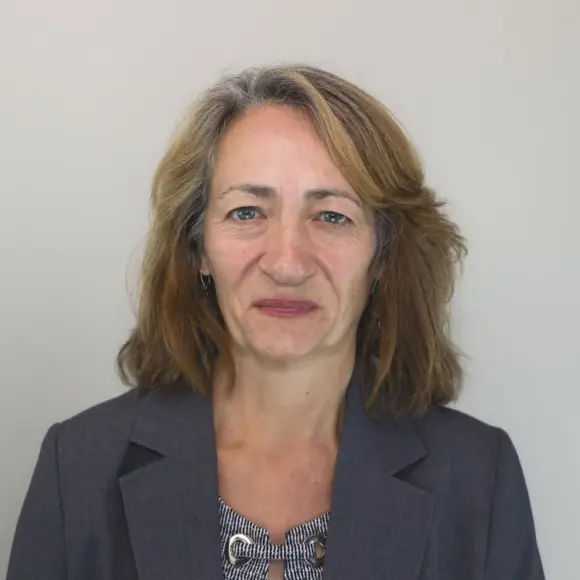
Kelly LaCava
Senior Vice President & Chief Administrative Officer

Carley Lubarsky
Senior Vice President & Chief Operating Officer
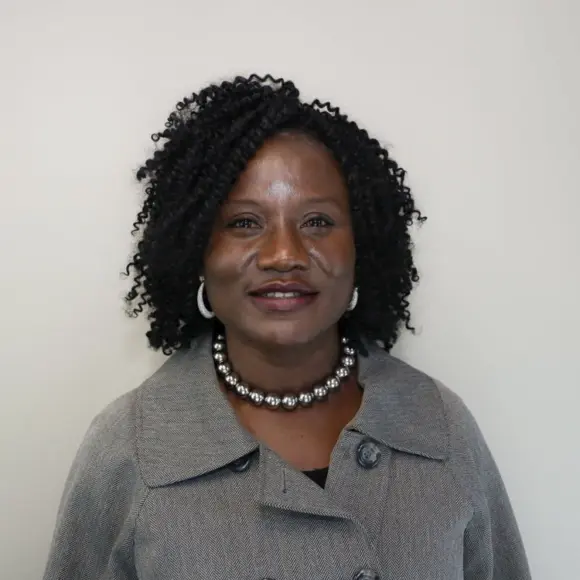
Adeola Adejinmi
Chief Nursing Officer

Robert Diener, PhD
Chief Medical Officer
Accreditations

The Substance Abuse and Mental Health Services Administration (SAMHSA) is a branch of the U.S. Department of Health and Human Services. Established in 1992 by congress, SAMHSA's mission is to reduce the impact of substance abuse and mental illness on American's communities.
SAMHSA Listed: Yes
Rehab.com regularly reviews this listing for accuracy but changes may occur between updates. For the most up-to-date information, please contact Caspar – Emergency Service and FirstStep Program.
Contact Information


240 Albany Street
Cambridge, MA 02139
Sponsored Helpline



