





























































































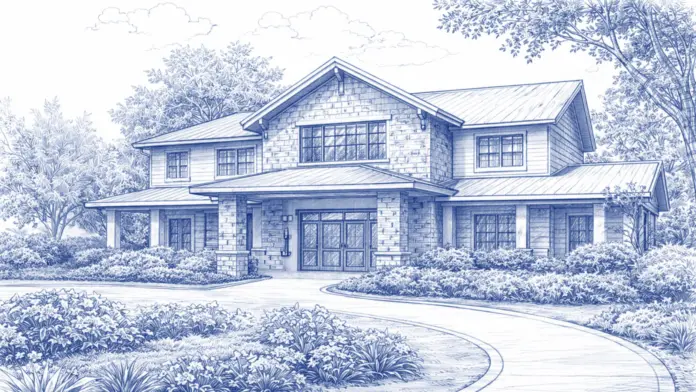


The staff in the counselors are friendly. They have a great circulum. Lots of activities and exercise equipment they feed you very well I actually gained 10 pounds while I was there LOL. They also have a very nice facility love the art therapist and the trauma counselor I wo ...
About Matt Talbot Residential Treatment for Women
Matt Talbot Residential Treatment for Women is a CARF-accredited women’s residential rehab in Parma, Ohio, part of Catholic Charities Diocese of Cleveland. The program provides gender-specific inpatient addiction treatment for women with alcohol, drug, and co-occurring mental health disorders, serving the greater Cleveland area regardless of ability to pay. Cuyahoga County recorded 435 overdose deaths in 2024, the lowest figure in a decade, and programs like Matt Talbot continue to play a role in connecting women to structured, supportive care.
Women’s Residential Addiction Treatment in Parma
Matt Talbot offers up to 30 residential beds with an average stay of 31 to 60 days. The program integrates individual therapy, group counseling, cognitive behavioral therapy, trauma therapy, and family therapy within a gender-specific setting that addresses the unique recovery needs of women. Medication-assisted treatment is available for women with opioid use disorders.
A dedicated case manager works one-on-one with each resident throughout treatment. The program also provides culturally and gender-specific life skills training, including a fully Spanish-speaking recovery track with bilingual staff and case management for Hispanic women and families. Residents receive housing, all meals, and personal care items during their stay.
Dual Diagnosis and Co-Occurring Disorder Care
Matt Talbot specializes in treating women who present with a substance use disorder alongside a co-occurring mental health condition, offering dual diagnosis treatment from licensed social workers and counselors credentialed by the State of Ohio. The program is certified by the Ohio Department of Mental Health and Addiction Services.
A step-down intensive outpatient program (IOP) is also available, meeting a minimum of three days per week and incorporating mindfulness-based approaches alongside group and individual therapy. Comprehensive discharge planning includes employment readiness referrals, sober housing guidance, and a continuing care plan.
Access and Payment in Parma, Ohio
Matt Talbot Residential Treatment accepts Medicaid, Medicare, private insurance, and sliding scale payments, and admits women regardless of ability to pay. The program is funded in part by the ADAMHS Board of Cuyahoga County and United Way of Greater Cleveland. Matt Talbot serves women near Cleveland and throughout Cuyahoga County at 6753 State Road in Parma, Ohio, and is listed among rehab centers in Parma, Ohio. Prospective residents must be medically and psychiatrically stable at admission; women arriving who require medical withdrawal management are referred to a community detox center before beginning the program.
Facility Overview
 30
30 Number of Available Beds
 31 - 60
 Avg Length of Stay in Days
Latest Reviews
Cheryl Mcmillen
Reviewed on 01/08/2026
The staff in the counselors are friendly. They have a great circulum. Lots of activities and exercise equipment they feed you very well I actually gained 10 pounds while I was there LOL. They also have a very nice facility love the art therapist and the trauma counselor I would recommend this place I give it a four and a half Stars only because there's always room for improvement
Reviewed on 03/26/2019
As a former patient and current clientof their program, I can honestly say that all staff members were considerate and understanding of my addiction. I spent 10 weeks in the program from July to September 2018. Upon my release, I was given the opportunity to reside in a sober living home that they chose for me based on my needs. Unfortunately, due to my inability to follow the proper guidelines of recovery, I went back to the people, places and things that they suggest you remove from your past that took me back to addiction. I relapsed in less than 30 days of being released. I reached out again to Matt Talbot and they allowed me to come back for another 10 weeks of programming. In November 2018, I entered Matt Talbot in a broken down state of mind and body and left in December 2018, a renewed and educated woman that fought for her sobriety. I highly recommend this program to anyone wanting to change their life the way it changed mine. Today, I am still clean, sober and loving my life.
Great place for substance abuse treatment and very sincere staff! I highly recommend it!

Rehab Score
 Our Methodology
Scoring is assigned by a proprietary system which helps surface key metrics that determine quality. The 10-point scale factors in categories such as operations, customer satisfaction, and trust metrics. Read Full Methodology

6 / 10
Gallery
Other Forms of Payment
Private insurance refers to any kind of healthcare coverage that isn't from the state or federal government. This includes individual and family plans offered by an employer or purchased from the Insurance Marketplace. Every plan will have different requirements and out of pocket costs so be sure to get the full details before you start treatment.
Self-pay involves paying for treatment out of your own pocket. You can use savings or credit, get a personal loan, or receive help from family and friends to fund your treatment. If you don't have insurance or your insurance plan doesn't cover a specific program, self-pay can help ensure you still get the care you need.
Financial aid can take many forms. Centers may have grants or scholarships available to clients who meet eligibility requirements. Programs that receive SAMHSA grants may have financial aid available for those who need treatment as well. Grants and scholarships can help you pai for treatment without having to repay.
Sliding scale payments are based on a client's income and family size. The goal is to make treatment affordable to everyone. By taking these factors into account, addiction recovery care providers help ensure that your treatment does not become a financial burden to you or your family, eliminating one barrier to care.
Medicaid is a state based program that helps lower-income individuals and families pay for healthcare. Medicaid covers addiction treatment so those enrolled can use their coverage to pay for rehab. When a program accepts Medicaid the client often pays very little or nothing out of their own pocket.
Medicare is a federal program that provides health insurance for those 65 and older. It also serves people under 65 with chronic and disabling health challenges. To use Medicare for addiction treatment you need to find a program that accepts Medicare and is in network with your plan. Out of pocket costs and preauthorization requirements vary, so always check with your provider.
Addiction Treatments
Levels of Care
Outpatient programs are for those seeking mental rehab or drug rehab, but who also stay at home every night. Catholic Charities offers mental health assessment, counseling, and support services for youth, adults and families dealing with mental health issues. Most of the time an outpatient program is designed for someone who has completed an inpatient stay and is looking to continue their growth in recovery. Outpatient is not meant to be the starting point, it is commonly referred to as aftercare.
Residential treatment programs are those that offer housing and meals in addition to substance abuse treatment. Rehab facilities that offer residential treatment allow patients to focus solely on recovery, in an environment totally separate from their lives. Some rehab centers specialize in short-term residential treatment (a few days to a week or two), while others solely provide treatment on a long-term basis (several weeks to months). Some offer both, and tailor treatment to the patient's individual requirements.
Program is provided according to ODMHAS standards for intensive outpatient treatment level of care for substance dependence, a minimum of 3 days per week, 3 hours per day. Program is a step-down from residential treatment or for women referred from community who require this level of care. Program utilizes mindfulness to assist women with recovery goals, utilizing a drug free approach and also providing group and individual therapy for both addiction and mental health diagnoses.
Rehab aftercare programs are designed to ensure clients receive continuing care while in the maintenance phase of recovery. Some clients may be in outpatient treatment, which is generally considered to be an element of drug rehab aftercare. The specific services provided in these programs are often determined by the client's case manager and care team in consultation with the client. Common services include peer coaching, career counseling, and 12 step program induction.
Intervention services help family members prepare for a drug intervention in Ohio. During an intervention, family members typically read letters they have prepared that explain how the individual's substance abuse has affected their lives and relationships. Each family member also explains what they will do if the individual does not agree to get treatment. An intervention specialist offers support to guide this discussion and makes appropriate treatment recommendations.
Medical detox involves clearing your body of drugs and/or alcohol under the 24/7 care of licensed medical professionals. If you've become dependent on alcohol or drugs (like benzodiazepines or opioids), quitting abruptly can have uncomfortable and even dangerous side effects. The purpose of medically assisted detox is to keep you as safe and comfortable as possible during this process. Medications like Suboxone or Vivitrol may be provided if necessary to mitigate any withdrawal symptoms.
Treatments
The goal of treatment for alcoholism is abstinence. Those with poor social support, poor motivation, or psychiatric disorders tend to relapse within a few years of treatment. For these people, success is measured by longer periods of abstinence, reduced use of alcohol, better health, and improved social functioning. Recovery and Maintenance are usually based on 12 step programs and AA meetings.
Drug rehab in Ohio provides comprehensive treatment to address the physical and psychological needs of those struggling with substance use disorders. This may involve inpatient and/or outpatient care.
Many of those suffering from addiction also suffer from mental or emotional illnesses like schizophrenia, bipolar disorder, depression, or anxiety disorders. Rehab and other substance abuse facilities treating those with a dual diagnosis or co-occurring disorder administer psychiatric treatment to address the person's mental health issue in addition to drug and alcohol rehabilitation.
A combined mental health and substance abuse rehab has the staff and resources available to handle individuals with both mental health and substance abuse issues. It can be challenging to determine where a specific symptom stems from (a mental health issue or an issue related to substance abuse), so mental health and substance abuse professionals are helpful in detangling symptoms and keeping treatment on track.
Opioid rehabs specialize in supporting those recovering from opioid addiction. They treat those suffering from addiction to illegal opioids like heroin, as well as prescription drugs like oxycodone. These centers typically combine both physical as well as mental and emotional support to help stop addiction. Physical support often includes medical detox and subsequent medical support (including medication), and mental support includes in-depth therapy to address the underlying causes of addiction.
Programs
Adult rehab programs include therapies tailored to each client's specific needs, goals, and recovery progress. They are tailored to the specific challenges adult clients may face, including family and work pressures and commitments. From inpatient and residential treatment to various levels of outpatient services, there are many options available. Some facilities also help adults work through co-occurring conditions, like anxiety, that can accompany addiction.
Young adulthood can be an exciting, yet difficult, time of transition. Individuals in their late teens to mid-20s face unique stressors related to school, jobs, families, and social circles, which can lead to a rise in substance use. Rehab centers with dedicated young adult programs will include activities and amenities that cater to this age group, with an emphasis on specialized counseling, peer socialization, and ongoing aftercare.
Clinical Services
Cognitive behavioral therapy in Ohio may occur in individual, group, or family sessions. It involves focusing on specific thought and behavior problems. Participants learn coping techniques and are asked to practice them as homework between sessions.
Group therapy is any therapeutic work that happens in a group (not one-on-one). There are a number of different group therapy modalities, including support groups, experiential therapy, psycho-education, and more. Group therapy involves treatment as well as processing interaction between group members.
In individual therapy, a patient meets one-on-one with a trained psychologist or counselor. Therapy is a pivotal part of effective substance abuse treatment, as it often covers root causes of addiction, including challenges faced by the patient in their social, family, and work/school life.
Trauma therapy addresses traumatic incidents from a client's past that are likely affecting their present-day experience. Trauma is often one of the primary triggers and potential causes of addiction, and can stem from child sexual abuse, domestic violence, having a parent with a mental illness, losing one or both parents at a young age, teenage or adult sexual assault, or any number of other factors. The purpose of trauma therapy is to allow a patient to process trauma and move through and past it, with the help of trained and compassionate mental health professionals.
Some couples therapy in Ohio is designed as short term treatment to address a specific problem in the relationship, such as anxiety, depression, or addiction. Other couples therapy may focus on general strengthening of the relationship by improving interactions.
Research clearly demonstrates that recovery is far more successful and sustainable when loved ones like family members participate in rehab and substance abuse treatment. Genetic factors may be at play when it comes to drug and alcohol addiction, as well as mental health issues. Family dynamics often play a critical role in addiction triggers, and if properly educated, family members can be a strong source of support when it comes to rehabilitation.
Life skills provide stability. They increase the strengths that you bring to recovery by equipping you with the tools you need to navigate daily life. During rehab, you'll develop these strengths through life skills training that focuses on both cognitive and behavioral abilities.
Amenities
-
 Residential Setting
 -
 Private Setting
Staff & Accreditations
Staff
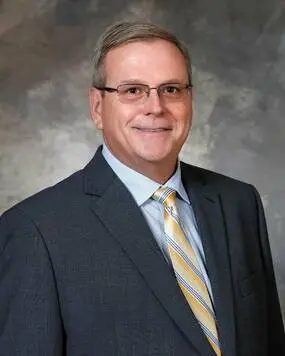
Patrick Gareau
President & CEO
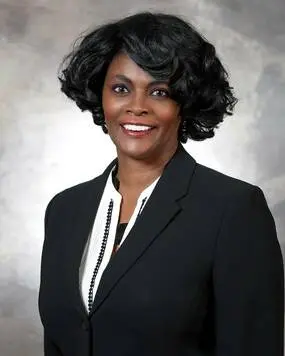
Andrea Harris
Chief Administrative Officer
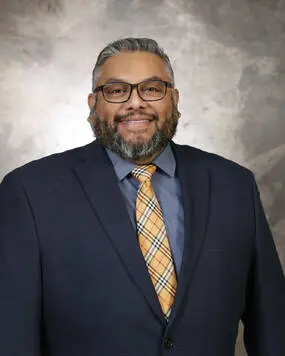
Fredy Robles, MA
Chief Program Officer
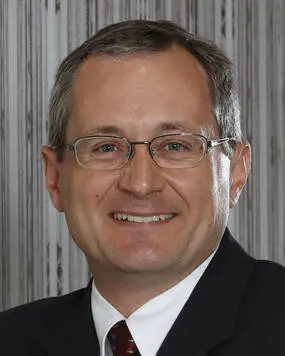
Jim Graham, CPA
CFO
Accreditations

The Commission on Accreditation of Rehabilitation Facilities (CARF) is a non-profit organization that specifically accredits rehab organizations. Founded in 1966, CARF's, mission is to help service providers like rehab facilities maintain high standards of care.
CARF Accreditation: Yes
Rehab.com regularly reviews this listing for accuracy but changes may occur between updates. For the most up-to-date information, please contact Matt Talbot Residential Treatment for Women.
Contact Information

6753 State Road
Parma, Ohio 44134
Get Help Now - 216-400-9839
Sponsored Helpline
Sponsored Helpline



