










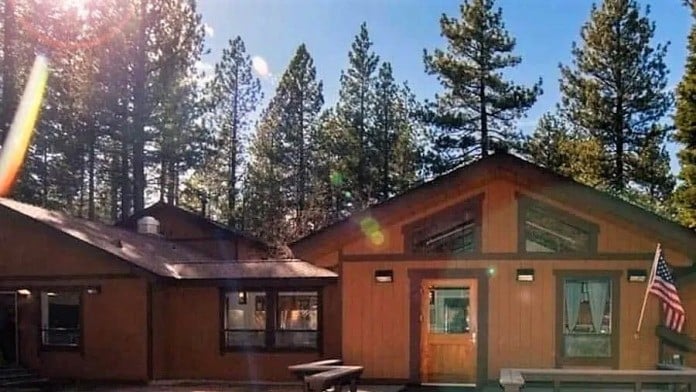
Elevate Addiction Services - SLT
1
Top 10 Rehab Centers In South Lake Tahoe



















































































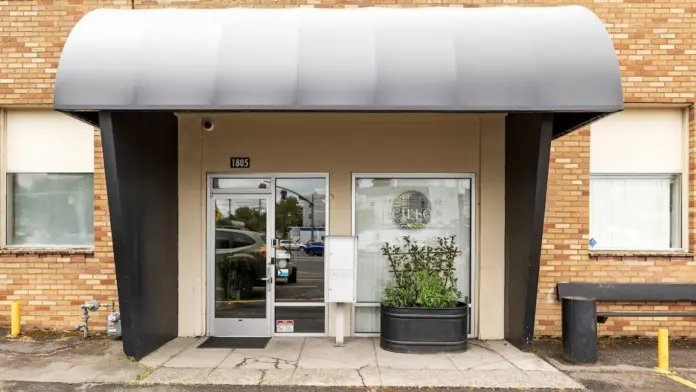
Cielo Treatment Center provides substance use and mental health care in Portland, Oregon. The team believes in delivering comprehensive treatment that helps guests overcome the addiction cycle.
One of the core features the center offers is relapse prevention. They understand how quickly temptations can arise during those first few months after treatment and include proven techniques to help clients avoid those pitfalls.
These methods may involve healthy coping skills, recognizing substance use triggers, and setting appropriate boundaries with friends and family members.
Cielo helps people of various backgrounds. They offer LGBTQ+ affirming care and culturally specific tracks for indigenous communities. They also provide holistic options such as mindfulness techniques and native traditional approaches.
These traditions honor recovery processes that the Native American cultures have practiced across the nation. They may offer sweat lodges, nature connection, talking circles, and ceremonies.
The flexible day and evening programs allow guests to continue working and attending to family obligations while still focusing on their healing journey. The center is near local attractions, including Powell’s City of Books, where guests can find peaceful atmospheres that may promote continued recovery.



 Our Methodology


Private insurance refers to any kind of healthcare coverage that isn't from the state or federal government. This includes individual and family plans offered by an employer or purchased from the Insurance Marketplace. Every plan will have different requirements and out of pocket costs so be sure to get the full details before you start treatment.
Self-pay involves paying for treatment out of your own pocket. You can use savings or credit, get a personal loan, or receive help from family and friends to fund your treatment. If you don't have insurance or your insurance plan doesn't cover a specific program, self-pay can help ensure you still get the care you need.
Intensive outpatient programs provide robust, high-frequency care for clients in early recovery and those at an increased risk of relapse. Clients are generally expected to participate in nine to 20 hours of treatment per week, with the number and duration of sessions decreasing as clients stabilize. Intensive outpatient treatment often combines psychotherapy, including individual, group, and family counseling, with addiction and recovery education. Medication assisted treatment (MAT) and holistic therapies are also common.
After completing a rehab program, if you don't feel ready to fully re-enter life ourside the safety of the rehab, a sober living home in Oregon can be a good option. A halfway house can provide the structure you need to practice recovery skills in a substance-free environment before you enter mainstream society. During your stay, you'll participate in 12-step meetings, help with household duties, and receive mutual support from others in recovery.
When participating in 12 step programs, clients receive intensive and ongoing peer support as they work through the recovery journey. They're expected to regularly attend 12 step meetings and to select a peer sponsor for one-on-one mentoring. Meetings are free, anonymous, and accessible multiple times a day, 365 days per year, in most communities. Religious affiliation is not required, though these programs are rooted in the belief in a higher power as a foundation of personal growth and long-term sobriety.
Clients who wish to remain in their homes while in recovery may elect to enroll in an outpatient rehab, many of which offer evening, night, and weekend services to accommodate clients' schedules. Most outpatient facilities provide multiple levels of care to align with clients' evolving needs, including partial hospitalization (PHP) and intensive outpatient (IOP) for clients who require robust support and supervision. Addiction counseling and recovery-focused life skills training are the most common treatment modalities.
A partial hospitalization program (PHP) is a more intensive form of outpatient and can be a step-down service in substance use disorder treatment. During PHP treatment, which lasts 4-8 hours per day and up to 5 days a week, you'll participate in daily therapeutic services (relapse prevention, medication management, and behavioral therapy) for an average of 90 days. The cost of PHP treatment varies, but it is typically covered by insurance providers.
Alcoholism is characterized by tolerance to alcohol and withdrawal symptoms if drinking suddenly ceases. To overcome alcohol addiction, some people may require intensive alcohol rehab in Oregon. This treatment is highly structured and typically includes medical detox, behavioral therapies, and 12-step programs. Support systems are crucial during and after rehab, so involvement in support groups typically continues after rehab treatment is complete.
Drug rehab in Oregon offers a full continuum of care for those struggling with addiction. From detox, to inpatient, to outpatient, to aftercare, Oregon residents can find the support they need for recovery. This treatment empowers individuals to replace drug use with positive alternatives and develop a healthier lifestyle.
In Oregon, dual-diagnosis addiction treatment programs provide integrated care for individuals with co-occurring substance use disorders and mental health conditions. Specialized programs include outpatient, inpatient, and partial hospitalization options. Using a combination of individual and group therapy, psychoeducation, and skills training, a team of clinical addiction and mental health experts can treat the underlying causes of your addiction and improve your mental health.
When you experience a co-occurring drug or alcohol addiction and a mental health disorder, a dual diagnosis treatment center offers the specialized services needed to address both conditions at the same time. By treating both disorders at once - under the same roof and with 24/7 access to mental health professionals – you drastically increase your chances of being successful in long-term recovery.
 Mental Health And Substance Abuse
You can find comprehensive substance abuse treatment in Oregon, for individuals struggling with substance abuse and/or co-occurring mental health disorders. Typically, you'll find inpatient, outpatient, and residential programs, which incorporate evidence-based therapies such as cognitive-behavioral therapy (CBT), dialectical behavior therapy (DBT), and mindfulness-based interventions. Treatment usually begins with a comprehensive assessment and personalized treatment plan, which may involve individual, group, and family therapy. You'll also learn vital skills to help you sustain your sobriety.
Adult rehab programs include therapies tailored to each client's specific needs, goals, and recovery progress. They are tailored to the specific challenges adult clients may face, including family and work pressures and commitments. From inpatient and residential treatment to various levels of outpatient services, there are many options available. Some facilities also help adults work through co-occurring conditions, like anxiety, that can accompany addiction.
Recovery is most successful when clients feel accepted and validated by their peers and treatment providers. Facilities that offer LGBTQ-inclusive programming are committed to creating a safe space where everyone can grow and recover without fear of judgment or discrimination. They will have dedicated policies in place to create a safe and supportive environment that fosters free expression.
Young adulthood can be an exciting, yet difficult, time of transition. Individuals in their late teens to mid-20s face unique stressors related to school, jobs, families, and social circles, which can lead to a rise in substance use. Rehab centers with dedicated young adult programs will include activities and amenities that cater to this age group, with an emphasis on specialized counseling, peer socialization, and ongoing aftercare.
 Metropolitan Area
The Joint Commission, formerly known as JCAHO, is a nonprofit organization that accredits rehab organizations and programs. Founded in 1951, the Joint Commision's mission is to improve the quality of patient care and demonstrating the quality of patient care.
Joint Commission Accreditation: Yes

LegitScript has reviewed Cielo Treatment Center as part of their certification program, and has determined that it meets the LegitScript standards for legality, safety and transparency.
LegitScript verified in
Rehab.com regularly reviews this listing for accuracy but changes may occur between updates. For the most up-to-date information, please contact Cielo Treatment Center.

1805 NE Sandy Blvd,
Portland, OR 97232
Sponsored Helpline

Cielo was suggested to me by my residential treatment center because of my interest in spiritual and wholistic based healing. Cielo’s counselors and facilitators work with us to heal the root cause of our addictions in a way that honors and validates our experience without sugar coating the harsh realities we face. This balance works for those ready to accept and challenge old patterns and ideas. The thing I liked most about Cielo was the groups, and how they were facilitated. I healed so much and having spent four months there, hardly did I see repetition in the material that was presented. There is of course always room for improvement, and Cielo is prepared to listen and engage with one’s comments and concerns through client advocacy groups and in the moment. It is clear that at Cielo, everyone working there has their heart in the work. <3

Great place if your looking for recovery ❤️🩹 wether it be co ed groups or male/female groups with lots of tools to be added to your belt and friendly smiles and faces to be seen around i definitely would recommend going here, Cielo treatment center helped guiding me in my recovery and can do so for you ❤️ Lots of love to the Cielo family and team.

I came to Cielo like a lot of people do, broken down discouraged, low self esteem and not too trusting. I’ve been through treatment many times and this place was something different. The clinical team and staff there are amazing. It really feels like family and if you are ready for a change they are amazing at helping you along the way. Through the work and help there, I’m getting back to a place I haven’t been in a very long time and for that I’ll be forever grateful!

It was perfectly perfect. God brought me here I was sent to Cielo from residential treatment "We level up" in Spokane,WA thry took me on a plane and Gabriel picked me up. Great counselor Jeanie Taylor helped me realized how much God has been in my life and protecting she also help me get over past childhood trauma. Cheyenne Salazar was very supportive and taught me the bodies levels with drugs and a blessing in the recovery field. Issac Salazar was very supportive and taught me even when you give up you still can come back and to keep your head up. Izzy Alvarado showed me how fun recovery can be playing kickball. Katie is very nice lady who plays favorites :)Whitney was a very down to business lady who also plays favorites:) Emilee was a pleasant reception lady that helped direct you to the right person but also takes away privileges if need be. And Tim works hard and makes sure everyone taking care of if that's getting to appointments or get blood work done or everyone's lunch on time. Also taking clients to serve the homeless or crossfit. HE also 2 hours to get me back because I thought i couldn't do the program, He does God's work. And Gigi was super cool taking me to get my homeless ID. The classes help understand that God speaks through people in your life, so if you listen you'll hear him. Then it will lead you to Celebrate recovery your forever family:) I recommend going to Cielo Treatment Center. I wouldn't be here if it weren't for them:) AND Solara Salazar is the happiest person I've ever met:) I asked her why and she said because I get to come help everyone here:) I love that.
 Back
Back
Sharing your insights and experiences can help others learn more about this rehab center.
 Written By: Patti Croft
MBA
Written By: Patti Croft
MBA
