Symetria — Hurst Outpatient Rehab & Suboxone Clinic
1
Top 10 Rehab Centers In Hurst



















































































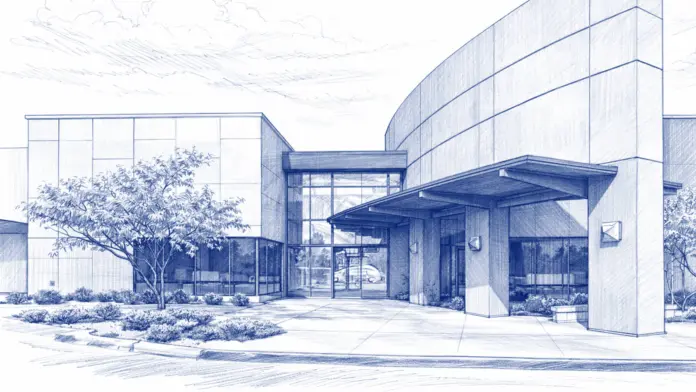
Concho Valley Turning Point is a Christ centered, nonprofit recovery support and reentry organization that serving Tom Green County and surrounding areas.
It offers men’s transitional sober living, faith based 12 step meetings, Celebrate Recovery and Bible study, mentoring and life skills classes rather than clinical or medical treatment.
A reentry model is built specifically around people leaving incarceration and parole supervision.
Concho Valley Turning Point is structured for people rebuilding life after criminal justice involvement.
Its Winners’ Circle peer group is mandated by the Texas Department of Criminal Justice and closed to the public and focuses on staying free from prior drug use and criminal involvement while practicing social skills and mentoring others.
The organization pairs this with a monthly new parole orientation and a four week budgeting course, a state approved eight week anger management curriculum led by a counselor with a completion certificate as well as food, clothing and referrals.
For someone in San Angelo leaving prison or completing supervision, this is a faith based bridge into stable community living rather than a clinical program, so it fits those who want structure and accountability.
Rather than a dormitory or halfway house setting, Concho Valley Turning Point houses men in fully furnished apartments with capacity for up to 26 residents and six beds recently added through the purchase of another men’s home.
A housing manager screens applications, administers random urine analysis and enforces house rules and residents are expected to attend weekly meetings.
The organization serves San Angelo and surrounding counties, offers its classes free and lists self pay options for housing.
 6
6 
 Our Methodology


Self-pay involves paying for treatment out of your own pocket. You can use savings or credit, get a personal loan, or receive help from family and friends to fund your treatment. If you don't have insurance or your insurance plan doesn't cover a specific program, self-pay can help ensure you still get the care you need.
Residents of a sober living home in Texas reside at the halfway house with others who have agreed to abstain from substances and practice sober-living skills. The relationships and accountability formed here can help individuals strengthen their mental health and achieve long-term recovery. Residents share common spaces such as kitchens and back yards, share meals together, and share household responsibilities such as cooking and cleaning.
The goal of treatment for alcoholism is abstinence. Those with poor social support, poor motivation, or psychiatric disorders tend to relapse within a few years of treatment. For these people, success is measured by longer periods of abstinence, reduced use of alcohol, better health, and improved social functioning. Recovery and Maintenance are usually based on 12 step programs and AA meetings.
During rehab in Texas, you'll deal with underlying issues that contribute to addiction. By addressing these challenges and learning healthy ways to cope with them, you'll develop strategies that help you live a drug-free lifestyle.
A combined mental health and substance abuse rehab has the staff and resources available to handle individuals with both mental health and substance abuse issues. It can be challenging to determine where a specific symptom stems from (a mental health issue or an issue related to substance abuse), so mental health and substance abuse professionals are helpful in detangling symptoms and keeping treatment on track.
Opioid rehabs specialize in supporting those recovering from opioid addiction. They treat those suffering from addiction to illegal opioids like heroin, as well as prescription drugs like oxycodone. These centers typically combine both physical as well as mental and emotional support to help stop addiction. Physical support often includes medical detox and subsequent medical support (including medication), and mental support includes in-depth therapy to address the underlying causes of addiction.
Adult rehab programs include therapies tailored to each client's specific needs, goals, and recovery progress. They are tailored to the specific challenges adult clients may face, including family and work pressures and commitments. From inpatient and residential treatment to various levels of outpatient services, there are many options available. Some facilities also help adults work through co-occurring conditions, like anxiety, that can accompany addiction.
Young adulthood can be an exciting, yet difficult, time of transition. Individuals in their late teens to mid-20s face unique stressors related to school, jobs, families, and social circles, which can lead to a rise in substance use. Rehab centers with dedicated young adult programs will include activities and amenities that cater to this age group, with an emphasis on specialized counseling, peer socialization, and ongoing aftercare.
Men face specific challenges and concerns when seeking addiction treatment. Gender-specific recovery programs help them tackle these issues head-on in an environment that's focused, targeted, and distraction-free. It also gives them the opportunity to connect with and learn from other men who have been through a similar journey and can offer support for the next step.
Rehabs for women provide a safe, nurturing space for female clients to heal. These treatment programs consider the specific obstacles that women can face during recovery and place a special emphasis on mental, social, physical, and reproductive health. They explore how each woman's experience has shaped the trajectory of their substance use, addressing issues such as sexual abuse and past trauma.
In individual therapy, a patient meets one-on-one with a trained psychologist or counselor. Therapy is a pivotal part of effective substance abuse treatment, as it often covers root causes of addiction, including challenges faced by the patient in their social, family, and work/school life.
 Residential Setting
President, BOD

Member, BOD

Member, BOD
Member, BOD
Rehab.com regularly reviews this listing for accuracy but changes may occur between updates. For the most up-to-date information, please contact Concho Valley Turning Point.

819 Rust street
San Angelo, TX 76903
Sponsored Helpline

Good Place Too Live and get right with yourself and God and around sober minded people...

Awesome place to live! Great godly people that are so helpful!


 Back
Back
Sharing your insights and experiences can help others learn more about this rehab center.