











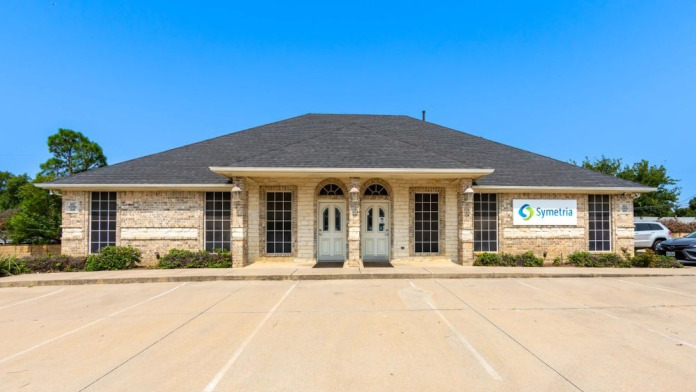
Symetria — Hurst Outpatient Rehab & Suboxone Clinic
1
Top 10 Rehab Centers In Hurst



















































































Crosspoint Inc., is located on Yucca Street in San Antonio, Texas. They offer residential behavioral health services to address and treat co-occurring mental health issues and substance use disorders. They also offer outpatient services for those transitioning from inpatient care. They are located in a former convent, historic building with ample onsite parking available for you and your family.
They are accessible to I-10 and I-37 for easy transportation to and from treatment. They are also close to restaurants, medical facilities and hotels. Additionally, you can explore many nearby natural landmarks including San Pedro Springs Park, the San Antonio Zoo and Elmendorf Lake Park.
Their inpatient care program provides you with 24/7 support during a 60 to 120 day stay at their facilities. You will see a care team of integrated providers including clinicians, therapists, counselors and medical staff. Their inpatient program also caters to those who are involved in the Baxter County justice system and are seeking intervention care to prevent incarceration through their treatment program.
I find it good to know that their residential programs are separated by gender with their male program located at a facility called Hall House and their women’s program located in Alvarez House. Most participants in their program have experienced or currently are experiencing homelessness.
I like that their case managers will work with you to ensure you are able to secure housing following your discharge. They will also work with providing access to job placement services and vocational training programs. They will also provide you with education to ensure you do not face future jail time or relapse.
They also offer an embedded outpatient care program for those nearing discharge in their residential program. Their outpatient program is located at their Austin-Collum Outpatient Center located on the east side of The Summit. They provided continued BHS services to address mental health issues and your SUD.
They are a registered charitable exempt organization and accept donations to help pay for the treatment of their clients.
 61 - 90
 Our Methodology


Medicaid is a state based program that helps lower-income individuals and families pay for healthcare. Medicaid covers addiction treatment so those enrolled can use their coverage to pay for rehab. When a program accepts Medicaid the client often pays very little or nothing out of their own pocket.
Private insurance refers to any kind of healthcare coverage that isn't from the state or federal government. This includes individual and family plans offered by an employer or purchased from the Insurance Marketplace. Every plan will have different requirements and out of pocket costs so be sure to get the full details before you start treatment.
Self-pay involves paying for treatment out of your own pocket. You can use savings or credit, get a personal loan, or receive help from family and friends to fund your treatment. If you don't have insurance or your insurance plan doesn't cover a specific program, self-pay can help ensure you still get the care you need.
Inpatient rehab programs are geared toward clients in early recovery. They also provide intensive support for clients in crisis and those at an increased relapse risk. Clients receive housing and meals while in inpatient care, allowing them to focus solely on their recovery. Most programs prioritize addiction counseling but may draw on various psychotherapeutic modalities, including CBT, DBT, RBT, trauma therapy, and motivational interviewing. Life skills training and holistic therapies are also common in inpatient care.
After completing some form of inpatient care, many clients transition or step down to an outpatient rehab, while some choose to transition from detox directly into outpatient care. High-intensity outpatient programming, including partial hospitalization (PHP) and intensive outpatient (IOP) is widely available for clients in early recovery, those leaving detox, and those at an elevated relapse risk. Clients in outpatient care generally engage in robust addiction counseling and recovery education, and some also receive medication assisted treatment (MAT).
Alcoholism occurs when a person becomes physically and psychologically dependent on alcohol. Attending a professional alcohol rehab in Texas can provide customized intervention methods to address the physical, mental, and relational challenges of addiction.
During rehab in Texas, you'll deal with underlying issues that contribute to addiction. By addressing these challenges and learning healthy ways to cope with them, you'll develop strategies that help you live a drug-free lifestyle.
 Opioid Addiction
Substance abuse treatment is available in Texas for anyone who's struggling with drug or alcohol addiction. These programs usually provide a comprehensive assessment and individualized treatment plan, and include evidence-based treatments, like therapies such as cognitive-behavioral therapy (CBT) to reframe unhelpful coping strategies, and dialectical behavior therapy (DBT) to help with emotional regulation and stress.
With a co-occurring drug or alcohol addiction and a mental health disorder, you'll want to seek out a dual diagnosis treatment center. These specialized rehabs offer services to address both conditions at the same time, including 24/7 access to medical and mental health professionals. By treating both disorders at the same time, it drastically increases your chances of successful long-term recovery.
Adult rehab programs include therapies tailored to each client's specific needs, goals, and recovery progress. They are tailored to the specific challenges adult clients may face, including family and work pressures and commitments. From inpatient and residential treatment to various levels of outpatient services, there are many options available. Some facilities also help adults work through co-occurring conditions, like anxiety, that can accompany addiction.
Serving in the military is both mentally and physically challenging, and can result in trauma that persists even after combat ends. Military programs are tailored to the specific and often complex needs of active duty personnel, veterans, and military families. Clients often access these programs through the U.S. Department of Veterans Affairs (VA).
Rehabs for women provide a safe, nurturing space for female clients to heal. These treatment programs consider the specific obstacles that women can face during recovery and place a special emphasis on mental, social, physical, and reproductive health. They explore how each woman's experience has shaped the trajectory of their substance use, addressing issues such as sexual abuse and past trauma.
The goal of cognitive behavioral therapy (CBT) in Texas is to change thought patterns, which leads to changes in behavior. Specific techniques during CBT can include self talk, SMART goals, journaling, and positive activities.
Treatment that takes a dialectical behavior therapy approach focuses on four strategies. Distress tolerance will help you accept and tolerate intense emotions. Emotional regulation will teach you to manage those emotions. Mindfulness will keep you in the present moment instead of regret or worry. Interpersonal effectiveness will teach you to manage your relationships.
Individual therapy offers you a confidential space to address the complexities of your drug or alcohol addiction. Your therapist guides these personalized sessions to help develop self awareness and manage stress. This promotes sustained sobriety and overall well being.
Peer support is an important aspect of group therapy sessions for drug and alcohol addiction. As you and your peers share stories and encourage each other, it fosters a sense of community and belonging that helps you process your feelings and reduces the sense of isolation that is associated with addiction.
 Residential Setting
  Gym
Gym  Private Rooms
 Rehab.com regularly reviews this listing for accuracy but changes may occur between updates. For the most up-to-date information, please contact Crosspoint Inc.

301 Yucca St, San Antonio, TX 78203
Sponsored Helpline

Low quality food. Terrible management. Arbitrary rules that hinder progress rather than help transition to society. Way under capacity which is ironic since inmates are always told by the BOP that there isn't enough bedspace in RRC's. Maintenance is lacking. One bathroom floods every time it rains. Another bathroom has been closed for a month because of an improper toilet reinstall. Honestly, a $20 wax ring is the fix. A washer and dryer have been out of order for the entire 3 months ive been here. I can't think of anything this place actually helps with besides providing a bed. Got to watch out for all the zombies. They seem to take forever to get rid of the dope fiends. This place needs to be audited.

👎

I was there years ago and I had a pretty good experience. The staff were very helpful and understanding and I appreciate everything they did for me.

TRASH !!!! Minor set back....reset, plan, evaluate, take action, keep pushing forward.....
 Back
Back
Sharing your insights and experiences can help others learn more about this rehab center.