










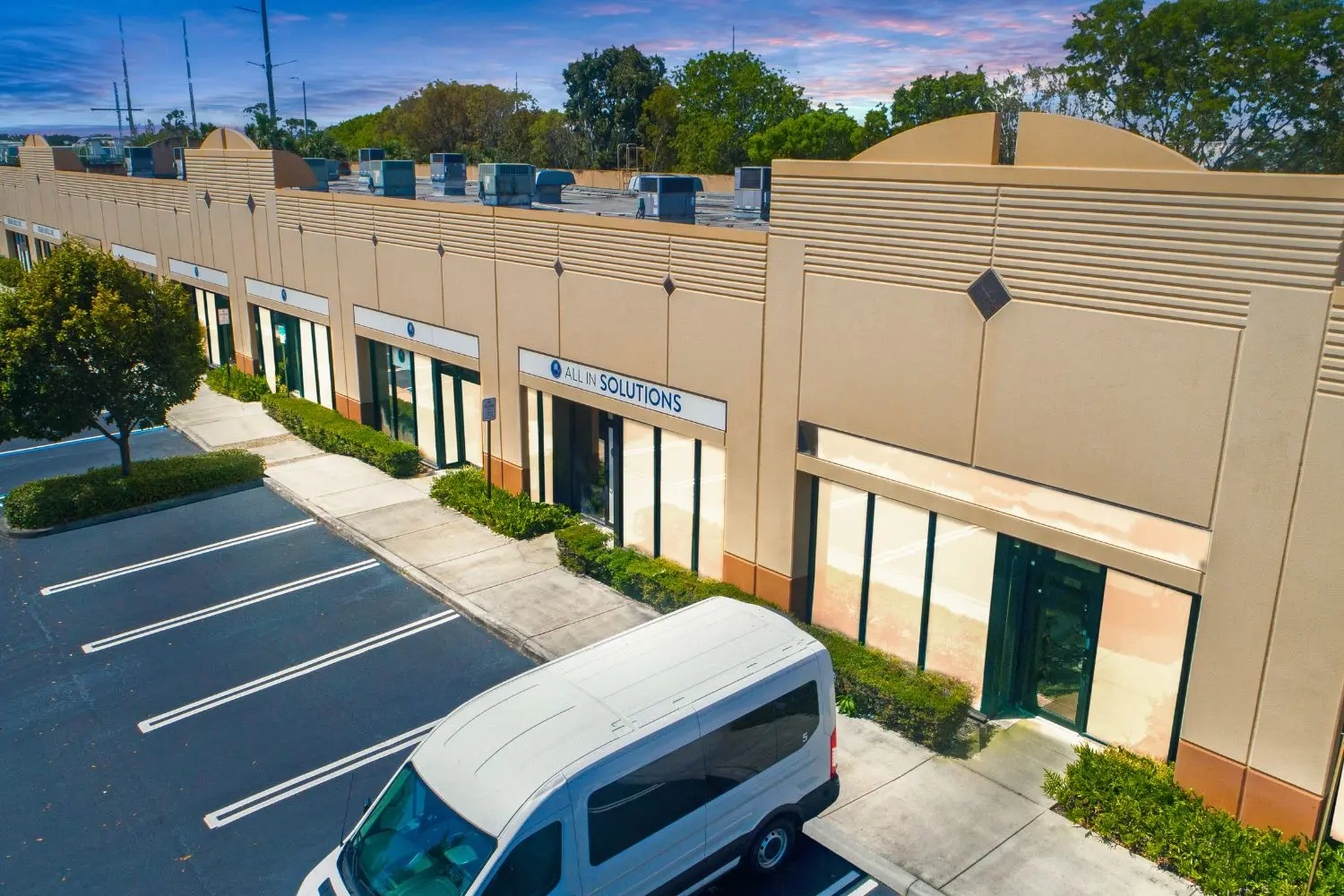
All In Solutions Counseling Center
1
Top 10 Rehab Centers In Boynton Beach



















































































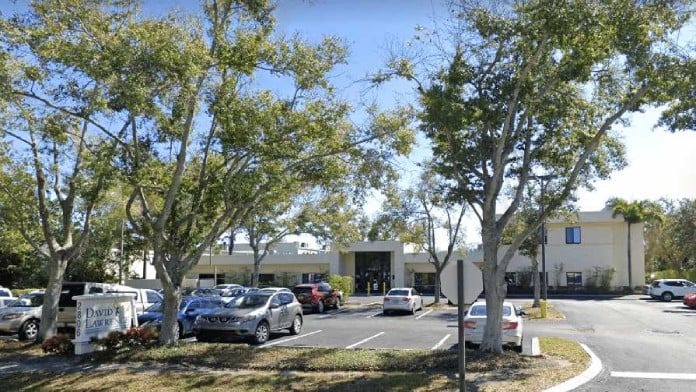
Their residential care begins with assessment and individualized treatment planning. This is followed by medical detox and inpatient rehabilitation. You can choose to just detox without following through the order care continuum, but it’s vital to follow the recovery pathway from detox to inpatient care and then to outpatient therapy to achieve and maintain lasting recovery.
Detox takes place in their modern 12 bed detox unit a few steps from their inpatient rehabilitation units. This ensures a smooth transition into residential treatment with a single system of care and a coordinated rehab team focused on your recovery. Their detox program is well developed and incorporates co-occurring treatments. It involves stabilization and 24 hour medical monitoring by trained experts. These professionals use Suboxone to deliver safe and comfortable medication assisted treatment for withdrawal.
There are daily 12 Step meetings and individual and group counseling sessions. This is in addition to yoga, tai chi and pet therapy. You’ll also participate in structured recreational activities, nutritional education classes and wellness groups. The program even incorporates nursing and medical care and medication management to support dual diagnosis patients.
Upon stabilization you can transition to their 18 bed inpatient rehabilitation program. This program provides essential education in five modules and lasts two to five weeks. The modules range from the disease concept of addiction through healthy relationship building to living a balanced lifestyle. Emphasis is placed on building solid coping strategies through relevant life skills, fulfilling relationships, and mindfulness. This promotes relapse prevention and helps you achieve lasting recovery.
You can step down to either their partial hospitalization program or intensive outpatient care after inpatient rehab. The partial hospitalization involves 20 hours of therapy group weekly. It is slightly more structured than the intensive outpatient program. You’ll receive intensive therapy during the day but return home at night. The intensive outpatient program involves about nine hours of group sessions weekly and lasts six to eight weeks. It offers more flexibility since you’ll maintain your daily routine while receiving treatment.
Both programs may provide additional services besides group and individual therapy. This may include medication assisted treatment, psychiatric care and tobacco cessation. The facility offers residential aftercare services that last four to 12 weeks for those who have completed their residential care. This program focuses on relapse prevention and involves more group and individual sessions as well as onsite 12 Step meetings. You can join their alumni group for ongoing support after completing their continuum of care.
 18
18 
 Our Methodology


Private insurance refers to any kind of healthcare coverage that isn't from the state or federal government. This includes individual and family plans offered by an employer or purchased from the Insurance Marketplace. Every plan will have different requirements and out of pocket costs so be sure to get the full details before you start treatment.
Self-pay involves paying for treatment out of your own pocket. You can use savings or credit, get a personal loan, or receive help from family and friends to fund your treatment. If you don't have insurance or your insurance plan doesn't cover a specific program, self-pay can help ensure you still get the care you need.
Financial aid can take many forms. Centers may have grants or scholarships available to clients who meet eligibility requirements. Programs that receive SAMHSA grants may have financial aid available for those who need treatment as well. Grants and scholarships can help you pai for treatment without having to repay.
Medicare is a federal program that provides health insurance for those 65 and older. It also serves people under 65 with chronic and disabling health challenges. To use Medicare for addiction treatment you need to find a program that accepts Medicare and is in network with your plan. Out of pocket costs and preauthorization requirements vary, so always check with your provider.
Military members, veterans, and eligible dependents have access to specific insurance programs that help them get the care they need. TRICARE and VA insurance can help you access low cost or no cost addiction and mental health treatment. Programs that accept military insurance often have targeted treatment focused on the unique challenges military members, veterans, and their families face.
Medicaid is a state based program that helps lower-income individuals and families pay for healthcare. Medicaid covers addiction treatment so those enrolled can use their coverage to pay for rehab. When a program accepts Medicaid the client often pays very little or nothing out of their own pocket.
Sliding scale payments are based on a client's income and family size. The goal is to make treatment affordable to everyone. By taking these factors into account, addiction recovery care providers help ensure that your treatment does not become a financial burden to you or your family, eliminating one barrier to care.
Outpatient Programs (OP) are for those seeking mental rehab or drug rehab, but who also stay at home every night. The main difference between outpatient treatment (OP) and intensive outpatient treatment (IOP) lies in the amount of hours the patient spends at the facility. Most of the time an outpatient program is designed for someone who has completed an inpatient stay and is looking to continue their growth in recovery. Outpatient is not meant to be the starting point, it is commonly referred to as aftercare.
Clients typically choose inpatient rehab when they are in early recovery or are experiencing a crisis that puts them at an increased risk of relapse. They reside at the treatment center for the length of their program, which may range from two weeks to more than 18 months, depending on the program design. Intensive psychotherapy is often the primary treatment modality, but clients in inpatient care may also receive holistic treatment and recovery-focused life skills training.
Intensive Outpatient Programs (IOP) are for those who want or need a very structured treatment program but who also wish to live at home and continue with certain responsibilities (such as work or school). IOP substance abuse treatment programs vary in duration and intensity, and certain outpatient rehab centers will offer individualized treatment programs.
Rehab aftercare programs are a collection of highly individualized services designed to promote long-term recovery. These services evolve as your needs change. Case managers and recovery teams typically begin formulating the rehab aftercare service plan early in the recovery process to facilitate your reintegration back into the home, workplace, and community.
If a person with a substance use disorder continually denies their problem or refuses to get treatment, a drug intervention in Florida may be necessary. Intervention services can help mediate the intervention by providing an addiction expert. This professional can de-escalate situations and facilitate a healthier discussion between the individual and their loved ones. Specialists can also help families handle issues they don't know how to navigate on their own.
A partial hospitalization program (PHP) is a short-term form of intensive rehab, usually for those with acute symptoms that are hard to manage but don’t require 24-hour care. PHPs have structured programming (i.e. individual and/or group therapy), and usually meet 3-5 days a week for around 6 hours (i.e. 9am-3m). Some PHPs are residential (patients sleep on site) and some are not, so patients sleep at home. PHPs can last from 1-6 months, and some offer transportation and meals.
The first step of the recovery process involves the removal of all drugs and alcohol from your system while under 24/7 medical supervision. Known as a medically assisted detox, you are closely monitored by medical staff who can provide medications, if necessary, to help alleviate any potential withdrawal symptoms. Medical detox is usually followed by a period of inpatient addiction treatment.
The goal of treatment for alcoholism is abstinence. Those with poor social support, poor motivation, or psychiatric disorders tend to relapse within a few years of treatment. For these people, success is measured by longer periods of abstinence, reduced use of alcohol, better health, and improved social functioning. Recovery and Maintenance are usually based on 12 step programs and AA meetings.
Drug rehab in Florida provides quality treatment to help individuals overcome dependency related to a wide range of addictive substances. Programs address both the physical and mental aspects of addiction in order to help you make a full recovery.
Many of those suffering from addiction also suffer from mental or emotional illnesses like schizophrenia, bipolar disorder, depression, or anxiety disorders. Rehab and other substance abuse facilities treating those with a dual diagnosis or co-occurring disorder administer psychiatric treatment to address the person's mental health issue in addition to drug and alcohol rehabilitation.
A combined mental health and substance abuse rehab has the staff and resources available to handle individuals with both mental health and substance abuse issues. It can be challenging to determine where a specific symptom stems from (a mental health issue or an issue related to substance abuse), so mental health and substance abuse professionals are helpful in detangling symptoms and keeping treatment on track.
Opioid rehabs specialize in supporting those recovering from opioid addiction. They treat those suffering from addiction to illegal opioids like heroin, as well as prescription drugs like oxycodone. These centers typically combine both physical as well as mental and emotional support to help stop addiction. Physical support often includes medical detox and subsequent medical support (including medication), and mental support includes in-depth therapy to address the underlying causes of addiction.
In Florida, substance abuse treatment focuses on treating mental health and substance use disorders concurrently to improve recovery outcomes and overall health. Levels of care include medical detox, outpatient, residential treatment, and intensive outpatient programs. Clinicians utilize evidence-based therapies such as dialectical behavioral therapy (DBT) or medication-assisted treatment, group therapy, and skills training activities. This comprehensive approach to treatment helps to ensure sustained recovery.
Adult rehab programs include therapies tailored to each client's specific needs, goals, and recovery progress. They are tailored to the specific challenges adult clients may face, including family and work pressures and commitments. From inpatient and residential treatment to various levels of outpatient services, there are many options available. Some facilities also help adults work through co-occurring conditions, like anxiety, that can accompany addiction.
Young adulthood can be an exciting, yet difficult, time of transition. Individuals in their late teens to mid-20s face unique stressors related to school, jobs, families, and social circles, which can lead to a rise in substance use. Rehab centers with dedicated young adult programs will include activities and amenities that cater to this age group, with an emphasis on specialized counseling, peer socialization, and ongoing aftercare.
Serving in the military is both mentally and physically challenging, and can result in trauma that persists even after combat ends. Military programs are tailored to the specific and often complex needs of active duty personnel, veterans, and military families. Clients often access these programs through the U.S. Department of Veterans Affairs (VA).
Therapists who apply cognitive behavioral therapy in Florida believe patient thoughts and behaviors are closely linked. They use this treatment method to help clients change their thought patterns so they can also change behaviors and break free from substance abuse.
Dialectical Behavior Therapy (DBT) is a modified form of Cognitive Behavioral Therapy (CBT), a treatment designed to help people understand and ultimately affect the relationship between their thoughts, feelings, and behaviors. DBT is often used for individuals who struggle with self-harm behaviors, such as self-mutilation (cutting) and suicidal thoughts, urges, or attempts. It has been proven clinically effective for those who struggle with out-of-control emotions and mental health illnesses like Borderline Personality Disorder.
 Equine Therapy
Group therapy is any therapeutic work that happens in a group (not one-on-one). There are a number of different group therapy modalities, including support groups, experiential therapy, psycho-education, and more. Group therapy involves treatment as well as processing interaction between group members.
In individual therapy, a patient meets one-on-one with a trained psychologist or counselor. Therapy is a pivotal part of effective substance abuse treatment, as it often covers root causes of addiction, including challenges faced by the patient in their social, family, and work/school life.
During couples therapy in Florida, your therapist will take steps to get to know you, help you identify feelings, explore the past, develop solutions, and help you learn skills to manage relationship challenges. This process will allow you to work through conflict and strengthen your relationship.
Research clearly demonstrates that recovery is far more successful and sustainable when loved ones like family members participate in rehab and substance abuse treatment. Genetic factors may be at play when it comes to drug and alcohol addiction, as well as mental health issues. Family dynamics often play a critical role in addiction triggers, and if properly educated, family members can be a strong source of support when it comes to rehabilitation.
Life skills trainings involve all the skills a person must have in order to function successfully in the world. These include time management, career guidance, money management, and effective communication. Truly successful addiction recovery is based on the ability to not only live substance-free, but to thrive. Life skills teaches the practical necessities of functioning in society, which sets clients up for success in life, and therefore sobriety.
Nutrition therapy, aka medical nutrition therapy (MNT), is a way of treating physical, emotional, and medical conditions through diet. Specific dietary plans are designed by professional nutritionists or registered dietitians, and patients follow them in order to positively affect their physical and mental health.
Creativity is inherently healing, and can help those in recovery express thoughts or feelings they might not otherwise be able to. Creative arts therapy can include music, poetry/writing, painting, sculpting, dance, theater, sandplay, and more. Unlike traditional art, the final product matters far less than the experience of creation and expression itself.
As a short term therapeutic method, motivational interviewing in Florida requires only a couple of sessions. During these sessions, you'll have the opportunity to talk about your circumstances and any discrepancies between your current situation and future goals. You'll then decide for yourself what changes you want to make.
Trauma therapy helps you work through the psychological impact that traumatic events have had on your life. Your therapist helps you identify the physical, emotional, and mental triggers and develop coping mechanisms. This helps rebuild a sense of safety and trust in yourself and others.
 Private Setting
  Hiking
CEO
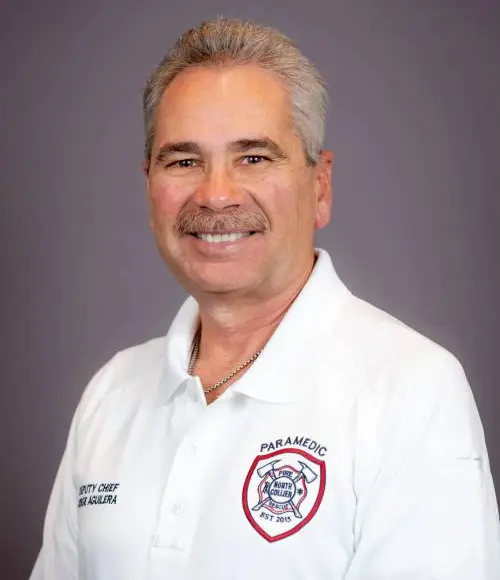
Chief Deputy
Chair
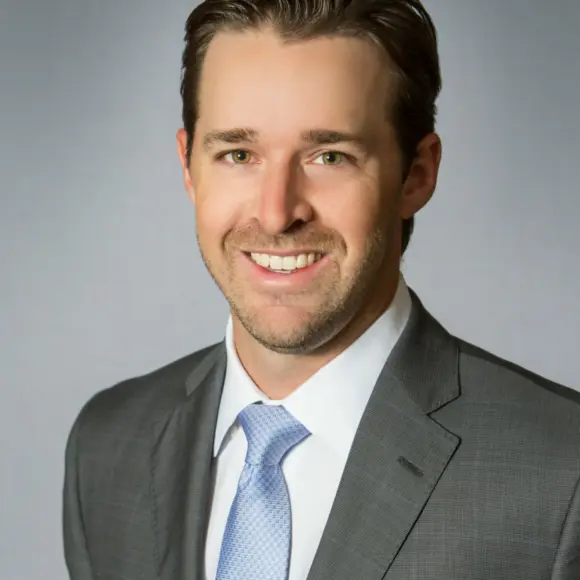
Vice Chair
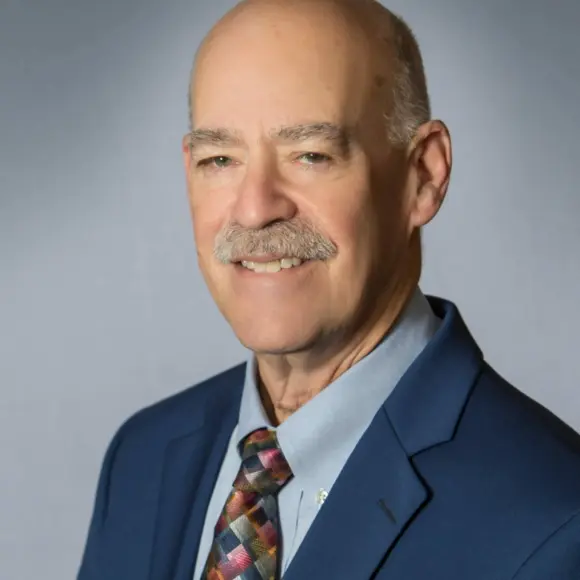
Treasuer
Secretary
COO
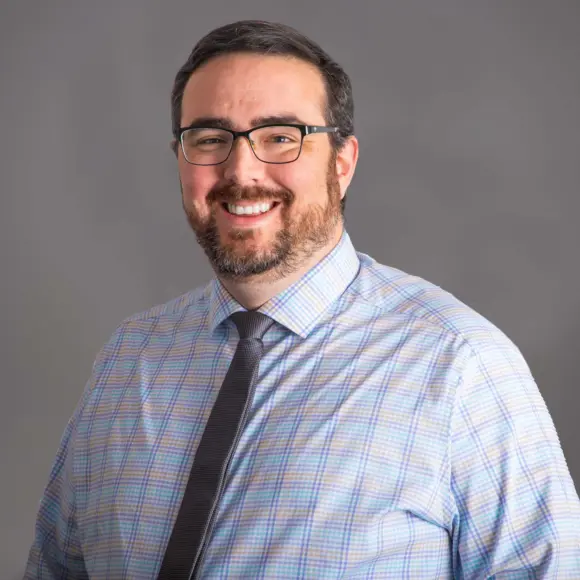
CFO
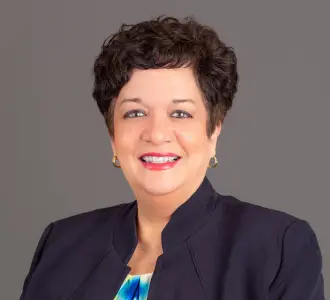
Chief Clinical Officer

The Joint Commission, formerly known as JCAHO, is a nonprofit organization that accredits rehab organizations and programs. Founded in 1951, the Joint Commision's mission is to improve the quality of patient care and demonstrating the quality of patient care.
Joint Commission Accreditation: Yes
Accreditation Number: 1274

The Substance Abuse and Mental Health Services Administration (SAMHSA) is a branch of the U.S. Department of Health and Human Services. Established in 1992 by congress, SAMHSA's mission is to reduce the impact of substance abuse and mental illness on American's communities.
SAMHSA Listed: Yes

State Licenses are permits issued by government agencies that allow rehab organizations to conduct business legally within a certain geographical area. Typically, the kind of program a rehab facility offers, along with its physical location, determines which licenses are required to operate legally.
State License: Florida
Rehab.com regularly reviews this listing for accuracy but changes may occur between updates. For the most up-to-date information, please contact David Lawrence Centers for Behavioral Health.

2806 South Horseshoe Drive
Naples, FL 34104
Sponsored Helpline


I HAVE BEEN CONSTANTLY CALLED FROM THIS FACILITY. I DONT EVEN LIVE IN FL AND I KEEP TELLING THEM THEY HAVE THE WRONG PERSON AND NUMBER. ALSO CALLING AT 3 AM IN THE MORNING. U GUYS NEED TO UPDATE PT INFOMATION AND STOP CALLING ME

The technicians in the under 18 section were amazing. I miss the woman who comforted me and said it was my fate to be there and have that conversation with her at night, before I slept. I had been in a spiritual and physical crisis and she offered much help. Alot of the medical students/technicians were awesome, very kind and amazing and if I could do a review just for them I would give 5 stars. When it comes to the actual professionals, it seems they would rather drug you or have you lie than to give you actual help or advice. I had been a young girl who made mistakes (this was two or three years ago that I was admitted there) that were used against me and I admitted they were stupid to hopefully leave the facility. The old maybe polish or russian doctor/psychologist agreed "Yes, that was very stupid." with little further comment. The student nurses came out to extend their pity and tell me it wasn't my fault. Genuinely horrifying. One of the technicians there was eating her food and I sat next to her at the table to eat. She says, no joke; "Hey can you please not eat that stale hospital food next to mine? It grosses me out." I thought she was joking but she was entirely serious. She seemed to be a bit sociopathic. All in all, amazing technicians, amazing student nurses. The female doctor/psychologist was the worst and I hope she retires soon so someone with actual human empathy can replace her. I would NOT RECOMMEND to stay here or bring your loved ones here. It took me two years of working through my trauma to even write this review. I hope these student nurses and verified KIND technicians can replace the cruel people here.
 Back
Back
Sharing your insights and experiences can help others learn more about this rehab center.
 Written By: Chika Uchendu


