












Hawaii Island Recovery
1
Top 10 Rehab Centers In Kailua Kona



















































































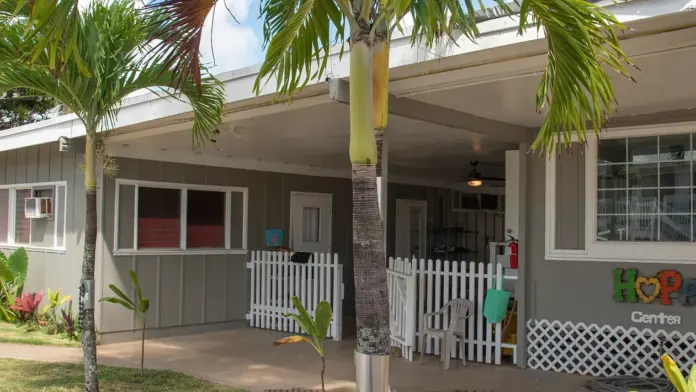
They offer a phased recovery approach that integrates proven therapeutic practices and Christian centered models. The first phase involves 12 Step immersion, individual and group lay counseling and Celebrate Recovery. This helps you build a solid recovery foundation focusing on accountability, peer support and spiritual growth. You should expect to attend bible studies, participate in daily chores and engage in daily reflection that fosters spiritual development. Family support is emphasized, and visitation is allowed. They even have a dedicated family support night, foundation classes and interactive topical courses.
You’ll also participate in recreational activities including gym sessions, Saturday fun days such as lake trips or skydiving, weekend retreats to the mountains or beaches and a readily accessible snack shack. I admire their commitment to providing these recreational benefits as they make the program fun. The sponsoring church from the community will offer weekend service, small group opportunities and pastoral care. This phase lasts for four weeks.
In the second phase, the program becomes more tailored to meet your core recovery needs. Daily chores become replaced with 40 hours of vocational training weekly. This helps you build sound technical and interpersonal skills that prepare you for fulfilling career prospects upon graduation. This phase lasts for 40 weeks.
The final phase eases you closer to life after graduation through more real-life skills like financial management. This is in addition to privileges like more opportunities to earn income and personal phone and vehicle use. This final phase lasts eight weeks. It is believed that at the end of the program you’ll return to a stable, responsible and addiction free life in Christ.

 Our Methodology


Self-pay involves paying for treatment out of your own pocket. You can use savings or credit, get a personal loan, or receive help from family and friends to fund your treatment. If you don't have insurance or your insurance plan doesn't cover a specific program, self-pay can help ensure you still get the care you need.
Private insurance refers to any kind of healthcare coverage that isn't from the state or federal government. This includes individual and family plans offered by an employer or purchased from the Insurance Marketplace. Every plan will have different requirements and out of pocket costs so be sure to get the full details before you start treatment.
Residential treatment programs are those that offer housing and meals in addition to substance abuse treatment. Rehab facilities that offer residential treatment allow patients to focus solely on recovery, in an environment totally separate from their lives. Some rehab centers specialize in short-term residential treatment (a few days to a week or two), while others solely provide treatment on a long-term basis (several weeks to months). Some offer both, and tailor treatment to the patient's individual requirements.
12 step programs promote long-term sobriety through a process of personal growth rooted in spiritual principles. Participants work through the 12 steps by learning to define and address the root causes of their addiction, to take responsibility for their choices and actions, and to relinquish control over that which cannot be changed. Participants attend regular, anonymous 12 step meetings and are mentored by a self-selected sponsor. Specialized formats, including age and gender specific groups, are available.
Sober Living Houses (SLHs), aka sober homes or halfway houses, are safe, substance-free, supportive living facilities for those recovering from substance abuse. Ideal for those who've just been through inpatient or outpatient treatment, SLHs are supervised environments with rules that support sobriety, such as curfews, shared chores, and therapeutic meetings. Residents are also often trained on life skills and coping skills to make it easier to transition into society. SLHs also provide a strong sense of community that can lead to the kind of deep and lasting connections with other sober individuals that supports a new, healthy lifestyle.
Substance rehabs focus on helping individuals recover from substance abuse, including alcohol and drug addiction (both illegal and prescription drugs). They often include the opportunity to engage in both individual as well as group therapy.
Adult rehab programs include therapies tailored to each client's specific needs, goals, and recovery progress. They are tailored to the specific challenges adult clients may face, including family and work pressures and commitments. From inpatient and residential treatment to various levels of outpatient services, there are many options available. Some facilities also help adults work through co-occurring conditions, like anxiety, that can accompany addiction.
Recovery is most successful when clients feel accepted and validated by their peers and treatment providers. Facilities that offer LGBTQ-inclusive programming are committed to creating a safe space where everyone can grow and recover without fear of judgment or discrimination. They will have dedicated policies in place to create a safe and supportive environment that fosters free expression.
Research clearly demonstrates that recovery is far more successful and sustainable when loved ones like family members participate in rehab and substance abuse treatment. Genetic factors may be at play when it comes to drug and alcohol addiction, as well as mental health issues. Family dynamics often play a critical role in addiction triggers, and if properly educated, family members can be a strong source of support when it comes to rehabilitation.
Group therapy is any therapeutic work that happens in a group (not one-on-one). There are a number of different group therapy modalities, including support groups, experiential therapy, psycho-education, and more. Group therapy involves treatment as well as processing interaction between group members.
In individual therapy, a patient meets one-on-one with a trained psychologist or counselor. Therapy is a pivotal part of effective substance abuse treatment, as it often covers root causes of addiction, including challenges faced by the patient in their social, family, and work/school life.
Rehab.com regularly reviews this listing for accuracy but changes may occur between updates. For the most up-to-date information, please contact Hope Center Ministries.

361 N. Kainalu Dr.
Kailua, HI 96734
Sponsored Helpline

I live on the mainland, and I am heartbroken that I was unable to stay in contact with my little brother. Our family has spent years trying to help him, and despite our efforts, we have struggled to reach him. He is the youngest of 12 siblings and truly has a good heart. Unfortunately, he never had many opportunities in life and became involved with the wrong crowd. After he spoke with my older brother who also lives in the mainland, I attempted to call him a few weeks later. When I contacted the facility, I was simply told, “We tried with him.” I was informed that while working, customers complained that he was talking to himself. While I understand that behavior may concern some people, my brother needs compassion, support, and specialized care. Some individuals require more assistance than a traditional recovery program can provide. What was most upsetting was that our family received no notification that he had been discharged from the program. It felt as though he was simply released back onto the streets without any communication to those who care about him. I was given a crisis hotline number, but it provided no meaningful information or direction regarding his situation. I wish the facility had made an effort to contact a family member to better understand his circumstances and allow us to help support him. My brother is not a threat to anyone. He is a kind person who struggles with both substance abuse and now mental health challenges and needs more support than “we tried with him.” With no real explaining on how.. I remain grateful for any positive impact the program may have had on him, and I continue to trust in God’s plan. However, I hope the organization can improve its communication, administrative processes, and empathy for both residents and their families. We are now back to square one in our search for him. Thank you for the help that was provided. I pray that something from his time there stays with him and helps guide him home.


I'm gonna make a prediction, to my bruddahs at Hope an excellent place to overcome my short comings with the help of Jesus Christ and a fellowship maholos GRLW

 Back
Back
Sharing your insights and experiences can help others learn more about this rehab center.

 Written By: Chika Uchendu