





























































































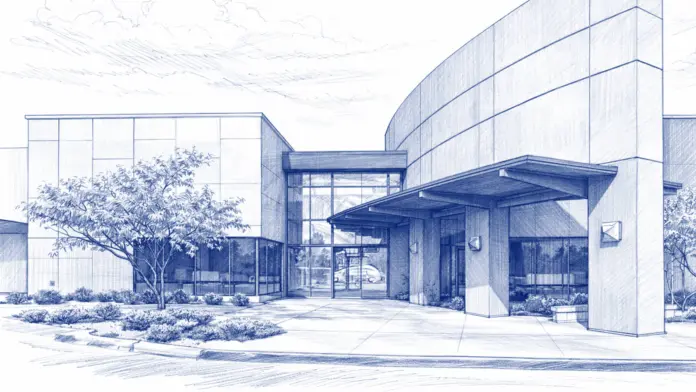
About Hospital for Behavioral Medicine
Located in Worcester, Massachusetts, the Hospital for Behavioral Medicine offers acute inpatient care for adolescents ages 13-17, as well as older adults with substance use and mental health crises.
They also offer detoxification for individuals experiencing acute withdrawal symptoms. Clients may also attend a partial hospitalization program (PHP) or the intensive outpatient program (IOP).
The hospital accepts Medicaid and Medicare and is in-network with most major insurance providers. This facility was opened in 2019 and is located near scenic Lake Quinsigamond. You’ll be able to access free confidential screenings.
Specialized Addiction Care
The hospital offers dedicated programs for first responders and veterans who may be dealing with post traumatic stress disorder. PTSD is often a contributing factor in addiction as an underlying mental health issue.
Additionally, the facility is LGBTQ+ friendly with supportive and affirming addiction treatment programs.
Feeling Safe During Treatment
The clinicians are committed to providing a supportive and safe environment, especially for those in crises. Clients have praised the environment and remarked that they felt safe and supported. They also highlighted the sensitive, compassionate and professional care.
Facility Overview
 120
120 Latest Reviews



Rehab Score
 Our Methodology


Location
Accepted Insurance
Other Forms of Payment
Medicaid is a state based program that helps lower-income individuals and families pay for healthcare. Medicaid covers addiction treatment so those enrolled can use their coverage to pay for rehab. When a program accepts Medicaid the client often pays very little or nothing out of their own pocket.
Medicare is a federal program that provides health insurance for those 65 and older. It also serves people under 65 with chronic and disabling health challenges. To use Medicare for addiction treatment you need to find a program that accepts Medicare and is in network with your plan. Out of pocket costs and preauthorization requirements vary, so always check with your provider.
Private insurance refers to any kind of healthcare coverage that isn't from the state or federal government. This includes individual and family plans offered by an employer or purchased from the Insurance Marketplace. Every plan will have different requirements and out of pocket costs so be sure to get the full details before you start treatment.
Self-pay involves paying for treatment out of your own pocket. You can use savings or credit, get a personal loan, or receive help from family and friends to fund your treatment. If you don't have insurance or your insurance plan doesn't cover a specific program, self-pay can help ensure you still get the care you need.
Addiction Treatments
Levels of Care
Inpatient rehab offers robust, hands-on care in a highly structured and supportive environment. The facility provides housing, meals, and round-the-clock supervision, allowing clients to focus exclusively on their recovery. Inpatient treatment typically involves intensive addiction counseling based on CBT, DBT, RBT, motivational interviewing, or other psychotherapeutic approaches. Many inpatient treatment centers also offer life skills training and/or complementary therapies, including meditation, mindfulness, and nutrition counseling.
A partial hospitalization program (PHP), also known as day treatment, allows you to receive rehab-level care while living at home. PHP treatment requires a minimum of 20 hours of treatment each week for an average of 90 days. PHP treatment plans can vary depending on your needs but typically includes relapse prevention, medication management, and evidence-based therapies, such as cognitive-behavioral therapy (CBT), and dialectical behavior therapy (DBT). Most insurance providers fully or partially cover PHP treatment.
Intensive outpatient programs (IOP) facilitate clients' sustained sobriety through high-level care aligned with their evolving needs. Clients engage in multiple treatment sessions per week, typically receiving between nine and 20 hours of outpatient care weekly. The frequency and intensity of treatment gradually decreases as clients stabilize. Many intensive outpatient rehabs offer a variety of services, including addiction counseling, recovery-focused life skills training, and medication assisted treatment (MAT). Evidence-based complementary therapies are also common.
Telehealth in Massachusetts allows patients to receive care in one location from a specialist who is at a separate location. This allows the patient to save time and money on healthcare visits. The added convenience can make treatment more accessible.
Treatments
A person who has alcohol use disorder (alcoholism) builds up a physical tolerance to alcohol. If they try to stop drinking, they experience withdrawal symptoms. Treatment is available for this condition, through alcohol rehab in Massachusetts. Treatment options include AA, detox, counseling, medication, residential programs, and outpatient treatment. Social and family support systems are crucial during and after treatment of any kind.
Addiction is a highly complex problem, and drug rehab in Massachusetts is often necessary to address it. These programs treat physical, mental, and relational issues that are involved. Treatment empowers individuals to manage these issues without the use of drugs.
 Opioid Addiction
Mental health services are essential during treatment for drug and alcohol addiction, whether you receive treatment in an inpatient or outpatient setting. While receiving inpatient care, you can expect to have round-the-clock access to mental health therapists and medical staff. Additionally, you will likely receive a number of different therapies and mental health options like individual and group counseling, addiction and relapse prevention education, and coping skills training.
Programs
Teen programs are designed to address the unique pressures teens face, pressures that can drive them to experiment with dangerous, addictive substances. They need programs that meet them exactly where they are and give them tools for long-term recovery. Therapy can help teenagers understand and work through underlying issues so they can reclaim the life ahead of them.
Adult rehab programs include therapies tailored to each client's specific needs, goals, and recovery progress. They are tailored to the specific challenges adult clients may face, including family and work pressures and commitments. From inpatient and residential treatment to various levels of outpatient services, there are many options available. Some facilities also help adults work through co-occurring conditions, like anxiety, that can accompany addiction.
Nearly one million adults age 65 and older live with a substance use disorder. Treatment providers who specialize in senior care understand the social, psychological, and physical effects of aging and how they relate to recovery. They can help clients address particular challenges and risks they may face as they get older such as overdosing and medication interactions and dependencies.
Clinical Services
During cognitive behavioral therapy in Massachusetts, clients work with a trained counselor to identify negative thinking patterns and change them. This change in thinking has been shown to lead to changes in behavior to treat substance use and mental health disorders effectively.
If you are experiencing intense, negative emotions, dialectical behavior therapy can help you learn how to regulate painful emotions and manage the interpersonal situations that generate them. This method is often used during substance use treatment in Massachusetts to help you develop better coping skills and avoid relapse.
Group therapy is a safe space for participants to share their stories and experiences within a confidential and judgment free environment. You have the opportunity to openly discuss your difficulties and create a network of community support that can extend long after group therapy sessions end.
During family therapy, the therapist works with every member of the family unit to understand the role they play in their loved one's addiction. By addressing these patterns, family members learn healthier ways to interact with each other and contribute to a more effective recovery journey for the family member who is addicted.
Recreational therapy helps you as you recover from drug and alcohol addiction in Massachusetts by giving you structured activities to improve your physical and mental health. By participating in sports, creative arts, or nature activities, you have a positive outlet for emotions and stress that may have otherwise triggered alcohol or drug use. This helps to foster a healthy sober lifestyle.
Accreditations

The Joint Commission, formerly known as JCAHO, is a nonprofit organization that accredits rehab organizations and programs. Founded in 1951, the Joint Commision's mission is to improve the quality of patient care and demonstrating the quality of patient care.
Joint Commission Accreditation: Yes
Rehab.com regularly reviews this listing for accuracy but changes may occur between updates. For the most up-to-date information, please contact Hospital for Behavioral Medicine.
Contact Information


100 Century Dr, Worcester, MA 01606
Sponsored Helpline



