





























































































About Kansas City Kansas VA Clinic
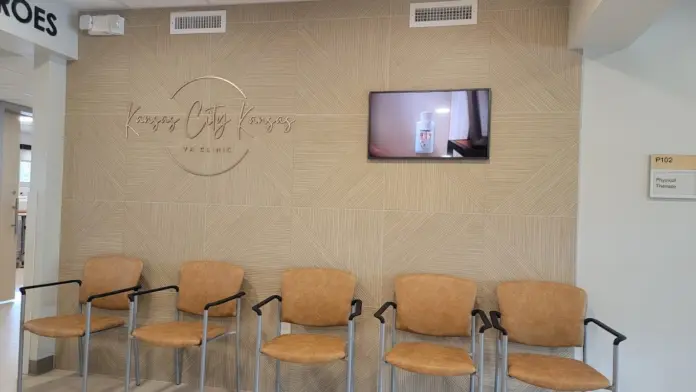
The Kansas City Kansas VA Clinic, officially known as the Captain Elwin Shopteese VA Clinic, is a VA outpatient facility serving Veterans through the VA Eastern Kansas Health Care system.
The clinic provides outpatient mental health care, psychiatry, primary care, laboratory services and pharmacy support, with treatment available for addictive behaviors, PTSD, depression, anxiety and other behavioral health concerns.
Its mission is to deliver coordinated, Veteran centered care that integrates behavioral health with whole person wellness.
Outpatient Addiction and Mental Health Care for Veterans
The clinic offers outpatient treatment for substance use and addictive behaviors as part of its broader mental health services.
Veterans can access consultation, evaluation, counseling, therapy and psychiatric medication management when needed, with same day mental health support available through the VA system.
Sessions may include individual and group therapy designed to address substance use alongside co-occurring conditions like trauma, anxiety or depression.
Care is coordinated with primary care, social services and telehealth options to support long-term recovery and overall wellness.
Integrated Behavioral Health for Co-Occurring Conditions
Beyond addiction care, the clinic supports Veterans facing PTSD, bipolar disorder, OCD, grief, anger and relationship challenges.
Psychiatry services combine therapy and medication when appropriate, allowing providers to treat complex, overlapping behavioral health needs within one connected care team.
Kansas City Veteran Care
The clinic is located at 9201 Parallel Pkwy in Kansas City, Kansas, offering in-person visits Monday through Friday along with virtual care options and transportation assistance for eligible Veterans.
As a VA facility, services are provided at no cost to qualifying Veterans, with coverage coordinated through VA benefits and related programs.
Latest Reviews



Rehab Score
 Our Methodology


Gallery
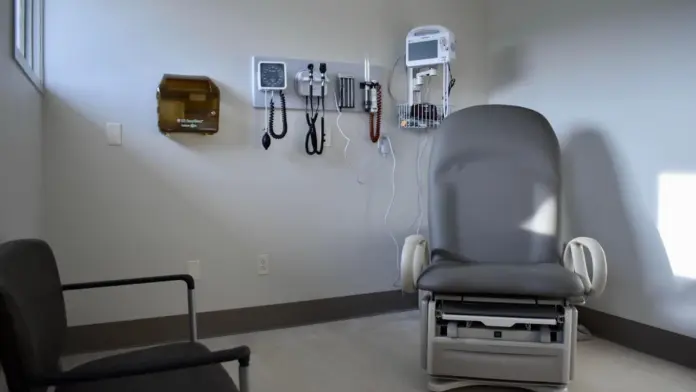
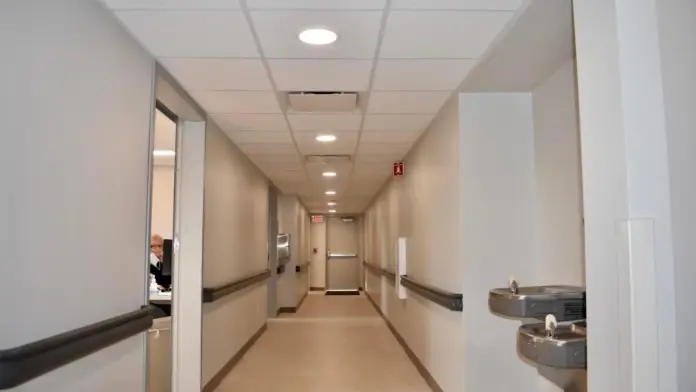
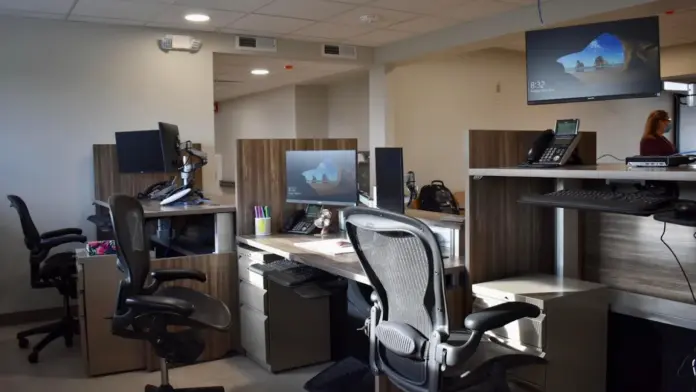
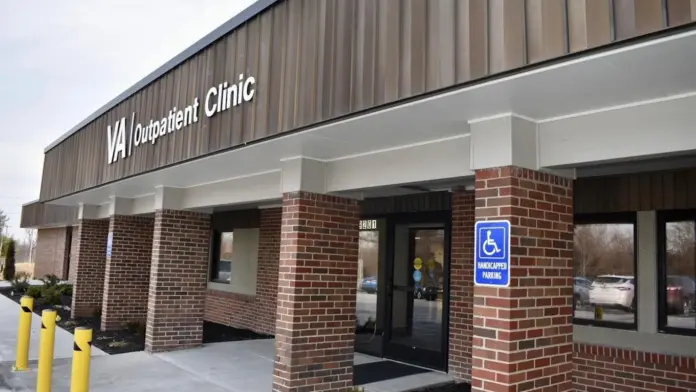
Accepted Insurance
Other Forms of Payment
Private insurance refers to any kind of healthcare coverage that isn't from the state or federal government. This includes individual and family plans offered by an employer or purchased from the Insurance Marketplace. Every plan will have different requirements and out of pocket costs so be sure to get the full details before you start treatment.
Self-pay involves paying for treatment out of your own pocket. You can use savings or credit, get a personal loan, or receive help from family and friends to fund your treatment. If you don't have insurance or your insurance plan doesn't cover a specific program, self-pay can help ensure you still get the care you need.
Military members, veterans, and eligible dependents have access to specific insurance programs that help them get the care they need. TRICARE and VA insurance can help you access low cost or no cost addiction and mental health treatment. Programs that accept military insurance often have targeted treatment focused on the unique challenges military members, veterans, and their families face.
Medicaid is a state based program that helps lower-income individuals and families pay for healthcare. Medicaid covers addiction treatment so those enrolled can use their coverage to pay for rehab. When a program accepts Medicaid the client often pays very little or nothing out of their own pocket.
Medicare is a federal program that provides health insurance for those 65 and older. It also serves people under 65 with chronic and disabling health challenges. To use Medicare for addiction treatment you need to find a program that accepts Medicare and is in network with your plan. Out of pocket costs and preauthorization requirements vary, so always check with your provider.
Addiction Treatments
Levels of Care
A partial hospitalization program (PHP) is a short-term form of intensive rehab, usually for those with acute symptoms that are hard to manage but don’t require 24-hour care. PHPs have structured programming (i.e. individual and/or group therapy), and usually meet 3-5 days a week for around 6 hours (i.e. 9am-3m). Some PHPs are residential (patients sleep on site) and some are not, so patients sleep at home. PHPs can last from 1-6 months, and some offer transportation and meals.
Intensive Outpatient programs are for those who want or need a very structured treatment program but who also wish to live at home and continue with certain responsibilities (such as work or school). IOP substance abuse treatment programs vary in duration and intensity, and certain outpatient rehab centers will offer individualized treatment programs. The Intensive Outpatient Program gives patients the chance to participate in a structured treatment plan part-time while they transition back to home and work or other responsibilities.
Outpatient Programs (OP) are for those seeking mental rehab or drug rehab, but who also stay at home every night. The main difference between outpatient treatment (OP) and intensive outpatient treatment (IOP) lies in the amount of hours the patient spends at the facility. Most of the time an outpatient program is designed for someone who has completed an inpatient stay and is looking to continue their growth in recovery. Outpatient is not meant to be the starting point, it is commonly referred to as aftercare.
Completing a drug or alcohol rehab program shouldn't spell the end of substance abuse treatment. Aftercare involves making a sustainable plan for recovery, including ongoing support. This can include sober living arrangements like halfway houses, career counseling, and setting a patient up with community programs like Alcoholics Anonymous (AA) or Narcotics Anonymous (NA).
Programs
Adult rehab programs include therapies tailored to each client's specific needs, goals, and recovery progress. They are tailored to the specific challenges adult clients may face, including family and work pressures and commitments. From inpatient and residential treatment to various levels of outpatient services, there are many options available. Some facilities also help adults work through co-occurring conditions, like anxiety, that can accompany addiction.
Clinical Services
Individual therapy for drug and alcohol addiction treatment provides you with targeted support. Your therapist is able to address the unique aspects and triggers of your addiction so you can develop healthy coping strategies and set achievable goals. These are essential components of a successful journey to recovery.
Substance abuse treatment typically includes group therapy where you can learn essential coping skills that help you navigate challenges within the community and relapse prevention strategies that support sustainable recovery. Group therapy offers you a platform to share your stories with your peers who understand the journey you are on.
Staff
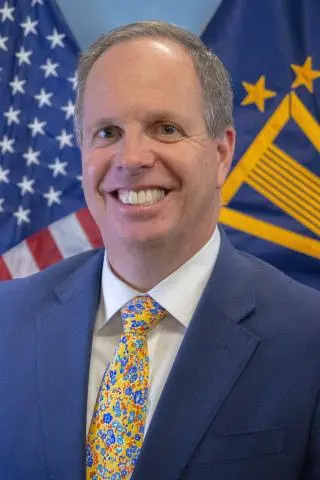
A. Rudy Klopfer, FACHE/VHA-CM
Director
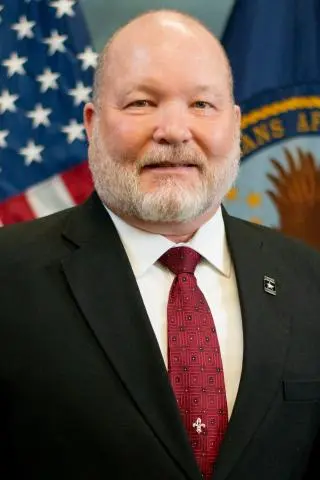
Richard Hoyt
Associate Director
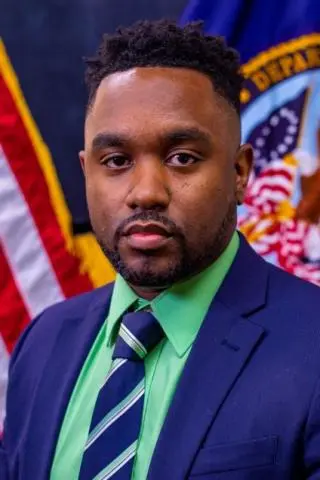
Dominique Henderson
Assistant Director
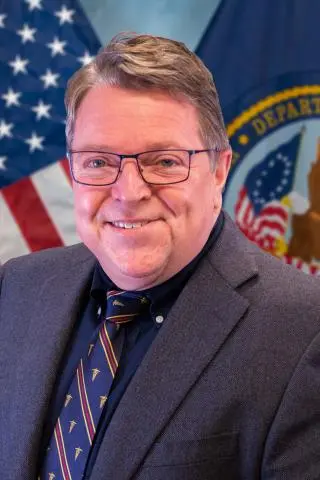
Michael Leeson, MD
Chief of Staff
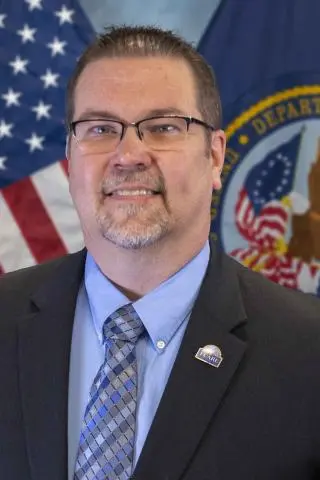
Dennis Clapp, MSN, RN
Associate Director of Patient Care Services
Rehab.com regularly reviews this listing for accuracy but changes may occur between updates. For the most up-to-date information, please contact Kansas City Kansas VA Clinic.
Contact Information


9201 Parallel Pkwy
Kansas City, KS 66112
Sponsored Helpline


