






























































































There are much better rehabs in RI. Do yourself a favor and stay out of this one if you can. It’s the most unprofessional place I’ve ever been, and I’ve been to many of these places on my sobriety journey…. If you like dirty ghetto living, nitpicking rules enforced b ...
About MAP Behavioral Health Services
MAP Behavioral Health Services in Providence, Rhode Island, is all about helping people recover from substance use in a way that actually feels supportive and real. Their team understands that everyone comes from different backgrounds and experiences, so they work hard to build trust and make sure treatment really connects with each person. They offer both full time residential care and outpatient services for people at different stages of recovery.
Inviting Residential Program for Men
Their residential program is for men who need a structured place to focus on getting better. A team of doctors, counselors and support staff are there around the clock, helping residents learn recovery skills, avoid relapse and rebuild their lives. Everyone gets daily one on one counseling plus group therapy, and they offer psychiatric care and medication assisted treatment (MAT) if needed.
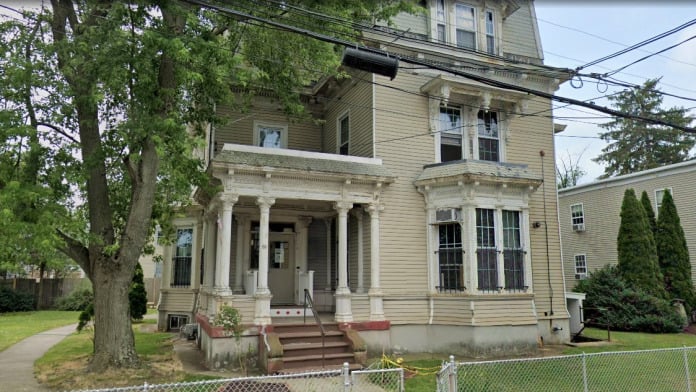
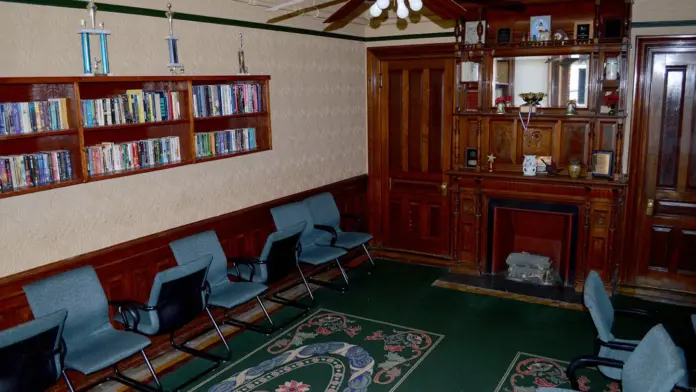
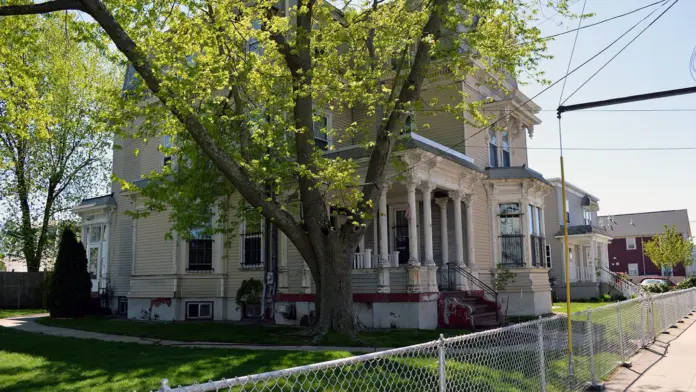
What really stands out to me is how they create a space that doesn’t feel like a hospital or some cold treatment center. They have a gym so people can stay active and a garden where residents grow their own vegetables, which seems like a great way to stay grounded and focus on something positive. There’s also a theater room for movie nights and meals made by an executive chef. Even the bedrooms are set up with comfortable medical beds to make sure people can really rest and recover. Their whole approach is about healing the body, mind and spirit.
Flexible Outpatient Option
For people who don’t need full time care, their outpatient program offers therapy and support while letting clients keep working or going to school. They have evening group sessions a few times a week plus individual counseling. They also take referrals from courts and doctors.
Facility Overview
 35
35 Number of Available Beds
Latest Reviews
The staff there help me dig deep into my behaviors and trauma. I have much tools now after completing. Helped me save my life. Thanks guys.
Dedicated staff who help people suffering from severe mental health issues and substance use addiction.
Reviewed on 03/15/2019
The counselors are magical, they listen to you, and their advice is too good. You do not understand how important it is to be a counselor in the fields like these! I'm in love with this place

Rehab Score
 Our Methodology
Scoring is assigned by a proprietary system which helps surface key metrics that determine quality. The 10-point scale factors in categories such as operations, customer satisfaction, and trust metrics. Read Full Methodology

6.3 / 10
Gallery
Accepted Insurance
Other Forms of Payment
Private insurance refers to any kind of healthcare coverage that isn't from the state or federal government. This includes individual and family plans offered by an employer or purchased from the Insurance Marketplace. Every plan will have different requirements and out of pocket costs so be sure to get the full details before you start treatment.
Self-pay involves paying for treatment out of your own pocket. You can use savings or credit, get a personal loan, or receive help from family and friends to fund your treatment. If you don't have insurance or your insurance plan doesn't cover a specific program, self-pay can help ensure you still get the care you need.
Financial aid can take many forms. Centers may have grants or scholarships available to clients who meet eligibility requirements. Programs that receive SAMHSA grants may have financial aid available for those who need treatment as well. Grants and scholarships can help you pai for treatment without having to repay.
Medicaid is a state based program that helps lower-income individuals and families pay for healthcare. Medicaid covers addiction treatment so those enrolled can use their coverage to pay for rehab. When a program accepts Medicaid the client often pays very little or nothing out of their own pocket.
Military members, veterans, and eligible dependents have access to specific insurance programs that help them get the care they need. TRICARE and VA insurance can help you access low cost or no cost addiction and mental health treatment. Programs that accept military insurance often have targeted treatment focused on the unique challenges military members, veterans, and their families face.
Addiction Treatments
Levels of Care
Outpatient Programs (OP) are for those seeking mental rehab or drug rehab, but who also stay at home every night. The main difference between outpatient treatment (OP) and intensive outpatient treatment (IOP) lies in the amount of hours the patient spends at the facility. Most of the time an outpatient program is designed for someone who has completed an inpatient stay and is looking to continue their growth in recovery. Outpatient is not meant to be the starting point, it is commonly referred to as aftercare.
Residential treatment programs are those that offer housing and meals in addition to substance abuse treatment. Rehab facilities that offer residential treatment allow patients to focus solely on recovery, in an environment totally separate from their lives. Some rehab centers specialize in short-term residential treatment (a few days to a week or two), while others solely provide treatment on a long-term basis (several weeks to months). Some offer both, and tailor treatment to the patient's individual requirements.
Intensive Outpatient Programs (IOP) are for those who want or need a very structured treatment program but who also wish to live at home and continue with certain responsibilities (such as work or school). IOP substance abuse treatment programs vary in duration and intensity, and certain outpatient rehab centers will offer individualized treatment programs.
Sober Living Houses (SLHs), aka sober homes or halfway houses, are safe, substance-free, supportive living facilities for those recovering from substance abuse. Ideal for those who've just been through inpatient or outpatient treatment, SLHs are supervised environments with rules that support sobriety, such as curfews, shared chores, and therapeutic meetings. Residents are also often trained on life skills and coping skills to make it easier to transition into society. SLHs also provide a strong sense of community that can lead to the kind of deep and lasting connections with other sober individuals that supports a new, healthy lifestyle.
A drug intervention in Rhode Island can provide the support and encouragement an individual needs to take a first step toward recovery. This planned meeting is facilitated by an interventionist and includes the individual and their loved ones. The goal is to encourage the individual to get the help they need. The interventionist offers intervention services that include planning, guidance, and treatment recommendations.
The best course of treatment to achieve recovery starts with 24-hour clinical care in Rhode Island. Here, you can undergo medically managed detox, where medical staff can monitor your health and progress. You'll receive constant supervision and medication treatment to ensure withdrawal symptoms do not become severe or pose health risks. Once stabilized, you'll move from the clinical setting to less intensive treatment for ongoing recovery.
Drug and alcohol addiction often takes a heavy toll on one's body. Over time, a physical dependence can develop, meaning the body physiologically needs the substance to function. Detox is the process of removing drugs and/or alcohol from the body, a process that can be lethal if mismanaged. Medical detox is done by licensed medical professionals who monitor vital signs and keep you safe, healthy, and as comfortable as possible as you go through detox and withdrawal.
Treatments
The goal of treatment for alcoholism is abstinence. Those with poor social support, poor motivation, or psychiatric disorders tend to relapse within a few years of treatment. For these people, success is measured by longer periods of abstinence, reduced use of alcohol, better health, and improved social functioning. Recovery and Maintenance are usually based on 12 step programs and AA meetings.
During drug rehab in Rhode Island, you'll participate in a variety of therapeutic interventions designed to help you break free from addiction. Common methods include cognitive behavioral therapy, music and art therapy, 12-step support, and nutrition/exercise.
Many of those suffering from addiction also suffer from mental or emotional illnesses like schizophrenia, bipolar disorder, depression, or anxiety disorders. Rehab and other substance abuse facilities treating those with a dual diagnosis or co-occurring disorder administer psychiatric treatment to address the person's mental health issue in addition to drug and alcohol rehabilitation.
A combined mental health and substance abuse rehab has the staff and resources available to handle individuals with both mental health and substance abuse issues. It can be challenging to determine where a specific symptom stems from (a mental health issue or an issue related to substance abuse), so mental health and substance abuse professionals are helpful in detangling symptoms and keeping treatment on track.
Opioid rehabs specialize in supporting those recovering from opioid addiction. They treat those suffering from addiction to illegal opioids like heroin, as well as prescription drugs like oxycodone. These centers typically combine both physical as well as mental and emotional support to help stop addiction. Physical support often includes medical detox and subsequent medical support (including medication), and mental support includes in-depth therapy to address the underlying causes of addiction.
Substance abuse treatment in Rhode Island is offered through drug and alcohol rehabs that provide comprehensive addiction treatment. These programs integrate evidence-based therapies such as cognitive-behavioral therapy (CBT), dialectical behavior therapy (DBT), with vital educational resources, skill development, and counseling to help you reprogram unhelpful behaviors and learn new skills to manage your sobriety.
Programs
Adult rehab programs include therapies tailored to each client's specific needs, goals, and recovery progress. They are tailored to the specific challenges adult clients may face, including family and work pressures and commitments. From inpatient and residential treatment to various levels of outpatient services, there are many options available. Some facilities also help adults work through co-occurring conditions, like anxiety, that can accompany addiction.
Young adulthood can be an exciting, yet difficult, time of transition. Individuals in their late teens to mid-20s face unique stressors related to school, jobs, families, and social circles, which can lead to a rise in substance use. Rehab centers with dedicated young adult programs will include activities and amenities that cater to this age group, with an emphasis on specialized counseling, peer socialization, and ongoing aftercare.
Men face specific challenges and concerns when seeking addiction treatment. Gender-specific recovery programs help them tackle these issues head-on in an environment that's focused, targeted, and distraction-free. It also gives them the opportunity to connect with and learn from other men who have been through a similar journey and can offer support for the next step.
Clinical Services
Group therapy is any therapeutic work that happens in a group (not one-on-one). There are a number of different group therapy modalities, including support groups, experiential therapy, psycho-education, and more. Group therapy involves treatment as well as processing interaction between group members.
Individual therapy for drug addiction is a collaborative process between yourself and your therapist. During your sessions, you address personnel experiences and emotional struggles head on. This helps your therapist gain insight into your addiction triggers and develop coping skills and a road map for sustained recovery.
Life skills, also referred to as coping skills, cover three categories: cognitive skills, interpersonal skills, and emotional skills. By working on each of these areas during treatment, you'll develop the skills you need to navigate daily life in recovery
Recreational therapy is offered within a holistic treatment center for alcohol and drug addiction treatment. It provides you with structured activities that improve your physical and mental health, such as sports, creative arts, and nature activities. These help you express your emotions and reduce stress while building a supportive network and community of peers.
Amenities
-
 Private Transportation
 -
 Gym
Gym -
 Residential Setting
 -
 Private Rooms
 -
 Gardens
Staff
William J. Rose, MBA
President
Linda Cline
Vice President
Lionel Fernandez, MSW, LCSW
CEO & Executive Director
Cindy Molina
Finance Director
Marian Idahosa, APRN, DNP
Nurse Practitioner
Rehab.com regularly reviews this listing for accuracy but changes may occur between updates. For the most up-to-date information, please contact MAP Behavioral Health Services.
Contact Information

66 Burnett St
Providence, RI 02907
Get Help Now - 401-315-8539
Sponsored Helpline
Sponsored Helpline



