Get Help Now
Question iconSponsored Helpline

Phone icon 800-641-8351

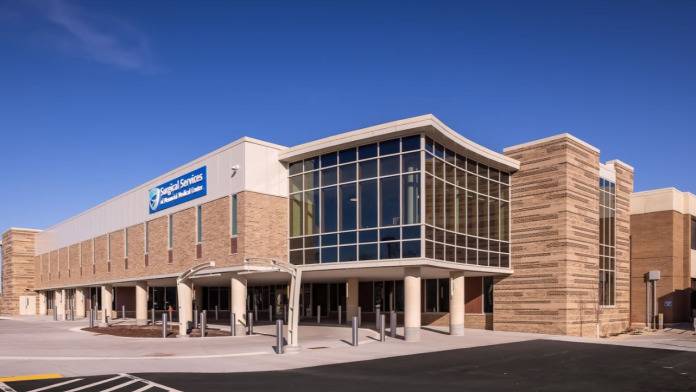
Tamarack Health Ashland Medical Center

1635 Maple Lane
Ashland, WI 54806
Claim Profile
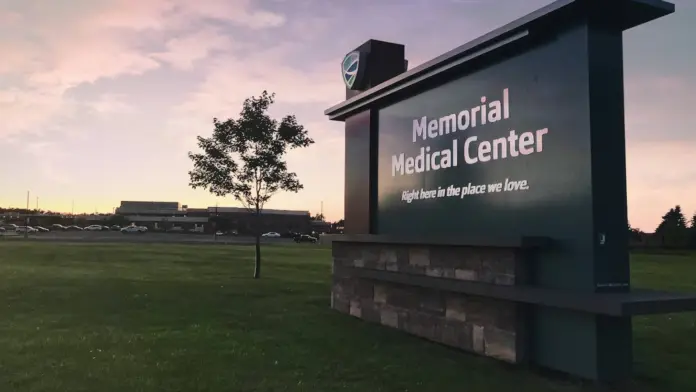
Memorial Medical Center WI 54806

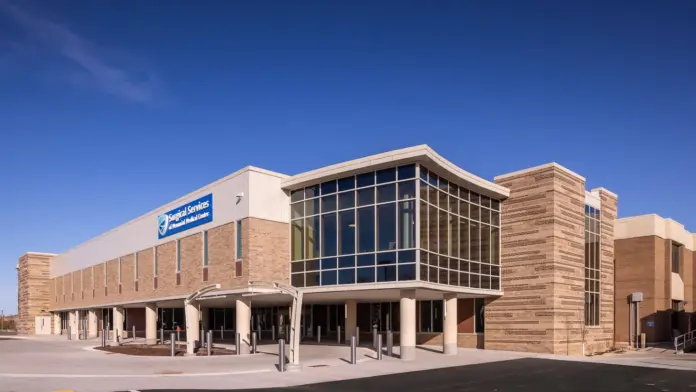
About Tamarack Health Ashland Medical Center

The detox and inpatient programs are intended only for adults. They have 10 beds that are reserved for detox and stabilization. Detox is medical, which means you’ll be given meds that can help reduce your withdrawals and cravings. Along the way, you’ll also have counseling and holistic care to complement your recovery. Spiritual care is also provided if need be.

The outpatient program can accommodate kids and teens as well as adults. You’ll have services that can help with gambling, eating disorders, and other behavioral and mental health disorders. That way, not only is your addiction treated, but you’ll also address any underlying conditions that can fuel your disorder.

Previous clients give good reviews. Check it out to make sure it’s a good fit for your needs.

Similar Rehab Centers

Fact checked and written by:
Peter Lee, PhD
Edited by:
Anna Spooner

Facility Overview

Bed icon 10
Number of Available Beds

Latest Reviews

Shanon Mossman-Johns
3 months ago on Google
5
Best and quickest ER in my lifetime. The service and care is phenomenal.
Eric Gauthier
4 months ago on Google
5
By far the best ER visit ive ever had. Dr. Was extremely nice and informative. Nurses were very caring, informative and kind. Xray techs were the same. In and out with crutches and a boot in an hr.
Cheryl Metcalf
5 months ago on Google
5
A great option for health care. They have build their program up over the last 6 years to give you amazing options locally.
Rehab.com icon

Rehab Score

Question iconOur Methodology
Scoring is assigned by a proprietary system which helps surface key metrics that determine quality. The 10-point scale factors in categories such as operations, customer satisfaction, and trust metrics. Read Full MethodologyCaret icon
Gauge icon
6.2 / 10

Other Forms of Payment

Private insurance refers to any kind of healthcare coverage that isn't from the state or federal government. This includes individual and family plans offered by an employer or purchased from the Insurance Marketplace. Every plan will have different requirements and out of pocket costs so be sure to get the full details before you start treatment.

Self-pay involves paying for treatment out of your own pocket. You can use savings or credit, get a personal loan, or receive help from family and friends to fund your treatment. If you don't have insurance or your insurance plan doesn't cover a specific program, self-pay can help ensure you still get the care you need.

Financial aid can take many forms. Centers may have grants or scholarships available to clients who meet eligibility requirements. Programs that receive SAMHSA grants may have financial aid available for those who need treatment as well. Grants and scholarships can help you pai for treatment without having to repay.

Medicare is a federal program that provides health insurance for those 65 and older. It also serves people under 65 with chronic and disabling health challenges. To use Medicare for addiction treatment you need to find a program that accepts Medicare and is in network with your plan. Out of pocket costs and preauthorization requirements vary, so always check with your provider.

Military members, veterans, and eligible dependents have access to specific insurance programs that help them get the care they need. TRICARE and VA insurance can help you access low cost or no cost addiction and mental health treatment. Programs that accept military insurance often have targeted treatment focused on the unique challenges military members, veterans, and their families face.

Medicaid is a state based program that helps lower-income individuals and families pay for healthcare. Medicaid covers addiction treatment so those enrolled can use their coverage to pay for rehab. When a program accepts Medicaid the client often pays very little or nothing out of their own pocket.

Addiction Treatments

Levels of Care

Outpatient Programs (OP) are for those seeking mental rehab or drug rehab, but who also stay at home every night. The main difference between outpatient treatment (OP) and intensive outpatient treatment (IOP) lies in the amount of hours the patient spends at the facility. Most of the time an outpatient program is designed for someone who has completed an inpatient stay and is looking to continue their growth in recovery. Outpatient is not meant to be the starting point, it is commonly referred to as aftercare.

Inpatient rehab is designed to stabilize clients who are exiting detox or those who are in some form of crisis. They are an important preliminary step designed to prepare clients for outpatient, sober living, or community-based care. Clients live at the treatment center and engage in intensive addiction counseling. Group and family therapy is common. Many programs also emphasize recovery-focused life skills training to support clients' sustained sobriety. Some programs offer evidence-based holistic therapies, such as meditation.

Intensive Outpatient Programs (IOP) are for those who want or need a very structured treatment program but who also wish to live at home and continue with certain responsibilities (such as work or school). IOP substance abuse treatment programs vary in duration and intensity, and certain outpatient rehab centers will offer individualized treatment programs.

A partial hospitalization program (PHP) offers short-term intensive care for drug and alcohol addiction. Often part of a step-down service, PHP treatment allows you to attend treatment on-site during the day, then return home during non-treatment hours. Plans of care typically include relapse prevention, medication management, and behavioral therapy services. Depending on your progress, the duration of a PHP can average 90 days with daily sessions running 4-8 hours per week. Most insurance providers fully or partially cover PHP treatment.

Drug and alcohol addiction often takes a heavy toll on one's body. Over time, a physical dependence can develop, meaning the body physiologically needs the substance to function. Detox is the process of removing drugs and/or alcohol from the body, a process that can be lethal if mismanaged. Medical detox is done by licensed medical professionals who monitor vital signs and keep you safe, healthy, and as comfortable as possible as you go through detox and withdrawal.

Treatments

The goal of treatment for alcoholism is abstinence. Those with poor social support, poor motivation, or psychiatric disorders tend to relapse within a few years of treatment. For these people, success is measured by longer periods of abstinence, reduced use of alcohol, better health, and improved social functioning. Recovery and Maintenance are usually based on 12 step programs and AA meetings.

The goal of drug rehab in Wisconsin is to address drug addiction as a complex issue that involves physical, mental, and relational aspects. During rehab, treatment focuses on each of these areas and gives you the tools you need to achieve and maintain sobriety.

Many of those suffering from addiction also suffer from mental or emotional illnesses like schizophrenia, bipolar disorder, depression, or anxiety disorders. Rehab and other substance abuse facilities treating those with a dual diagnosis or co-occurring disorder administer psychiatric treatment to address the person's mental health issue in addition to drug and alcohol rehabilitation.

A combined mental health and substance abuse rehab has the staff and resources available to handle individuals with both mental health and substance abuse issues. It can be challenging to determine where a specific symptom stems from (a mental health issue or an issue related to substance abuse), so mental health and substance abuse professionals are helpful in detangling symptoms and keeping treatment on track.

Opioid rehabs specialize in supporting those recovering from opioid addiction. They treat those suffering from addiction to illegal opioids like heroin, as well as prescription drugs like oxycodone. These centers typically combine both physical as well as mental and emotional support to help stop addiction. Physical support often includes medical detox and subsequent medical support (including medication), and mental support includes in-depth therapy to address the underlying causes of addiction.

Programs

Adult rehab programs include therapies tailored to each client's specific needs, goals, and recovery progress. They are tailored to the specific challenges adult clients may face, including family and work pressures and commitments. From inpatient and residential treatment to various levels of outpatient services, there are many options available. Some facilities also help adults work through co-occurring conditions, like anxiety, that can accompany addiction.

Young adulthood can be an exciting, yet difficult, time of transition. Individuals in their late teens to mid-20s face unique stressors related to school, jobs, families, and social circles, which can lead to a rise in substance use. Rehab centers with dedicated young adult programs will include activities and amenities that cater to this age group, with an emphasis on specialized counseling, peer socialization, and ongoing aftercare.

Serving in the military is both mentally and physically challenging, and can result in trauma that persists even after combat ends. Military programs are tailored to the specific and often complex needs of active duty personnel, veterans, and military families. Clients often access these programs through the U.S. Department of Veterans Affairs (VA).

Clinical Services

As a form of substance use treatment, cognitive behavioral therapy in Wisconsin offers several advantages. The duration of this talk therapy is typically 20 sessions or less, so it can be more affordable, with quicker results. It's also offered in multiple formats, so it can be tailored to meet individual needs.

The word dialectical describes the foundation of dialectical behavior therapy (DBT). Meaning "opposite," the word refers to the treatment's focus on both acceptance and change. While learning to accept where you are and the emotions you're feeling, you also learn to grow and change to establish healthier patterns in your life.

Group therapy is any therapeutic work that happens in a group (not one-on-one). There are a number of different group therapy modalities, including support groups, experiential therapy, psycho-education, and more. Group therapy involves treatment as well as processing interaction between group members.

Individual therapy offers you a tailored approach to treat drug addiction. This focuses on your unique needs and offers you personalized support outside of a group setting. You begin to understand what triggers your addictive behavior and develop coping skills that can support your recovery.

Trauma therapy addresses traumatic incidents from a client's past that are likely affecting their present-day experience. Trauma is often one of the primary triggers and potential causes of addiction, and can stem from child sexual abuse, domestic violence, having a parent with a mental illness, losing one or both parents at a young age, teenage or adult sexual assault, or any number of other factors. The purpose of trauma therapy is to allow a patient to process trauma and move through and past it, with the help of trained and compassionate mental health professionals.

During couples therapy, you will engage in activities that promote forgiveness, healthy communication, and understanding. You'll receive "homework" to practice these skills during the week between sessions. Couples therapy typically lasts around 12 weeks.

eye-movement iconEye Movement Desensitization And Reprocessing

One focus of family therapy is to create a network for the individual in recovery. Families must identify dysfunctional patterns and develop healthier ways of interacting. This can significantly improve their loved one's treatment outcome.

Recreational therapy in Wisconsin helps you find purpose in healthy activities that take the place of substance use in your life. These activities can include group games, gardening, yoga, and creative arts. The goal is to improve your physical fitness and mental health while providing an emotional outlet, factors that help you rebuild your life and maintain sobriety.

Staff

Luke Beirl

Interim President & CEO

Christine Iverson

Chair of the Board

John Smylie

Vice Chair

Taylor Pearson

Secretary

Thomas Jokinen

Treasurer

Dr. Kristie Johnson, MD

Medical Staff President

Rehab.com regularly reviews this listing for accuracy but changes may occur between updates. For the most up-to-date information, please contact Tamarack Health Ashland Medical Center.

Contact Information

Building icon

1635 Maple Lane
Ashland, WI 54806

Explore Other Centers Near Ashland

Reviews of Tamarack Health Ashland Medical Center

3.1/5 (94 reviews)
0
Staff
0
Amenities
0
Meals
0
Value
0
Cleanliness
5
41
4
7
3
4
2
4
1
39

Reviews

3.5

I had never been treated like in this place they did, they are very compassionate with the suffering of the patients and try to understand the condition of each one. They have the experience needed to offer a professional service.They provide a wide range of services and all ... Read More

Reviewed on 2/22/2019
Overall Experience
Date Submitted
Reviewer

Google Reviews

3.1 (93 reviews)
Melissa DiNino
1 month ago
1

DO NOT GO TO URGENT CARE unless you can afford an emergency room bill. I went to urgent care for a non-life threatening injury, and I received a bill for the emergency room. I’ve worked with both Tamarack and my insurance to appeal this and we came to the conclusion that Tamarack is coding the bill for an emergency room visit instead of urgent care. Even so, Tamarack won’t provide my insurance with different codes, so what should have been a $25 visit is now hundreds of dollars and many hours of my time lost to fighting this.

Quinn McCafferty
1 month ago
1

The blood they took leaves me feeling extremely short like a balloon without enough air they didn't listen to me being a small percent who needs all blood to be whole in missing something important. I'm not an idiot I know we need blood. Lucky people who aren't sensitive can bleed but I can only loose a few drops of blood but a small bottle is having me shivering and can't feel warm and feel outside of the universe. The universe is pressurized like the blood inside of me and it's like a black hole now. Call me an idiot and wait 75.789 years

Response from the owner
Hi Quinn. We have received your concern and will be looking into it further. We would encourage you to contact us and provide additional details at Contact us (tamarackhealth.org) or call our Quality department at 715-685-5582 so we can determine how we may be able to help. Thank you.
Adam Lucius
2 months ago
1

Was given incorrect information for wound care, resulting in doubling the time needed to heal from my injury. I’d rather drive to Duluth where I can get quality information from here on out.

Response from the owner
Hi Adam. We have received your concern and will be looking into it further. We would encourage you to contact us and provide additional details at Contact us (tamarackhealth.org) or call our Quality department at 715-685-5582 so we can determine how we may be able to help. Thank you.
Christina
2 months ago
1

My husband self-admitted to this facility seeking help for self-harm and suicidal ideation. While the first night was uneventful, the second night was an absolute failure of patient care and safety. Despite being in a supervised environment, my husband was permitted to engage in self-harm for at least an hour with zero intervention from staff who isted watched through video surveillance. This resulted in deep lacerations across his body and a potential head and neck injury. Following the incident, as he regained composure, he began experiencing intense head pain, neck pain, and visual distortion. Still, no staff came to check on him. When he expressed fear that he may have seriously injured his spine and requested a medical assessment through the intercom, staff responded by saying they had watched everything on camera and determined he did not need to see a doctor. When a nurse finally entered his room, she told him—a psychiatric patient in crisis—"You did this to yourself" in response to him once again asking for a medical assessment. When he tried to rebut her, her response was "I'm not arguing with you" before leaving the room. For several hours, they continued to refuse him medical attention. It was only after he called me and I intervened that they reconsidered, though the staff member I spoke with hung up on me mid-sentence when I mentioned making a formal report. This occurred despite his potential head and neck injury and his expressed pain and visual distortion, all of which took place under their supervision. When a doctor finally saw him and ordered a CT scan, the doctor himself suggested my husband be discharged because the nursing staff was taking such poor care of him. It is unfathomable that a psychiatric ward, a place designed to protect those at their most vulnerable, would be so negligent that a patient is safer on the street than under their care. I am astounded by the lack of empathy and the blatant medical neglect shown by the staff of this facility.

Response from the owner
Hi Christina. We have received your concern and will be looking into it further. We would encourage you to contact us and provide additional details at Contact us (tamarackhealth.org) or call our Quality department at 715-685-5582 so we can determine how we may be able to help. Thank you.
Overall Experience
Date Submitted
No reviews matching the selected filter!
Get Help Now
Question iconSponsored Helpline

Phone icon 800-641-8351

Left arrow iconBack

Write a review for Tamarack Health Ashland Medical Center

Sharing your insights and experiences can help others learn more about this rehab center.

Title of Your Review
This is a required field
Your Review

Reviews comments must comply with our Review Policy Content Standards. Please do not use names (job titles / positions are acceptable) of any individual or identifying features, abusive remarks, or allegations of negligence or criminal activity.

A minimum of 200 characters and max of 2,000 characters required.
This is a required field
How would you rate the facility on the following?*
Overall Experience
Must select a star rating
Accomodations & Amenities
Must select a star rating
Meals & Nutrition
N/A
Must select a star rating
Treatment Effectiveness
Must select a star rating
Admissions Process
Must select a star rating
Staff & Friendliness
Must select a star rating
Cleanliness
Must select a star rating
Value for Cost
Must select a star rating
What is your connection to this facility?
This is a required field
Your Name*
This is a required field
Your Email*
This is a required field
Spinner icon Submitting your review...
Thumbs up icon Your review was successfully submitted.

Nearby Featured Providers

Get Help Today Phone icon 800-847-1418
Question iconSponsored Helpline