





























































































About New Beginnings Behavioral Health
Facility Overview
 16
16 Latest Reviews



Rehab Score
 Our Methodology


Gallery
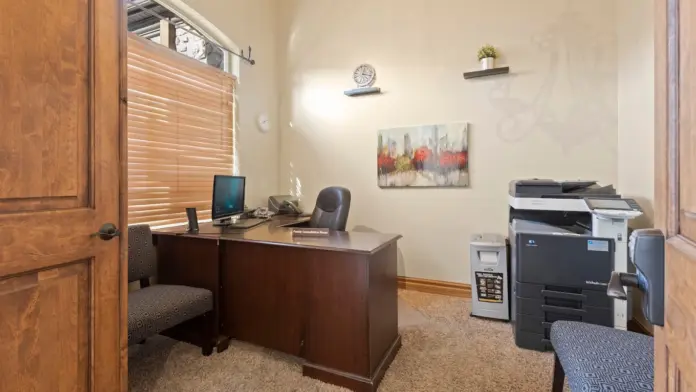
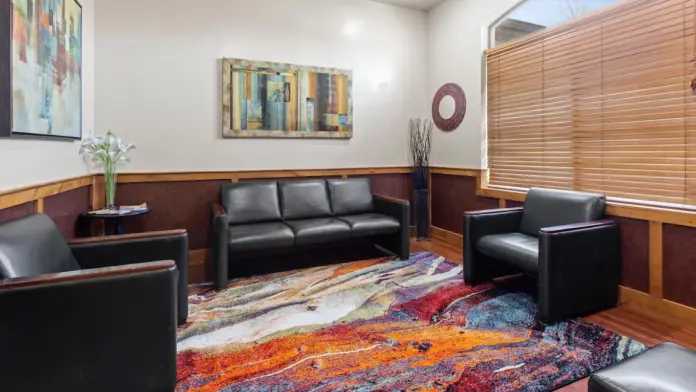
Accepted Insurance
Other Forms of Payment
Private insurance refers to any kind of healthcare coverage that isn't from the state or federal government. This includes individual and family plans offered by an employer or purchased from the Insurance Marketplace. Every plan will have different requirements and out of pocket costs so be sure to get the full details before you start treatment.
Self-pay involves paying for treatment out of your own pocket. You can use savings or credit, get a personal loan, or receive help from family and friends to fund your treatment. If you don't have insurance or your insurance plan doesn't cover a specific program, self-pay can help ensure you still get the care you need.
Medicaid is a state based program that helps lower-income individuals and families pay for healthcare. Medicaid covers addiction treatment so those enrolled can use their coverage to pay for rehab. When a program accepts Medicaid the client often pays very little or nothing out of their own pocket.
Addiction Treatments
Levels of Care
Outpatient rehab programs enable clients to integrate addiction treatment with their routine work and home life. Many facilities offer virtual services and evening, night, and weekend sessions to accommodate clients' schedules. Outpatient care typically includes rigorous psychotherapy, including group and family counseling. Most programs also prioritize addiction education and recovery-focused life skills training. Medication assisted treatment (MAT) is common for clients with alcohol and/or opioid dependency.
Residential treatment programs are those that offer housing and meals in addition to substance abuse treatment. Rehab facilities that offer residential treatment allow patients to focus solely on recovery, in an environment totally separate from their lives. Some rehab centers specialize in short-term residential treatment (a few days to a week or two), while others solely provide treatment on a long-term basis (several weeks to months). Some offer both, and tailor treatment to the patient's individual requirements.
Clients often choose to enter intensive outpatient programs (IOP) when they exit inpatient rehab. Others turn to IOP as an alternative to hospitalization. Intensive outpatient rehabs offer high-level care for clients in early recovery and those at an elevated risk of relapse, typically requiring them to commit to between nine and 20 hours of treatment per week. The most prevalent treatment modalities include psychotherapy, recovery education, medication assisted treatment (MAT), and holistic therapies, such as meditation.
A partial hospitalization program (PHP) offers intensive treatment to those with moderate to severe addictions while allowing them to return home. It is often an alternative to inpatient hospitalization and a "step-down" option from residential programs. PHP treatment is tailored to your needs and lasts an average of 90 days. Weekly sessions are up to 8 hours for 5 days a week and can include relapse prevention, medication management, and behavioral therapy services. The cost of PHP treatment varies but is often fully or partially covered by providers.
Medical detox is the safest way to remove addictive substances from your body under the care of medical professionals. In an inpatient environment, you'll be monitored 24/7 by doctors, nurses, and clinical experts, who will help keep you as safe and comfortable as possible and administer medication if needed to treat any withdrawal symptoms. The process may take up to a week or longer depending on your needs, and is often at least partially covered by insurance.
Treatments
Substance rehabs focus on helping individuals recover from substance abuse, including alcohol and drug addiction (both illegal and prescription drugs). They often include the opportunity to engage in both individual as well as group therapy.
Programs
Adult rehab programs include therapies tailored to each client's specific needs, goals, and recovery progress. They are tailored to the specific challenges adult clients may face, including family and work pressures and commitments. From inpatient and residential treatment to various levels of outpatient services, there are many options available. Some facilities also help adults work through co-occurring conditions, like anxiety, that can accompany addiction.
Young adulthood can be an exciting, yet difficult, time of transition. Individuals in their late teens to mid-20s face unique stressors related to school, jobs, families, and social circles, which can lead to a rise in substance use. Rehab centers with dedicated young adult programs will include activities and amenities that cater to this age group, with an emphasis on specialized counseling, peer socialization, and ongoing aftercare.
Clinical Services
Therapists may use cognitive behavioral therapy (CBT) in Utah to address substance use and mental health disorders. The main focus is to change thinking patterns, which leads to behavioral change. Subtypes of CBT include exposure therapy, dialectical behavior therapy, and acceptance commitment therapy.
During dialectical behavior therapy in Utah, you'll work on developing four main skills. Interpersonal effectiveness helps you manage your relationships. Mindfulness keeps you present in the current moment rather than worry or regret. Distress tolerance helps you accept emotions. Emotional regulation gives you the tools you need to successfully manage intense emotions.
Community building is an important aspect of group therapy sessions in Utah. The sense of community building among participants encourages more transparent sharing of experiences in a judgment free environment. You create strong bonds with the people in your group that support your journey to recovery.
During individual therapy, men and women in Utah work with their therapists to build healthier daily habits and create coping strategies to manage stress. These are two components necessary for sustained sobriety and improved overall health.
The foundation of motivational interviewing in Utah rests on four pillars: partnership, evocation, acceptance, and compassion. The therapist collaborates with the client, encouraging them to explore their options and make informed decisions about making changes in their lives.
Trauma therapy addresses the psychological impact of traumatic events. Together with a therapist, you identify the impact that trauma has had on your life and the factors that trigger emotional and physical responses. You develop better coping mechanisms to rebuild a sense of safety and trust in your life.
Couples at any stage of their relationship may benefit from couples therapy in Utah. It is designed to keep relationships on the right path by teaching both partners healthy forms of communication and conflict resolution.
Family therapists work with all members of the family unit to understand the impact that addiction has had on the family collectively and individually. Together they develop strategies to help their loved one recover. The therapist facilitates open discussions between family members to help build resilience and improve interactions. Ultimately, this supports their loved one's path to sobriety.
Amenities
-
 Residential Setting
 -
 Private Rooms
Accreditations

The Commission on Accreditation of Rehabilitation Facilities (CARF) is a non-profit organization that specifically accredits rehab organizations. Founded in 1966, CARF's, mission is to help service providers like rehab facilities maintain high standards of care.
CARF Accreditation: Yes

State Licenses are permits issued by government agencies that allow rehab organizations to conduct business legally within a certain geographical area. Typically, the kind of program a rehab facility offers, along with its physical location, determines which licenses are required to operate legally.
State License: Utah
Rehab.com regularly reviews this listing for accuracy but changes may occur between updates. For the most up-to-date information, please contact New Beginnings Behavioral Health.
Contact Information


217 E Scenic Peak Cove
Draper, UT 84020
Sponsored Helpline

