















































































































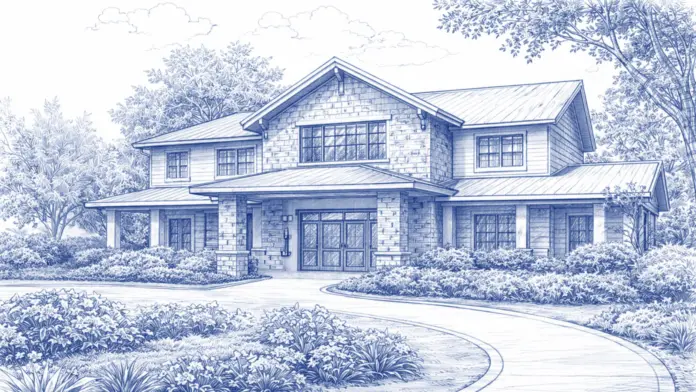
About Retreat of Boston
Retreat of Boston in Ludlow, Massachusetts, offers residential substance use and mental health treatment for adults ages 18 and older. Set in a serene, wooded environment, Retreat of Boston provides a tranquil, retreat-like setting that supports healing and lasting recovery.
Medical Detox and Residential Treatment
Retreat of Boston’s core focus is providing safe, medically supervised detox followed by intensive residential care. Programs typically range from 30 to 90 days depending on individual needs. Personalized treatment plans address the unique challenges of each client.
Treatment combines proven therapies in a group setting with holistic approaches including yoga, meditation, art therapy and music therapy. Medication-Assisted Treatment options such as buprenorphine and naltrexone are available to support clients in managing cravings and withdrawal.
The FDA-approved medications help relieve withdrawal symptoms and keep guests more comfortable during the detox process. Therapy sessions target both the root causes of addiction and co-occurring mental health conditions, offering a comprehensive path to recovery.
Specialized Care for Working Professionals
Retreat of Boston offers a dedicated program for professionals facing the unique stressors and challenges of maintaining recovery while managing career demands. This specialty track addresses the specific concerns of working adults seeking confidential, high-quality care tailored to their lifestyle and professional responsibilities.
Payment options include most major insurance providers such as Cigna and UnitedHealthcare, self-pay, flexible payment plans, and financial assistance.
Facility Overview
 31 - 60
Rehab Score
 Our Methodology


Location
Accepted Insurance

Other Forms of Payment
Financial aid can take many forms. Centers may have grants or scholarships available to clients who meet eligibility requirements. Programs that receive SAMHSA grants may have financial aid available for those who need treatment as well. Grants and scholarships can help you pai for treatment without having to repay.
Private insurance refers to any kind of healthcare coverage that isn't from the state or federal government. This includes individual and family plans offered by an employer or purchased from the Insurance Marketplace. Every plan will have different requirements and out of pocket costs so be sure to get the full details before you start treatment.
Self-pay involves paying for treatment out of your own pocket. You can use savings or credit, get a personal loan, or receive help from family and friends to fund your treatment. If you don't have insurance or your insurance plan doesn't cover a specific program, self-pay can help ensure you still get the care you need.
Addiction Treatments
Levels of Care
Medically supervised detox is the process of removing addictive substances from your body and managing the withdrawal symptoms in a medically supervised environment. Typically, this is the first step in the recovery process and lasts an average of 5-7 days, though the length can vary depending on your individual needs. Once your system is cleared of alcohol and drugs, you'll likely transition to an inpatient treatment program for the next phase of your recovery.
Inpatient rehab offers robust, hands-on care in a highly structured and supportive environment. The facility provides housing, meals, and round-the-clock supervision, allowing clients to focus exclusively on their recovery. Inpatient treatment typically involves intensive addiction counseling based on CBT, DBT, RBT, motivational interviewing, or other psychotherapeutic approaches. Many inpatient treatment centers also offer life skills training and/or complementary therapies, including meditation, mindfulness, and nutrition counseling.
Treatments
A person who has alcohol use disorder (alcoholism) builds up a physical tolerance to alcohol. If they try to stop drinking, they experience withdrawal symptoms. Treatment is available for this condition, through alcohol rehab in Massachusetts. Treatment options include AA, detox, counseling, medication, residential programs, and outpatient treatment. Social and family support systems are crucial during and after treatment of any kind.
 Opioid Addiction
Addiction is a highly complex problem, and drug rehab in Massachusetts is often necessary to address it. These programs treat physical, mental, and relational issues that are involved. Treatment empowers individuals to manage these issues without the use of drugs.
In Massachusetts, substance abuse treatment programs can help to address addiction and, if relevant, any co-occurring mental health conditions. Programs include outpatient, inpatient, dual-diagnosis, and partial hospitalization. You'll receive therapies like cognitive behavioral therapy, or dialectical behavioral therapy, and sometimes complementary therapies like acupuncture and mindfulness-based therapy. By attending skills training and recovery groups you'll build a strong foundation for your recovery and strengthen your support network, increasing your chances of long-term recovery success.
Mental health services are essential during treatment for drug and alcohol addiction, whether you receive treatment in an inpatient or outpatient setting. While receiving inpatient care, you can expect to have round-the-clock access to mental health therapists and medical staff. Additionally, you will likely receive a number of different therapies and mental health options like individual and group counseling, addiction and relapse prevention education, and coping skills training.
In Massachusetts, dual-diagnosis addiction treatment programs provide specialized care for individuals with co-occurring substance use disorders and mental health conditions. Levels of care include detox, residential drug and alcohol rehab, and outpatient programs. Each program and level of care includes a comprehensive assessment, individualized treatment plan, and evidence-based therapies, like cognitive behavioral therapy, or dialectical behavioral therapy. You'll also attend recovery support groups, receive family counseling, and beneficial skills training to help you promote your mental health and sustain long-term recovery.
Programs
Adult rehab programs include therapies tailored to each client's specific needs, goals, and recovery progress. They are tailored to the specific challenges adult clients may face, including family and work pressures and commitments. From inpatient and residential treatment to various levels of outpatient services, there are many options available. Some facilities also help adults work through co-occurring conditions, like anxiety, that can accompany addiction.
Clinical Services
During cognitive behavioral therapy in Massachusetts, clients work with a trained counselor to identify negative thinking patterns and change them. This change in thinking has been shown to lead to changes in behavior to treat substance use and mental health disorders effectively.
Group therapy is a safe space for participants to share their stories and experiences within a confidential and judgment free environment. You have the opportunity to openly discuss your difficulties and create a network of community support that can extend long after group therapy sessions end.
Amenities
-
 Gym
Gym -
 Yoga Studio
Accreditations

State Licenses are permits issued by government agencies that allow rehab organizations to conduct business legally within a certain geographical area. Typically, the kind of program a rehab facility offers, along with its physical location, determines which licenses are required to operate legally.
State License: Massachusetts

The Joint Commission, formerly known as JCAHO, is a nonprofit organization that accredits rehab organizations and programs. Founded in 1951, the Joint Commision's mission is to improve the quality of patient care and demonstrating the quality of patient care.
Joint Commission Accreditation: Yes
Contact Information


14 Chestnut Pl, Ludlow, MA 01056
Sponsored Helpline
