Indiana Center For Recovery – Alcohol & Drug Rehab Center – Bloomington
1
Top 10 Rehab Centers In Bloomington



















































































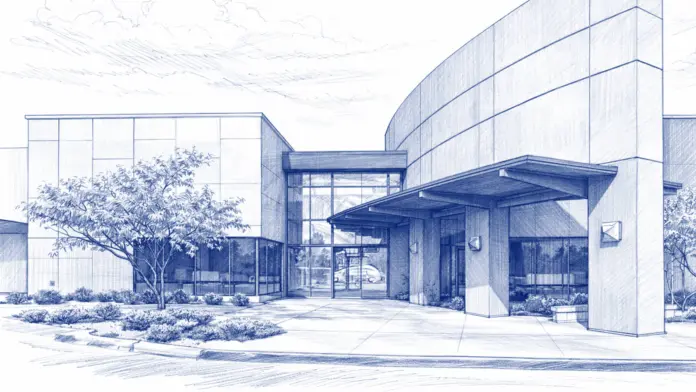
Serenity House – East Grand Avenue is a sober living and recovery residence in Chippewa Falls, Wisconsin offering structured transitional housing for individuals recovering from alcohol and other drug addiction. This program provides a safe, substance free environment designed to bridge the gap between formal treatment and independent living. The focus is on accountability, peer community support and building a stable foundation for long term sobriety.
Serenity House – East Grand Avenue operates as a sober living residence, giving residents the structure and community they need while transitioning back into everyday life. Participants are expected to maintain sobriety, follow house guidelines and actively engage in their ongoing recovery process.
Recovery support at this residence includes participation in regular recovery meetings and ongoing accountability practices. The program emphasizes peer connection and community based recovery rather than a clinical or inpatient treatment model and residents are encouraged to link with broader local treatment resources as needed.
Those interested in sober living support through Serenity House – East Grand Avenue in Chippewa Falls, Wisconsin are encouraged to reach out directly to learn about availability, house expectations and any associated costs. The admissions or intake process can help determine whether this transitional housing environment is the right fit.
Self-pay involves paying for treatment out of your own pocket. You can use savings or credit, get a personal loan, or receive help from family and friends to fund your treatment. If you don't have insurance or your insurance plan doesn't cover a specific program, self-pay can help ensure you still get the care you need.
The goal of treatment for alcoholism is abstinence. Those with poor social support, poor motivation, or psychiatric disorders tend to relapse within a few years of treatment. For these people, success is measured by longer periods of abstinence, reduced use of alcohol, better health, and improved social functioning. Recovery and Maintenance are usually based on 12 step programs and AA meetings.
The goal of drug rehab in Wisconsin is to address drug addiction as a complex issue that involves physical, mental, and relational aspects. During rehab, treatment focuses on each of these areas and gives you the tools you need to achieve and maintain sobriety.
A combined mental health and substance abuse rehab has the staff and resources available to handle individuals with both mental health and substance abuse issues. It can be challenging to determine where a specific symptom stems from (a mental health issue or an issue related to substance abuse), so mental health and substance abuse professionals are helpful in detangling symptoms and keeping treatment on track.
Opioid rehabs specialize in supporting those recovering from opioid addiction. They treat those suffering from addiction to illegal opioids like heroin, as well as prescription drugs like oxycodone. These centers typically combine both physical as well as mental and emotional support to help stop addiction. Physical support often includes medical detox and subsequent medical support (including medication), and mental support includes in-depth therapy to address the underlying causes of addiction.
Adult rehab programs include therapies tailored to each client's specific needs, goals, and recovery progress. They are tailored to the specific challenges adult clients may face, including family and work pressures and commitments. From inpatient and residential treatment to various levels of outpatient services, there are many options available. Some facilities also help adults work through co-occurring conditions, like anxiety, that can accompany addiction.
Young adulthood can be an exciting, yet difficult, time of transition. Individuals in their late teens to mid-20s face unique stressors related to school, jobs, families, and social circles, which can lead to a rise in substance use. Rehab centers with dedicated young adult programs will include activities and amenities that cater to this age group, with an emphasis on specialized counseling, peer socialization, and ongoing aftercare.
In individual therapy, a patient meets one-on-one with a trained psychologist or counselor. Therapy is a pivotal part of effective substance abuse treatment, as it often covers root causes of addiction, including challenges faced by the patient in their social, family, and work/school life.
Rehab.com regularly reviews this listing for accuracy but changes may occur between updates. For the most up-to-date information, please contact Serenity House – East Grand Avenue.

205 East Grand Avenue
Chippewa Falls, WI 54729
 Sponsored Helpline
 Back
Back
Sharing your insights and experiences can help others learn more about this rehab center.