






























































































My grandchildren are from a home of addiction and substance abuse. Opening up and talking to an adult has, in the past, been challenging. They haven’t felt the safety, comfort, and support to do this. With Jennifer she has provided a beautiful sense of safety that the boys ...
About Common Ground Counseling LLC
Common Ground Counseling LLC is an outpatient substance use disorder and mental health treatment provider serving Norway and the surrounding communities in western Maine. The practice offers individual therapy, group therapy, family and couples counseling and educational classes on addiction and recovery. Common Ground takes a community based approach to outpatient care, meeting clients where they are with accessible programs and multiple office locations.
Outpatient Substance Use Disorder Treatment in Norway
Common Ground’s core focus is outpatient addiction treatment for adults working toward recovery from drug and alcohol dependence. Services include structured counseling, recovery education and support for co-occurring mental health concerns.
Treatment combines individual sessions, group therapy and family involvement to address underlying issues and build sustainable coping skills. Clients engage in evidence based techniques while participating in educational programming that reinforces relapse prevention, healthy routines and long-term wellness. The practice also offers an Adult Risk Reduction Program for individuals navigating DUI or court-mandated pathways.
Mental Health and Trauma-Informed Care
Beyond substance use treatment, Common Ground provides outpatient mental health services for individuals and couples. Trauma support is available as part of a holistic approach that recognizes the connection between addiction, mental health, and life circumstances.
Access and Payment Options
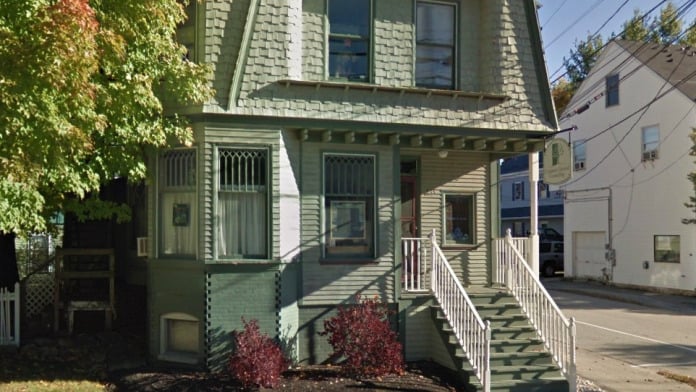
Common Ground Counseling serves clients in person at offices in Norway (235 Main Street), Fryeburg, and Mexico, Maine. The practice accepts Medicaid, Blue Cross Blue Shield, Harvard Pilgrim and several other private insurance plans and offers self-pay and sliding scale payment assistance for qualifying clients.
Latest Reviews
Great Staff
Helped save my life, family and my relationships. They aided me in the development of the necessary emotional tools I needed to deal with my addiction. The naysayers can go F-Off. This place is top notch all the way.
Diana Libby
Reviewed on 10/01/2024
My grandchildren are from a home of addiction and substance abuse. Opening up and talking to an adult has, in the past, been challenging. They haven’t felt the safety, comfort, and support to do this. With Jennifer she has provided a beautiful sense of safety that the boys enjoy going to her. Thank you so much for giving them that safety net they’ve needed.

Rehab Score
 Our Methodology
Scoring is assigned by a proprietary system which helps surface key metrics that determine quality. The 10-point scale factors in categories such as operations, customer satisfaction, and trust metrics. Read Full Methodology

6.6 / 10
Gallery
Accepted Insurance
Other Forms of Payment
Medicaid is a state based program that helps lower-income individuals and families pay for healthcare. Medicaid covers addiction treatment so those enrolled can use their coverage to pay for rehab. When a program accepts Medicaid the client often pays very little or nothing out of their own pocket.
Private insurance refers to any kind of healthcare coverage that isn't from the state or federal government. This includes individual and family plans offered by an employer or purchased from the Insurance Marketplace. Every plan will have different requirements and out of pocket costs so be sure to get the full details before you start treatment.
Self-pay involves paying for treatment out of your own pocket. You can use savings or credit, get a personal loan, or receive help from family and friends to fund your treatment. If you don't have insurance or your insurance plan doesn't cover a specific program, self-pay can help ensure you still get the care you need.
Financial aid can take many forms. Centers may have grants or scholarships available to clients who meet eligibility requirements. Programs that receive SAMHSA grants may have financial aid available for those who need treatment as well. Grants and scholarships can help you pai for treatment without having to repay.
Sliding scale payments are based on a client's income and family size. The goal is to make treatment affordable to everyone. By taking these factors into account, addiction recovery care providers help ensure that your treatment does not become a financial burden to you or your family, eliminating one barrier to care.
Military members, veterans, and eligible dependents have access to specific insurance programs that help them get the care they need. TRICARE and VA insurance can help you access low cost or no cost addiction and mental health treatment. Programs that accept military insurance often have targeted treatment focused on the unique challenges military members, veterans, and their families face.
Addiction Treatments
Levels of Care
Outpatient Programs (OP) are for those seeking mental rehab or drug rehab, but who also stay at home every night. The main difference between outpatient treatment (OP) and intensive outpatient treatment (IOP) lies in the amount of hours the patient spends at the facility. Most of the time an outpatient program is designed for someone who has completed an inpatient stay and is looking to continue their growth in recovery. Outpatient is not meant to be the starting point, it is commonly referred to as aftercare.
Intensive outpatient programs (IOP) enable clients to remain in or return to their community while receiving high-level treatment. Most rehabs offering intensive outpatient treatment require clients to commit to a minimum of nine therapeutic hours per week, though clients who need more robust care often receive up to 20 hours of service weekly. Treatment modalities vary, but generally include psychotherapy, recovery education, evidence-based holistic therapies, and medication assisted treatment (MAT) for alcohol and/or opioid addiction.
As a form of outpatient rehabilitation, a partial hospitalization program (PHP) is a flexible option that integrates various therapeutic approaches, including medication management, individual and group therapy, and other behavioral therapy interventions. A partial hospitalization program can be an alternative to inpatient hospitalization or a "step-down" from a residential program. PHP treatment is less costly and is often covered by insurance. The length of the program can vary depending on your specific needs, typically averaging 90 days.
Treatments
The goal of treatment for alcoholism is abstinence. Those with poor social support, poor motivation, or psychiatric disorders tend to relapse within a few years of treatment. For these people, success is measured by longer periods of abstinence, reduced use of alcohol, better health, and improved social functioning. Recovery and Maintenance are usually based on 12 step programs and AA meetings.
Drug rehab in Maine is the process of helping someone learn how to live without the use of substances. Professional staff provide treatment to address the various issues of addiction. Methods often involve medication, counseling, and evidence-based therapies.
Many of those suffering from addiction also suffer from mental or emotional illnesses like schizophrenia, bipolar disorder, depression, or anxiety disorders. Rehab and other substance abuse facilities treating those with a dual diagnosis or co-occurring disorder administer psychiatric treatment to address the person's mental health issue in addition to drug and alcohol rehabilitation.
Opioid rehabs specialize in supporting those recovering from opioid addiction. They treat those suffering from addiction to illegal opioids like heroin, as well as prescription drugs like oxycodone. These centers typically combine both physical as well as mental and emotional support to help stop addiction. Physical support often includes medical detox and subsequent medical support (including medication), and mental support includes in-depth therapy to address the underlying causes of addiction.
Substance rehabs focus on helping individuals recover from substance abuse, including alcohol and drug addiction (both illegal and prescription drugs). They often include the opportunity to engage in both individual as well as group therapy.
Programs
Adult rehab programs include therapies tailored to each client's specific needs, goals, and recovery progress. They are tailored to the specific challenges adult clients may face, including family and work pressures and commitments. From inpatient and residential treatment to various levels of outpatient services, there are many options available. Some facilities also help adults work through co-occurring conditions, like anxiety, that can accompany addiction.
Young adulthood can be an exciting, yet difficult, time of transition. Individuals in their late teens to mid-20s face unique stressors related to school, jobs, families, and social circles, which can lead to a rise in substance use. Rehab centers with dedicated young adult programs will include activities and amenities that cater to this age group, with an emphasis on specialized counseling, peer socialization, and ongoing aftercare.
Clinical Services
Whether a marriage or other committed relationship, an intimate partnership is one of the most important aspects of a person's life. Drug and alcohol addiction affects both members of a couple in deep and meaningful ways, as does rehab and recovery. Couples therapy and other couples-focused treatment programs are significant parts of exploring triggers of addiction, as well as learning how to build healthy patterns to support ongoing sobriety.
Research clearly demonstrates that recovery is far more successful and sustainable when loved ones like family members participate in rehab and substance abuse treatment. Genetic factors may be at play when it comes to drug and alcohol addiction, as well as mental health issues. Family dynamics often play a critical role in addiction triggers, and if properly educated, family members can be a strong source of support when it comes to rehabilitation.
Group therapy is any therapeutic work that happens in a group (not one-on-one). There are a number of different group therapy modalities, including support groups, experiential therapy, psycho-education, and more. Group therapy involves treatment as well as processing interaction between group members.
In individual therapy, a patient meets one-on-one with a trained psychologist or counselor. Therapy is a pivotal part of effective substance abuse treatment, as it often covers root causes of addiction, including challenges faced by the patient in their social, family, and work/school life.
Accreditations

LegitScript has reviewed Common Ground Counseling LLC as part of their certification program, and has determined that it meets the LegitScript standards for legality, safety and transparency.
LegitScript verified in
Rehab.com regularly reviews this listing for accuracy but changes may occur between updates. For the most up-to-date information, please contact Common Ground Counseling LLC.
Contact Information

235 Main Street
Norway, ME 04268
Get Help Now - 207-805-9392
Sponsored Helpline
Sponsored Helpline


