










 2


Horrible place and rude staff, they never answer the calls. This place is always dirty.
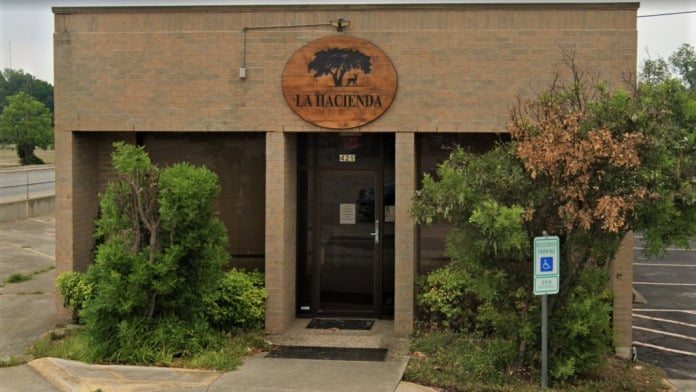
La Hacienda Treatment Center
1
Top 10 Rehab Centers In Hunt


















































































The facility accepts most major insurance plans. They also accept Medicaid and Medicare. If you have concerns about payment or an inability to pay, contact them about other options. They’ll work with you to find a payment solution that works for you.
They offer different levels of care, including inpatient and outpatient programs. The inpatient program has tracks for adolescents ages 12-17 who are dealing with substance use and dual diagnosis issues.
Adolescents take part in group, family and individual therapy. They also have recreational therapy. They work on a discharge plan as early as the first day of admittance. They’ll also have medication management if appropriate.
The inpatient program for adults is for short term, intensive care for women and men over 18 who are in a mental health or substance use crisis. You’ll get 24/7 care with psychiatrists, medical doctors, nurses and therapists. There’s medication assisted detox and medication management after detox. You’ll also take part in individual and group therapy, substance use education and other supportive services.
The center has a partial hospitalization program (PHP) and an intensive outpatient program (IOP). The PHP works as a step down or step up program depending on your situation. If you’ve been an inpatient and need a structured environment before moving into an outpatient program or going home, the PHP is a good option. If you need a little more than an outpatient program but don’t need an inpatient program, the PHP may also be a good choice for you.
All of the programs use evidence based therapies and trauma informed care. You’ll work to get to the root of your substance abuse or mental illness so you can take an informed approach moving forward.


 119

 Our Methodology


Private insurance refers to any kind of healthcare coverage that isn't from the state or federal government. This includes individual and family plans offered by an employer or purchased from the Insurance Marketplace. Every plan will have different requirements and out of pocket costs so be sure to get the full details before you start treatment.
Self-pay involves paying for treatment out of your own pocket. You can use savings or credit, get a personal loan, or receive help from family and friends to fund your treatment. If you don't have insurance or your insurance plan doesn't cover a specific program, self-pay can help ensure you still get the care you need.
Financial aid can take many forms. Centers may have grants or scholarships available to clients who meet eligibility requirements. Programs that receive SAMHSA grants may have financial aid available for those who need treatment as well. Grants and scholarships can help you pai for treatment without having to repay.
Medicare is a federal program that provides health insurance for those 65 and older. It also serves people under 65 with chronic and disabling health challenges. To use Medicare for addiction treatment you need to find a program that accepts Medicare and is in network with your plan. Out of pocket costs and preauthorization requirements vary, so always check with your provider.
Military members, veterans, and eligible dependents have access to specific insurance programs that help them get the care they need. TRICARE and VA insurance can help you access low cost or no cost addiction and mental health treatment. Programs that accept military insurance often have targeted treatment focused on the unique challenges military members, veterans, and their families face.
Medicaid is a state based program that helps lower-income individuals and families pay for healthcare. Medicaid covers addiction treatment so those enrolled can use their coverage to pay for rehab. When a program accepts Medicaid the client often pays very little or nothing out of their own pocket.
Clients enrolled in outpatient rehab programs may receive daily, biweekly, or weekly treatment while continuing to live at home. This enables clients to integrate their recovery care plan into their routine work and family schedule. Addiction counseling, recovery-focused life skills training, and medication assisted treatment (MAT) are the most common services offered at outpatient centers, but many also provide holistic therapies, such as meditation and massage, and ancillary services, such as career coaching.
Residential treatment programs are those that offer housing and meals in addition to substance abuse treatment. Rehab facilities that offer residential treatment allow patients to focus solely on recovery, in an environment totally separate from their lives. Some rehab centers specialize in short-term residential treatment (a few days to a week or two), while others solely provide treatment on a long-term basis (several weeks to months). Some offer both, and tailor treatment to the patient's individual requirements.
Intensive outpatient programs (IOP) provide robust support for clients who choose to remain in their own homes or who are reintegrating into their community following inpatient care. IOP treatment generally consists of a combination of individual, group, and family counseling, recovery-focused life skills training, and evidence-based holistic therapies. Many intensive outpatient rehabs also offer medication assisted treatment (MAT) for clients in alcohol and/or opioid recovery. Clients in IOP typically receive nine to 20 hours of treatment weekly.
Rehab aftercare programs promote clients' long-term recovery by providing a robust continuum of care aligned with clients' evolving needs. Because addiction is a chronic disease prone to relapse, rehab aftercare services are highly client-focused and uniquely responsive to clients' changing medical, mental health, and social circumstances. Case managers and care teams collaborate with clients, assess their goals and needs, and provide access to recovery-focused resources, such as peer coaching, employment assistance, and relapse prevention services.
12 step programs promote comprehensive and continuing care for persons in recovery through peer support and personal growth. Regular attendance at 12 step meetings is required. Participants also select a peer sponsor who mentors sponsees through the recovery journey. Though the 12 steps of recovery are rooted in the belief in a higher power, religious affiliation is not mandatory. These programs are designed to facilitate self-understanding and forgiveness, personal accountability, and acceptance of that which cannot be changed.
Sober living homes in New Mexico is a peer-managed residence designed for individuals who want to maintain sobriety. To achieve this goal, the setting offers recovery groups, household participation, and required sobriety. Residents rent a room and share living space with others in recovery. Individuals can live in the men's or women's sober living home indefinitely, if they continue to live in accordance with the house rules. Most stay at least six months.
Often known as "day treatment, a partial hospitalization program (PHP) offers short-term, intensive rehab during the day, allowing you to return home in the evening. PHP treatment is often part of a step-down service provided in the treatment of substance use disorders. PHP treatment provides structured programming that includes daily therapeutic services. Typically, PHP treatment sessions are 5 days a week for approximately 6-8 hours, offering intensive treatment during the day, allowing you to return home. The duration of PHP treatment varies based on your needs but averages 90 days.
Medical detox is offered under 24-hour clinical care in New Mexico. This setting includes a team of professionals who can address your physical, emotional, and mental health needs 24/7. Doctors often prescribe medications to relieve withdrawal symptoms and make the process safer and more comfortable. This level of care continues until you have completed detox and are medically cleared to move on to outpatient or inpatient rehab.
When your body is purged of all addictive substances, the process is known as detoxification, and this is typically the first step in the addiction recovery process. A medically assisted detox is generally performed in an inpatient setting, where you are monitored by a team of medical professionals who consistently check and recheck your vital signs and provide medications if necessary to help alleviate any withdrawal symptoms. After you've safely cleared drugs and alcohol from your system, you'll likely transition to an inpatient addiction treatment program for the next phase of your recovery.
Many of those suffering from addiction also suffer from mental or emotional illnesses like schizophrenia, bipolar disorder, depression, or anxiety disorders. Rehab and other substance abuse facilities treating those with a dual diagnosis or co-occurring disorder administer psychiatric treatment to address the person's mental health issue in addition to drug and alcohol rehabilitation.
Mental health rehabs focus on helping individuals recover from mental illnesses like bipolar disorder, clinical depression, anxiety disorders, schizophrenia, and more. Mental health professionals at these facilities are trained to understand and treat mental health issues, both in individual and group settings.
Ranging from mild to severe, alcohol use disorder is a condition characterized by drinking to the point of causing harm or distress. Recovery from this alcohol addiction takes time and commitment. Alcohol rehab in New Mexico can provide the resources necessary to overcome alcoholism. Through detox, psychotherapy, and social supports, participants gain the skills they need to achieve and maintain sobriety.
Each drug rehab in New Mexico offers unique amenities and treatment methods. Common aspects of treatment include group and individual counseling, recreational therapy, medication management, and healthy living. Aftercare is often provided to prevent relapse.
 Opioid Addiction
Adult rehab programs include therapies tailored to each client's specific needs, goals, and recovery progress. They are tailored to the specific challenges adult clients may face, including family and work pressures and commitments. From inpatient and residential treatment to various levels of outpatient services, there are many options available. Some facilities also help adults work through co-occurring conditions, like anxiety, that can accompany addiction.
Young adulthood can be an exciting, yet difficult, time of transition. Individuals in their late teens to mid-20s face unique stressors related to school, jobs, families, and social circles, which can lead to a rise in substance use. Rehab centers with dedicated young adult programs will include activities and amenities that cater to this age group, with an emphasis on specialized counseling, peer socialization, and ongoing aftercare.
Recovery is most successful when clients feel accepted and validated by their peers and treatment providers. Facilities that offer LGBTQ-inclusive programming are committed to creating a safe space where everyone can grow and recover without fear of judgment or discrimination. They will have dedicated policies in place to create a safe and supportive environment that fosters free expression.
Serving in the military is both mentally and physically challenging, and can result in trauma that persists even after combat ends. Military programs are tailored to the specific and often complex needs of active duty personnel, veterans, and military families. Clients often access these programs through the U.S. Department of Veterans Affairs (VA).
Teen programs are designed to address the unique pressures teens face, pressures that can drive them to experiment with dangerous, addictive substances. They need programs that meet them exactly where they are and give them tools for long-term recovery. Therapy can help teenagers understand and work through underlying issues so they can reclaim the life ahead of them.
Cognitive Behavioral Therapy (CBT) is a therapy modality that focuses on the relationship between one's thoughts, feelings, and behaviors. It is used to establish and allow for healthy responses to thoughts and feelings (instead of unhealthy responses, like using drugs or alcohol). CBT has been proven effective for recovering addicts of all kinds, and is used to strengthen a patient's own self-awareness and ability to self-regulate. CBT allows individuals to monitor their own emotional state, become more adept at communicating with others, and manage stress without needing to engage in substance abuse.
Dialectical Behavior Therapy (DBT) is a modified form of Cognitive Behavioral Therapy (CBT), a treatment designed to help people understand and ultimately affect the relationship between their thoughts, feelings, and behaviors. DBT is often used for individuals who struggle with self-harm behaviors, such as self-mutilation (cutting) and suicidal thoughts, urges, or attempts. It has been proven clinically effective for those who struggle with out-of-control emotions and mental health illnesses like Borderline Personality Disorder.
Group therapy is any therapeutic work that happens in a group (not one-on-one). There are a number of different group therapy modalities, including support groups, experiential therapy, psycho-education, and more. Group therapy involves treatment as well as processing interaction between group members.
In individual therapy, a patient meets one-on-one with a trained psychologist or counselor. Therapy is a pivotal part of effective substance abuse treatment, as it often covers root causes of addiction, including challenges faced by the patient in their social, family, and work/school life.
Motivational interviewing can help you resolve indecisive feelings and develop the confidence to make changes. It is a short term counseling method that offers empathy and practical support and is often used as part of drug and alcohol rehab in New Mexico.
Trauma therapy addresses traumatic incidents from a client's past that are likely affecting their present-day experience. Trauma is often one of the primary triggers and potential causes of addiction, and can stem from child sexual abuse, domestic violence, having a parent with a mental illness, losing one or both parents at a young age, teenage or adult sexual assault, or any number of other factors. The purpose of trauma therapy is to allow a patient to process trauma and move through and past it, with the help of trained and compassionate mental health professionals.
Whether a marriage or other committed relationship, an intimate partnership is one of the most important aspects of a person's life. Drug and alcohol addiction affects both members of a couple in deep and meaningful ways, as does rehab and recovery. Couples therapy and other couples-focused treatment programs are significant parts of exploring triggers of addiction, as well as learning how to build healthy patterns to support ongoing sobriety.
Research clearly demonstrates that recovery is far more successful and sustainable when loved ones like family members participate in rehab and substance abuse treatment. Genetic factors may be at play when it comes to drug and alcohol addiction, as well as mental health issues. Family dynamics often play a critical role in addiction triggers, and if properly educated, family members can be a strong source of support when it comes to rehabilitation.
Substance use disorders disrupt thinking and behavior patterns, which interferes with critical life skills. Drug rehab programs in New Mexico include life skills training to allow you to rebuild those skills. You'll relearn how to think, behave, and interact with others in healthy ways so you can successfully navigate daily life.
Through recreational therapy, you engage in activities that support your mental and physical health, as well as promote your addiction recovery. The activities might include team sports, creative arts, or yogurt to help manage your stress, improve your mood, and build a supportive network of individuals who help you maintain your long term sobriety.
Creative arts therapy gives you the opportunity to express yourself in ways beyond words. Your therapist will help you use creative activities to explore emotions and process difficult situations.
Often, cravings and withdrawal symptoms stop people from giving up tobacco. Nicotine replacement therapy in New Mexico helps with these symptoms, so the process is more comfortable. To quit smoking, you may want to consider these therapies, which include medications, inhalers, sprays, patches, and gum.
 Private Transportation
 Residential Setting
 Private Rooms

Chief Executive Officer

MD

Psychiatrist
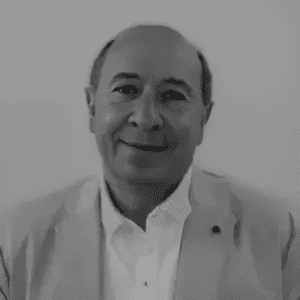
Medical Director
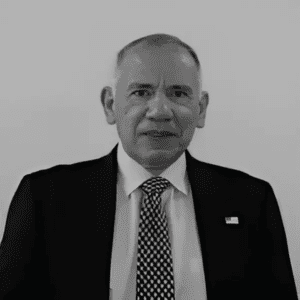
Psychiatrist
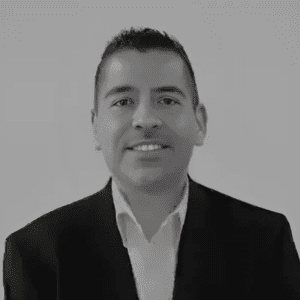
Chief Nursing Officer

LegitScript has reviewed Peak Behavioral Health as part of their certification program, and has determined that it meets the LegitScript standards for legality, safety and transparency.
LegitScript verified in June 2024

State Licenses are permits issued by government agencies that allow rehab organizations to conduct business legally within a certain geographical area. Typically, the kind of program a rehab facility offers, along with its physical location, determines which licenses are required to operate legally.
State License: New Mexico

The Joint Commission, formerly known as JCAHO, is a nonprofit organization that accredits rehab organizations and programs. Founded in 1951, the Joint Commision's mission is to improve the quality of patient care and demonstrating the quality of patient care.
Joint Commission Accreditation: Yes

The Substance Abuse and Mental Health Services Administration (SAMHSA) is a branch of the U.S. Department of Health and Human Services. Established in 1992 by congress, SAMHSA's mission is to reduce the impact of substance abuse and mental illness on American's communities.
SAMHSA Listed: Yes
Rehab.com regularly reviews this listing for accuracy but changes may occur between updates. For the most up-to-date information, please contact Peak Behavioral Health.

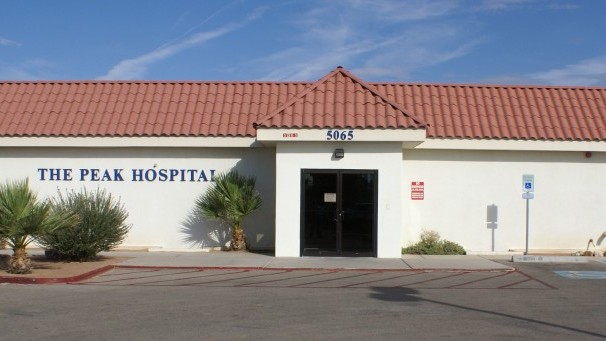
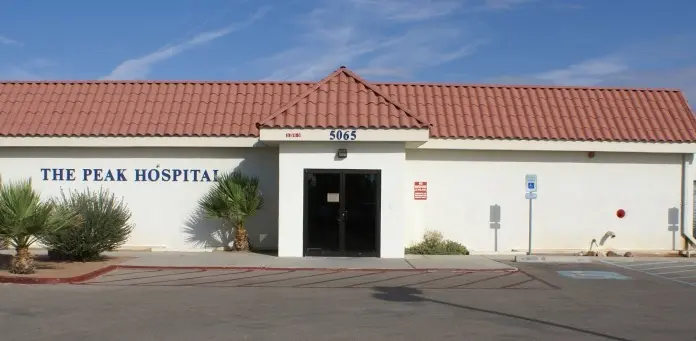
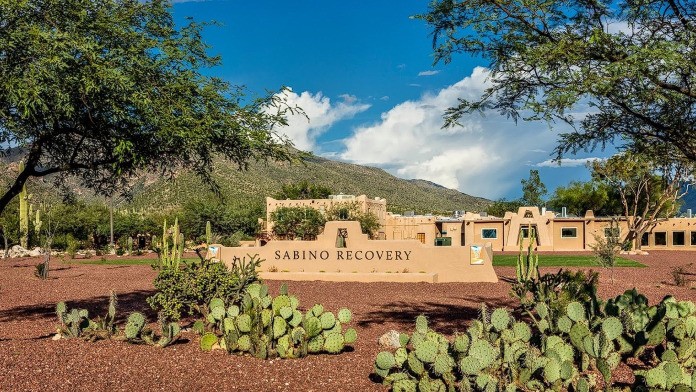
5065 McNutt Road
Santa Teresa, NM 88008
Sponsored Helpline
Horrible place and rude staff, they never answer the calls. This place is always dirty.

In two days I will be 90 days sober from alcohol for the first time in 6 years. Peak was where it all started for me. I learned so much during my 10 days there. I saw a LOT, good and bad, that pushed me to want sobriety for myself. Doctor G was very straight forward and kind to me the entire time. All of the therapists, especially Jose and the lady with pretty long silver hair, (I’m so sorry I can’t remember her name) Helped me recognize patterns in my life I had to stop. The techs were SO essential in my mental recovery. Blane, Jon, Crystal, Dave, and Annette were incredibly influential in my sobriety. I want to thank each of them for laughing with me, crying with me (shout out to Annette! 🩷) and helping me clearly see that sobriety is something I deserve. We have to genuinely want sobriety for ourselves, or we will never have it. These people and this place made that extremely daunting task so much easier for me. Forever grateful to Peak and its staff for getting me here, today. I’m looking forward to reaching six months of sobriety so I can apply to Peak to hopefully be a part of someone else’s recovery journey. Thank you all! My only genuine complaint is the food though yall… I’ll leave it at that! 🤣🩷

We pulled up to Peak Behavioral Health about 10:00 PM on a Wednesday night. My daughter (16 years old) decided it was time to get help. She deals w/mental health and substance abuse. She was to the point of having no self-esteem and was just lost and broken. She didn't want to go on any more. We have discussed going inpatient to other facilities. I was terrified based on reviews and word of mouth alone. My daughter's PCP recommended Peak. We decided to give it a try. Once they took my daughter in, I was scared for her. She had to go in alone, and I knew that was going to be hard. The first couple of days were very rough for her. She would call begging to come home. She said she didn't like it and that it was unsafe. When I asked her why she didn't like it or what was going on that made her feel unsafe, she couldn't answer. She just thought that by saying that, I would run to get her. We talked her into staying. By Sunday, she was better. Ready to come home... but knowing she needed to stay and was settling in. She stayed for 7 days and was started on medication to help with her moods AND her craving for alcohol. When I picked her up (today), she gave me the biggest hug she has ever given me. On the 3-hour drive home, we talked about what she learned, the people she met, and the great staff. There was only one staff member whom she said she didn't know why she was there to begin with, and needed a different job. Ha! Everyone was great at keeping me informed about the plan. I was able to speak with my daughter every night while there. I would recommend Peak for sure. My daughter's review: I wish the food was better, things need to be fixed (like a hole in her shower, the ice machine doesn't work, and the Sprite and Dr. Pepper "didn't work"). When asked whether she would recommend it to her peers, she said, "100%." Thank you, Peak, for taking care of my daughter. My momma's heart was scared, but my daughter came back feeling better and actually has hope again.

A tech assaulted a patient. They would spit in our water. Someone assaulted me infront of the staff and camaras and they still denied the incident even tho they had to wressel him away from me. The manager refused to send the video and told me I did it myself and apparently somehow my belongings went missing.

Hated it there... I was missing home and I had really bad social anxiety. All I needed was to have someone to talk to but the techs over there seem that they didn't really care. Put me on bunch of meds that was making me sick and some weren't even for what I had. But there was this one tech I really liked because she was nice and caring. Hated the hygiene there didn't feel like I wasn't really that clean. This place made my depression and anxiety even worse than before. Had a hard time getting my meds when I got out. Such an awful place to be at...
 Back
Sharing your insights and experiences can help others learn more about this rehab center.

 Written By: Susan Bertram
BA