All In Solutions Wellness Center
1
Top 10 Rehab Centers In West Palm Beach



















































































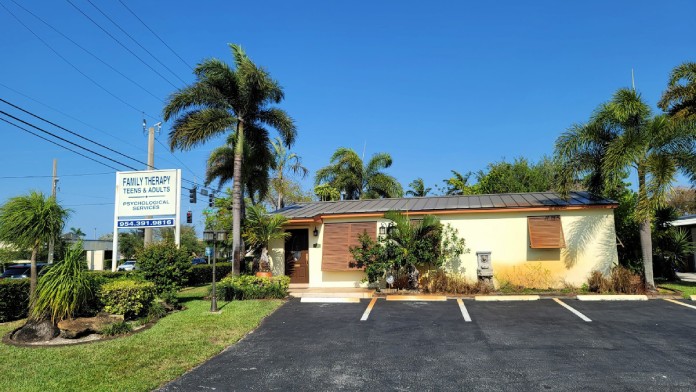
Action Relational Therapy of Florida is an outpatient addiction treatment provider in Hollywood, Florida, supporting individuals, couples and families affected by substance use and co-occurring mental health concerns.
The practice offers drug, alcohol and opioid treatment alongside couples and family counseling, using a relationship centered model.
They offer outpatient care for drug rehab, alcohol use, opioid treatment and co-occurring mental health support. Programs emphasize couples counseling, family counseling and anger management skill building, along with drug and alcohol intervention services.
Services are available to adults, teens and adolescents, including men, women and LGBTQ+ clients. The practice also addresses process and behavioral addictions, such as gambling and internet use, as well as teen and family counseling needs.
Action Relational Therapy of Florida is located on Taft Street in Hollywood, Florida. Online counseling was also referenced as available by phone, email and webcam for added flexibility.
Associated listings note accepted insurance including Aetna, Cigna and United Healthcare. Self pay options were referenced as well, with group and individual session rates and a discounted session package mentioned in directory content.
To begin, reach out to Action Relational Therapy of Florida in Hollywood for an assessment and help finding the right level of care for you or your family.
Action Relational Therapy of Florida in Hollywood blends outpatient addiction care with family and couples work to support lasting recovery.

 Our Methodology


Self-pay involves paying for treatment out of your own pocket. You can use savings or credit, get a personal loan, or receive help from family and friends to fund your treatment. If you don't have insurance or your insurance plan doesn't cover a specific program, self-pay can help ensure you still get the care you need.
Financial aid can take many forms. Centers may have grants or scholarships available to clients who meet eligibility requirements. Programs that receive SAMHSA grants may have financial aid available for those who need treatment as well. Grants and scholarships can help you pai for treatment without having to repay.
Outpatient Programs (OP) are for those seeking mental rehab or drug rehab, but who also stay at home every night. The main difference between outpatient treatment (OP) and intensive outpatient treatment (IOP) lies in the amount of hours the patient spends at the facility. Most of the time an outpatient program is designed for someone who has completed an inpatient stay and is looking to continue their growth in recovery. Outpatient is not meant to be the starting point, it is commonly referred to as aftercare.
The goal of treatment for alcoholism is abstinence. Those with poor social support, poor motivation, or psychiatric disorders tend to relapse within a few years of treatment. For these people, success is measured by longer periods of abstinence, reduced use of alcohol, better health, and improved social functioning. Recovery and Maintenance are usually based on 12 step programs and AA meetings.
Drug rehab in Florida provides quality treatment to help individuals overcome dependency related to a wide range of addictive substances. Programs address both the physical and mental aspects of addiction in order to help you make a full recovery.
Many of those suffering from addiction also suffer from mental or emotional illnesses like schizophrenia, bipolar disorder, depression, or anxiety disorders. Rehab and other substance abuse facilities treating those with a dual diagnosis or co-occurring disorder administer psychiatric treatment to address the person's mental health issue in addition to drug and alcohol rehabilitation.
A combined mental health and substance abuse rehab has the staff and resources available to handle individuals with both mental health and substance abuse issues. It can be challenging to determine where a specific symptom stems from (a mental health issue or an issue related to substance abuse), so mental health and substance abuse professionals are helpful in detangling symptoms and keeping treatment on track.
Opioid rehabs specialize in supporting those recovering from opioid addiction. They treat those suffering from addiction to illegal opioids like heroin, as well as prescription drugs like oxycodone. These centers typically combine both physical as well as mental and emotional support to help stop addiction. Physical support often includes medical detox and subsequent medical support (including medication), and mental support includes in-depth therapy to address the underlying causes of addiction.
Adult rehab programs include therapies tailored to each client's specific needs, goals, and recovery progress. They are tailored to the specific challenges adult clients may face, including family and work pressures and commitments. From inpatient and residential treatment to various levels of outpatient services, there are many options available. Some facilities also help adults work through co-occurring conditions, like anxiety, that can accompany addiction.
Young adulthood can be an exciting, yet difficult, time of transition. Individuals in their late teens to mid-20s face unique stressors related to school, jobs, families, and social circles, which can lead to a rise in substance use. Rehab centers with dedicated young adult programs will include activities and amenities that cater to this age group, with an emphasis on specialized counseling, peer socialization, and ongoing aftercare.
Whether a marriage or other committed relationship, an intimate partnership is one of the most important aspects of a person's life. Drug and alcohol addiction affects both members of a couple in deep and meaningful ways, as does rehab and recovery. Couples therapy and other couples-focused treatment programs are significant parts of exploring triggers of addiction, as well as learning how to build healthy patterns to support ongoing sobriety.
Research clearly demonstrates that recovery is far more successful and sustainable when loved ones like family members participate in rehab and substance abuse treatment. Genetic factors may be at play when it comes to drug and alcohol addiction, as well as mental health issues. Family dynamics often play a critical role in addiction triggers, and if properly educated, family members can be a strong source of support when it comes to rehabilitation.
Group therapy is any therapeutic work that happens in a group (not one-on-one). There are a number of different group therapy modalities, including support groups, experiential therapy, psycho-education, and more. Group therapy involves treatment as well as processing interaction between group members.
In individual therapy, a patient meets one-on-one with a trained psychologist or counselor. Therapy is a pivotal part of effective substance abuse treatment, as it often covers root causes of addiction, including challenges faced by the patient in their social, family, and work/school life.
 Residential Setting
 President & Clinical Director
Rehab.com regularly reviews this listing for accuracy but changes may occur between updates. For the most up-to-date information, please contact Action Relational Therapy of Florida.

6790 Taft street
Hollywood, FL 33024
Sponsored Helpline

I honestly was losing hope... I didn't want my child on medication.. My third doctor in 3 years and I was about to give up. My child has been off medication and his grades are way up I just want to cry leaving this review.. I cannot thank Doctor Butler enough.

100 % profesional la Dra Butler me ayudo mucho , encontrar alguien que te comprenda en tu idioma,no siempre es facil .Gracias

The Doctor here was incredible. I will never be able to thank Dr. Butler enough! It was my fourth Doctor and was beginning to lose hope .

I was going through a difficult time. Dr. Butler took the time and had the understanding and skills, to help me, in my time of need. I am a much more functional and happy person, because of her.
 Back
Back
Sharing your insights and experiences can help others learn more about this rehab center.