All In Solutions Wellness Center
1
Top 10 Rehab Centers In West Palm Beach



















































































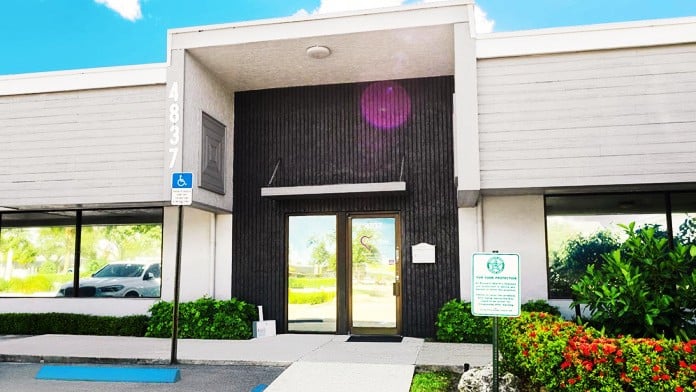
Where they are located is just a 10 minute drive to the heart of Fort Lauderdale, where there is so much to do and see. This includes their beaches, historic sites, state parks, boat cruises, flea markets, specialty museums, malls, libraries and convention centers. You can go paddle boarding, sailing or out to eat at the restaurants with your peers after group therapy and enjoy life in healthy, sober ways.
What sticks out to me the most is their variety of therapies utilized while you are receiving treatment here. They offer rapid resolution therapy, brain mapping, eye movement desensitization and reprocessing (EMDR) and hypnotherapy. These therapies can help you heal from trauma, manage stress and reduce the risks of a relapse.
Their art therapy utilizes different mediums that can help you manage, process and regulate emotions. Some of the many forms of art used include group art projects, visual journaling, sculpting, drawing and painting.
Massage therapy can be such a great way for you to relax, self-reflect and provide pain management. Some of the many massages used here include Swedish massage, hot stone massage, reflexology, deep tissue massage and trigger point massage.
I think their biofeedback therapy is such a unique way to raise awareness on how to manage symptoms with a non-invasive tool. This can help control impulsive behaviors and boost self esteem. Other therapies they utilize include cognitive behavioral therapy (CBT), traditional talk therapy and dialectical behavior therapy (DBT).
Operation Agape is specialized treatment available for first responders and veterans. They create a comfortable, secure and safe atmosphere for you to be vulnerable without the fear of being judged. Individual counseling, group therapy, hypnotherapy, peer support and rapid resolution therapy can be included in your treatment plan.

 Our Methodology



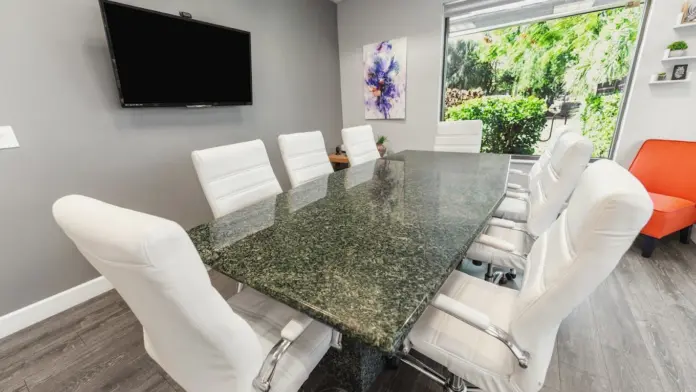

Self-pay involves paying for treatment out of your own pocket. You can use savings or credit, get a personal loan, or receive help from family and friends to fund your treatment. If you don't have insurance or your insurance plan doesn't cover a specific program, self-pay can help ensure you still get the care you need.
Private insurance refers to any kind of healthcare coverage that isn't from the state or federal government. This includes individual and family plans offered by an employer or purchased from the Insurance Marketplace. Every plan will have different requirements and out of pocket costs so be sure to get the full details before you start treatment.
Sliding scale payments are based on a client's income and family size. The goal is to make treatment affordable to everyone. By taking these factors into account, addiction recovery care providers help ensure that your treatment does not become a financial burden to you or your family, eliminating one barrier to care.
Military members, veterans, and eligible dependents have access to specific insurance programs that help them get the care they need. TRICARE and VA insurance can help you access low cost or no cost addiction and mental health treatment. Programs that accept military insurance often have targeted treatment focused on the unique challenges military members, veterans, and their families face.
A partial hospitalization program (PHP) is a short-term form of intensive rehab, usually for those with acute symptoms that are hard to manage but don’t require 24-hour care. PHPs have structured programming (i.e. individual and/or group therapy), and usually meet 3-5 days a week for around 6 hours (i.e. 9am-3m). Some PHPs are residential (patients sleep on site) and some are not, so patients sleep at home. PHPs can last from 1-6 months, and some offer transportation and meals.
Intensive Outpatient Programs (IOP) are for those who want or need a very structured treatment program but who also wish to live at home and continue with certain responsibilities (such as work or school). IOP substance abuse treatment programs vary in duration and intensity, and certain outpatient rehab centers will offer individualized treatment programs.
Outpatient Programs (OP) are for those seeking mental rehab or drug rehab, but who also stay at home every night. The main difference between outpatient treatment (OP) and intensive outpatient treatment (IOP) lies in the amount of hours the patient spends at the facility. Most of the time an outpatient program is designed for someone who has completed an inpatient stay and is looking to continue their growth in recovery. Outpatient is not meant to be the starting point, it is commonly referred to as aftercare.
12-step programs are addiction recovery models based on Alcoholics Anonymous (AA). A number of substance abuse programs (including some drug and alcohol rehab centers) use the 12 steps as a basis for treatment. Beginning steps involve admitting powerlessness over the addiction and creating a spiritual basis for recovery. Middle steps including making direct amends to those who've been hurt by the addiction, and the final step is to assist others in addiction recovery in the same way. 12-Step offshoots including Narcotics Anonymous (NA), Cocaine Anonymous (CA), Dual Recovery Anonymous (DRA), Sex and Love Addicts Anonymous (SLAA) and Gamblers Anonymous (GA).
Many of those suffering from addiction also suffer from mental or emotional illnesses like schizophrenia, bipolar disorder, depression, or anxiety disorders. Rehab and other substance abuse facilities treating those with a dual diagnosis or co-occurring disorder administer psychiatric treatment to address the person's mental health issue in addition to drug and alcohol rehabilitation.
A combined mental health and substance abuse rehab has the staff and resources available to handle individuals with both mental health and substance abuse issues. It can be challenging to determine where a specific symptom stems from (a mental health issue or an issue related to substance abuse), so mental health and substance abuse professionals are helpful in detangling symptoms and keeping treatment on track.
Adult rehab programs include therapies tailored to each client's specific needs, goals, and recovery progress. They are tailored to the specific challenges adult clients may face, including family and work pressures and commitments. From inpatient and residential treatment to various levels of outpatient services, there are many options available. Some facilities also help adults work through co-occurring conditions, like anxiety, that can accompany addiction.
Research clearly demonstrates that recovery is far more successful and sustainable when loved ones like family members participate in rehab and substance abuse treatment. Genetic factors may be at play when it comes to drug and alcohol addiction, as well as mental health issues. Family dynamics often play a critical role in addiction triggers, and if properly educated, family members can be a strong source of support when it comes to rehabilitation.
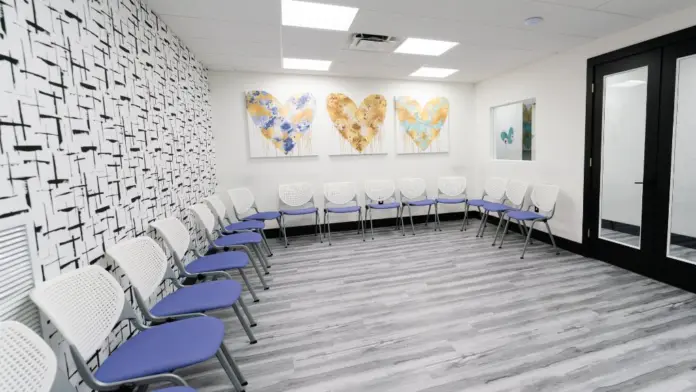
Group therapy is any therapeutic work that happens in a group (not one-on-one). There are a number of different group therapy modalities, including support groups, experiential therapy, psycho-education, and more. Group therapy involves treatment as well as processing interaction between group members.
In individual therapy, a patient meets one-on-one with a trained psychologist or counselor. Therapy is a pivotal part of effective substance abuse treatment, as it often covers root causes of addiction, including challenges faced by the patient in their social, family, and work/school life.
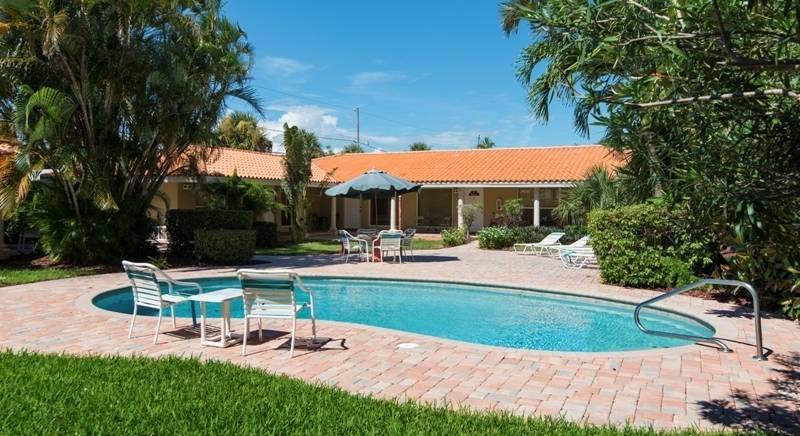
 Residential Setting
  Yoga Studio
Founder & Chief Executive Office

Chief Clinical Officer
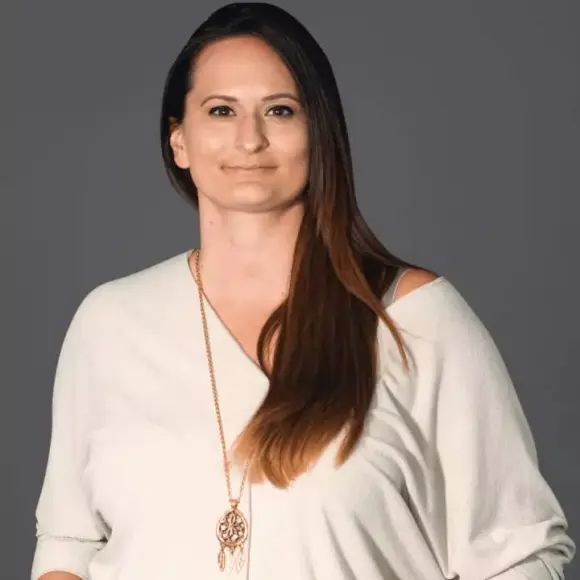
Chief Programming Officer

Chief Revenue Officer
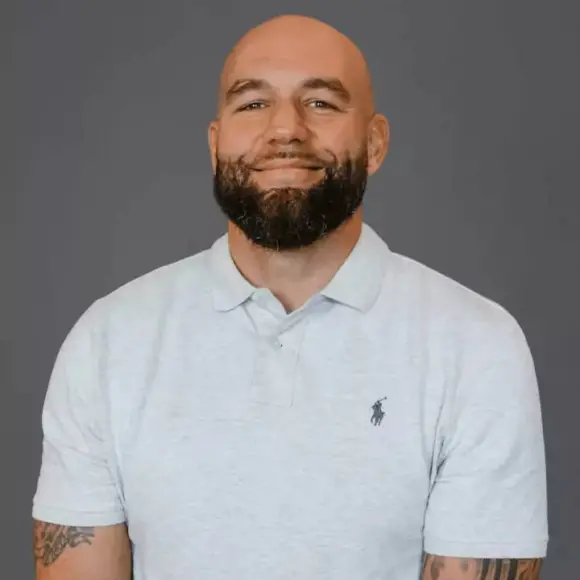
Chief Marketing Officer
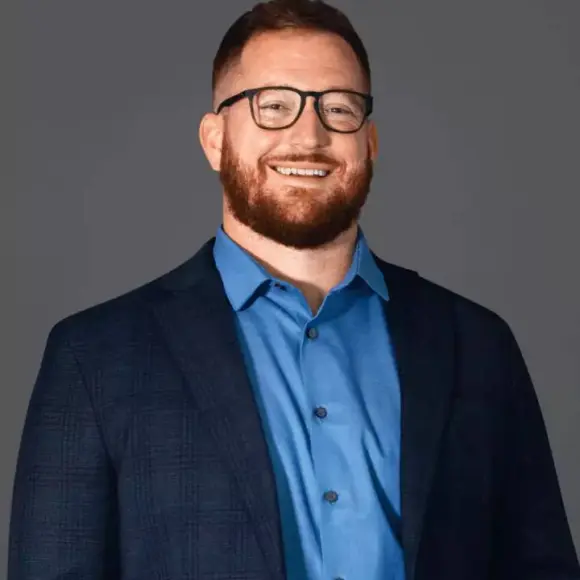
Chief Operating Officer

Director of Nursing

Director of Finance

The Joint Commission, formerly known as JCAHO, is a nonprofit organization that accredits rehab organizations and programs. Founded in 1951, the Joint Commision's mission is to improve the quality of patient care and demonstrating the quality of patient care.
Joint Commission Accreditation: Yes

LegitScript has reviewed Agape Treatment Center | Mental Health & Substance Abuse Treatment Center as part of their certification program, and has determined that it meets the LegitScript standards for legality, safety and transparency.
LegitScript verified in September 2019

The National Association of Addiction Treatment Providers (NAATP) is a professional association that represents organizations in the field of addiction services. Founded in 1978, NAATP's mission is to advance addiction services and ensure that high-quality addiction treatment is available and accessible.
NAATP Member: Yes
Member ID: 22777
Rehab.com regularly reviews this listing for accuracy but changes may occur between updates. For the most up-to-date information, please contact Agape Treatment Center | Mental Health & Substance Abuse Treatment Center.

4837 Dixie Hwy
Fort Lauderdale, FL 33334
Sponsored Helpline

Being able to choose between individual and group sessions let me adjust my week. Some days I needed one-on-one, other days the group dynamic helped more.

They started planning my discharge weeks ahead of time. I left with a written guide that had meeting times, therapist info, and what to do in a crisis. Even months later I still reference it. The team actually walked me through it instead of just having me sign.

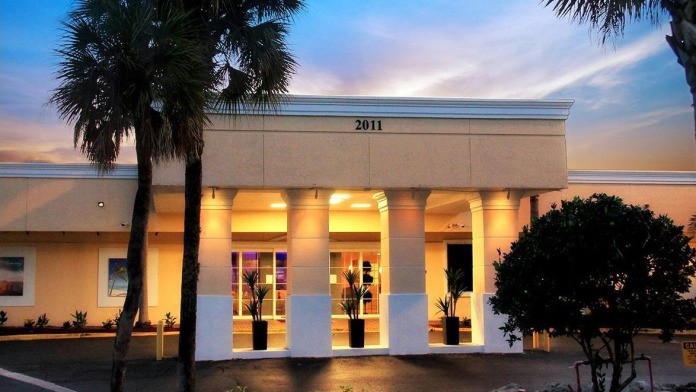
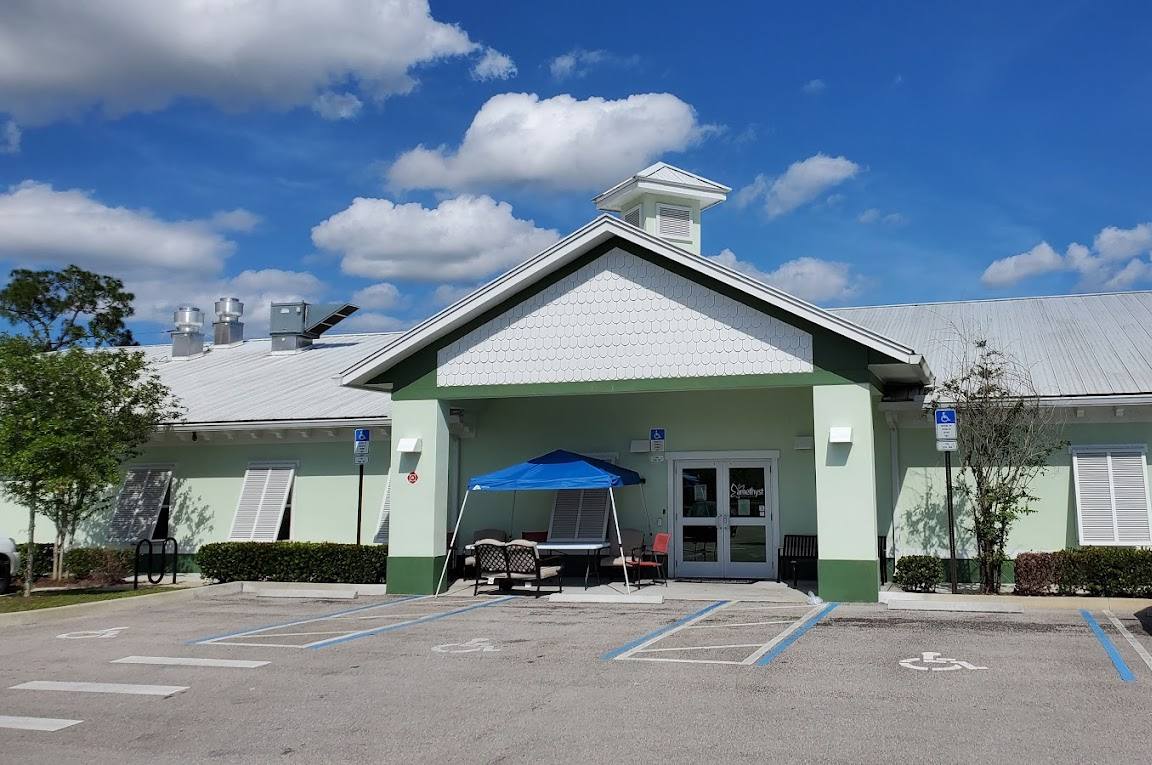
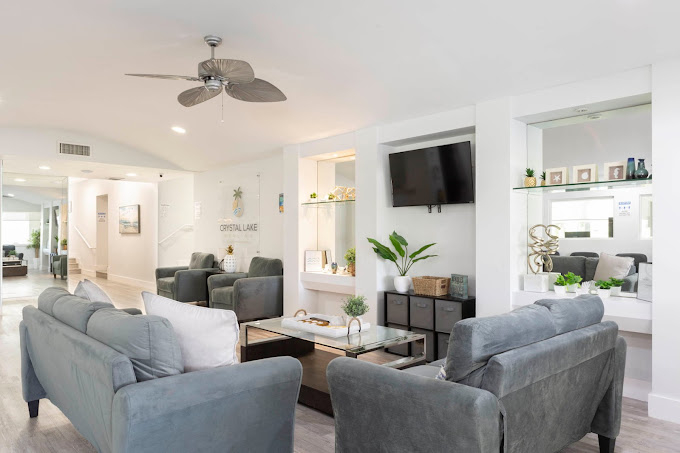
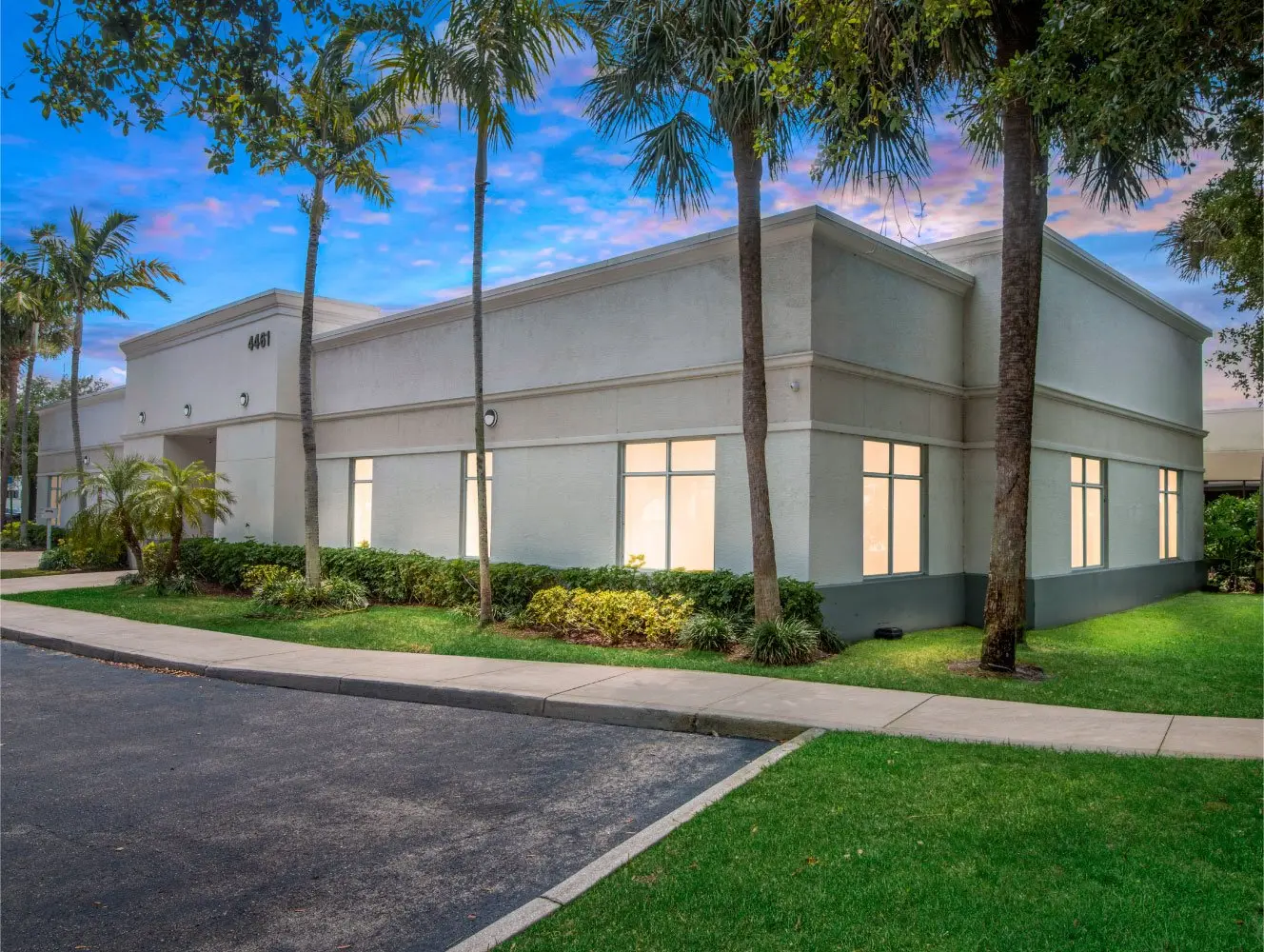
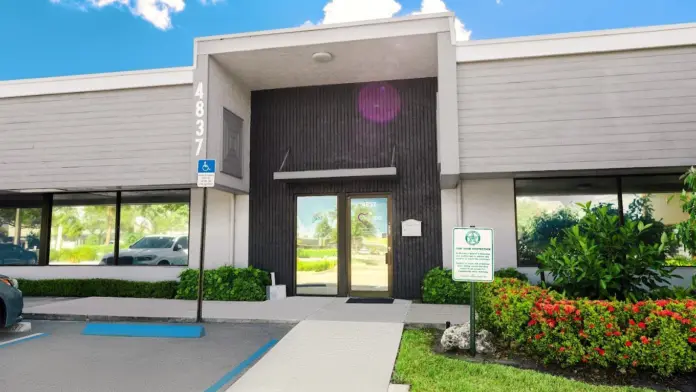
The building sits off the main road, so pulling in felt low-key. Parking was easy, inside was clean, and the waiting area was calm.

Money stuff was handled early. They verified my insurance before I started and told me what I might owe out of pocket. No unexpected bills showed up later.
 Back
Back
Sharing your insights and experiences can help others learn more about this rehab center.