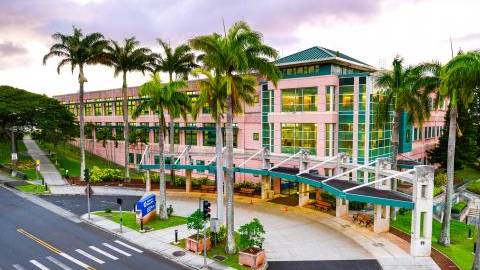
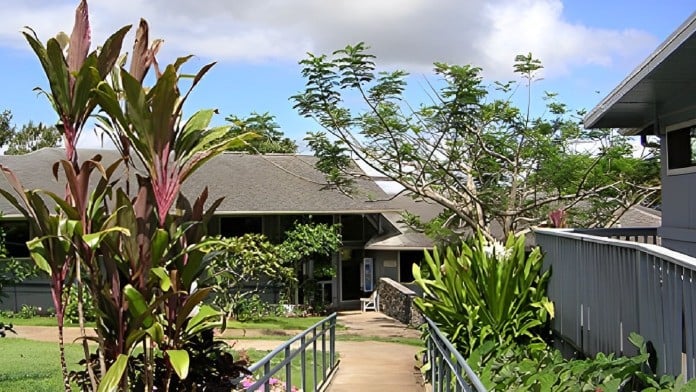
I was treated wonderfully! Food was delicious and the staff extraordinary. Very beautiful place for recovery

Hawaii Island Recovery
1
Top 10 Rehab Centers In Kailua Kona



















































































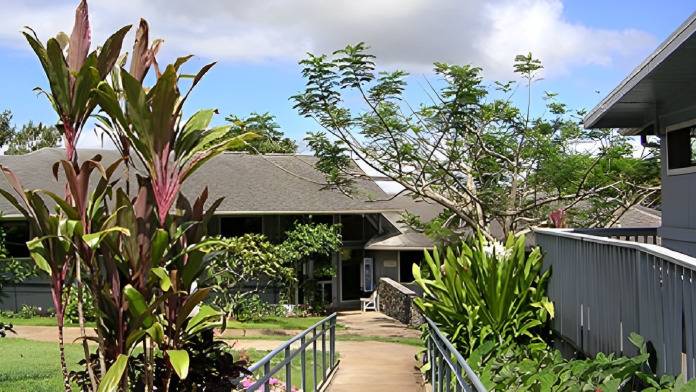
Aloha House is a substance use treatment provider in Makawao, Hawaii, offering long-term residential care for adult men alongside intensive outpatient and outpatient services on Maui. At the Makawao campus, the program combines 12-step recovery principles with counseling, life skills training and re-entry support to help clients rebuild their lives. The structured, community-focused environment and emphasis on vocational guidance and peer support are central to the recovery journey.
Aloha House provides long-term residential treatment for adult men at the Makawao location, along with intensive outpatient and outpatient programs at their Wailuku facility. Services include individual and group counseling, 12-step groups, life skills training, educational and vocational guidance and health and wellness activities. A re-entry program and recovery housing through the Transitions to Sobriety Program help clients transition back into the community with ongoing support.
The residential program at the Makawao campus serves adult men struggling with alcohol and drug addiction. Aloha House also offers outpatient services for individuals seeking recovery while living at home and provides prevention programs for youth and families, including underage drinking prevention and student assistance.
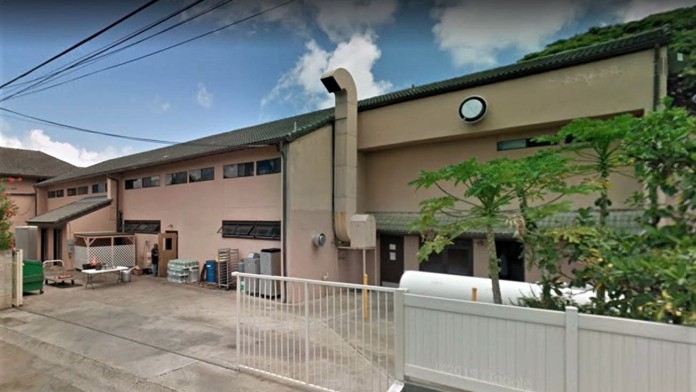
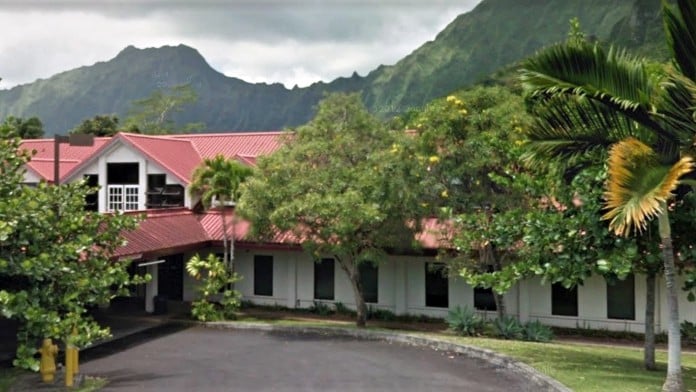
Aloha House is located in Upcountry Maui on a rural property in Makawao at 200 Ike Drive. The campus setting includes outdoor spaces and grounds that support client activities and a healing environment.



 Our Methodology


 Monthly
Self-pay involves paying for treatment out of your own pocket. You can use savings or credit, get a personal loan, or receive help from family and friends to fund your treatment. If you don't have insurance or your insurance plan doesn't cover a specific program, self-pay can help ensure you still get the care you need.
Private insurance refers to any kind of healthcare coverage that isn't from the state or federal government. This includes individual and family plans offered by an employer or purchased from the Insurance Marketplace. Every plan will have different requirements and out of pocket costs so be sure to get the full details before you start treatment.
Financial aid can take many forms. Centers may have grants or scholarships available to clients who meet eligibility requirements. Programs that receive SAMHSA grants may have financial aid available for those who need treatment as well. Grants and scholarships can help you pai for treatment without having to repay.
The Medically Monitored Detoxification program helps clients recover from substance dependence and acute symptoms of detoxification and then helps them access the most appropriate treatment needed. They provide 24/7 nursing services and medications to facilitate a safe detoxification as well as screening, assessment, counseling, treatment and discharge planning.
At certain points in the recovery process, it's important to have support available 24/7. 24-hour clinical care offers a safe environment in which to recover from drug or alcohol addiction in peace, knowing medical detox and other treatment will happen with professionals on hand.
Their Outpatient Substance Abuse/Addiction Treatment program provides comprehensive services to individuals who are chemically dependent as well as assistance to clients’ families. This program is for individuals who do not need residential treatment or hospitalization – people live at home and can even keep working while in treatment. Services include individualized treatment planning, group counseling, education and individual and family counseling. Duration of treatment varies and is based on client need and staff recommendations.
Their Residential Treatment program provides a structured living environment for those who need a real “time-out” from their daily lives in order to get better. Clients must come into treatment voluntarily. The program provides screening, assessment, nursing care, counseling, psychological services, case management, recovery education, discharge planning and assistance in developing sober support in the community.
Intervention services helps family or friends of addicts stage an intervention, which is a meeting in which loved ones share their concerns and attempt to get an addict into treatment. Professional intervention specialists can help loved ones organize, gather, and communicate with an addict. They can guide intervention participants in describing the damage the addict's behavior is causing and that outside help is necessary to address the addiction. The ideal outcome of an intervention is for the addict to go to rehab and get the help they need.
12-step programs are addiction recovery models based on Alcoholics Anonymous (AA). A number of substance abuse programs (including some drug and alcohol rehab centers) use the 12 steps as a basis for treatment. Beginning steps involve admitting powerlessness over the addiction and creating a spiritual basis for recovery. Middle steps including making direct amends to those who've been hurt by the addiction, and the final step is to assist others in addiction recovery in the same way. 12-Step offshoots including Narcotics Anonymous (NA), Cocaine Anonymous (CA), Dual Recovery Anonymous (DRA), Sex and Love Addicts Anonymous (SLAA) and Gamblers Anonymous (GA).
Services, including treatment and discharge planning, are fully integrated with appropriate public and private agencies to ensure treatment gains are sustained upon re-entry into the community. They encourage and help clients create and engage with active support networks to ensure long-term recovery.
The Sober Living Program provides a safe, substance-free living environment for individuals either recently discharged from Residential Treatment or in the early recovery phase. Services include psychiatric care related to substance recovery, sober support skills groups, help with connecting with community resources and agencies and case management. The Sober Living Program allows clients to solidify the gains they made in treatment and generate different social circles to reduce the chance of relapse.
The goal of treatment for alcoholism is abstinence. Those with poor social support, poor motivation, or psychiatric disorders tend to relapse within a few years of treatment. For these people, success is measured by longer periods of abstinence, reduced use of alcohol, better health, and improved social functioning. Recovery and Maintenance are usually based on 12 step programs and AA meetings.
Drug rehab in Hawaii is for individuals suffering from substance use disorders. Treatment addresses the many issues involved with addiction, typically through a combination of medical and psychotherapy treatments.
Many of those suffering from addiction also suffer from mental or emotional illnesses like schizophrenia, bipolar disorder, depression, or anxiety disorders. Rehab and other substance abuse facilities treating those with a dual diagnosis or co-occurring disorder administer psychiatric treatment to address the person's mental health issue in addition to drug and alcohol rehabilitation.
A combined mental health and substance abuse rehab has the staff and resources available to handle individuals with both mental health and substance abuse issues. It can be challenging to determine where a specific symptom stems from (a mental health issue or an issue related to substance abuse), so mental health and substance abuse professionals are helpful in detangling symptoms and keeping treatment on track.
Opioid rehabs specialize in supporting those recovering from opioid addiction. They treat those suffering from addiction to illegal opioids like heroin, as well as prescription drugs like oxycodone. These centers typically combine both physical as well as mental and emotional support to help stop addiction. Physical support often includes medical detox and subsequent medical support (including medication), and mental support includes in-depth therapy to address the underlying causes of addiction.
Adult rehab programs include therapies tailored to each client's specific needs, goals, and recovery progress. They are tailored to the specific challenges adult clients may face, including family and work pressures and commitments. From inpatient and residential treatment to various levels of outpatient services, there are many options available. Some facilities also help adults work through co-occurring conditions, like anxiety, that can accompany addiction.
Young adulthood can be an exciting, yet difficult, time of transition. Individuals in their late teens to mid-20s face unique stressors related to school, jobs, families, and social circles, which can lead to a rise in substance use. Rehab centers with dedicated young adult programs will include activities and amenities that cater to this age group, with an emphasis on specialized counseling, peer socialization, and ongoing aftercare.
Cognitive Behavioral Therapy (CBT) is a therapy modality that focuses on the relationship between one's thoughts, feelings, and behaviors. It is used to establish and allow for healthy responses to thoughts and feelings (instead of unhealthy responses, like using drugs or alcohol). CBT has been proven effective for recovering addicts of all kinds, and is used to strengthen a patient's own self-awareness and ability to self-regulate. CBT allows individuals to monitor their own emotional state, become more adept at communicating with others, and manage stress without needing to engage in substance abuse.
Whether a marriage or other committed relationship, an intimate partnership is one of the most important aspects of a person's life. Drug and alcohol addiction affects both members of a couple in deep and meaningful ways, as does rehab and recovery. Couples therapy and other couples-focused treatment programs are significant parts of exploring triggers of addiction, as well as learning how to build healthy patterns to support ongoing sobriety.
Experiential therapy is a form of therapy in which clients are encouraged to surface and work through subconscious issues by engaging in real-time experiences. Experiential therapy departs from traditional talk therapy by involving the body, and having clients engage in activities, movements, and physical and emotional expression. This can involve role-play or using props (which can include other people). Experiential therapy can help people process trauma, memories, and emotion quickly, deeply, and in a lasting fashion, leading to substantial and impactful healing.
They strongly believe that family involvement can be imperative to a “successful treatment experience,” so clients are encouraged to allow family members to play an active role. This can only happen, however, once a client signs the necessary confidentiality release forms. If a client wishes to have family involved in the treatment process, he/she still retains confidentiality rights — clients know that issues that surface in treatment will not be discussed with their family unless he/she provides prior approval.
Group therapy is any therapeutic work that happens in a group (not one-on-one). There are a number of different group therapy modalities, including support groups, experiential therapy, psycho-education, and more. Group therapy involves treatment as well as processing interaction between group members.
In individual therapy, a patient meets one-on-one with a trained psychologist or counselor. Therapy is a pivotal part of effective substance abuse treatment, as it often covers root causes of addiction, including challenges faced by the patient in their social, family, and work/school life.
Life skills trainings involve all the skills a person must have in order to function successfully in the world. These include time management, career guidance, money management, and effective communication. Truly successful addiction recovery is based on the ability to not only live substance-free, but to thrive. Life skills teaches the practical necessities of functioning in society, which sets clients up for success in life, and therefore sobriety.
 Private Setting
  Private Rooms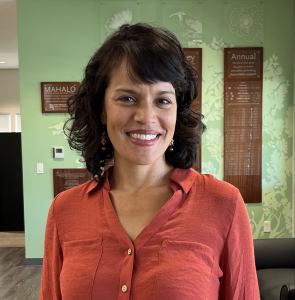
CEO
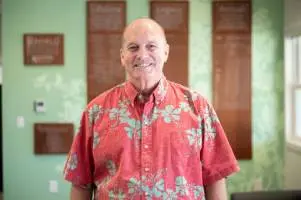
COO
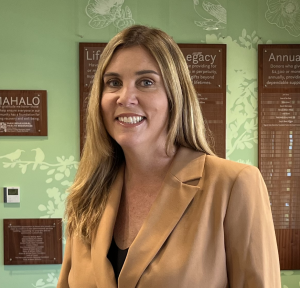
Chief Clinical Officer
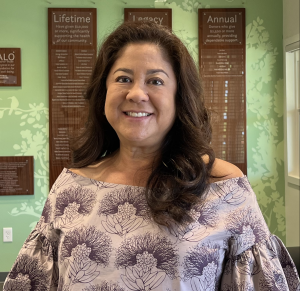
Chief Performance Officer & General Counsel
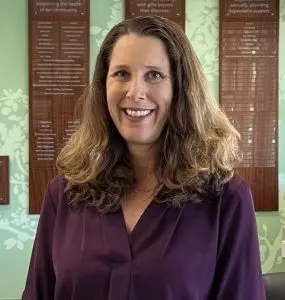
Chief Development Officer
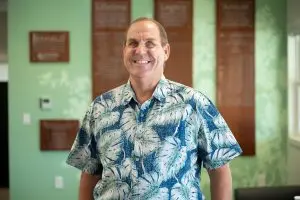
Director of Finance

Program Director, Aloha House Outpatient Program
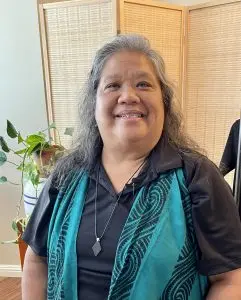
Program Director, Aloha House Partial Hospitalization Program & Cultural Liaison

The Commission on Accreditation of Rehabilitation Facilities (CARF) is a non-profit organization that specifically accredits rehab organizations. Founded in 1966, CARF's, mission is to help service providers like rehab facilities maintain high standards of care.
CARF Accreditation: Yes
Rehab.com regularly reviews this listing for accuracy but changes may occur between updates. For the most up-to-date information, please contact Aloha House.

200 Ike Drive
Makawao, HI 96768
Sponsored Helpline
I was treated wonderfully! Food was delicious and the staff extraordinary. Very beautiful place for recovery

Best rehab ever participated in ~ hands down. Staff, professionalism, program, facilities, all well-above par.


Yo Howzit?If your looking 2 get klean & stay klean then you've come 2 the right place with helpful staff,on sight counselors,great atmosphere,good vibes,N/A & A/A meetings & the list goes on.......etc N~€~WayZ,great way to take that 1st step in the right direction because no journey can begin without taking initiative for ur own actions which lead us to drugs.Get well,stay well.

After weeks of jumping through hoops. Getting a referral, drug and alcohol assessment, psych evaluation, then being put on a waiting list. Calling every mon wed fri as instructed, I was finally told they would not take me because I did not have permanent housing and...I HAD BEEN CLEAN TOO LONG. 6 weeks I thought that was a good thing. So should I have gone out and used to better my chances. What a messed up organization. Still can't help but wonder if race played a part.
 Back
Back
Sharing your insights and experiences can help others learn more about this rehab center.