















































































































About AMAAD Institute
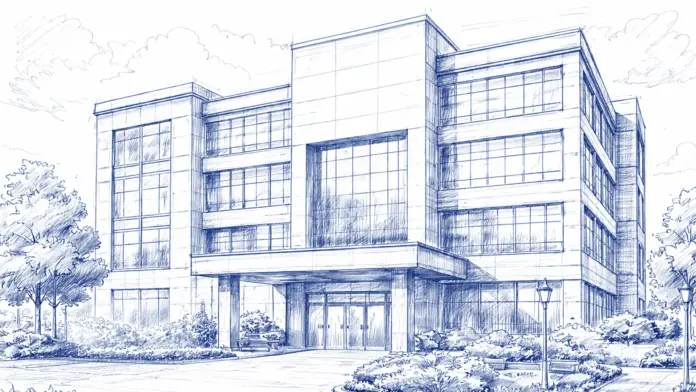
The AMAAD Institute can be found on South Compton Avenue in Los Angeles, California. It stands for Arming Minorities Against Addiction and Disease. They provide behavioral health services to address co-occurring mental health issues and substance use disorders. All services are free.
They’re located in an urban neighborhood, close to I-105 and near the Martin Luther King Jr. Community Hospital. AMAAD is also close to restaurants and natural landmarks including the George Washington Carver Park, Siberia Park and Magic Johnson Park.
Housing and Behavioral Health Services
The organization focuses on providing both housing support and access as well as behavioral health services for those involved in the criminal justice system. They offer community education programs and training for opioid education, education to transitional aged LGBTQ+ community members.
Community Training and Education Programs
AMAAD’s staff also offers programs for community training and education to support community behavioral health awareness. They also offer diversion programs to students in high school and offer mentorship and training programs.
Re-Entry Services
Additionally, AMAAD provides reentry services, HIV testing and prevention classes, as well as programs to educate members of the community on HIV. They also offer therapy to support empowering those who have been diagnosed with HIV.
I love that they offer several transitional housing facilities for special populations. Their House of Resiliency program is inclusive to members of the LGBTQ+ community for men and women aged 18-34. Their House of Dignity program was created for black women who are members of the transgender community.
They also offer two additional housing facilities including House of Abundance and the Mike Gipson House. I am encouraged to learn that AMAAD’s Project imPACT program in partnership with the Watts Labor Community Action Committee provides access to services for members of the Watts neighborhood community. They provide access to job training, employment services and re-entry specific services for those recently incarcerated or institutionalized.

Rehab Score
 Our Methodology


Location
Accepted Insurance

Other Forms of Payment
Financial aid can take many forms. Centers may have grants or scholarships available to clients who meet eligibility requirements. Programs that receive SAMHSA grants may have financial aid available for those who need treatment as well. Grants and scholarships can help you pai for treatment without having to repay.
Addiction Treatments
Levels of Care
Clients receiving treatment at an outpatient rehab typically do not require hospitalization or intensive supervision and support. Outpatient addiction counseling and recovery education are often offered during the morning, evening, night, and weekend, allowing clients to tailor treatment to their own schedule. Partial hospitalization (PHP) and intensive outpatient (IOP) programs are the most time-intensive and are designed for clients who are at an increased relapse risk and/or who need more robust therapeutic support.
Treatments
Alcoholism, or alcohol use disorder (AUD), is defined by alcohol dependence. This is a state the body reaches when it experiences withdrawal symptoms in the absence of alcohol. A person who has AUD craves alcohol and continues to drink despite adverse consequences. Because withdrawing from alcohol can pose health risks, individuals with AUD should seek professional alcohol rehab in California to overcome their alcohol addiction. This process typically involves medical detox, rehabilitation, and maintenance.
Drug rehab in California teaches participants constructive ways to stay clean and sober. Treatment revolves around helping individuals stop using the substance they are addicted to and learn healthy habits to avoid relapse.
 Opioid Addiction
In California, substance abuse treatment programs can help individuals with any type of substance use disorders and co-occurring conditions. These rehab programs typically encompass various levels of care, including medically assisted detox, intensive outpatient, outpatient, residential rehab, and partial hospitalization. You can expect clinicians to utilize evidence-based therapies like cognitive behavioral therapy (CBT), dialectical behavioral therapy (DBT), and mindfulness to help you achieve and sustain your recovery. The rehab's clinical team can provide a comprehensive assessment to determine the appropriate level of care and medical support you may need.
Programs
Adult rehab programs include therapies tailored to each client's specific needs, goals, and recovery progress. They are tailored to the specific challenges adult clients may face, including family and work pressures and commitments. From inpatient and residential treatment to various levels of outpatient services, there are many options available. Some facilities also help adults work through co-occurring conditions, like anxiety, that can accompany addiction.
Nearly one million adults age 65 and older live with a substance use disorder. Treatment providers who specialize in senior care understand the social, psychological, and physical effects of aging and how they relate to recovery. They can help clients address particular challenges and risks they may face as they get older such as overdosing and medication interactions and dependencies.
Recovery is most successful when clients feel accepted and validated by their peers and treatment providers. Facilities that offer LGBTQ-inclusive programming are committed to creating a safe space where everyone can grow and recover without fear of judgment or discrimination. They will have dedicated policies in place to create a safe and supportive environment that fosters free expression.
Serving in the military is both mentally and physically challenging, and can result in trauma that persists even after combat ends. Military programs are tailored to the specific and often complex needs of active duty personnel, veterans, and military families. Clients often access these programs through the U.S. Department of Veterans Affairs (VA).
Clinical Services
Cognitive behavioral therapy in California is a method that therapists often use for the effective treatment of substance use disorders. It is based on the principle that substance abuse stems from unhelpful ways of thinking and patterns of behavior, which can be changed by helping the individual learn better ways of coping.
For clients who are struggling with ambivalence toward change, motivational interviewing in California can help strengthen their commitment to change. Using a conversational method, the therapist helps you explore your motivations and empowers you to make the changes you desire.
Accreditations

State Licenses are permits issued by government agencies that allow rehab organizations to conduct business legally within a certain geographical area. Typically, the kind of program a rehab facility offers, along with its physical location, determines which licenses are required to operate legally.
State License: California
Contact Information


10221 Compton Ave, Los Angeles, CA 90002
Sponsored Helpline


