





























































































About Archway Programs’ Headquarters
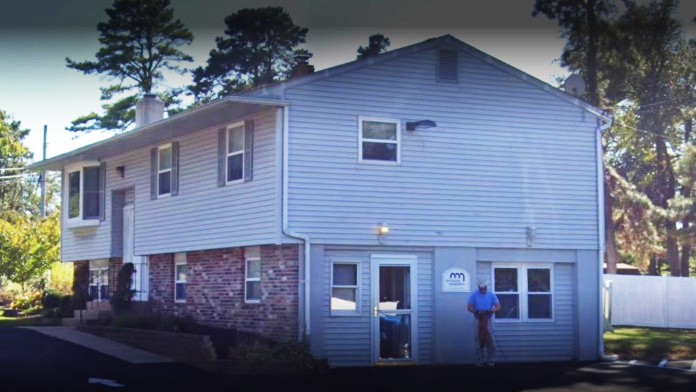
Archway Programs is a nonprofit human services organization headquartered in Atco, New Jersey, offering behavioral health, disability, educational and community-based services to children and adults.
Through its Adult Counseling & Therapy (ACT) Partial Care program, Archway supports adults age 18 and older living with mental illness using individualized recovery plans, therapeutic groups and psychiatric care.
The organization’s mission centers on helping individuals build independence, wellness and meaningful community connection at every stage of life.
Medication Management with Psychiatric Care
Archway’s ACT Partial Care program is a structured day treatment option for adults managing mental illness in Camden and Gloucester counties.
The program blends cognitive behavioral therapy, illness management and recovery, psychiatric evaluation and medication management with coordinated care and transportation support.
Participants join therapeutic groups covering peer support, health and wellness, pre-vocational skills and psycho-education, along with expressive options like art, music, meditation and yoga.
Referrals are accepted from any source, with treatment typically beginning within one week and no waiting list in most cases.
Integrated Community and Disability Services
Beyond behavioral health, Archway supports adults with intellectual and developmental disabilities through supportive living and residential community homes located in quiet neighborhoods across southern and central New Jersey.
Services include independent living skill development, socialization support, on-site nursing, telehealth APN access and daily meals.
Medicaid Accepted with Archway
ACT Partial Care accepts Medicaid as its primary payment source, with additional financial aid and private insurance options available.
Archway Programs’ headquarters is located in Atco, New Jersey, with additional service sites in Sewell, Evesham, Camden and Vineland offering in-person programs.
As a longstanding nonprofit, Archway delivers an integrated continuum of behavioral health, disability, educational and family support services.
Latest Reviews



Rehab Score
 Our Methodology


Gallery
Other Forms of Payment
Private insurance refers to any kind of healthcare coverage that isn't from the state or federal government. This includes individual and family plans offered by an employer or purchased from the Insurance Marketplace. Every plan will have different requirements and out of pocket costs so be sure to get the full details before you start treatment.
Financial aid can take many forms. Centers may have grants or scholarships available to clients who meet eligibility requirements. Programs that receive SAMHSA grants may have financial aid available for those who need treatment as well. Grants and scholarships can help you pai for treatment without having to repay.
Medicaid is a state based program that helps lower-income individuals and families pay for healthcare. Medicaid covers addiction treatment so those enrolled can use their coverage to pay for rehab. When a program accepts Medicaid the client often pays very little or nothing out of their own pocket.
Addiction Treatments
Levels of Care
Outpatient Programs (OP) are for those seeking mental rehab or drug rehab, but who also stay at home every night. The main difference between outpatient treatment (OP) and intensive outpatient treatment (IOP) lies in the amount of hours the patient spends at the facility. Most of the time an outpatient program is designed for someone who has completed an inpatient stay and is looking to continue their growth in recovery. Outpatient is not meant to be the starting point, it is commonly referred to as aftercare.
Clients often enter inpatient rehab following detox, but they may also enroll during early recovery or at an increased risk of relapse. Inpatient rehabs provide housing, meals, and intensive clinical supervision, allowing clients to focus exclusively on their recovery in a highly structured and supportive environment. Clients typically receive multiple individual, group, and/or family therapy sessions weekly. Many programs also offer extensive addiction education and recovery-focused life skills training. Integrative inpatient rehabs provide holistic therapies as well.
A drug intervention in New Jersey is more than a confrontational conversation. This organized effort is specific and goal-oriented. During the intervention, family members share specific examples of how the person's addiction has impacted their lives and spell out what they will do if the individual does not get treatment. The intervention also presents a clear treatment plan, which typically involves input from intervention services.
A partial hospitalization program (PHP) is a short-term, intensive outpatient option designed for those with moderate to severe addictions who don't require 24-hour care. PHP treatment is often fully covered by insurance and provides structured programming (i.e. individual and group therapy). A typical partial hospitalization program can meet 3-5 days a week for a minimum of 20 hours, offering intensive treatment during the day while allowing you to return home after. PHP treatment duration can vary based on your progress but averages 90 days.
24-hour clinical care in New Jersey provides a setting where you can withdraw from alcohol or drugs under close monitoring of experienced medical staff. These trained professionals can intervene at any time if needed. They can prescribe medications to reduce cravings and physical discomfort. Mental health professionals are also available to address any emotional and psychological challenges you experience as you begin your recovery journey.
Treatments
Many of those suffering from addiction also suffer from mental or emotional illnesses like schizophrenia, bipolar disorder, depression, or anxiety disorders. Rehab and other substance abuse facilities treating those with a dual diagnosis or co-occurring disorder administer psychiatric treatment to address the person's mental health issue in addition to drug and alcohol rehabilitation.
Mental health rehabs focus on helping individuals recover from mental illnesses like bipolar disorder, clinical depression, anxiety disorders, schizophrenia, and more. Mental health professionals at these facilities are trained to understand and treat mental health issues, both in individual and group settings.
Programs
Adult rehab programs include therapies tailored to each client's specific needs, goals, and recovery progress. They are tailored to the specific challenges adult clients may face, including family and work pressures and commitments. From inpatient and residential treatment to various levels of outpatient services, there are many options available. Some facilities also help adults work through co-occurring conditions, like anxiety, that can accompany addiction.
Young adulthood can be an exciting, yet difficult, time of transition. Individuals in their late teens to mid-20s face unique stressors related to school, jobs, families, and social circles, which can lead to a rise in substance use. Rehab centers with dedicated young adult programs will include activities and amenities that cater to this age group, with an emphasis on specialized counseling, peer socialization, and ongoing aftercare.
Clinical Services
Cognitive behavioral therapy (CBT) in New Jersey typically follows a set structure of treatment. The therapist helps clients identify their life challenges and their thoughts surrounding those challenges. The client then learns to identify unhealthy thought patterns and reshape those into healthy patterns of thinking and behavior.
Group therapy is any therapeutic work that happens in a group (not one-on-one). There are a number of different group therapy modalities, including support groups, experiential therapy, psycho-education, and more. Group therapy involves treatment as well as processing interaction between group members.
In individual therapy, a patient meets one-on-one with a trained psychologist or counselor. Therapy is a pivotal part of effective substance abuse treatment, as it often covers root causes of addiction, including challenges faced by the patient in their social, family, and work/school life.
Trauma therapy provides a structure to approach healing from past traumatic events that you may have witnessed or experienced. Your therapist will work with you to identify and process these memories. This helps promote a sense of safety and stability and helps you heal emotionally.
Family therapy sessions address addiction related conflicts and other issues between members of the family unit. By strengthening communication and coping skills, as well as creating a nurturing environment, the family can help support their loved one's recovery.
Life skills trainings involve all the skills a person must have in order to function successfully in the world. These include time management, career guidance, money management, and effective communication. Truly successful addiction recovery is based on the ability to not only live substance-free, but to thrive. Life skills teaches the practical necessities of functioning in society, which sets clients up for success in life, and therefore sobriety.
Recreational therapy is a dynamic approach to addiction treatment in New Jersey. It integrates activities like music therapy, team sports, and gardening so you have a therapeutic outlet for your emotions and stress. This improves your physical and mental health and helps you develop new skills to support a sober lifestyle.
Staff
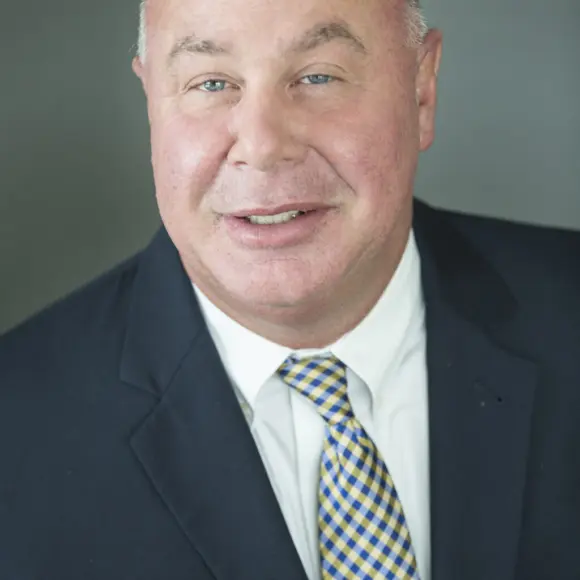
George Richards
CEO/CFO
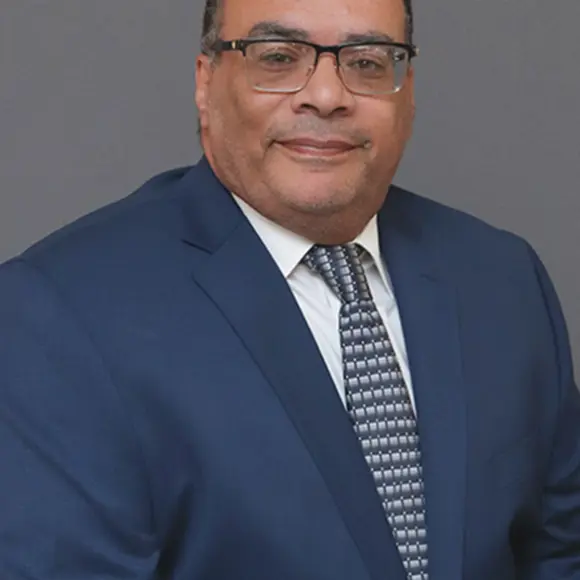
Shawn Gibson
Executive Vice President/COO
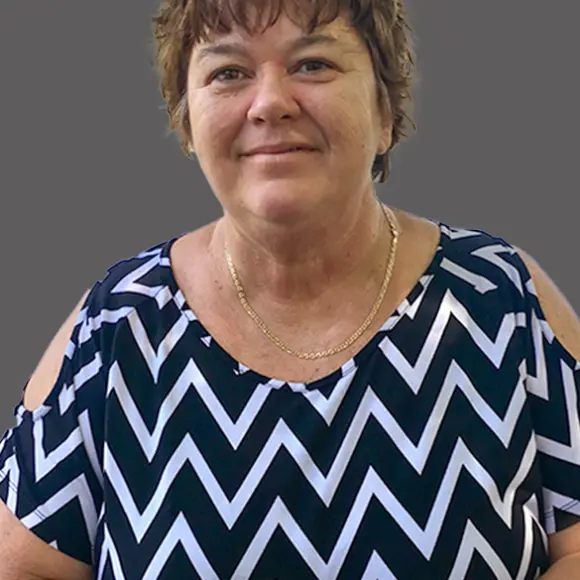
Denise Milazzo
Executive Director of Human Resources
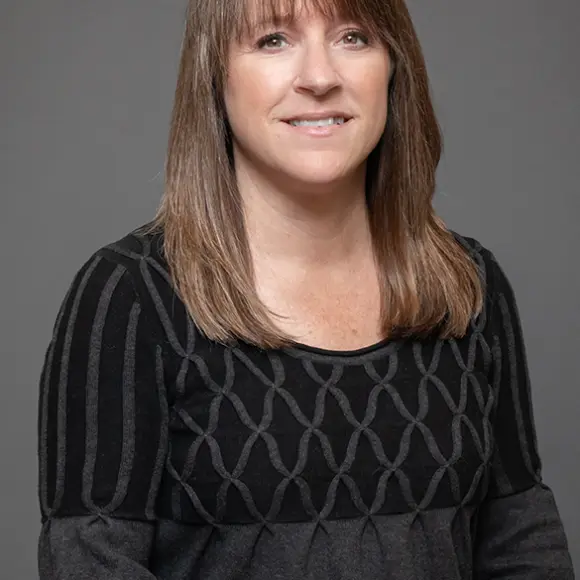
Karen Todd
Director of Information Technology
Rehab.com regularly reviews this listing for accuracy but changes may occur between updates. For the most up-to-date information, please contact Archway Programs’ Headquarters.
Contact Information


280 Jackson Road
Atco, NJ 08004
Sponsored Helpline
