











Symetria — Hurst Outpatient Rehab & Suboxone Clinic
1
Top 10 Rehab Centers In Hurst



















































































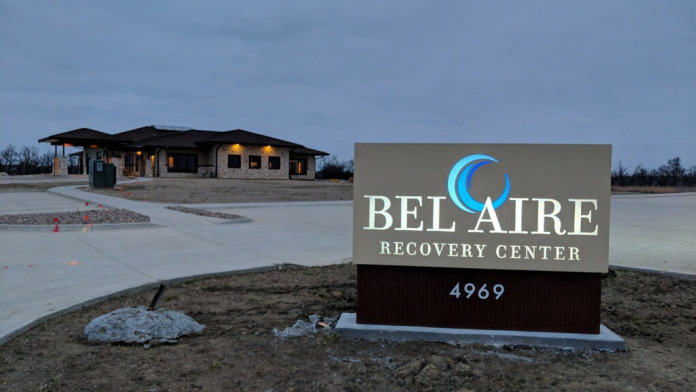
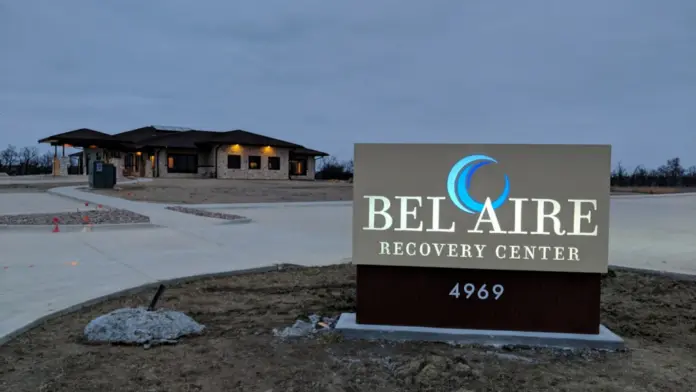
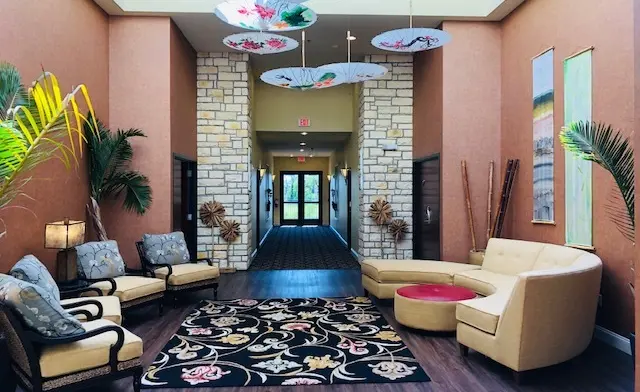
Bel Aire Recovery Center is a drug and alcohol abuse treatment center in Greenwich, Kansas. They treat individuals dealing with substance use disorder as well as co-occurring mental illnesses such as PTSD and trauma related disorders. Detox and residential treatment are some of the levels of care available at this location.
Their residential treatment features different treatment options to address each client’s unique needs. These treatments focus on your emotional and physical health, spirituality, family support and nutrition. Some of the therapeutic services that may be used to help with your healing are narrative therapy, spirituality therapy and psychoeducational workshops.
Narrative therapy focuses on reshaping your personal story to create a narrative that’s more positive and empowering. By seeing your problems from a new perspective, you can feel encouraged to make the positive changes needed to prevent relapse.
Spirituality therapy involves incorporating spiritual practices and beliefs into your treatment. Clients engage in activities such as prayer, meditation and mindfulness to develop inner peace and resilience. This form of therapy can enhance your emotional well being, which can build a foundation to support long term addiction recovery.
The stress of military service can often contribute to addiction among current and former service members. The tactical recovery program focuses on helping military members heal from PTSD and other mental illnesses through therapy, exercise and holistic treatment. A team of recovery professionals will provide 24/7 care and support.
Bel Aire Recovery Center receives high ratings averaging 4.1 stars out of 5. One reviewer noted that they made their withdrawal as comfortable as possible and described the facility as high quality.

 Our Methodology


Self-pay involves paying for treatment out of your own pocket. You can use savings or credit, get a personal loan, or receive help from family and friends to fund your treatment. If you don't have insurance or your insurance plan doesn't cover a specific program, self-pay can help ensure you still get the care you need.
Private insurance refers to any kind of healthcare coverage that isn't from the state or federal government. This includes individual and family plans offered by an employer or purchased from the Insurance Marketplace. Every plan will have different requirements and out of pocket costs so be sure to get the full details before you start treatment.
Drug and alcohol addiction often takes a heavy toll on one's body. Over time, a physical dependence can develop, meaning the body physiologically needs the substance to function. Detox is the process of removing drugs and/or alcohol from the body, a process that can be lethal if mismanaged. Medical detox is done by licensed medical professionals who monitor vital signs and keep you safe, healthy, and as comfortable as possible as you go through detox and withdrawal. The length of stay at the detoxification program is determined according to the specific needs of the patient.
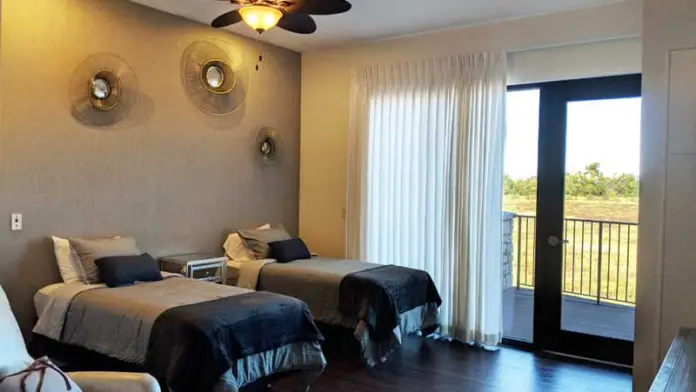
Residential treatment programs are those that offer housing and meals in addition to substance abuse treatment. Rehab facilities that offer residential treatment allow patients to focus solely on recovery, in an environment totally separate from their lives. Some rehab centers specialize in short-term residential treatment (a few days to a week or two), while others solely provide treatment on a long-term basis (several weeks to months). Some offer both, and tailor treatment to the patient's individual requirements.
Completing a drug or alcohol rehab program shouldn't spell the end of substance abuse treatment. Aftercare involves making a sustainable plan for recovery, including ongoing support. This can include sober living arrangements like halfway houses, career counseling, and setting a patient up with community programs like Alcoholics Anonymous (AA) or Narcotics Anonymous (NA).
Sober Living Houses (SLHs), aka sober homes or halfway houses, are safe, substance-free, supportive living facilities for those recovering from substance abuse. Ideal for those who've just been through inpatient or outpatient treatment, SLHs are supervised environments with rules that support sobriety, such as curfews, shared chores, and therapeutic meetings. Residents are also often trained on life skills and coping skills to make it easier to transition into society. SLHs also provide a strong sense of community that can lead to the kind of deep and lasting connections with other sober individuals that supports a new, healthy lifestyle.
Intensive Outpatient Programs (IOP) are for those who want or need a very structured treatment program but who also wish to live at home and continue with certain responsibilities (such as work or school). IOP substance abuse treatment programs vary in duration and intensity, and certain outpatient rehab centers will offer individualized treatment programs.
The goal of treatment for alcoholism is abstinence. Those with poor social support, poor motivation, or psychiatric disorders tend to relapse within a few years of treatment. For these people, success is measured by longer periods of abstinence, reduced use of alcohol, better health, and improved social functioning. Recovery and Maintenance are usually based on 12 step programs and AA meetings.
The length, intensity, setting, and treatment methods vary for each drug rehab in Kansas. Plans of care can be tailored to meet each person's own unique situation and needs. With the right program, individuals can successfully achieve long-term sobriety.
Many of those suffering from addiction also suffer from mental or emotional illnesses like schizophrenia, bipolar disorder, depression, or anxiety disorders. Rehab and other substance abuse facilities treating those with a dual diagnosis or co-occurring disorder administer psychiatric treatment to address the person's mental health issue in addition to drug and alcohol rehabilitation.
Substance rehabs focus on helping individuals recover from substance abuse, including alcohol and drug addiction (both illegal and prescription drugs). They often include the opportunity to engage in both individual as well as group therapy.
Adult rehab programs include therapies tailored to each client's specific needs, goals, and recovery progress. They are tailored to the specific challenges adult clients may face, including family and work pressures and commitments. From inpatient and residential treatment to various levels of outpatient services, there are many options available. Some facilities also help adults work through co-occurring conditions, like anxiety, that can accompany addiction.
Young adulthood can be an exciting, yet difficult, time of transition. Individuals in their late teens to mid-20s face unique stressors related to school, jobs, families, and social circles, which can lead to a rise in substance use. Rehab centers with dedicated young adult programs will include activities and amenities that cater to this age group, with an emphasis on specialized counseling, peer socialization, and ongoing aftercare.
Cognitive Behavioral Therapy (CBT) is a therapy modality that focuses on the relationship between one's thoughts, feelings, and behaviors. It is used to establish and allow for healthy responses to thoughts and feelings (instead of unhealthy responses, like using drugs or alcohol). CBT has been proven effective for recovering addicts of all kinds, and is used to strengthen a patient's own self-awareness and ability to self-regulate. CBT allows individuals to monitor their own emotional state, become more adept at communicating with others, and manage stress without needing to engage in substance abuse.
Creativity is inherently healing, and can help those in recovery express thoughts or feelings they might not otherwise be able to. Creative arts therapy can include music, poetry/writing, painting, sculpting, dance, theater, sandplay, and more. Unlike traditional art, the final product matters far less than the experience of creation and expression itself.
Dialectical Behavior Therapy (DBT) is a modified form of Cognitive Behavioral Therapy (CBT), a treatment designed to help people understand and ultimately affect the relationship between their thoughts, feelings, and behaviors. DBT is often used for individuals who struggle with self-harm behaviors, such as self-mutilation (cutting) and suicidal thoughts, urges, or attempts. It has been proven clinically effective for those who struggle with out-of-control emotions and mental health illnesses like Borderline Personality Disorder.
Experiential therapy is a form of therapy in which clients are encouraged to surface and work through subconscious issues by engaging in real-time experiences. Experiential therapy departs from traditional talk therapy by involving the body, and having clients engage in activities, movements, and physical and emotional expression. This can involve role-play or using props (which can include other people). Experiential therapy can help people process trauma, memories, and emotion quickly, deeply, and in a lasting fashion, leading to substantial and impactful healing.
Research clearly demonstrates that recovery is far more successful and sustainable when loved ones like family members participate in rehab and substance abuse treatment. Genetic factors may be at play when it comes to drug and alcohol addiction, as well as mental health issues. Family dynamics often play a critical role in addiction triggers, and if properly educated, family members can be a strong source of support when it comes to rehabilitation.
Fitness therapy blends exercise with psychotherapy for a fun, inspiring, and effective way of treating addiction and other issues. By incorporating movement into counseling sessions, clients become more empowered, motivated, and goal-oriented, all while strengthening their bodies and becoming more flexible. Fitness Therapy is usually used to complement a course of treatment (inpatient or outpatient) to make it even more successful. Increasing the connection between a patient’s mind and body helps both with healing as well as in creating new, healthy habits.
Group therapy is any therapeutic work that happens in a group (not one-on-one). There are a number of different group therapy modalities, including support groups, experiential therapy, psycho-education, and more. Group therapy involves treatment as well as processing interaction between group members.
In individual therapy, a patient meets one-on-one with a trained psychologist or counselor. Therapy is a pivotal part of effective substance abuse treatment, as it often covers root causes of addiction, including challenges faced by the patient in their social, family, and work/school life.
Life skills trainings involve all the skills a person must have in order to function successfully in the world. These include time management, career guidance, money management, and effective communication. Truly successful addiction recovery is based on the ability to not only live substance-free, but to thrive. Life skills teaches the practical necessities of functioning in society, which sets clients up for success in life, and therefore sobriety.
Nutrition therapy, aka medical nutrition therapy (MNT), is a way of treating physical, emotional, and medical conditions through diet. Specific dietary plans are designed by professional nutritionists or registered dietitians, and patients follow them in order to positively affect their physical and mental health.
Recreational therapy (aka therapeutic recreation) uses creative and fun activities to help with addiction recovery. Recreational therapists lead patients in entertaining and engaging activities like sports or games; art (drawing, painting, sculpture); drama, music, and dance; and/or community outings (field trips) to improve patients' physical, social, and emotional well-being.
Trauma therapy addresses traumatic incidents from a client's past that are likely affecting their present-day experience. Trauma is often one of the primary triggers and potential causes of addiction, and can stem from child sexual abuse, domestic violence, having a parent with a mental illness, losing one or both parents at a young age, teenage or adult sexual assault, or any number of other factors. The purpose of trauma therapy is to allow a patient to process trauma and move through and past it, with the help of trained and compassionate mental health professionals.
 Private Setting
  Yoga Studio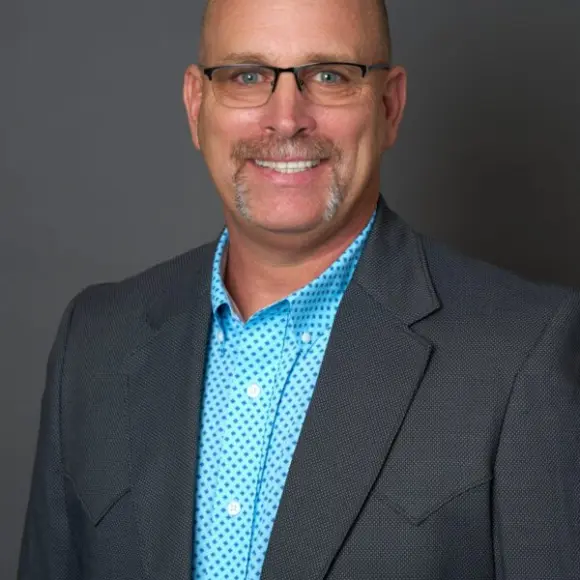
CEO
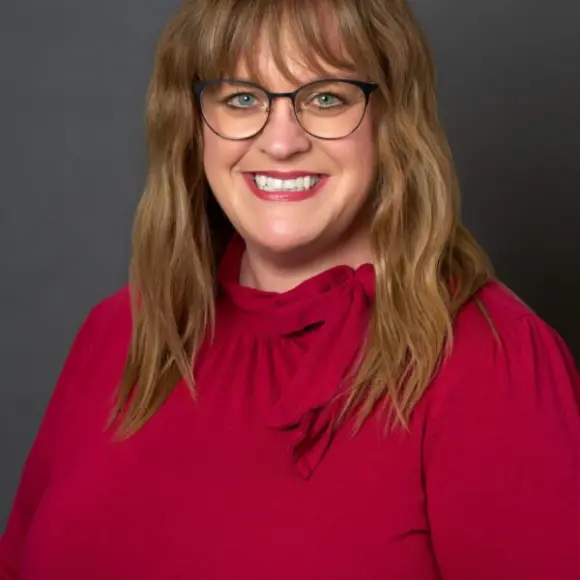
Medical Provider
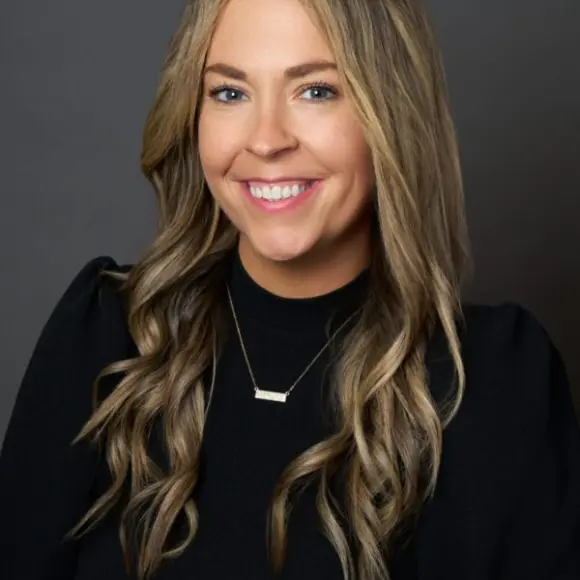
Director of Admissions
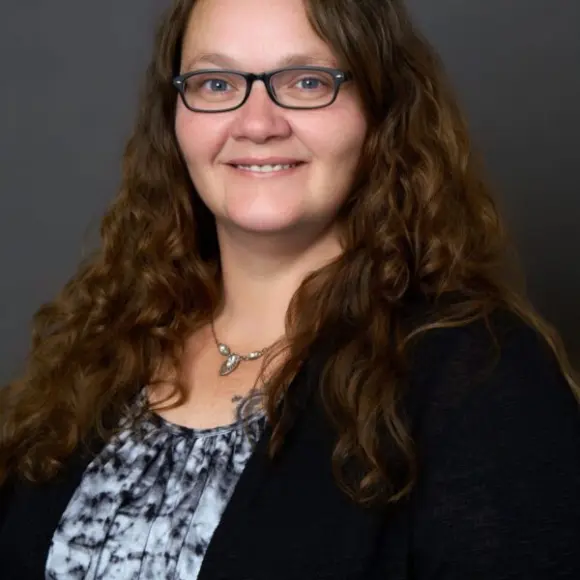
Clinical Director
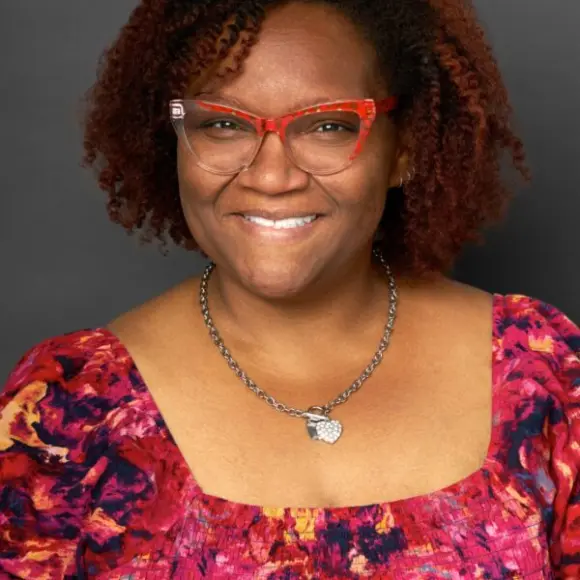
Director of Nursing
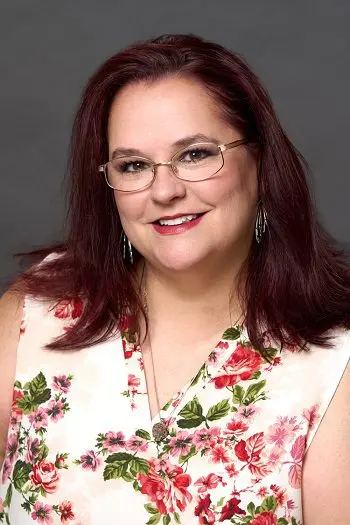
Director of Human Resources & Business Office Manager
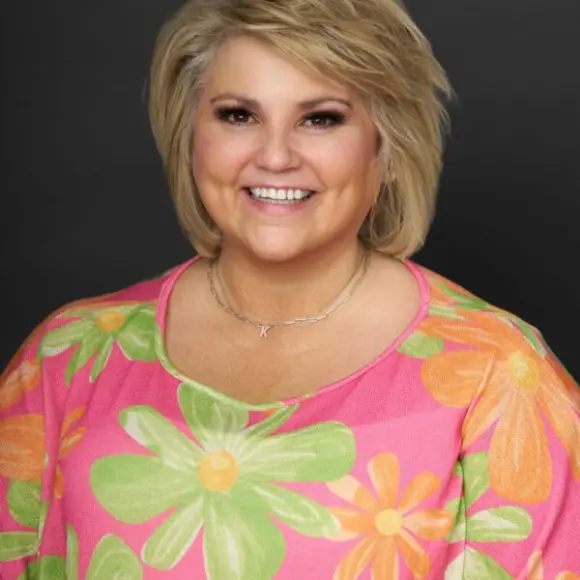
Outpatient Program Coordinator
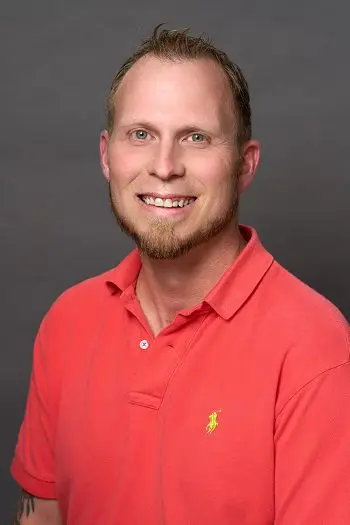
Facility Manager

The Commission on Accreditation of Rehabilitation Facilities (CARF) is a non-profit organization that specifically accredits rehab organizations. Founded in 1966, CARF's, mission is to help service providers like rehab facilities maintain high standards of care.
CARF Accreditation: Yes

LegitScript has reviewed Bel Aire Recovery Center as part of their certification program, and has determined that it meets the LegitScript standards for legality, safety and transparency.
LegitScript verified in

The Joint Commission, formerly known as JCAHO, is a nonprofit organization that accredits rehab organizations and programs. Founded in 1951, the Joint Commision's mission is to improve the quality of patient care and demonstrating the quality of patient care.
Joint Commission Accreditation: Yes
Rehab.com regularly reviews this listing for accuracy but changes may occur between updates. For the most up-to-date information, please contact Bel Aire Recovery Center.

4969 Tierra Lakes Pkwy
Bel Aire, KS 67226
Sponsored Helpline

my Boyfriend went here and he was very successful and still is...he credits the amazing experience he had at bel aire and he completed outpatient with them as well...all around he has gained happiness and peace and we have a great life now and i do recommend!!! 💜 edit: still doing great...has over a year clean now! thanks BelAire!!! 🩵💙🤍

((( I commend those of you that got on here and admitted you went to treatment to the entire world. I think it shows you care about other people more than yourself. I know I have to keep that shlt in check))) .......... Swallow your Pride, and Call for help if you truly want to save your life. You have to make this decision on your own. Then, from now on, you'll never be again alone.. You will learn knowledge from this facility that will help you not just Defend against whatever addiction is destroying you. The Staff, Counselors, and CEO at Bel Aire are awesome and truly care about people.. They have given me a better quality of life. I'm happy for the first time, in a long time.. it was BitterSweet seeing somebody stumble in those doors on the brink of death, and then watching them come to life usually within a couple days. i was only there 16 days and I saw it over and over again .. " and Please read at least the first 164 pages of AA's Big Book even if drinking wasn't your vise/chain/thing"

Deciding to seek rehabilitation at Bel Aire was one of the most beneficial decisions I have made. Regrettably, my journey has not been a one and done. I am fortunate that each subsequent visit has been met with unwavering support and a lack of judgment regarding my ongoing need for assistance. The staff is exceptionally welcoming and dedicated to providing comprehensive care to their clients. Additionally, they actively engage clients in various recreational activities to foster a positive and stimulating environment. The weekend schedule offers a diverse range of enjoyable pursuits to keep clients occupied. Furthermore, the classes consistently demonstrated a high level of informativeness and productivity.

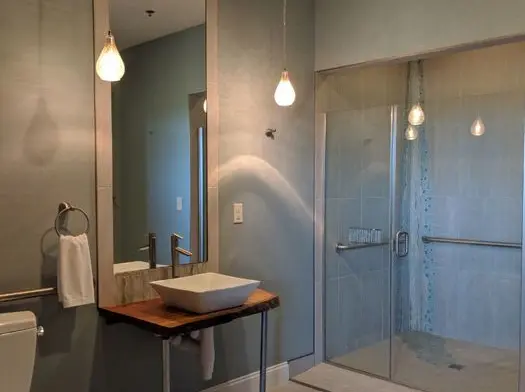
I recommend Bel Aire to anyone looking for recovery from addiction. Very clean place, high quality care provided by staff who truly care. Great atmosphere & good food.
 Back
Back
Sharing your insights and experiences can help others learn more about this rehab center.
 Written By: Eric Owens