






























































































I Called Them And They Showed Up On Force! Great People. 5 STARS ALL THE WAY! I Gad A U-Haul To Load and My Hips Were Just Replaced, And I Can't Walk Very Far, So i Called These Angels, They Came With Glad Hearts And Helped Me!
About Brunswick Christian Recovery Center
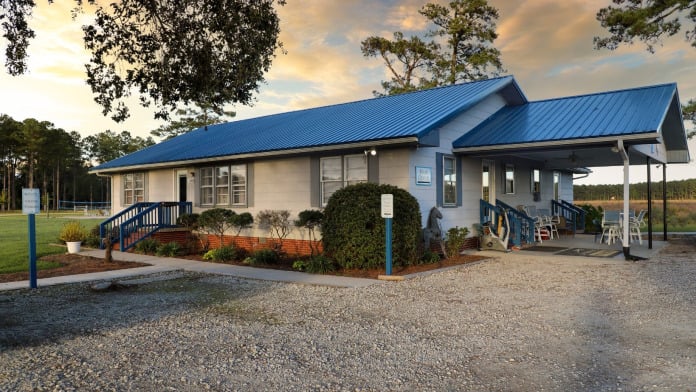
Brunswick Christian Recovery Center is a free, faith-based recovery program offering residential treatment in Shallotte, North Carolina, serving adults and young adults with substance use disorders. With over 1.3 million North Carolinians living with a substance use disorder, access to no-cost care is critical, and Brunswick Christian Recovery Center removes the financial barrier entirely through a model funded by donations and community enterprise. The Shallotte men’s campus holds 102 beds and operates as part of the Christian Recovery Centers network.
Faith-Based, 12-Step Residential Treatment
Brunswick Christian Recovery Center’s inpatient rehab program runs 5 to 7 months and integrates biblical principles, the 12 steps of Alcoholics Anonymous, and individual and group therapy. Residents participate in fellowship, worship, and structured daily routines grounded in a Christ-centered approach. Experiential therapy is also part of the clinical model, helping residents process underlying experiences alongside their spiritual recovery work.
Applicants must be fully detoxed from all substances before admission, as the program does not provide on-site medical detox. Admission begins with a 15 to 20-minute phone interview or an online application through the facility’s website.
Life Skills and Re-Entry Support
Brunswick Christian Recovery Center pairs its recovery curriculum with practical preparation for life after treatment. Residents receive job skills training, financial literacy education, and employment counseling to build a stable foundation for sustained sobriety. Aftercare planning, peer mentoring, and outcome follow-up continue after discharge to support the transition back into the community.
Location and Admission
Brunswick Christian Recovery Center is located at 520 Mulberry Street in Shallotte, North Carolina, where people seeking addiction treatment in Shallotte can find no-cost residential care. No insurance is required. A women’s residential program is available through the Rose House campus in Calabash. Contact the facility directly to begin the admissions process or learn about bed availability.
Latest Reviews
A Truly Grateful Thank You
I cannot say enough good things about the men from the Local Christian Recovery Center who came to help me move this weekend.
Five men showed up on time, incredibly polite, respectful, and ready to work—and then proceeded to work their absolute butts off in nearly 100-degree heat. They carried all of my heavy furniture up two flights of stairs without complaining once.
But what impacted me most wasn’t just the physical work they did. It was the attitude and character they brought with them.
Moving is stressful under the best circumstances and doing it as a single mom while trying to get my kids and our lives settled into a new place felt overwhelming in the days leading up to this but having these guys show up and simply say, “We’ve got it,” meant more to me than they probably realize.
Their kindness, work ethic, patience, and willingness to serve were such a beautiful reflection of what can happen when people are given an opportunity to rebuild their lives and choose to use that experience to help someone else.
I am incredibly grateful to every one of them. They didn’t just help me move furniture—they helped make a really big, exhausting day feel a whole lot lighter. ❤️
If you’re looking for an organization to support, please consider supporting the Christian Recovery Center. I’ve seen firsthand the kind of men they are helping build and I can tell you that the impact goes far beyond the people directly in their program. It reaches families, homes, and the entire community.
Thank you gentlemen, for showing up, working hard and serving with such humility. You made a difference in my life this weekend and I won’t forget it. 🙏🏼❤️ - Sincerely Jenn Castronova
This is exactly what this program is about — men rebuilding their own lives by choosing to pour into others. Moving as a single mom is no small thing, and we're so glad they could lighten that load for you.
We'll be sure to share your words with the men who were there. And thank you for encouraging others to support this work.
Wishing you and your kids all the best as you get settled into your new home. 🙏
Response from the owner5 days ago
Thank you so much, Jenn, for these kind words. ❤️This is exactly what this program is about — men rebuilding their own lives by choosing to pour into others. Moving as a single mom is no small thing, and we're so glad they could lighten that load for you.
We'll be sure to share your words with the men who were there. And thank you for encouraging others to support this work.
Wishing you and your kids all the best as you get settled into your new home. 🙏
I want to thank Carl and his team of men who recently came out to our house and did a great job of cutting, ,cleaning ,blowing and then removing all the leaves ,sticks and debris from our property . I had recently gotten out of the hospital and could no longer do the physical work and my 90 year old mother was still recovering from a broken femur so I reached out to CRCI and I believe within a few weeks my request's were honored and we are very grateful! Carl was the best, he was the leader of the crew and they were all so nice and polite! God Bless
Response from the owner5 days ago
We're so grateful you reached out to us, Stacey! It's heartwarming to know Carl and the team could step in during such a challenging time for your family. Your kind words truly lift our spirits. We wish you and your mother all the best on the road to recovery!
First impressions do matter!Someone answered the phone and asked .. “What can I do for you?’’That one question put this mom at ease immediately.I had a crisis and I was met with patience, compassion and a plan.Sometimes all it takes are a few kind words from a stranger .His name is Patrick and it shaped how I would see him going forward.I know that God placed him in my path of uncertainty and he delivered.I know without a doubt after spending his day assisting my family that he has a genuine desire to help and a servants mindset.I am so glad he answered my phone and will be a part of my sons journey to regaining his life..Thank you CRCI staff for making an awkward day doable.I wnt soon forget your kindness.
Response from the owner5 days ago
We're incredibly grateful for your heartfelt words, Jamie! It warms our hearts to hear that Patrick and our team could offer support and comfort during a tough time. Your appreciation means the world to us. Please feel free to reach out anytime you need us. 
Rehab Score
 Our Methodology
Scoring is assigned by a proprietary system which helps surface key metrics that determine quality. The 10-point scale factors in categories such as operations, customer satisfaction, and trust metrics. Read Full Methodology

7.1 / 10
Gallery
Other Forms of Payment
Self-pay involves paying for treatment out of your own pocket. You can use savings or credit, get a personal loan, or receive help from family and friends to fund your treatment. If you don't have insurance or your insurance plan doesn't cover a specific program, self-pay can help ensure you still get the care you need.
 Free
FreeAddiction Treatments
Levels of Care
They pray, worship and study together. They devote much time to the Biblical principles of a Christ centered life and the 12 steps. This is the best approach to avoid relapse. BCRC enhances the experience by emphasizing the necessity for moral inventory, confession of shortcomings, restitution for harm done, service to others and putting God first every day. Of all residents on campus at any given point in time, virtually all accept Jesus Christ as their Savior.
12-step programs are addiction recovery models based on Alcoholics Anonymous (AA). A number of substance abuse programs (including some drug and alcohol rehab centers) use the 12 steps as a basis for treatment. Beginning steps involve admitting powerlessness over the addiction and creating a spiritual basis for recovery. Middle steps including making direct amends to those who've been hurt by the addiction, and the final step is to assist others in addiction recovery in the same way. 12-Step offshoots including Narcotics Anonymous (NA), Cocaine Anonymous (CA), Dual Recovery Anonymous (DRA), Sex & Love Addicts Anonymous (SLAA) and Gamblers Anonymous (GA).
Completing a drug or alcohol rehab program shouldn't spell the end of substance abuse treatment. Aftercare involves making a sustainable plan for recovery, including ongoing support. This can include sober living arrangements like halfway houses, career counseling, and setting a patient up with community programs like Alcoholics Anonymous (AA) or Narcotics Anonymous (NA).
Treatments
The goal of treatment for alcoholism is abstinence. Those with poor social support, poor motivation, or psychiatric disorders tend to relapse within a few years of treatment. For these people, success is measured by longer periods of abstinence, reduced use of alcohol, better health, and improved social functioning. Recovery and Maintenance are usually based on 12 step programs and AA meetings.
There are many types of drug rehab in North Carolina. To receive treatment for addiction, you can choose from many inpatient and outpatient programs. Often, participants start with detox and work through a full continuum of care that continues with ongoing support for long-term recovery.
Many of those suffering from addiction also suffer from mental or emotional illnesses like schizophrenia, bipolar disorder, depression, or anxiety disorders. Rehab and other substance abuse facilities treating those with a dual diagnosis or co-occurring disorder administer psychiatric treatment to address the person's mental health issue in addition to drug and alcohol rehabilitation.
Opioid rehabs specialize in supporting those recovering from opioid addiction. They treat those suffering from addiction to illegal opioids like heroin, as well as prescription drugs like oxycodone. These centers typically combine both physical as well as mental and emotional support to help stop addiction. Physical support often includes medical detox and subsequent medical support (including medication), and mental support includes in-depth therapy to address the underlying causes of addiction.
Substance rehabs focus on helping individuals recover from substance abuse, including alcohol and drug addiction (both illegal and prescription drugs). They often include the opportunity to engage in both individual as well as group therapy.
Programs
Adult rehab programs include therapies tailored to each client's specific needs, goals, and recovery progress. They are tailored to the specific challenges adult clients may face, including family and work pressures and commitments. From inpatient and residential treatment to various levels of outpatient services, there are many options available. Some facilities also help adults work through co-occurring conditions, like anxiety, that can accompany addiction.
Young adulthood can be an exciting, yet difficult, time of transition. Individuals in their late teens to mid-20s face unique stressors related to school, jobs, families, and social circles, which can lead to a rise in substance use. Rehab centers with dedicated young adult programs will include activities and amenities that cater to this age group, with an emphasis on specialized counseling, peer socialization, and ongoing aftercare.
Clinical Services
Experiential therapy is a form of therapy in which clients are encouraged to surface and work through subconscious issues by engaging in real-time experiences. Experiential therapy departs from traditional talk therapy by involving the body, and having clients engage in activities, movements, and physical and emotional expression. This can involve role-play or using props (which can include other people). Experiential therapy can help people process trauma, memories, and emotion quickly, deeply, and in a lasting fashion, leading to substantial and impactful healing.
Group therapy is any therapeutic work that happens in a group (not one-on-one). There are a number of different group therapy modalities, including support groups, experiential therapy, psycho-education, and more. Group therapy involves treatment as well as processing interaction between group members.
In individual therapy, a patient meets one-on-one with a trained psychologist or counselor. Therapy is a pivotal part of effective substance abuse treatment, as it often covers root causes of addiction, including challenges faced by the patient in their social, family, and work/school life.
Life skills trainings involve all the skills a person must have in order to function successfully in the world. These include time management, career guidance, money management, and effective communication. Truly successful addiction recovery is based on the ability to not only live substance-free, but to thrive. Life skills teaches the practical necessities of functioning in society, which sets clients up for success in life, and therefore sobriety.
Amenities
-
 Private Setting
Staff
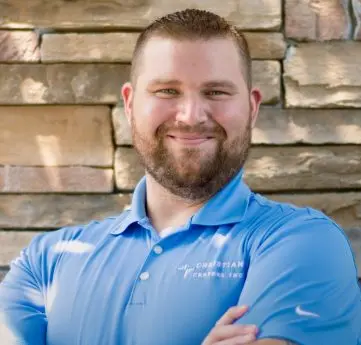
Joshua Torbich, MA, CPSS
Executive Director
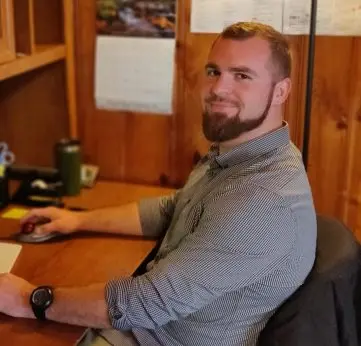
Tyler Smith, CPSS
Chief Operating Officer
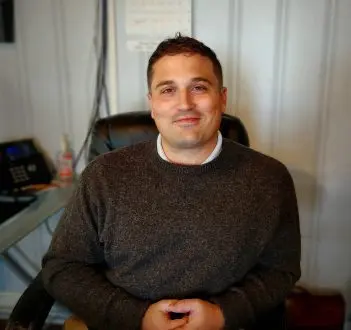
Taylor Murphy
Development Manager
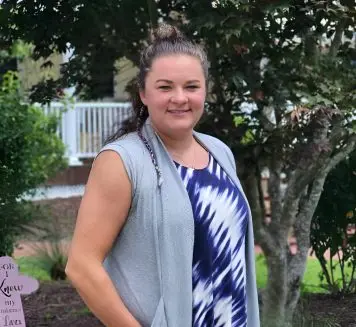
Jessica White
Community Relations Specialist
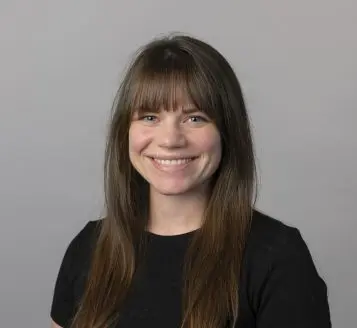
Kaci Torbich
Brand Manager
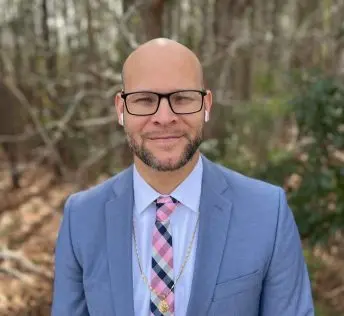
Dwane Richardson
Executive Assistant
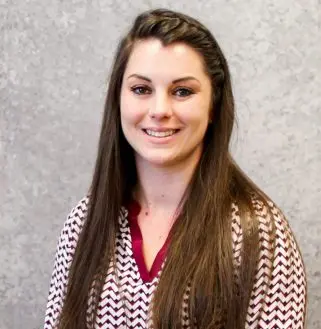
Ashley Kidwell
Director of Operations
Rehab.com regularly reviews this listing for accuracy but changes may occur between updates. For the most up-to-date information, please contact Brunswick Christian Recovery Center.
Contact Information

520 Mulberry Street
Shallotte, NC 28470
Get Help Now - 984-266-0532
Sponsored Helpline
Sponsored Helpline



