






























































































Not good. They do not help people that call on the phone and say I need help and would like to come in. I have donated to Catholic Charities but when a phone call from a person in need results in we don't take people who call for themselves I realize my donations are waste ...
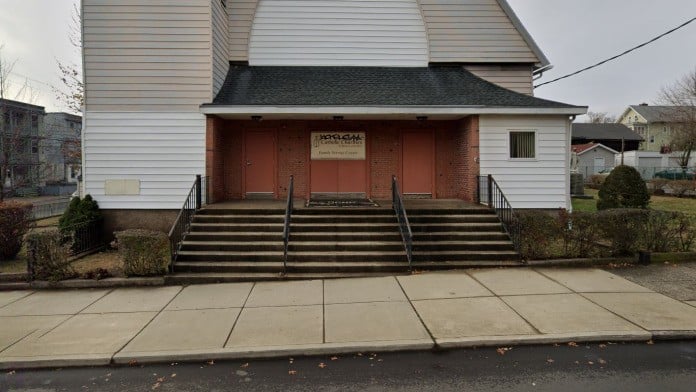
About Catholic Charities – Family Service Center
Catholic Charities – Family Service Center, located in New Haven, Connecticut is a non-profit alcohol and drug rehab that offers treatment for a variety of substance abuse addictions including alcoholism, co-occurring mental health disorders, and opiate addiction. They offer supervised medical treatment to safely manage withdrawal symptoms during detoxification, residential care providing long term support for addiction recovery, as well as flexible outpatient addiction therapy allowing patients to live at home while receiving regular treatment. Additional levels of care offered include intensive outpatient, relapse prevention, and recovery housing.
Specialty rehab programs at Catholic Charities – Family Service Center include tailored care focusing on women's specific needs and experiences, gender-specific addiction treatment addressing unique challenges faced by men, and age-appropriate treatment for teens addressing adolescent-specific issues.
Patients at Catholic Charities – Family Service Center will find the residential setting creates an immersive environment promoting full engagement in recovery away from daily triggers and the private rooms that give personal space for reflection and undisturbed rest during treatment. For recreation, patients can express themselves creatively with art activities.
Latest Reviews

Rehab Score
 Our Methodology
Scoring is assigned by a proprietary system which helps surface key metrics that determine quality. The 10-point scale factors in categories such as operations, customer satisfaction, and trust metrics. Read Full Methodology

5.6 / 10
Gallery
Other Forms of Payment
Private insurance refers to any kind of healthcare coverage that isn't from the state or federal government. This includes individual and family plans offered by an employer or purchased from the Insurance Marketplace. Every plan will have different requirements and out of pocket costs so be sure to get the full details before you start treatment.
Self-pay involves paying for treatment out of your own pocket. You can use savings or credit, get a personal loan, or receive help from family and friends to fund your treatment. If you don't have insurance or your insurance plan doesn't cover a specific program, self-pay can help ensure you still get the care you need.
Financial aid can take many forms. Centers may have grants or scholarships available to clients who meet eligibility requirements. Programs that receive SAMHSA grants may have financial aid available for those who need treatment as well. Grants and scholarships can help you pai for treatment without having to repay.
Sliding scale payments are based on a client's income and family size. The goal is to make treatment affordable to everyone. By taking these factors into account, addiction recovery care providers help ensure that your treatment does not become a financial burden to you or your family, eliminating one barrier to care.
Medicare is a federal program that provides health insurance for those 65 and older. It also serves people under 65 with chronic and disabling health challenges. To use Medicare for addiction treatment you need to find a program that accepts Medicare and is in network with your plan. Out of pocket costs and preauthorization requirements vary, so always check with your provider.
Medicaid is a state based program that helps lower-income individuals and families pay for healthcare. Medicaid covers addiction treatment so those enrolled can use their coverage to pay for rehab. When a program accepts Medicaid the client often pays very little or nothing out of their own pocket.
 Free
FreeAddiction Treatments
Levels of Care
Outpatient Programs (OP) are for those seeking mental rehab or drug rehab, but who also stay at home every night. The main difference between outpatient treatment (OP) and intensive outpatient treatment (IOP) lies in the amount of hours the patient spends at the facility. Most of the time an outpatient program is designed for someone who has completed an inpatient stay and is looking to continue their growth in recovery. Outpatient is not meant to be the starting point, it is commonly referred to as aftercare.
Inpatient rehab offers intensive treatment for clients who are transitioning out of detox, in early recovery, and at risk of relapse. Housing and meals are provided, and most facilities offer round-the-clock clinical care. Clients engage in multiple counseling and therapy sessions each week, along with extensive recovery-focused life skills training. Many inpatient drug rehab programs include evidence-based complementary therapies, such as meditation, massage, creative arts therapy, nutrition therapy, and experiential therapy.
Intensive Outpatient Programs (IOP) are for those who want or need a very structured treatment program but who also wish to live at home and continue with certain responsibilities (such as work or school). IOP substance abuse treatment programs vary in duration and intensity, and certain outpatient rehab centers will offer individualized treatment programs.
Rehab aftercare programs promote clients' long-term sobriety through a suite of services designed to provide a complete continuum of care. Drug rehab aftercare typically begins as soon as patients exit inpatient care and often includes formal outpatient treatment. Clients who no longer require outpatient counseling, education, or other treatment generally continue to receive rehab aftercare services, such as peer coaching, career counseling, or 12 step program induction. Clients typically develop their program in collaboration with their case manager.
The goal of a sober living home in Connecticut is to allow individuals in recovery to ease back into normal life and slowly take on traditional responsibilities and tasks. Residents of men's and women's sober living can mostly come and go as they please, but they do have to abide by house rules, which may include a curfew. Other structure includes group meeting attendance, chores, and maintaining a job.
Intervention services can be crucial to successfully plan and complete a drug intervention in Connecticut. A professional interventionist can walk loved ones through the careful step-by-step process of carrying out an intervention. This process may be necessary if an individual is causing physical harm to themselves or others, when it is apparent that they aren't going to get help, or when they deny they have a problem at all.
At times during the addiction treatment process, medical professionals must provide 24-hour clinical care in Connecticut. The processes are medically supervised due to the potential dangers of withdrawal symptoms. Staff often prescribe medications to manage these symptoms and curb cravings.
Typically seen as a first step in the recovery process, medically assisted detox generally takes place in an inpatient setting under the 24/7 supervision of licensed medical professionals. It is considered the safest way to remove addictive drugs from your body. The length of a medical detox program is individualized, but it often takes around 5-7 days.
Treatments
The goal of treatment for alcoholism is abstinence. Those with poor social support, poor motivation, or psychiatric disorders tend to relapse within a few years of treatment. For these people, success is measured by longer periods of abstinence, reduced use of alcohol, better health, and improved social functioning. Recovery and Maintenance are usually based on 12 step programs and AA meetings.
Drug rehab in Connecticut provides the professional support that is often necessary to break free from drug dependency. With proper treatment, individuals can make changes that restore balance and health to their lives and achieve long-term recovery.
Many of those suffering from addiction also suffer from mental or emotional illnesses like schizophrenia, bipolar disorder, depression, or anxiety disorders. Rehab and other substance abuse facilities treating those with a dual diagnosis or co-occurring disorder administer psychiatric treatment to address the person's mental health issue in addition to drug and alcohol rehabilitation.
A combined mental health and substance abuse rehab has the staff and resources available to handle individuals with both mental health and substance abuse issues. It can be challenging to determine where a specific symptom stems from (a mental health issue or an issue related to substance abuse), so mental health and substance abuse professionals are helpful in detangling symptoms and keeping treatment on track.
Opioid rehabs specialize in supporting those recovering from opioid addiction. They treat those suffering from addiction to illegal opioids like heroin, as well as prescription drugs like oxycodone. These centers typically combine both physical as well as mental and emotional support to help stop addiction. Physical support often includes medical detox and subsequent medical support (including medication), and mental support includes in-depth therapy to address the underlying causes of addiction.
In Connecticut you'll find a range of substance abuse rehabs providing effective and individualized care, which dramatically increases long-term recovery outcomes. These programs include various levels of care, including inpatient, medically assisted detox, and partial hospitalization programs. You'll receive a comprehensive assessment and individualized treatment plan, to determine the appropriate level of care and evidence-based interventions. You can expect individual and group therapy, skills classes, and relapse prevention training.
Programs
Adult rehab programs include therapies tailored to each client's specific needs, goals, and recovery progress. They are tailored to the specific challenges adult clients may face, including family and work pressures and commitments. From inpatient and residential treatment to various levels of outpatient services, there are many options available. Some facilities also help adults work through co-occurring conditions, like anxiety, that can accompany addiction.
Young adulthood can be an exciting, yet difficult, time of transition. Individuals in their late teens to mid-20s face unique stressors related to school, jobs, families, and social circles, which can lead to a rise in substance use. Rehab centers with dedicated young adult programs will include activities and amenities that cater to this age group, with an emphasis on specialized counseling, peer socialization, and ongoing aftercare.
Clinical Services
According to cognitive behavioral therapy in Connecticut, individuals can change their behaviors by changing their thoughts. Applied to substance use disorder, this can be an effective treatment method to help patients transform their thoughts and lives.
Group therapy is any therapeutic work that happens in a group (not one-on-one). There are a number of different group therapy modalities, including support groups, experiential therapy, psycho-education, and more. Group therapy involves treatment as well as processing interaction between group members.
In individual therapy, a patient meets one-on-one with a trained psychologist or counselor. Therapy is a pivotal part of effective substance abuse treatment, as it often covers root causes of addiction, including challenges faced by the patient in their social, family, and work/school life.
Research clearly demonstrates that recovery is far more successful and sustainable when loved ones like family members participate in rehab and substance abuse treatment. Genetic factors may be at play when it comes to drug and alcohol addiction, as well as mental health issues. Family dynamics often play a critical role in addiction triggers, and if properly educated, family members can be a strong source of support when it comes to rehabilitation.
During rehab treatment, you and your therapist will identify any life skills that you need to develop. Your treatment will include methods to strengthen those skills so you can have a successful long term recovery. These skills include thinking skills, self awareness, and interpersonal skills.
Many forms of creative arts therapy in Connecticut are available to help you work through life's challenges. Options include listening to music, writing poetry, drama, drawing, and dancing. You can engage in this type of therapy on an individual or group basis.
Clients participating in dialectical behavior therapy in Connecticut can expect to attend weekly skills focused group meetings as well as one on one sessions with the therapist. Individual sessions usually last one hour, and groups, made up of four to 10 people, last 1.5 to 2 hours. The focus is to help clients accept situations, recognize emotions, and acknowledge the need for change.
Amenities
-
 Residential Setting
 -
 Private Rooms
Staff
Marek K. Kukulka
Chief Executive Officer
Brian Zebrowski
Chief Financial Officer
Liz Bryden
Chief of Operations
Deborah Archambault
Director of Human Resources
David Sellery
Senior Director of Fund Development
Jennifer Caraballo-Mendez
Senior Director of Early Childhood Programs
Andrea Swenson
Senior Director of Behavioral Health
Scott Griffin
Director of Communications and Public Relations
Rehab.com regularly reviews this listing for accuracy but changes may occur between updates. For the most up-to-date information, please contact Catholic Charities – Family Service Center.
Contact Information

501 Lombard Street
New Haven CT, 06513
Get Help Now - 860-264-6018
Sponsored Helpline
Sponsored Helpline


