





























































































About ADAPPT
ADAPPT is a residential reentry program for men in Reading, Pennsylvania, providing addiction treatment to formerly incarcerated men referred through the criminal justice system. Operated by GEO Reentry Services, the program delivers inpatient chemical dependency treatment alongside life readiness training, cognitive behavioral therapy, and structured community reintegration support. Services run seven days a week, offering a consistent, accountable environment for recovery.
To receive services at ADAPPT, participants must be referred by either the Pennsylvania Department of Corrections or the Pennsylvania Board of Probation and Parole. The program provides male-specific treatment tailored to the challenges of recovery during parole or probation, with personalized treatment plans developed after an initial assessment.
Reentry Programming and Life Skills
ADAPPT combines substance abuse programming, individual and group counseling, educational assistance, and vocational support to prepare participants for long-term independence. Rational Emotive Behavioral Therapy (REBT) and cognitive behavioral therapy (CBT) address the thought patterns and behaviors that contribute to substance use and criminal recidivism. Co-occurring mental health concerns are also addressed within the program.
Case management connects residents with community resources and social services, including outpatient addiction treatment when needed. Anger management and domestic violence programming round out the clinical offerings, giving participants a broad foundation for sustainable reentry.
Giving Back to the Community
As part of treatment at ADAPPT, participants take on structured community service projects throughout Reading, Pennsylvania. Through annual events like the Great American Cleanup and partnerships with local organizations, residents build confidence, work ethic, and positive community ties. Past projects have included lawn care, automotive detailing, food service for unhoused residents, and church volunteer work.
As an addiction re-entry program, ADAPPT is designed to reduce recidivism by giving participants the practical skills, social connections, and recovery support they need before returning to independent living.
Lasting Impacts Among Clients and Their Families
Past clients have appreciated the compassionate care they received at ADAPPT. They have felt respected despite past experiences that led to their current challenges. One client’s family shared, “All you have to do is treat them like a human being, just how you’d like to be treated. So ADAPPT, thank you so much for treating my husband and family with respect.”
Location and Payment
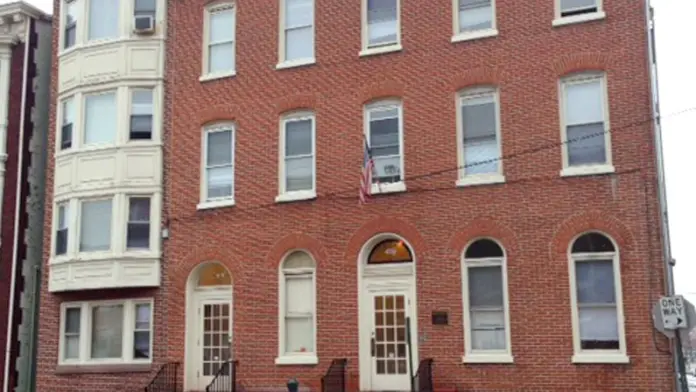
ADAPPT is located at 428 Walnut Street in Reading, Pennsylvania, near City Park and the Schuylkill River. The program accepts Medicaid, Medicare, and self-pay options, and is funded through the Pennsylvania Department of Corrections for eligible participants.

Rehab Score
 Our Methodology


Gallery
Other Forms of Payment
Self-pay involves paying for treatment out of your own pocket. You can use savings or credit, get a personal loan, or receive help from family and friends to fund your treatment. If you don't have insurance or your insurance plan doesn't cover a specific program, self-pay can help ensure you still get the care you need.
Medicare is a federal program that provides health insurance for those 65 and older. It also serves people under 65 with chronic and disabling health challenges. To use Medicare for addiction treatment you need to find a program that accepts Medicare and is in network with your plan. Out of pocket costs and preauthorization requirements vary, so always check with your provider.
Medicaid is a state based program that helps lower-income individuals and families pay for healthcare. Medicaid covers addiction treatment so those enrolled can use their coverage to pay for rehab. When a program accepts Medicaid the client often pays very little or nothing out of their own pocket.
Addiction Treatments
Levels of Care
Outpatient Programs (OP) are for those seeking mental rehab or drug rehab, but who also stay at home every night. The main difference between outpatient treatment (OP) and intensive outpatient treatment (IOP) lies in the amount of hours the patient spends at the facility. Most of the time an outpatient program is designed for someone who has completed an inpatient stay and is looking to continue their growth in recovery. Outpatient is not meant to be the starting point, it is commonly referred to as aftercare.
Residential treatment programs are those that offer housing and meals in addition to substance abuse treatment. Rehab facilities that offer residential treatment allow patients to focus solely on recovery, in an environment totally separate from their lives. Some rehab centers specialize in short-term residential treatment (a few days to a week or two), while others solely provide treatment on a long-term basis (several weeks to months). Some offer both, and tailor treatment to the patient's individual requirements.
Completing a drug or alcohol rehab program shouldn't spell the end of substance abuse treatment. Aftercare involves making a sustainable plan for recovery, including ongoing support. This can include sober living arrangements like halfway houses, career counseling, and setting a patient up with community programs like Alcoholics Anonymous (AA) or Narcotics Anonymous (NA).
Treatments
The goal of treatment for alcoholism is abstinence. Those with poor social support, poor motivation, or psychiatric disorders tend to relapse within a few years of treatment. For these people, success is measured by longer periods of abstinence, reduced use of alcohol, better health, and improved social functioning. Recovery and Maintenance are usually based on 12 step programs and AA meetings.
Drug rehab in Pennsylvania is devoted to the treatment of addiction. Levels of care, treatment methods, and settings differ, but the aim of each program is to end drug dependency and empower participants to achieve long-term recovery.
A combined mental health and substance abuse rehab has the staff and resources available to handle individuals with both mental health and substance abuse issues. It can be challenging to determine where a specific symptom stems from (a mental health issue or an issue related to substance abuse), so mental health and substance abuse professionals are helpful in detangling symptoms and keeping treatment on track.
Opioid rehabs specialize in supporting those recovering from opioid addiction. They treat those suffering from addiction to illegal opioids like heroin, as well as prescription drugs like oxycodone. These centers typically combine both physical as well as mental and emotional support to help stop addiction. Physical support often includes medical detox and subsequent medical support (including medication), and mental support includes in-depth therapy to address the underlying causes of addiction.
Programs
Adult rehab programs include therapies tailored to each client's specific needs, goals, and recovery progress. They are tailored to the specific challenges adult clients may face, including family and work pressures and commitments. From inpatient and residential treatment to various levels of outpatient services, there are many options available. Some facilities also help adults work through co-occurring conditions, like anxiety, that can accompany addiction.
Young adulthood can be an exciting, yet difficult, time of transition. Individuals in their late teens to mid-20s face unique stressors related to school, jobs, families, and social circles, which can lead to a rise in substance use. Rehab centers with dedicated young adult programs will include activities and amenities that cater to this age group, with an emphasis on specialized counseling, peer socialization, and ongoing aftercare.
Clinical Services
Research clearly demonstrates that recovery is far more successful and sustainable when loved ones like family members participate in rehab and substance abuse treatment. Genetic factors may be at play when it comes to drug and alcohol addiction, as well as mental health issues. Family dynamics often play a critical role in addiction triggers, and if properly educated, family members can be a strong source of support when it comes to rehabilitation.
Group therapy is any therapeutic work that happens in a group (not one-on-one). There are a number of different group therapy modalities, including support groups, experiential therapy, psycho-education, and more. Group therapy involves treatment as well as processing interaction between group members.
In individual therapy, a patient meets one-on-one with a trained psychologist or counselor. Therapy is a pivotal part of effective substance abuse treatment, as it often covers root causes of addiction, including challenges faced by the patient in their social, family, and work/school life.
Rational Behavior Therapy (RBT) is a form of cognitive behavioral therapy meant to be short-term and comprehensive. It was intended to help clients become more self-sufficent and move forward without the need for expensive, ongoing therapy. It includes an emotional self-help method called “rational self-counseling,” the purpose of which is to give clients all the skills needed to handle future emotional issues by themselves, or with significantly less professional help.
Amenities
-
 Private Setting
Staff & Accreditations
Staff
George C. Zoley
Executive Chairman of the BOD
Terry Mayotte
Lead Independent Director; Chair, Audit & Finance Committee; Chair, Nominating & Corporate Governance Committee; Chair, Compensation Committee
Thomas C. Bartzokis, MD, FACC
Independent Director; Chair, Health Services Committee
Jack Brewer
Independent Director; Chair, Criminal Justice and Rehabilitation Committee
Donna A. Kauranen
Independent Director
Scott M. Kernan
Independent Director; Chair, Operations and Oversight Committee
Lindsay L. Koren
Independent Director; Chair, Human Rights Committee; Chair, Legal Steering Committee
Andrew N. Shapiro
Independent Director; Chair, Corporate Planning Committee
Julie M. Wood
Independent Director; Chair, Cyber Security and Environmental Oversight Committee
Accreditations

State Licenses are permits issued by government agencies that allow rehab organizations to conduct business legally within a certain geographical area. Typically, the kind of program a rehab facility offers, along with its physical location, determines which licenses are required to operate legally.
State License: Pennsylvania
Rehab.com regularly reviews this listing for accuracy but changes may occur between updates. For the most up-to-date information, please contact ADAPPT.
Contact Information


428 Walnut Street
Reading, PA 19601
Sponsored Helpline

