





























































































About Cirrus House, Inc
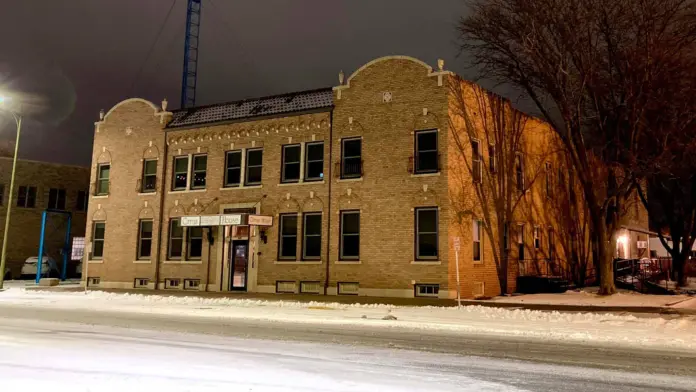
Known for its serene natural beauty and countless outdoor activities Scottsbluff, Nebraska is also the home of Cirrus House Inc. Since 1984, this CARF accredited organization has offered outpatient mental health and substance abuse services for adults and adolescents through the Clubhouse.
Their programs provide multiple proven interventions to reach your recovery goals. You can access mental health and substance use as well as co occurring disorder evaluations to understand the best level of care and treatment approach for your situation.
You’ll then receive a personalized treatment plan with your needs at the forefront. They offer therapy and 12 Step groups along with psychoeducational approaches and several specialized programs for people facing homelessness, those in the criminal justice system, adolescents, and more.
What stands out most to me is their diverse team. You can access care from clinicians with special training in cultural diversity and racial issues as well as marginalized community care, LGBTQIA+ care, and more. I think this is wonderful because you’ll have a welcoming space to feel comfortable opening up. You’ll receive tailored care that accounts for your unique needs from professionals who understand your situation.
Another incredible feature that caught my eye was their PATH services. The PATH program welcomes people with serious mental conditions or co occurring disorders who are also experiencing homelessness or housing insecurity. Along with mental health and addiction treatment they provide many support services to help you get your life back on track. You’ll benefit from case management and resource referrals along with housing services and more.
Lastly I think their employment services look great. They understand that essential elements like financial security play a role in sustaining recovery. You can access transitional employment, vocational rehabilitation and supported employment to find and maintain a career.
Latest Reviews



Rehab Score
 Our Methodology


Gallery
Other Forms of Payment
Private insurance refers to any kind of healthcare coverage that isn't from the state or federal government. This includes individual and family plans offered by an employer or purchased from the Insurance Marketplace. Every plan will have different requirements and out of pocket costs so be sure to get the full details before you start treatment.
Self-pay involves paying for treatment out of your own pocket. You can use savings or credit, get a personal loan, or receive help from family and friends to fund your treatment. If you don't have insurance or your insurance plan doesn't cover a specific program, self-pay can help ensure you still get the care you need.
Sliding scale payments are based on a client's income and family size. The goal is to make treatment affordable to everyone. By taking these factors into account, addiction recovery care providers help ensure that your treatment does not become a financial burden to you or your family, eliminating one barrier to care.
Medicaid is a state based program that helps lower-income individuals and families pay for healthcare. Medicaid covers addiction treatment so those enrolled can use their coverage to pay for rehab. When a program accepts Medicaid the client often pays very little or nothing out of their own pocket.
Medicare is a federal program that provides health insurance for those 65 and older. It also serves people under 65 with chronic and disabling health challenges. To use Medicare for addiction treatment you need to find a program that accepts Medicare and is in network with your plan. Out of pocket costs and preauthorization requirements vary, so always check with your provider.
Addiction Treatments
Levels of Care
Outpatient Programs (OP) are for those seeking mental rehab or drug rehab, but who also stay at home every night. The main difference between outpatient treatment (OP) and intensive outpatient treatment (IOP) lies in the amount of hours the patient spends at the facility. Most of the time an outpatient program is designed for someone who has completed an inpatient stay and is looking to continue their growth in recovery. Outpatient is not meant to be the starting point, it is commonly referred to as aftercare.
Inpatient rehabs primarily serve clients who are transitioning out of detox and those who are at a heightened risk of relapse, including those with a history of recurrence. Clients in inpatient treatment receive multiple counseling sessions per week using a variety of psychotherapeutic approaches, including CBT, DBT, RBT, and motivational interviewing. Relapse prevention is also prioritized and many programs feature recovery-focused life skills training. Some facilities also offer holistic therapies, such as meditation and yoga.
Intensive Outpatient programs are for those who want or need a very structured treatment program but who also wish to live at home and continue with certain responsibilities (such as work or school). IOP substance abuse treatment programs vary in duration and intensity, and certain outpatient rehab centers will offer individualized treatment programs. The Intensive Outpatient Program gives patients the chance to participate in a structured treatment plan part-time while they transition back to home and work or other responsibilities.
Rehab aftercare programs ensure clients receive a complete continuum of care after completing high-level treatment in a detox center or inpatient rehab. Clients typically partner with their case manager and care team to outline their specific recovery needs and goals. Rehab aftercare services are often highly customized and designed to evolve as clients progress in their recovery. Standard services include outpatient treatment and peer coaching, career counseling, and 12 step program induction following outpatient care.
12 step programs are based on a treatment model combining peer support with personal growth. The 12 steps of recovery deploy spiritual principles to promote participants' psychological and emotional healing, enabling them to identify and address the origins of their addiction, accept responsibility for their life choices, and relinquish control over that which cannot be changed. Religious affiliation is not required, and most meetings are non-denominational, though some formats, such as Celebrate Recovery! are rooted in Biblical principles.
A sober living home in Nebraska offers an in-between place for recovery as individuals transition from inpatient care to home. Residents must pay rent and contribute to costs of living. Typically, insurance does not cover this housing expense. However, ongoing treatment received while living at a men's or women's sober living home, such as counseling or other outpatient treatment, may be covered.
Programs
Adult rehab programs include therapies tailored to each client's specific needs, goals, and recovery progress. They are tailored to the specific challenges adult clients may face, including family and work pressures and commitments. From inpatient and residential treatment to various levels of outpatient services, there are many options available. Some facilities also help adults work through co-occurring conditions, like anxiety, that can accompany addiction.
Young adulthood can be an exciting, yet difficult, time of transition. Individuals in their late teens to mid-20s face unique stressors related to school, jobs, families, and social circles, which can lead to a rise in substance use. Rehab centers with dedicated young adult programs will include activities and amenities that cater to this age group, with an emphasis on specialized counseling, peer socialization, and ongoing aftercare.
Recovery is most successful when clients feel accepted and validated by their peers and treatment providers. Facilities that offer LGBTQ-inclusive programming are committed to creating a safe space where everyone can grow and recover without fear of judgment or discrimination. They will have dedicated policies in place to create a safe and supportive environment that fosters free expression.
Clinical Services
Cognitive behavioral therapy in Nebraska is often the preferred method of treatment for substance use. In just a few sessions, clients can learn how to identify challenges and start to develop healthy coping methods to manage them.
Group therapies are a safe place for people to express their feelings and openly discuss their problems and issues as they relate to addiction, relationships, work, and other challenges associated with drug and alcohol addiction. Within a group therapy environment, you can share each other's responsibility for recovery, creating a network of mutual support.
Collaboration is key during individual therapy. This requires a trusting relationship between the therapist and the patient so that personal experiences and emotional struggles can be addressed in a nonjudgmental environment, building the patient's resilience and providing a foundation for sustainable recovery.
Often used to address addiction in Nebraska, motivational interviewing helps you become motivated to change. Research shows this method is effective for clients who are unprepared for change or feel unmotivated to change.
Within trauma therapy, you're able to work through the memories of a traumatic event within a safe and supportive environment. Your therapist will guide you to develop healthy coping mechanisms that reduce the emotional impact of the trauma and improve your overall well being.
Therapists in Nebraska offer family therapy to help facilitate discussions about how addiction is a disease and can affect the entire family. This approach fosters empathy between family members and helps to reduce blame. This collective effort supports recovery and reduces negative behaviors within the family unit.
Life skills training helps you make good decisions, communicate effectively, and lead a balanced lifestyle. They range from self management to interpersonal skills. Because these are crucial for recovery, life skills training is an integral part of rehab programs in Nebraska.
Amenities
-
 Residential Setting
 -
 Private Rooms
Staff & Accreditations
Staff

Brent Anderson
Executive Director
Accreditations

The Commission on Accreditation of Rehabilitation Facilities (CARF) is a non-profit organization that specifically accredits rehab organizations. Founded in 1966, CARF's, mission is to help service providers like rehab facilities maintain high standards of care.
CARF Accreditation: Yes
Rehab.com regularly reviews this listing for accuracy but changes may occur between updates. For the most up-to-date information, please contact Cirrus House, Inc.
Contact Information


1509 1st Avenue
Scottsbluff, NE 69361
Sponsored Helpline

